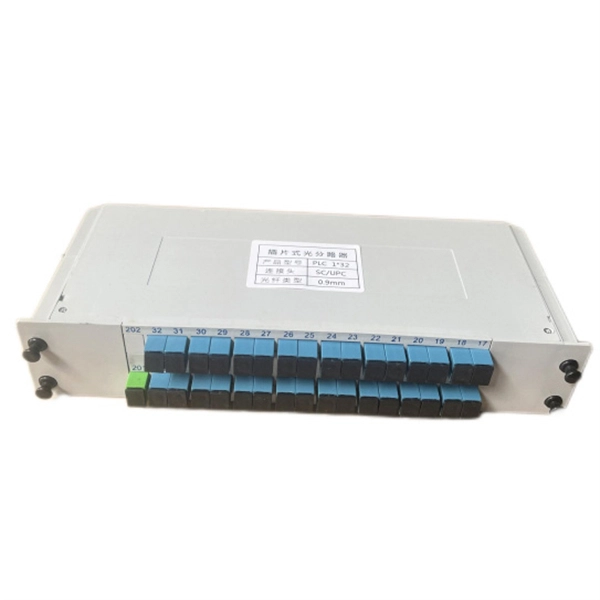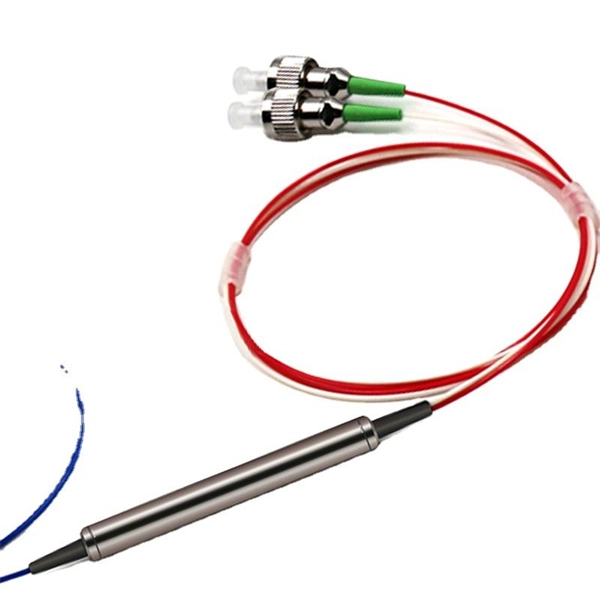
The price per foot includes the fiber itself, connectors, and basic installation factors, with main drivers being cable type, distance, and any required conduit or termination hardware. This article outlines cost expectations, price ranges, and practical savings. Fiber-optic cable materials typically cost $1 to $6 per linear foot, depending on fiber count and cable type. Commercial building installations with 100-200 network drops generally range from $15,000 to $30,000. Single-mode fiber costs less per foot than multimode fiber, but it requires more. Typically, per drop fiber cabling prices range from $250 – $1000 per drop depending on the type of fiber (OM2, OM3, OM4, or OM5), multi or single mode, PVC or plenum, average drop length, and also the number of fibers in each cable. This. Whether you need singlemode, armored, or indoor plenum, this guide gives you the exact cost per foot of fiber optic cable — including installation — so you can budget without guesswork. Data aggregated from Q1 2026 contractor invoices across Texas, Ohio, and North Carolina. The installation type you choose and the layout of your property determine the total labor and materials needed for your project. Cost for fiber cabling projects.
[PDF]
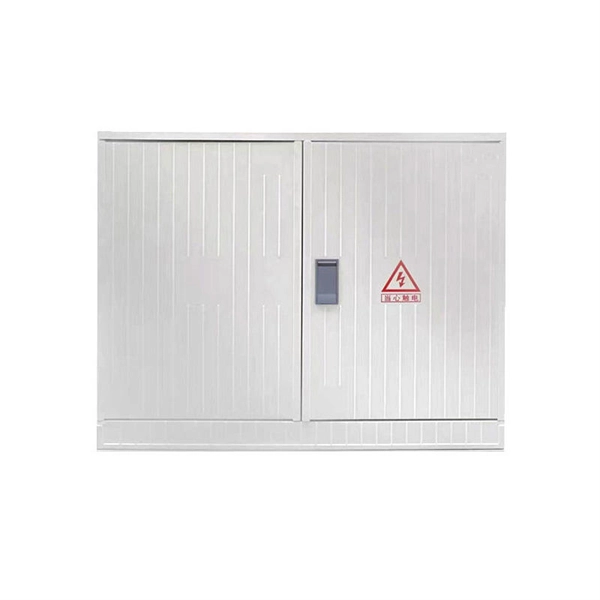
Above finished grade or sidewalks, or from any platform or projection from which they might be reached. (If these areas are accessible to other than pedestrian traffic, then one of the other conditions applies). Ex: Parallel phase and neutral conductors can be installed in individual underground nonmetallic raceways (Phase A in raceway 1, Phase B in raceway 2, etc. ) as permitted by 300. 5 (I) Ex 2 if the installation complies with 300. Power conductors rated 1,000V or less can occupy the same. Switchboards and panelboards are often called “the guts” of a premises wiring system. Article 408 covers the requirements for switchboards and panelboards that control power and lighting circuits (Fig. For. According to the NEC, there are four types of branch circuits: 1. Appliance (2-wire circuit): Supply energy to one or more appliance outlets. They have not permanently connected luminaires unless these luminaires are part of the appliances – e., deep fryer, vacuum cleaner, toaster oven, coffee. The most common distribution primaries are f our-wire, multi-grounded systems: three-phase conductors plus a multigrounded neutral. Listed below are new code-related questions and.
[PDF]
Customers close to a distribution transformer are able to have service drops directly connected to transformer secondary connections. Other customers are reached by routing a secondary main for servic.
[PDF]