This report is a detailed and comprehensive analysis for global E2000 Connectors market. Both quantitative and qualitative analyses are presented by manufacturers, by region & country, by Type and by Application. Find advanced e2000 apc connector answers for quick and dependable data flow. Use modern technologies to improve connection for flawless communication. According to our (Global Info Research) latest study, the global E2000 Connectors market size was valued at US$ 191 million in 2024 and is forecast to a readjusted size of USD 318 million by 2031 with a CAGR of 7. 4% during review period. In this report, we will assess the current U. tariff. There are single mode E2000 UPC connector, single mode E2000 APC connector and multimode E2000 UPC connectors, and there are adapters to use with them accordingly. E2000 products include simplex and duplex versions. The E-2000 Connector Series is one of the few fiber optic connectors featuring a. E-2000® is an optical fiber plug connector, available for both single mode and multi-mode applications, featuring a spring-loaded shutter and dust-cap. Read More The connector lever is a durable, high-quality locking component designed specifically for SENKO E-2. It is widely used in data centers, telecommunications, and industrial networking due to its.
[PDF]
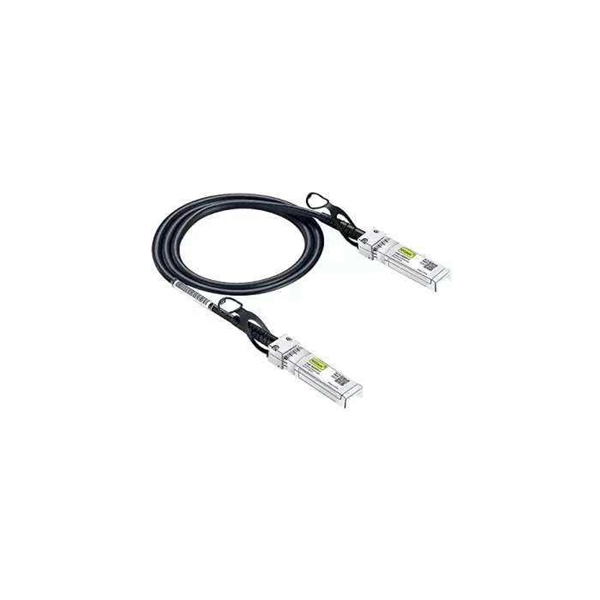
EIA/TIA 568 B allows any fiber optic connector as long as it has a FOCIS (Fiber Optic Connector Intermateability Standard) document behind it. Fiber optic cold connection, also known as mechanical splicing, is a widely used method of connecting optical fibers in a network. Unlike fusion splicing, which uses heat to join two optical fibers together, cold connection uses mechanical means to create a stable and low-loss connection. Unlike fiber splicing, which is permanent, connectors allow for easy connection and disconnection of cables, making them ideal for maintenance and flexibility in. Fiber optic joints or terminations are made two ways: 1) splices which create a permanent joint between the two fibers or 2) connectors that mate two fibers to create a temporary joint and/or connect the fiber to a piece of network gear. These terminations must be of the right style, installed in a. Fiber termination refers to the process of preparing the end of a fiber optic cable to connect to another fiber, a device, or a network. Proper termination is essential for ensuring optimal performance, reducing signal loss, and maintaining the durability of the connection. Since the introduction of fiber optic technology decades ago, a variety of connector types have been.
[PDF]
There are currently three methods of looking inside a fiber optic connector: (1) Non-destructive X-ray (2) Lossless sonar (3) Destructive cross section These methods help engineers determine the causes and effects of fiber optic connector failures and monitor the connector assembly. There are currently three methods of looking inside a fiber optic connector: (1) Non-destructive X-ray (2) Lossless sonar (3) Destructive cross section These methods help engineers determine the causes and effects of fiber optic connector failures and monitor the connector assembly. Fiber Optic Center offers a unique cross-sectioning service to identify and isolate problems related to fiber optic terminations that would otherwise be invisible. All. There are two major uses for visual inspection of fiber optic connectors. Video microscopes should have ability to record images and some may have ability to analyze connector condition to standards. Look for dirt, contamination, scratches or any other problem. Since connectors are susceptible to damage that is not immediately obvious to the naked eye—the inspection phase is vital. When proceeding with the inspection of connectors, there are two main components to inspect: the connector itself and the ferrule. With the press of a single button, FOCIS Flex auto-focuses, captures and centers the end-face image, applies Pass/Fail rules, displays image and Pass/Fail results, saves results internally and/or wirelessly transfers data to a.
[PDF]
Nearly all have a ballistic helmet, generation I OTV and radios. Their light weapons consist of stocks of and the German sniper rifles,, American, rifles and. Soviet machineguns are still used by machine/support gunners and AT soldiers use.
[PDF]