In this video, we'll walk you through the process of wiring a home distribution box with a detailed connection diagram. Whether you're an electrician or a DIY enthusiast, this guide will help you understand the basics of home electrical distribution. more Welcome to our channel! In this video. Understanding the wiring diagram of an electrical panel box is essential for electricians and homeowners alike, as it allows them to troubleshoot any electrical issues, carry out repairs, or make additions to the system. The electrical panel box wiring diagram provides a visual representation of. A distribution board or distribution box is where the main power supply is distributed to multiple loads. And all the switching and protective devices are installed in the distribution box. Single Phase Distribution Box generally consists of Double Pole MCBs, Single Pole MCBs, and RCCBs. Connect the two hot conductors (typically black and red) to the line terminals of the main disconnect switch. Tighten each lug to 250 inch-pounds using a torque wrench. What is Distribution Board? Distribution board.
[PDF]
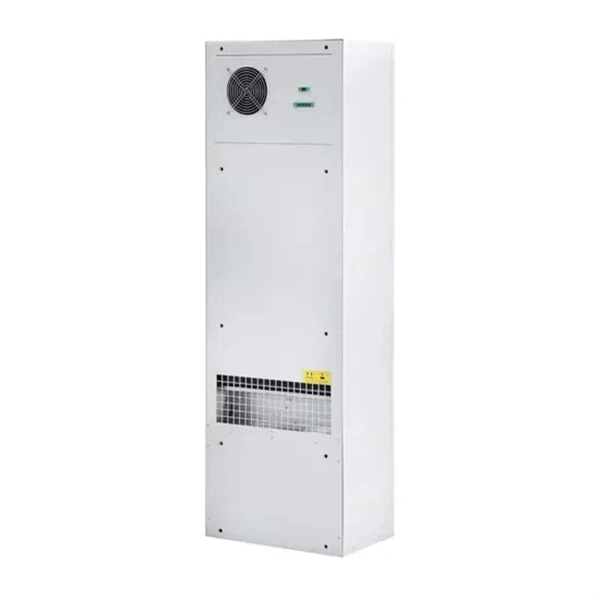
This video makes connecting your fiber optic cable to your router a breeze! We'll guide you through the entire process step-by-step, ensuring a smooth and hassle-free experience. Our Experts are helping user's, who are facing issues with their tech gadgets like. In this guide, we'll walk you through how to connect a fiber optic cable to a router safely and efficiently. Why Use Fiber Optic Internet? Before diving into the setup, let's quickly recap why fiber optics are worth the effort: Lightning-fast speeds (up to 1 Gbps or higher). This comprehensive guide combines industry standards with field-tested practices to ensure you achieve a rock-solid. Setting up a fiber internet connection requires understanding key hardware components and following a specific connection sequence to establish your home network. This guide details the necessary physical and digital steps to connect your fiber line and activate your internet service. If you. Connecting a fiber optic cable to a router might seem daunting at first, but with the right tools and a bit of patience, it's a straightforward process. Here's a step-by-step guide to help you through it. Check compatibility: Before you begin, make sure your router supports fiber optic connection. Not all routers can connect directly to a fiber cable, so it is important to verify this information before continuing.
[PDF]
Picking up the best router for fiber internet isn't just about going to the market and choosing one of the best wireless routers. Instead, you need to carefully look at its specs, performance, and the type of securit.
[PDF]
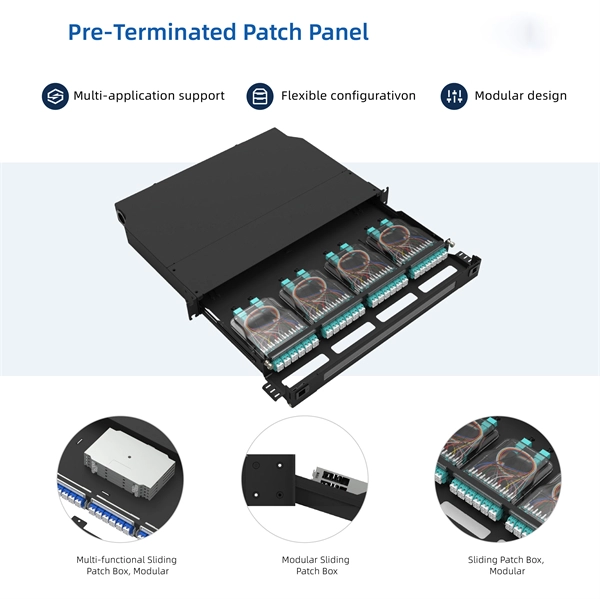
Home and business fiber optics projects typically range from a few hundred to several thousand dollars, depending on run length, fiber type, and labor needs. The main cost drivers are materials, installation time, and environmental factors that affect trenching, conduit, and terminations. The installation type you choose and the layout of your property determine the total labor and materials needed for your project. You should account for permit. The initial cost of installing fiber optic cables can vary depending on the chosen installation method and specific project requirements. Total Project Costs: For commercial installations, expect costs ranging from $5,000 to $20,000 per mile for underground projects and from $40,000 to $60,000 per. Quick Answer: How Much Does It Cost to Install Fiber Optic Cable? The cost to install fiber optic cable ranges from $1. 50 to $42 per foot, with installation costs accounting for 60-80% of total project expenses. According to the Fiber Broadband Association's 2025 report, median costs are $8 per. The reality is terminating copper and terminating fiber are very different. The fee is almost entirely what it cost to visit your house. ATT likely loses money on the interaction. Hi u/GalacticKirby, we'd be glad to address your inquiry about moving your ONT. This comprehensive guide breaks down the factors influencing pricing, average expenses, and tips to get the best value in 2025.
[PDF]
The following tutorial shows how to wire 120V single phase breaker box installation in home. 120V single phase circuits are generally used in home wiring for lighting circuits and outlet receptacles. To do.
[PDF]
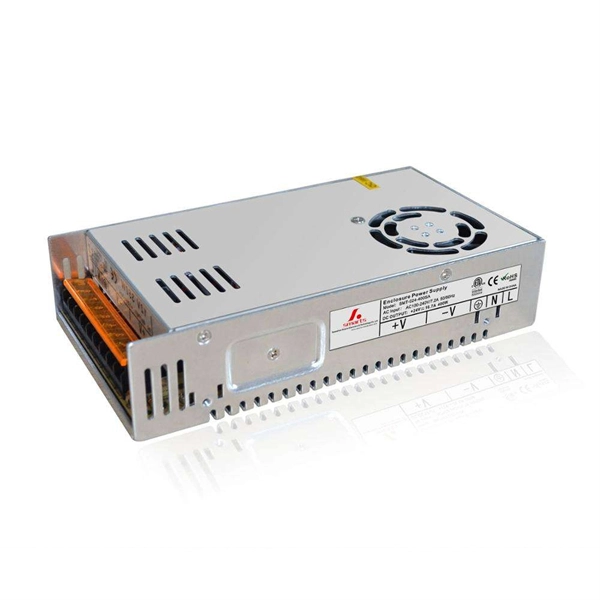
Pick the right size distribution box to keep things safe. This stops too much power and keeps wires from getting too hot. It also lets you add more stuff later if needed. Use electrical diagrams to see where circuits go. Diagrams are like maps for your wires. They help you. A neat, well-organized service panel or subpanel is easier and safer to work in; it will also be an easier panel in which to add circuits later on. A neat, well-organized subpanel bundles wires to conserve space and improve access. Ideally, wire groups are installed in layers and wires are bent at. In this video, we'll walk you through the process of wiring a home distribution box with a detailed connection diagram. It serves as a central hub for distributing electricity throughout a building, ensuring that power is delivered safely and efficiently to all the required locations. A distribution box is the heart of any electrical system. Whether in a home or an industrial facility, this box keeps your electrical setup organized, functional, and efficient. Material preparation: Prepare the required circuit breakers, wires, wiring ties and other materials, and ensure that they meet the design drawings and installation requirements. Location determination:. A single phase breaker box, also known as a distribution board, is an electrical panel that controls and distributes electrical power in residential and commercial buildings. The wiring diagram.
[PDF]
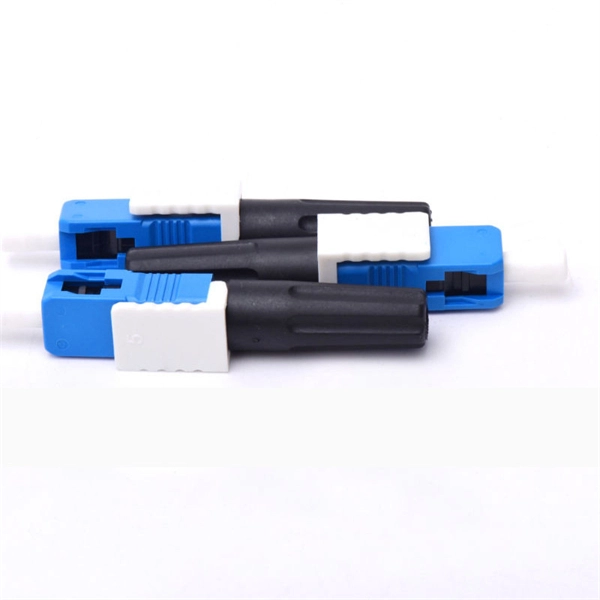
In residential solar installations, a Solar Distribution Box plays a key role in ensuring safe electricity distribution for homes. Industrial solar systems require. The photovoltaic distribution box serves as a critical component in modern solar energy systems, acting as the central hub that manages and distributes electricity generated by solar panels. Without it, the risk of electrical faults, system failures, and energy loss increases significantly. As solar adoption continues to rise globally, understanding. At the heart of a safe and high-performance Photovoltaic (PV) installation lies a component that is often overlooked but plays a critical role: the Solar Combiner Box. It acts as a silent guardian, functioning not just as a simple connection box, but as the “central nervous system” of the. This guide explains how solar combiner boxes work, when they're necessary, which type suits your installation, and proper safety protocols for optimal photovoltaic system performance. What Defines a Solar Combiner Box? A solar combiner box is an electrical junction enclosure designed to. In every photovoltaic (PV) system, stable power generation relies on more than panels and inverters. Hidden behind the scenes is a critical piece of equipment: the PV combiner box. Though easy to overlook, this device plays a decisive role in current collection, circuit safety, surge protection.
[PDF]
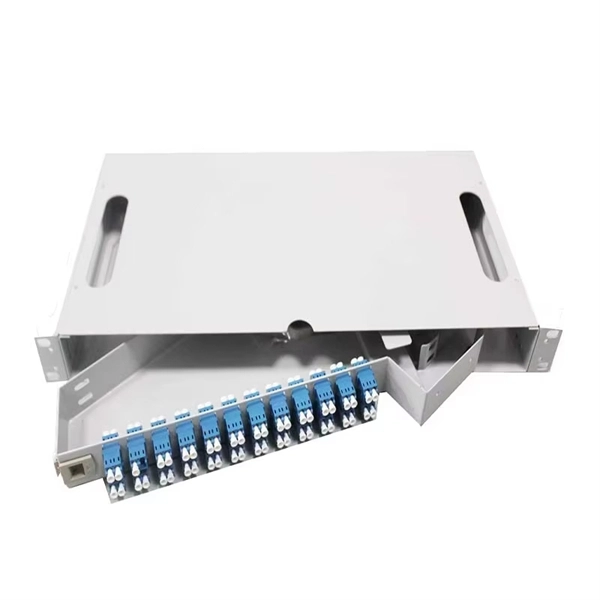
In this video, we'll walk you through the process of wiring a home distribution box with a detailed connection diagram. Whether you're an electrician or a DIY enthusiast, this guide will help you understand the basics of home electrical distribution. more Welcome to our channel! In this video. An electrical panel box, also known as a breaker box or a distribution board, is a crucial component of any electrical system. It serves as a central hub for distributing electricity throughout a building, ensuring that power is delivered safely and efficiently to all the required locations. And all the switching and protective devices are installed in the distribution box. Single Phase Distribution Box generally consists of Double Pole MCBs, Single Pole MCBs, and RCCBs. Single Phase wiring installation is the most common wiring in residential buildings. What is Distribution Board? Distribution board. The electrical service panel, often called a breaker box, acts as the central distribution point for all electricity entering a home. Its function is to safely divide the incoming high-amperage utility power into smaller, manageable branch circuits that supply power to lights, outlets, and.
[PDF]