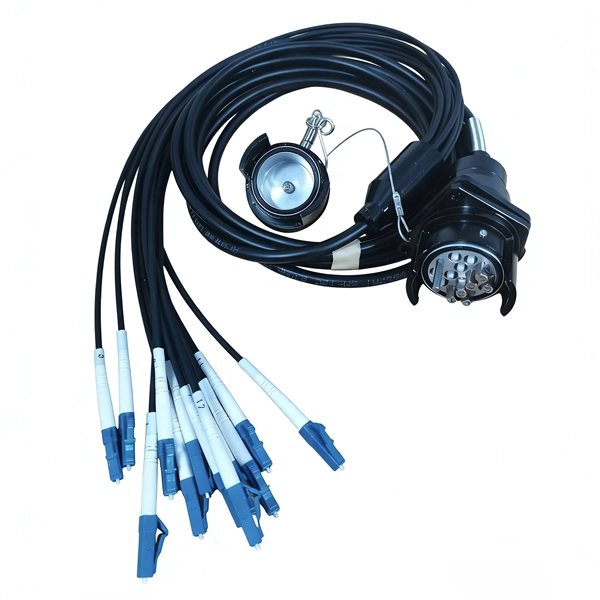
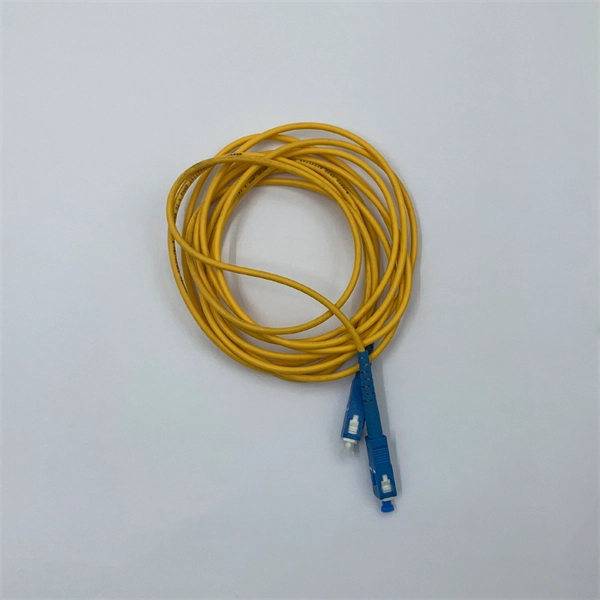
The charts below quickly compare single-mode and multimode fiber optic cables. OS2 fiber is the best option for long distances, with transmission rates over 10 GB and distances of up to 200 km. OS1 can onl.
[PDF]
The Intellinet Network Solutions 10 Gigabit Fiber SFP+ Optical Transceiver Module (model 507479) is fully hot-pluggable, and that allows you to install the module without rebooting your network switch for uninterrupted network traffic. Intellinet Network Solutions 10GBase-LR Fiber SFP+ Optical Transceiver Module, model 507479, is the right choice when it comes to connecting two buildings at 10 GbE speeds with single mode fiber. That's a 10 Gbps connection up to a distance of 10 km (or 6.2 miles). The transceiver comes in a mini-GBIC form factor, making it ideal for environments that require many fiber connections by taking up less space in your cabinet and/or computer room. Compatibility in your network is everything, and the Intellinet Network Solutions SFP+ Transceiver Module (model 507479) delivers. Use it with any Intellinet Network Solutions SFP+ equipped network switch or any other MSA compliant SFP+ enabled switch. And since the Intellinet Network Solutions SFP+ transceiver module is set to broadcast the vendor. The Intellinet Network Solutions 10 Gigabit Fiber SFP+ Optical Transceiver Module (model 507479) supports standard digital diagnostics monitoring (DDM) functions, also known as digital optical monitoring (DOM). This gives the user the ability to monitor parameters of the SFP, such as optical output power, optical input power, temperature, laser bia.
[PDF]
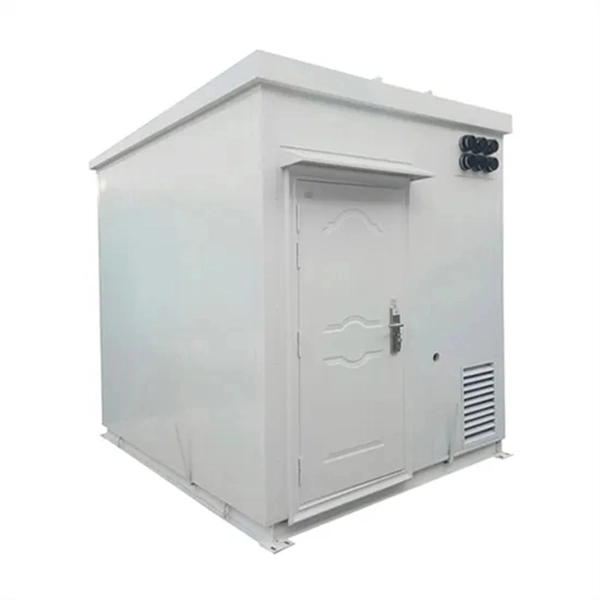
Find top-rated China optical distribution box suppliers with IP65 waterproof, customizable fiber options. Compare prices, MOQs, and certifications. Click to discover verified manufacturers for your FTTH projects in 2026. Today, we will mainly introduce the top 10 fiber distribution box manufacturers in China. Pheenet Pheenet is the brand name of Ningbo Ningwang Communication Equipment Co. The company was founded in 2000, focusing on R&D, production, and sales of optical communication products, and is. NINGBO SKECH IMPORT & EXPORT CO. How Much Does a Optical Distribution Box Cost? You can expect to pay between 0. Our electronics supplier database is a comprehensive list of. Buy Optical Distribution Boxes China Direct From Optical Distribution Boxes Factories at Alibaba. Help Global Buyers Source China Easily. Product Details: Distribution Box is a crucial cabinet for distributing electrical power safely, protecting circuits from overloads, and ensuring efficient operation. Product Details: Dreamfly Electrics Co.,Ltd offers a range of distribution boxes, including metal distribution boxes and AC & DC. Product Details: Optical Distribution Frames (ODF) by CommScope provide a modular and agile solution for managing fiber density in networks., 72, 96, 144, 216, 288, 360, 432.
[PDF]
Finding the best electrical boxes for your home renovation or redo is vital. The right material, type, and size can increase security while eliminating the risk associated with house fires due to short circuit pr.
[PDF]
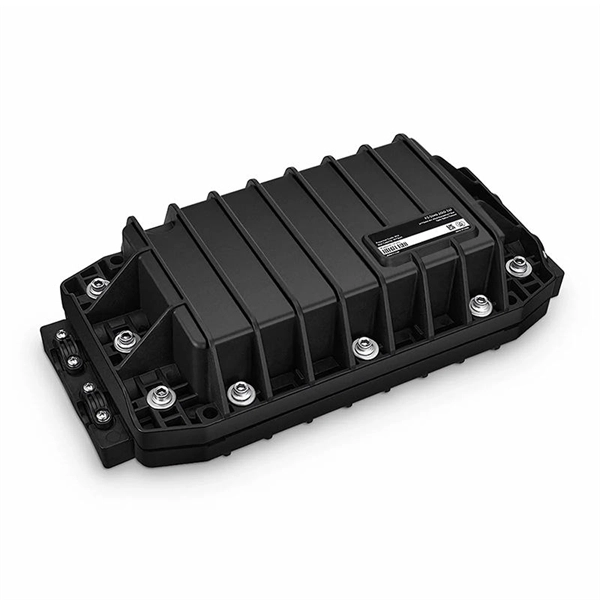
They are designed to output two parallel beams separated by a fixed distance. In interferometric setups, Lateral Displacement Polarizing beamsplitters can be used to split a beam for comparison or measurement purposes, allowing interference patterns to be generated and. A beamsplitter is an optical component designed to separate collimated light into two distinct beampaths with a specific ratio of transmissions. A polarizing beamsplitter is a type of beamsplitter that splits unpolarized light into S- and P- Polarization states. Additionally, beamsplitters can be used in reverse to combine two different beams into a single one. It is a crucial part of many optical experimental and measurement systems, such as interferometers, also finding widespread application in fibre optic telecommunications. a laser beam) into two (or sometimes more) beams, which may or may not have the same optical power (radiant flux). Some of the light reflects off the surface, while the rest passes through. This division of light is called the reflection-to-transmission (R/T) ratio. Standard products are available at laser wavelengths from 193 to 1550 nm. For applications requiring orthogonal output beams, Keysight offers cube and plate.
[PDF]
A fiber-optic splitter, also known as a, is based on a of an integrated waveguide power distribution device, similar to a The system uses an optical signal coupled to the branch distribution. The splitter is one of the most important in the link. It is an optical fiber tandem device with many input and output terminals, especially applicable to a passive optical network (,,,.
[PDF]
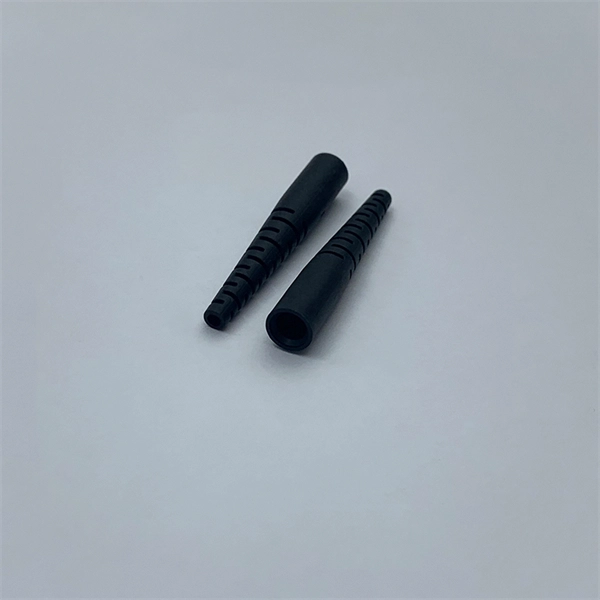
In its most common form, a cube, a beam splitter is made from two triangular glass prisms which are glued together at their base using polyester, epoxy, or urethane-based adhesives. (Before these synthetic resins, natural ones were used, e. ). A beam splitter or beamsplitter is an optical device that splits a beam of light into a transmitted and a reflected beam. It is a crucial part of many optical experimental and measurement systems, such as interferometers, also finding widespread application in fibre optic telecommunications. Beamsplitters are often classified according to their construction: cube or plate. The world's top manufacturers Edmund Optics and Schott dominate the high-end market, and Chinese manufacturers are accelerating their rise. New materials and intelligent production are driving higher precision breakthroughs, enabling innovations in spectral analysis, laser technology and. At its essence, a beam splitter is a device that can direct light into two unique paths. Most beam splitters are fabricated from glass cubes. When a light beam comes into contact with these cubes, half of it enters the glass, while the other half is reflected. These tools can split both laser and regular light. This division allows for the simultaneous analysis or utilization of the light's properties along two separate paths. The device is purely.
[PDF]
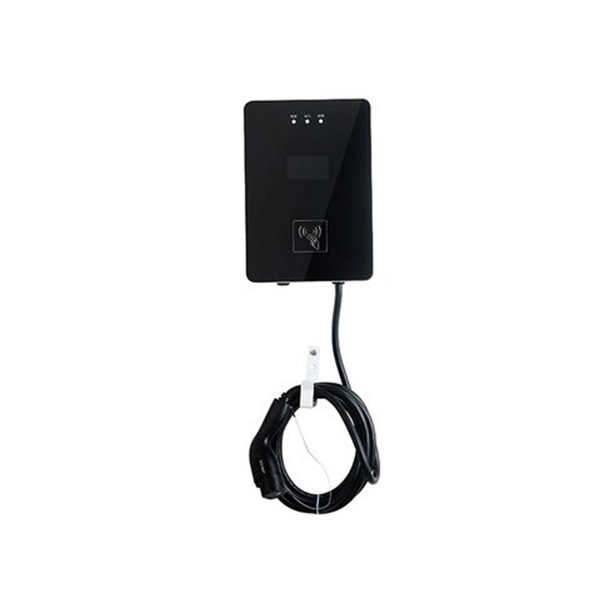
Plate beamsplitters do not require optical cement to hold the two halves of the prism together. This is an advantageous feature because lasers can rapidly damage cement, and it is prone to breaking down with ongoing exposure to UV light. Beamsplitters are fundamental components in optical engineering, serving to precisely divide a single input beam of light into two distinct output beams. This division allows for the simultaneous analysis or utilization of the light's properties along two separate paths. It is a crucial part of many optical experimental and measurement systems, such as interferometers, also finding widespread application in fibre optic telecommunications. In its. A beam splitter (or beamsplitter, power splitter) is an optical device which can split an incident light beam (e. a laser beam) into two (or sometimes more) beams, which may or may not have the same optical power (radiant flux). These versatile tools can split both laser and regular light, depending on the application in question. Additionally, beamsplitters can be used in reverse to combine two different beams into a single one.
[PDF]
There are 17 Opticians in Democratic Republic of the Congo as of April 1, 2026; which is an 13. 33% increase from 2023. The top three states with the most Opticians are Kinshasa with 8 Opticians, Haut-Katanga Province with 6 Opticians, Bas-Congo province with 1 Opticians. Genew Technologies and Zhongshi Wosen, both Chinese companies, will help the Democratic Republic of Congo (DRC) build its fiber optic network. The Congolese Minister of Telecoms, Augustin Maliba, signed the related memorandum of understanding (MoU) on April 7, 2025. "With the support of the. The Democratic Republic of the Congo (DRC), also known as the DR Congo, Congo-Kinshasa, or simply the Congo or less often Zaire, is a country in Central Africa. By land area, it is the second-largest country in Africa and the 11th-largest in the world. With a population of around. A total of 60. 3 percent of the total population. However, note that some of these connections may only include services such as voice and SMS, and some may not. In Africa, as everywhere in the world, digital applications are increasing exponentially, highlighting the continent's digital divide. Average age of Opticians in. Learn about the market conditions, opportunities, regulations, and business conditions in congo, the democratic republic of the, prepared by at U. Embassies worldwide by Commerce Department, State Department and other U.
[PDF]
While splitters can reduce internet speed, there are ways to minimize the impact: Invest in a high-quality splitter designed for high-speed internet connections. A good-quality splitter will reduce signal attenuation and ensure that the internet signal is not degraded. An internet splitter, also known as an Ethernet splitter or network splitter, is a device that allows you to connect multiple devices to a single internet connection. It's essentially a hub that splits the internet signal into multiple ports, enabling you to connect multiple devices such as. Before we dive into whether splitters can slow down your internet, it's essential to define what a splitter is. What Is a Splitter? A splitter is a small device that divides a single input signal into multiple outputs. Understanding how the process works is essential to determine its impact on internet speed. The reduction is due to a weakening of the signal quality required to maintain peak performance and reliability, rather than a slower connection speed setting. But can these seemingly harmless devices. While there are multiple factors that affect internet speed, people have added their own assumptions to this list, causing a lot of confusion. One of the doubts revolves around cable splitters. If you have the same question, you must.
[PDF]
Beam splitters are essential optical devices used in various applications to divide a light beam into two or more distinct paths. These devices are fundamental in the field of optics, playing a crucial role in interferometry, laser systems, and even photography. It is a crucial part of many optical experimental and measurement systems, such as interferometers, also finding widespread application in fibre optic telecommunications. In its. About light behaviour on a beamsplitter A half mirror is designed with reflectance and transmission of light with a 1:1 ratio. If light incident direction and polarization conditions change, it may impact the ratio. Reflection properties change when light is projected onto the. 📦 For purchasing, use the RP Photonics Buyer's Guide for beam splitters. It provides an expert-curated supplier directory, buyer-focused technical background information, and structured selection criteria to support professional procurement decisions. They play a crucial role in various scientific, industrial, and everyday applications. To fully understand how beam splitters work, it is important to delve into their operational. Explore the precision, applications, and design principles of beam splitters, essential for advancements in scientific research and technology.
[PDF]
The beam splitter splits and then recombines infrared radiation, while the detector picks up the resulting signal. It's sensitive to both intensity and frequency. Together, they decide just how accurately an instrument captures those unique infrared “fingerprints” from different. Beam splitters are integral optical components that divide a beam of light into two or more separate beams. Their precision and versatility make them indispensable in a variety of scientific, industrial, and technological applications. It is a crucial part of many optical experimental and measurement systems, such as interferometers, also finding widespread application in fibre optic telecommunications. This precise ability to split light by wavelength makes beam splitters essential in various fields, including laser systems, semiconductor. 📦 For purchasing, use the RP Photonics Buyer's Guide for beam splitters. It provides an expert-curated supplier directory, buyer-focused technical background information, and structured selection criteria to support professional procurement decisions. What are Beam Splitters? A beam splitter (or. When splitting one incident light beam into two separate beams, beamsplitters are applied. Depending on the beam split based on intensity, wavelength, or polarization, its level of optical power on beam penetration differ. Just to mention few, these beamsplitter components are commonly required for.
[PDF]
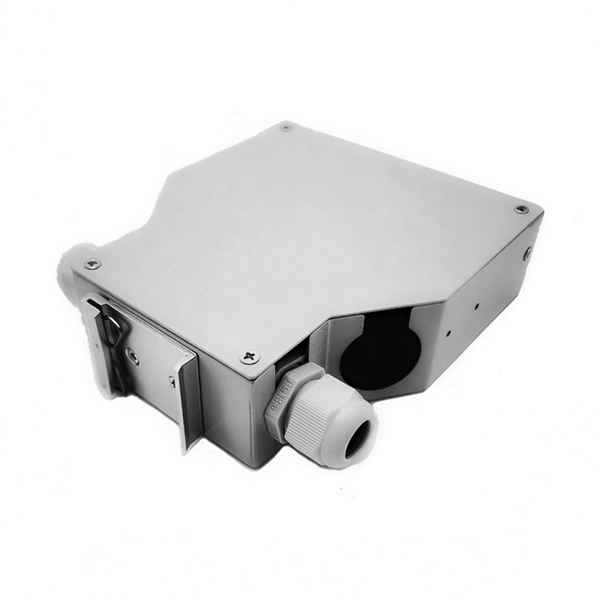
Beamsplitters are fundamental components in optical engineering, serving to precisely divide a single input beam of light into two distinct output beams. This division allows for the simultaneous analysis or utilization of the light's properties along two separate paths. It is a crucial part of many optical experimental and measurement systems, such as interferometers, also finding widespread application in fibre optic telecommunications. Their precision and versatility make them indispensable in a variety of scientific, industrial, and technological applications. This article explores the principles behind beam splitters. Beamsplitters can be used in a wide range of fields, such as optics and interferometry. These important devices come in different forms and have many different applications, but many people are unsure of the key principles of their use. The library includes research papers, conference proceedings, technical articles, and book chapters that cover both theoretical and.
[PDF]
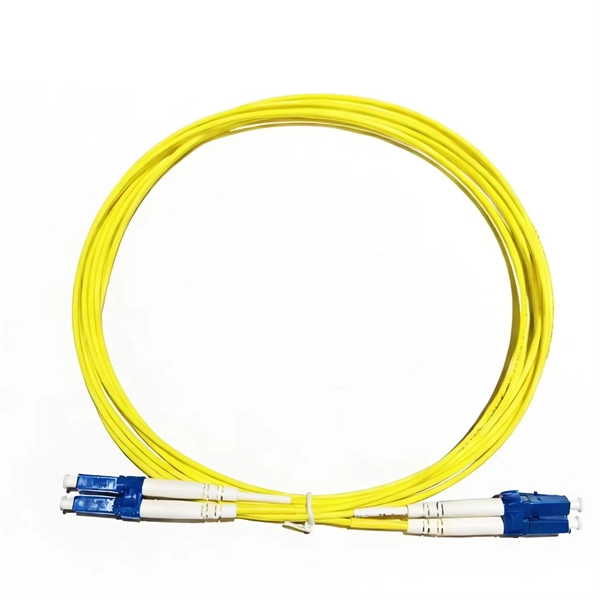
An Optical Splitter, also known as a beam splitter, is a passive optical device that divides a single input optical signal into two or more output signals. Conversely, it can also combine multiple signals into one. Beamsplitters are often classified according to their construction: cube or plate. Schematic illustration of a beam splitter cube. In practice, the reflective layer absorbs some light. It is a crucial part of many optical experimental and measurement systems. Modern microscopes have a variety of objectives, mirrors, and pinholes in order to obtain the best image (Figure 1B). The component of interest here is the beam splitter. Figure 1: The light path through different microscopes. A) An early compound microscope with a basic light path. The light goes. 📦 For purchasing, use the RP Photonics Buyer's Guide for beam splitters. It provides an expert-curated supplier directory, buyer-focused technical background information, and structured selection criteria to support professional procurement decisions. They help divide and manage light beams for various applications. Without them, many optical setups would not function properly. The split ratio of light transmittance and reflectance is 1:1 and is called a half mirror. Good fit for large beam size applications at a reasonable price. Advantages are: minimal.
[PDF]
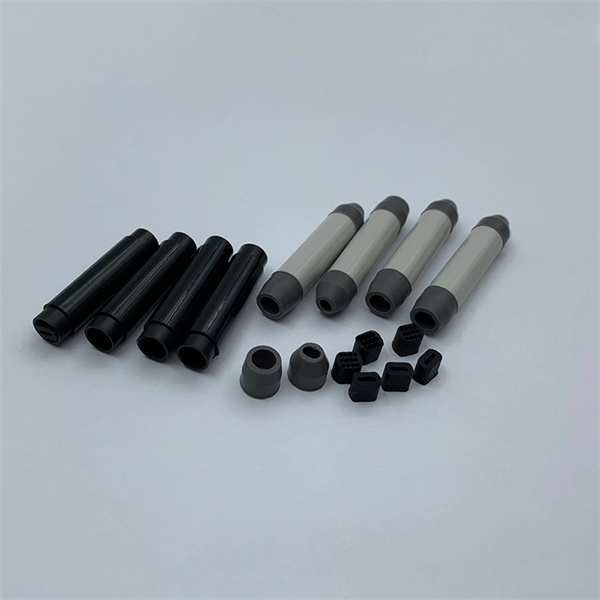
Beamsplitters are commonly used in a wide range of optical systems to guide light in specific paths, allowing multiple measurements, imaging, or detection systems to work simultaneously. A beam splitter or beamsplitter is an optical device that splits a beam of light into a transmitted and a reflected beam. It is a crucial part of many optical experimental and measurement systems, such as interferometers, also finding widespread application in fibre optic telecommunications. This passive device uses a specialized surface designed to both reflect and transmit light simultaneously. The resulting beams are directed along different paths, allowing a single light. Beam splitters can be modeled either in Sequential Mode or Non-Sequential Mode in OpticStudio. In Non-Sequential Mode, rays can split into transmitted and reflected rays at an object interface. a laser beam) into two (or sometimes more) beams, which may or may not have the same optical power (radiant flux). Different types of beam splitters exist, as described in the. Thanks to beamsplitters, this is no longer an area of mystery. Beamsplitters are a useful tool that allow us to control various light waves, enabling us to combine and separate different wavelengths of light with ease. What are beamsplitters and how are they used in optics and photonics.
[PDF]