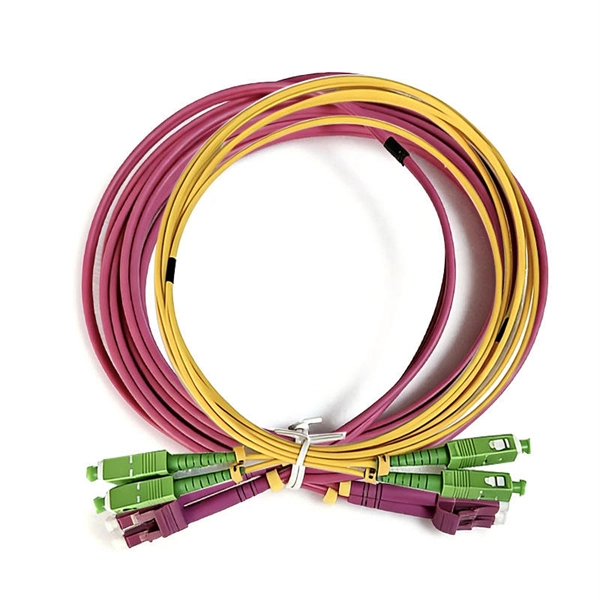
While a cut or damaged fiber optic cable can temporarily take your network down, it is possible to quickly fix the cable with the right tools. This wikiHow article will teach you how to splice a cut fiber optic cable back together with a fiber optic stripper and cutter and a fiber optic crimper. Fiber optic cable cuts can be alarming, especially with problems like signals being dropped, internet interruptions, or even network failures. However, you don't need to panic! It can still be fixed. If you have the right tools and knowledge, you can definitely find the solution. Whether you have a.
[PDF]
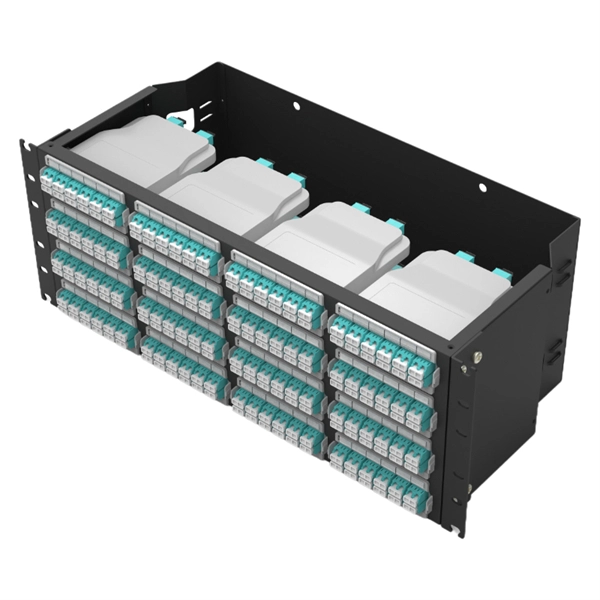
This article will guide you through the process of troubleshooting fiber optic connections, with a focus on ensuring proper TX and RX alignment and how to correctly switch patch cables to resolve issues. Fiber optic networks are celebrated for their speed and reliability, but even the best systems can encounter problems. When issues like signal loss, slow speeds, or intermittent connectivity arise, systematic troubleshooting is key. This guide will walk you through diagnosing and resolving common. Fiber optics is a technology that utilizes thin strands of glass or plastic, called optical fibers, to transmit data in the form of light pulses. These compact devices can encounter issues that affect network performance. Troubleshooting fiber optic transceivers requires a systematic approach to identify and resolve problems effectively. These networks are the backbone of modern data transmission, offering incredible speeds and bandwidth. However, even the most robust systems can. When your fiber optic network stops working, begin with a structured approach. First, check the basics—look for power issues on your optical network terminal and inspect all cables for visible damage. Many fiber internet problems come from dirty connectors or loose plugs, not major faults. Power. Encountering peculiar issues is inevitable when utilizing a Fiber Optic Transceiver. This article will help you troubleshoot a fiber optic module.
[PDF]

Setting up a fiber internet connection requires understanding key hardware components and following a specific connection sequence to establish your home network. This guide details the necessary physical and digital steps to connect your fiber line and activate. In this guide, we'll walk you through how to connect a fiber optic cable to a router safely and efficiently. Why Use Fiber Optic Internet? Before diving into the setup, let's quickly recap why fiber optics are worth the effort: Lightning-fast speeds (up to 1 Gbps or higher). The fiber. The process to connect fiber optic cable to router requires careful attention to detail, but I'll walk you through every critical step with the precision and clarity you deserve. Fiber optic internet is generally installed in the following 5 steps, which we'll dive. Connecting a fiber optic cable is straightforward, but requires care. The process depends on the equipment you're connecting. Here's a simple guide to help you through the process: 1. Check Your Fiber Optic Equipment Before you start, make sure you have the necessary equipment: Fiber Optic Modem (ONT – Optical Network Terminal):.
[PDF]
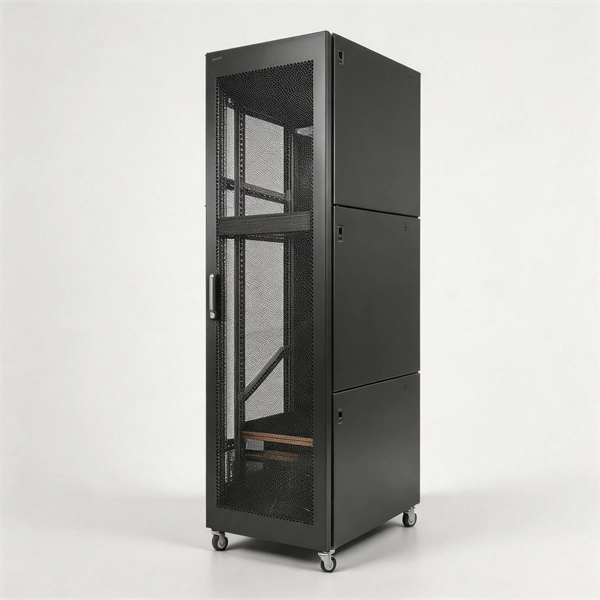
The average OM3 fibre cable price in Australia typically ranges between $0. 20 AUD per metre, depending on the jacket material, core count, and whether the cable is indoor-rated, outdoor-rated, or suitable for both. In this breakdown, we'll explore the price of fibre optic cable by type, focusing on OM3, OM4, and singlemode (SM) variants — including when and why to use each. If you're looking for a comprehensive overview of what affects overall cables price, refer to our Fibre & Network Cables Price Guide. Our fibre is manufactured to the highest grade with stringent quality guidelines. With an extensive range of fibre leads and fibre patch. FS offers full range of fibre optic adapters/couplers with good repeatability and changeability for mating two ends of a fibre optic cable with high precision. Choose the fibre type, mode, core count and colour you need, and we'll cut it to the length you specify in our local Melbourne facility. Fibre optic cables (also called optical fibre. Fibre Optic Cable – Apollo Technology Fibre optic cable plays a key role in fast and reliable dat Fibre optic cable plays a key role in fast and reliable data networks across Australia. This category highlights a wide range of fibre solutions supplied by Apollo Technology. The range includes loose.
[PDF]
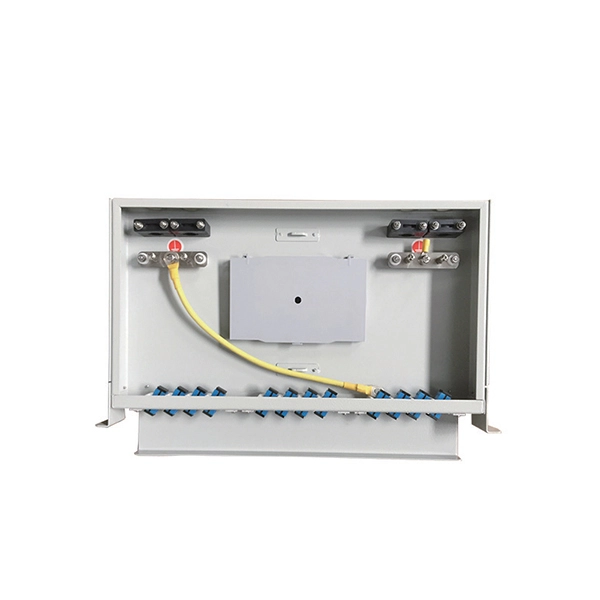
This white paper provides a comprehensive analysis of the fiber broadband supply chain in 2024, 2025 and beyond. The Submarine Cable Map is a free and regularly updated resource from TeleGeography. Huijue Net integrates prefabricated buildings and intelligent modular data center technologies. We explore the changes that have shaped the industry since our last report, focusing on ways to accelerate private builds and the ripple effects of federal funding initiatives such as. Sign up for our newsletter to receive specials and up to date product news and releases. We offer fiber optic materials from Test Equipment, Bulk Cable and Fusion Splicers to Tools, Patch Cables and Consumables. As you work in the telecommunications field, you face complex challenges from rapid network growth and increasing data demands. Traditional methods can slow down your operations and increase the. Established in 2001, Shanghai Huijue Network Communication Equipment Co., Ltd (HJ Network for short) is the leading manufacturer and solution provider for telecom and communication products. The headquarter of HJ Network including the R&D center, technical center, prototype dept and sales is.
[PDF]
The price per foot includes the fiber itself, connectors, and basic installation factors, with main drivers being cable type, distance, and any required conduit or termination hardware. This article outlines cost expectations, price ranges, and practical savings. Fiber-optic cable materials typically cost $1 to $6 per linear foot, depending on fiber count and cable type. Commercial building installations with 100-200 network drops generally range from $15,000 to $30,000. Single-mode fiber costs less per foot than multimode fiber, but it requires more. Typically, per drop fiber cabling prices range from $250 – $1000 per drop depending on the type of fiber (OM2, OM3, OM4, or OM5), multi or single mode, PVC or plenum, average drop length, and also the number of fibers in each cable. This. Whether you need singlemode, armored, or indoor plenum, this guide gives you the exact cost per foot of fiber optic cable — including installation — so you can budget without guesswork. Data aggregated from Q1 2026 contractor invoices across Texas, Ohio, and North Carolina. The installation type you choose and the layout of your property determine the total labor and materials needed for your project. Cost for fiber cabling projects.
[PDF]
Our list for Fiber optic products suppliers in Venezuela is one of the most comprehensive in the industry. As of May, 2026, we have compiled data on 20 verified listings. 00% increase from 2023. Of these locations, 21 Fiber Optic Products Suppliers which is 91. 30% of all Fiber Optic Products Suppliers in Venezuela are single-owner operations, while the remaining 2 which is. Volza's Big Data technology scans over 2 billion import shipments on over 20 parameters to Buyers who are a perfect match and most likely to work with you. According to Volza's Fiber Optics Cable Import data of Venezuela, there are a total of 190 Fiber Optics Cable Importers in Venezuela. After five years of growth, the Venezuelan market for optical fibers, bundles and cables decreased by X% to $X in 2025. In general, consumption, however, posted a prominent expansion. Over the period under review, the market reached the maximum level at $X in 2023, and then shrank dramatically in. How does 6W market outlook report help businesses in making decisions? 6W monitors the market across 60+ countries Globally, publishing an annual market outlook report that analyses trends, key drivers, Size, Volume, Revenue, opportunities, and market segments. This report offers comprehensive.
[PDF]
The Australian government is to fund a $120 million submarine cable project for its strategic northern neighbor Papua New Guinea. It has tapped Google to lead the rollout, which officials say is an initiative under Pukpuk Treaty, the new Papua New Guinea-Australia defense treaty. Australian government funds another Pacific fiber project, a $120 million subsea cable connecting Papua New Guinea. It has tapped Google to lead the rollout, which. The Coral Sea Cable System (CS²) is a 4,700km long fibre optic submarine cable system linking Sydney, Australia, to Port Moresby, Papua New Guinea and Honiara, Solomon Islands. The project also includes a 730km submarine cable system connecting Honiara to Auki (Malaita Island), Noro (New Georgia. Australia announced its offering three new undersea international cable connections to Papua New Guinea and the region. High Commissioner Ewen McDonald says these are the Google Pacific cable in the North, the Coral Sea cable in Bougainville, and the Huwakai Niu cable in the South of the region. The Acting Minister for Information and Communications Technology, Hon., has officially announced the USD $120 million Pukpuk Connectivity Initiative, a landmark bilateral infrastructure program under the Pukpuk Treaty. It began as a handshake beneath the shadow of rising Pacific tensions - a promise of wires, not weapons, stretching beneath.
[PDF]
Yes, Fiber to the Home (FTTH) is essentially the same as Fiber Optic Internet. Both terms refer to an internet connection that uses fiber optic cables to deliver data directly to your residence, offering superior speeds and reliability compared to traditional copper-based. “Fiber to the home” describes the use of fiber optic cable to deliver broadband internet from a central location directly to private residences. In an FTTH network, fiber cable is used over the “last mile” in place of lower bandwidth DSL and coaxial wires. Fiber to the home is one of many. Fiber to the home (FTTH) is the most widely known and used variation of fiber optic access infrastructure within the broader Fiber to the x (FTTx) classification. Still, a number of other terminologies and architectures exist including fiber to the premises (FTTP), fiber to the node (FTTN), fiber. This advanced technology delivers fiber optic internet services directly to residences, enabling faster upload and download speeds, smoother video conferencing, and seamless multimedia streaming. When discussing fiber connectivity, it's important to understand the different types of fiber internet. The FTTH Council Europe aims at advancing ubiquitous full fibre-based connectivity to the whole of Europe, with the vision that fibre connectivity will transform the way people live, do business and interact, connecting everyone, everything, everywhere. The internet has become indispensable to.
[PDF]
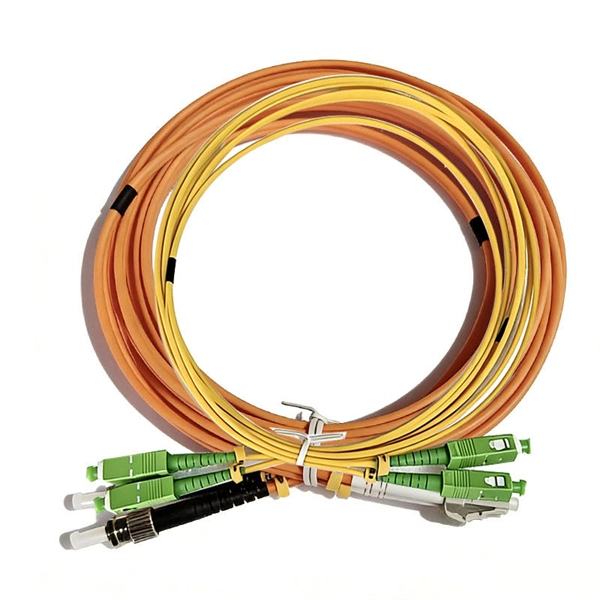
To check a fiber connection, connect a jumper to the optical source port and the other end to an optical meter. Press the “test” or “signal” button to send a signal from the source to the meter. While there are many different fiber optic cable tests, the most common version is an insertion loss test, also known as an attenuation, jumper, or connectivity test. This test requires a special testing kit and protective eyewear, but it will help you diagnose problems with the cable's. We'll explain why it's vital to test fiber optic cables, the three most popular methods, and when you should use them. Related: Fiber Optic Connectors – Identification Guide Regularly testing fiber optic cables helps minimize network downtime, lengthens the network's longevity, reduces maintenance. In this guide, we'll explore effective methods to check your fiber connection, including tools required and common issues to look out for. Below is an in-depth guide on how to assess the health and performance of a fiber optic connection: Before relying on technical tools, start. Whether you're a professional or a DIY enthusiast, knowing how to test fiber optic cables is crucial. In this blog, we'll explore different methods, including using a flashlight, advanced tools like Fluke testers, and more cost-effective options for testing fiber optics. In fiber optic communication, data is transmitted over two strands of fiber: one for.
[PDF]
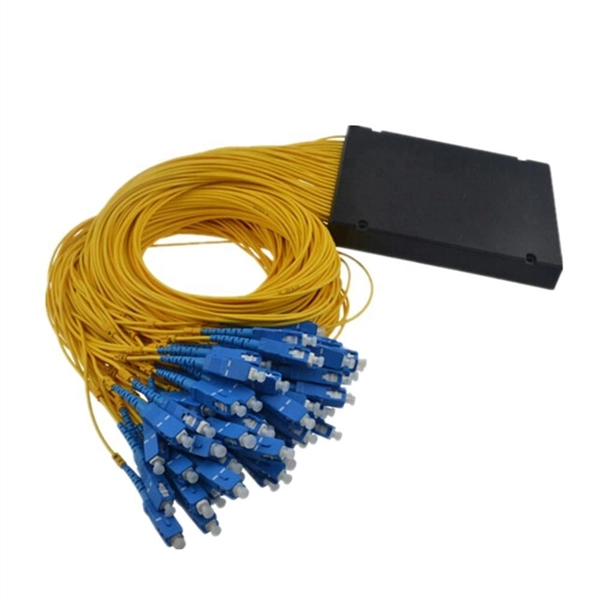
This step-by-step guide aims to provide a comprehensive understanding of the techniques and considerations involved in successfully connecting optical fibers, offering invaluable insights for professionals and enthusiasts in the field. In high-speed data networks, the seamless integration of fiber optic cables with SFP (Small Form-Factor Pluggable) modules is critical for reliable signal transmission. SFP transceivers bridge electrical and optical signals, making them indispensable in data centers, telecom networks, and. Proper connection of fiber optic cables is essential to harness these benefits fully, as even minor errors can lead to significant performance issues like signal loss. This article will guide you through the necessary tools, materials, and methods on how to connect fiber optic cables effectively. This section describes how to install optical transceivers on the SFP or SFP+ ports and connect them to the ports of the peer device using optical fibers according to the network plan. The USG supports both 1 Gbit/s, 10 Gbit/s, and 40 Gbit/s optical modules. The optical modules at both ends are. There are many types of fiber optic connectors, including SC, LC, FC, ST, D4, MU, MT/MPO, etc. These connectors can be divided into single-mode and multi-mode fiber optic connectors according to their structure and purpose. In this tutorial.
[PDF]
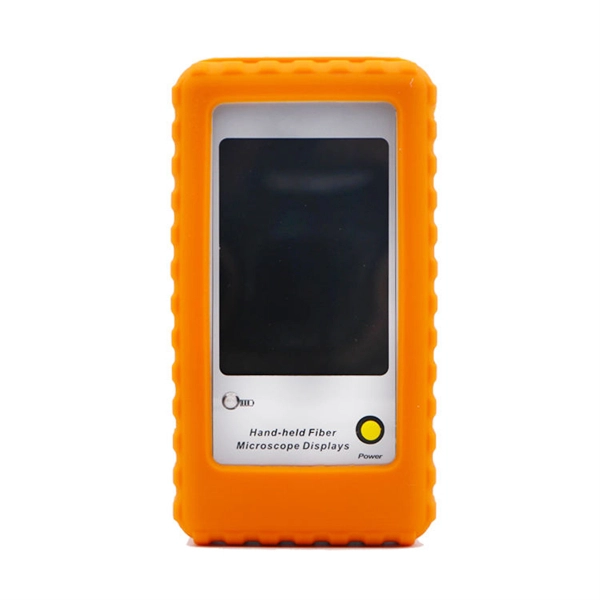
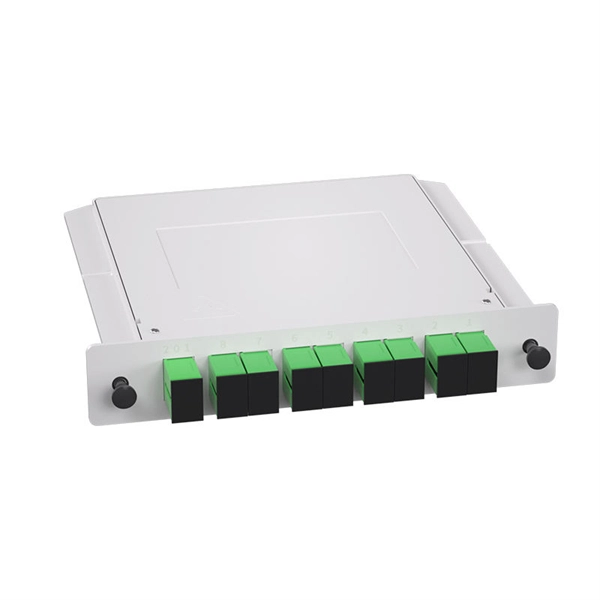
Optical splitters enable a signal on an optical fiber to be distributed among two or more fibers. Since fiber splitters contain no electronics nor require power, they are an integral component and widely used in most fiber-optic networks. A fiber optic splitter is a passive optical component that divides a single incoming optical signal into two or more outgoing signals, or combines multiple incoming signals into one. Unlike active devices (which require power), splitters operate without electricity, relying solely on the physics of. Optical cables, also known as fiber optic cables, consist of thin strands of glass or plastic fibers surrounded by a protective casing. These fibers transmit data as light signals, which are converted into electrical signals at the receiving end. The benefits of optical cables are numerous. A fiber-optic splitter, also known as a beam splitter, is based on a quartz substrate of an integrated waveguide optical power distribution device, similar to a coaxial cable transmission system. Its primary role is in Passive Optical Networks (PON), which are the foundation of. A fiber broadband provider typically determines and overall split ratio for the network, such as 1x32 or 1x64, and uses combinations of splitters to meet that ratio with each PON port. 1x32 splits were common in North America for G-PON architectures. As XGS-PON continues to be adopted, some service.
[PDF]
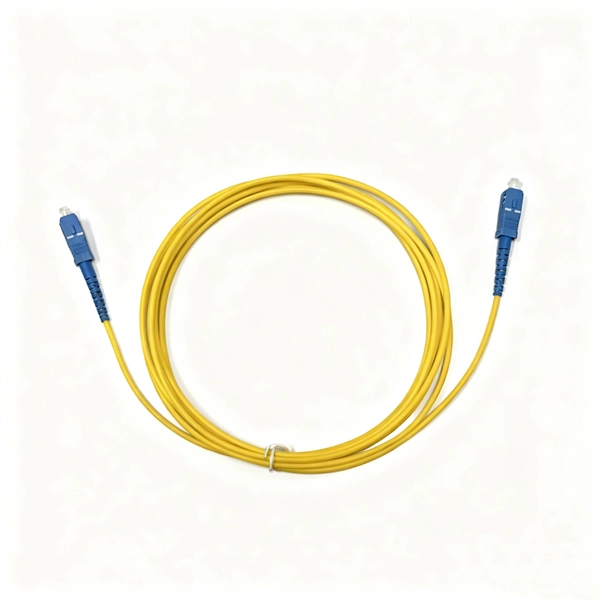
Search results of Top 2 Cabling and Fibre Optics Companies in Papua New Guinea, near me. Listings are verified with accurate business information. Our Engineering Services team provides expert design and planning for high voltage and low voltage transmission lines, as well as distribution line systems. We specialize in optimizing the layout and ensuring the reliability of power transmission through advanced engineering techniques. We also. Cetelnet is proud to be a trusted fiber optic supplier Papua New Guinea, offering high-quality materials, expert consultation, and end-to-end infrastructure support to telecom operators, government agencies, and private enterprises. East Coast NetLink provides fiber optics connectivity solutions for businesses and organizations in Papua New Guinea. We offer high-speed, reliable and secure internet access, data transmission and cloud services through our extensive network of fiber optic cables and equipment. Our fiber optics.. Started back in 1983, Cable House is a recognized name engaged in manufacturing and supplying wide range including Hose Clamps, Cable Ties, Crimping Tools, Cable Tray, Industrial Connectors and more, to the national as well as the international market.
[PDF]
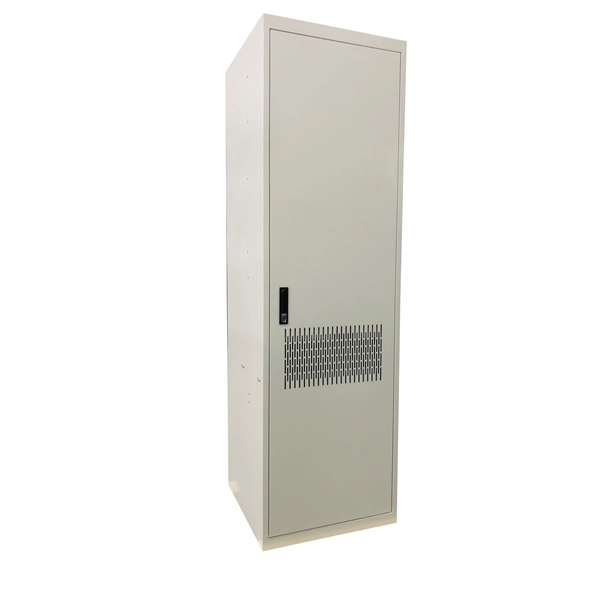
Handan Jinmai Fastener Manufacturing Co. specializes in the production of power fittings and optical cable accessories, offering a full range of customized fiber optic clamps, including suspension clamps, clamps, and anti-vibration whips. Jera Line stands out as a prominent global manufacturer specializing in FTTH self-supporting cables and clamps. With a strong commitment to innovation and quality, the company has established itself as a trusted provider in the optical communication industry. Jera Line's core expertise lies in. Cable clamps for coaxial, fiber optic and power cables. FIMO cable clamps are suitable for a quick, safe and secure installation on any kind of support. All our products are tested for strength, corrosion, and endurance, making each clamp immune to environmental conditions and. ADSS Anchor Tension Clamps are hardware fittings used to securely terminate and anchor ADSS fiber optic cables on poles or towers without damaging the cable. ADSS Suspension Clamps are used to support ADSS fiber optic cables on poles by allowing safe hanging with controlled grip and minimal stress. Fiber optic clamps are core hardware used to secure and protect overhead optical cables (such as ADSS and OPGW cables), ensuring stable operation in complex environments. Volda supplies a broad spectrum of fiber cable clamps, for example: 4-7mm, 6-9mm, 4.
[PDF]
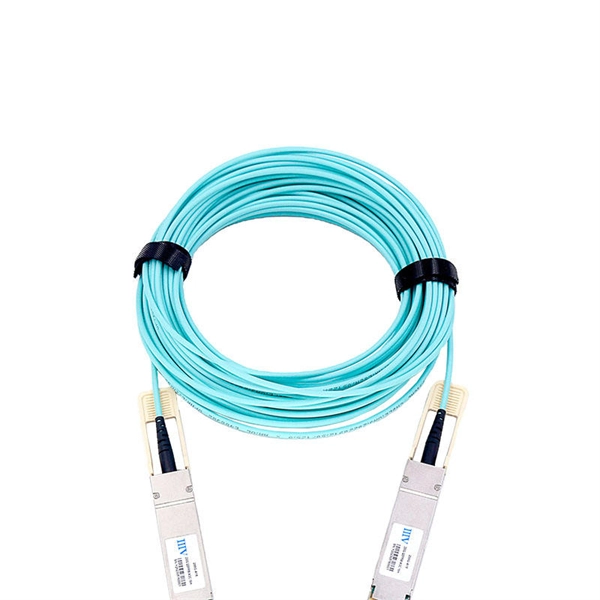
Acceptable dB loss for fiber depends on the component you're measuring: a single mated connector pair should lose no more than 0. 75 dB, a fusion splice should stay under 0. 3 dB, and fiber cable itself loses between 0. To be able to judge whether a fiber optic cable plant is good, one does a insertion loss test with a light source and power meter and compares that to an estimate of what is a reasonable loss for that cable plant. The estimate, called a "loss budget" is calculated using typical component losses for. Q: What is fiber optic loss? A: Fiber optic loss refers to the reduction in signal strength as it travels through the fiber optic cable. This can be due to various factors, including attenuation, connectors, and splices. Q: How is fiber optic loss measured? A: Fiber optic loss is typically measured. Fiber loss can be also called fiber optic attenuation or attenuation loss, which measures the amount of light loss between input and output. 5 dB per kilometer depending on the type and wavelength. The total. Attenuation is the natural loss of signal power over distance. This is inherent in all fiber types and happens even under ideal conditions. Factors such as wavelength and fiber quality influence attenuation. Measured in decibels (dB), loss degrades signal quality, limits distance, increases bit-error rate, and escalates infrastructure cost. Understanding and managing it is critical to.
[PDF]