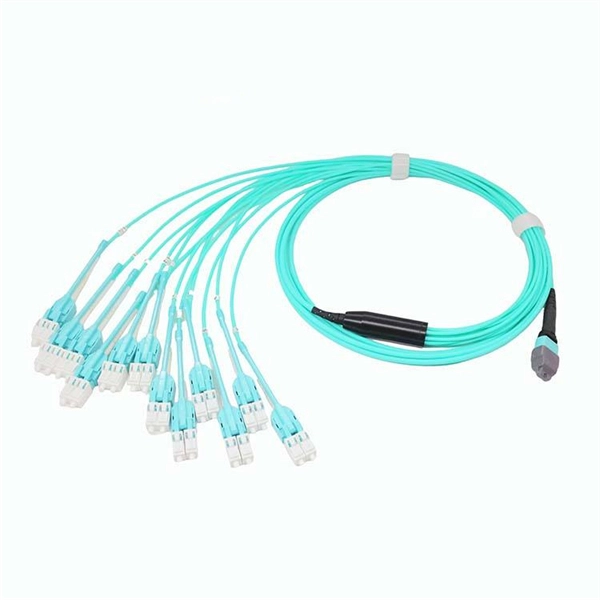
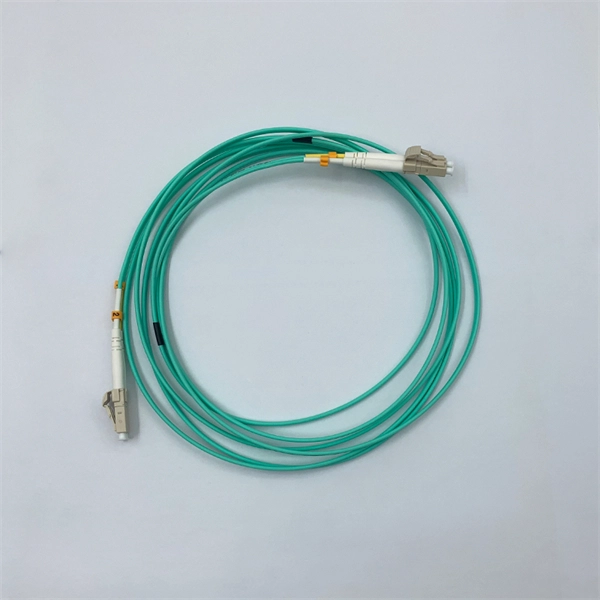
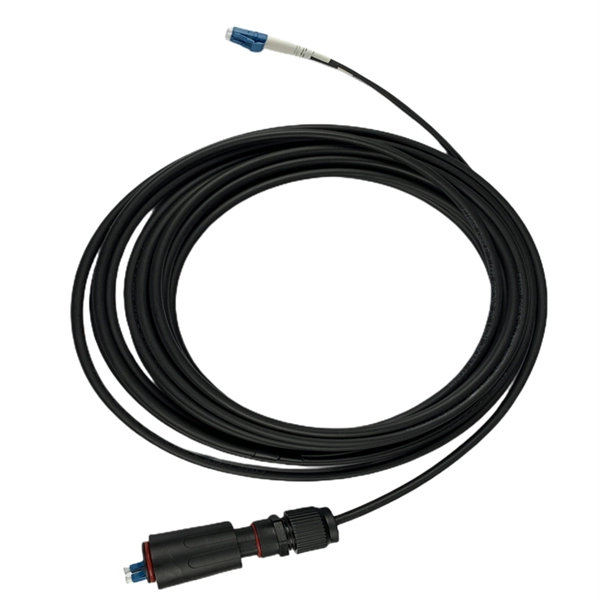
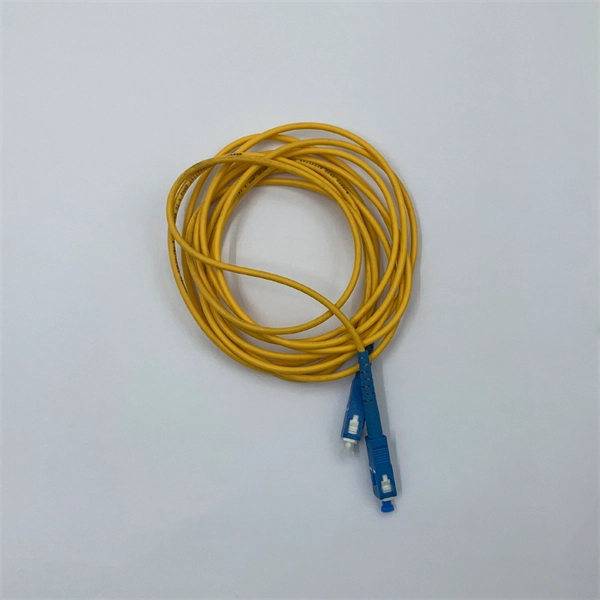
Fiber optic patch cables are ideal for supporting high speed telecommunication network fiber applications. They are manufactured and tested in compliance with TIA 604 (FOCIS), IEC 61754 and YD/T industry s.
[PDF]
The ST Pigtail bundle comes in a pack of 12 ST fiber optic pigtails,each in a different color, including: Blue, Orange, Green, Brown, Slate, White, Red, Black Yellow, Violet, Rose, and Aqua. Only left in-stock. FS fiber optic pigtails offer a fast way to make fiber optic communication devices in the field by fiber splicing, fully manufactured and tested by industrial standards. They can configure single mode and multimode fiber cable for the specific application. With the ST pigtail, you have a connector that is prized for its reliability, durability. Check each product page for other buying options. Need help?. ShowMeCables offers a wide variety of fiber optic pigtails with LC, LC-UPC, SC, SC-UPC and ST connector types and in lengths of 1-m to 15-m. Pigtail connectors are LC, LC/APC, SC, SC/APC, ST and E2000. Micron sizes are 9/125, 62. 5/125, 50/125 and 10GB 50/125 and modes are multimode, singlemode. Usually ships within 24 hours. They are designed, manufactured and tested according to protocol and performance dictated by the industry standards. The quality of the components used to.
[PDF]
As light in fibers often does not have a well defined polarization state, it is important that a fiber-optic attenuator exhibits only a minimum amount of polarization dependence. Generally, the obtained insertion loss has some dependence on the optical wavelength. Some attenuators have a relatively strong wavelength dependence and are made for working in narrow wavelength regions, e.g. with a bandwidth of only 20 nm around a center wavelength of 1550 nm. Others are optimized for a weaker wavelength dependence, making them u. For single-mode devices, the insertion loss can not depend on the direction of propagation, as long as no non-reciprocal parts are used, as e.g. in a Faraday isolator. For multimode devices, however, some loss difference is possible in conjunction with a mode dependence. For many applications, it will not be a problem if the obtained insertion loss slightly deviates from the specification (e.g. by 1 dB), or if it slightly changes over time. Example cases, however, one may require a higher precision. Most fiber-optic attenuators exhibit a relatively high return loss (at least several dozens of decibels), i.e., there is not much light which is reflected back into the input fiber. For some sensitive applications, e.g. when using an attenuator before or after a high-gain fiber amplifier, one may have two use attenuators with particularly high retu.
[PDF]
Light decay in light divisions refers to the decrease in light intensity as it travels through optical fibers or other transmission media. This decay can occur due to a number of factors, including absorption, scattering, and reflection. If you don't know what kind of losses to expect in your system, you won't know how many other components. It is also known as fiber loss or signal loss. The signal attenuation of fiber determines the maximum distance between transmitter and receiver. Another important property of optical fiber is. Fiber loss, also called fiber optic attenuation or attenuation loss, refers to the loss of signal between input and output. Losses can be introduced by various means such as intrinsic material absorption, scattering, bending, connector loss and more. This loss can significantly reduce the effectiveness of optical fibers in applications such as telecommunications, imaging systems, and even simple fiber-optic tools like flashlights. In the early days of.
[PDF]
Buyers typically pay for fiber optic cable on a per-foot or per-meter basis, plus materials, labor, and permits where applicable. Fiber-optic cable materials typically cost $1 to $6 per linear foot, depending on fiber count and cable type. Commercial building installations with 100-200 network drops generally range from $15,000 to $30,000. Single-mode fiber costs less per foot than multimode fiber, but it requires more. Buyers typically pay for fiber optic cable by length, fiber type, and installation complexity. Main cost drivers include cable grade (indoor vs outdoor, armoured), distance, and labor for trenching, splicing, and termination. Understanding cost ranges helps buyers budget. Single-mode fiber (OS2): This is the industry workhorse. In 2025, the base glass price has stabilized. You are looking at $0. The price swing usually depends on the fiber count (e., 12-core vs 96-core) and brand. Generic. This guide outlines the major factors that influence fiber optic cable costs and provides practical tips for estimating pricing in bulk or project-based scenarios. Content 1 What's the Typical Price Range? 2 1. Fiber Count and Cable Construction 3 2. The price landscape varies from basic drop cables to enterprise backbone runs, with per foot and per reel pricing common in estimates. This guide presents cost ranges.
[PDF]
Typical rates range from $0. 00 per ft depending on terrain, access, and required precision for termination. Basic — 1,000 ft single-mode run indoors with minimal termination: Cable $0. 00/ft, Permits $150, Accessories $100. Total ≈ $2,650–$3,100. 🔥Buy Fiber Cables products online from DanounTech the best tech store📱 in Lebanon🇱🇧 | find low prices everyday, and enjoy fast delivery🚚. DanounTech | LEBANON. Fiber optic solutions (drawers, panels, connectors. ) | Fibre optic cables | !. 50-meter, 2-core single-mode fiber optic cable with APC (Angled Physical Contact) connectors, providing low-loss, low-reflection performance for high-speed data transmission. Ideal for FTTH, telecom, and network infrastructure requiring reliable duplex connectivity. Each cable features advanced fiber optic technology to deliver superior performance, low latency, and high bandwidth. Anixter is your source for Indoor/Outdoor Fiber Optic Cable products. olx Lebanon offers online local classified ads for Fiber Optic. Post your classified ad in various categories like mobiles, tablets, cars, bikes, laptops, electronics, birds, houses, furniture, clothes, dresses for sale in Lebanon.
[PDF]
Picking up the best router for fiber internet isn't just about going to the market and choosing one of the best wireless routers. Instead, you need to carefully look at its specs, performance, and the type of securit.
[PDF]
Understand how to choose fiber optic cable by comparing single‑mode vs. multimode, network speed and distance needs, cable jackets/fire ratings, connectors, cost and future‑proofing for data and telecom networks. Written by Ben Hamlitsch, trueCABLE Technical and Product Innovation Manager RCDD, FOI There are many advantages when it comes to using fiber optic cable in your telecommunications infrastructure. Fiber optic technology offers several key benefits including higher bandwidth for data. Fiber optic internet is a form of broadband that uses a network of bundled tiny glass fibers called fiber optic cables to deliver internet service via light waves. internet service? The technical difference is that most forms of traditional internet service transfer information by sending electric. Transmitted with flashes of light through strands of glass, fiber-optic internet is the most advanced broadband technology available. Because data can travel faster across greater distances with glass than with cable, the connection speed is much faster with a 100% fiber-optic network.
[PDF]
Understanding Fiber Optic Communication System: Working, Components, and Advantages The need for fast, high-capacity data transmission is on the rise, thanks to 5G technology, cloud computing, and a growing number of data-intensive applications. In 1880, Alexander Graham Bell conducted an experiment where he made a phone call using natural light (sunlight) to convert his voice into light via a “photophone. ” This light was transmitted approximately 700 ft. away, converted back to voice for the recipient to hear, and is now believed to be. We design and manufacture a broad range of high-performance fiber optic components and integrated modules for original equipment manufacturers (OEMs) within the optical network equipment market. The purpose of this article is to provide the non-technical reader with an overview of these. Corning is opening three new advanced manufacturing plants in the U. dedicated entirely to optical technologies for Nvidia. The partnership brings together two of the infrastructure companies benefiting the most from the artificial intelligence boom. Corning shares are up more than 250% in the. Fiber optic cables are essential components in modern data transmission infrastructure. They support high-speed, interference-resistant communication and are particularly effective in applications that require high bandwidth, low latency, and strong signal integrity. Unlike traditional copper or.
[PDF]
The drop cable connects your home, the patch panel organizes the network, the splice keeps connections seamless, and the optical splitter shares the signal with your neighbors. The fiber drop cable is what makes a true fiber-to-the-home (FTTH) connection possible. It's the final link in the chain that ensures you're getting the full, unfiltered power of fiber internet, not a mix of fiber and older technology. From the street to your living room, every piece of the fiber. To begin, the standard definition of splicing in optical fiber is joining two fiber optic cables together. The other, more common, method of joining fibers is called termination or connectorization. Splicing is most commonly used in the field but has application in cable assembly houses. Infield. In many applications of fiber optics, it is necessary to connect fiber ends (terminations) in some way such that light from one fiber can get into the other fiber without losing too much of its optical power. This creates a permanent and low-loss connection. Both techniques have their advantages and are suited for different applications, but understanding which method to use can greatly impact the network's. Many installations involve splitting the fibers in a cable or dropping a small fiber count cable from a large backbone cable. Backbone cables of 144-288 fibers are common and larger ones are becoming more common too. Drop cables are often only 2-12 fibers, meaning most fibers are continuing.
[PDF]
This high-performance Polarization Maintaining (PM) Fiber Patch Cord is engineered for precision-critical optical systems. Using Panda-type PM fibers and carefully aligned connectors, it ensures stable signal integrity even under rigorous environmental changes. Wavelengths covering altogether 360nm to 1800 nm - each fiber with an operational wavelength range of about 100-300 nm. Polarization-maintaining, single-mode fiber cable (PM fiber cable) with Gaussian intensity distribution and low-stress fiber connectors. Corning offers the broadest portfolio of PANDA PM fibers from wavelengths of 400-1550 nm and designs such as High NA and Flame Retardant coatings. These cables are available from stock and feature a high-quality polish, which leads to a typical return loss of 50 dB. Available in customized connector. Fibercore's industry leading polarization maintaining fiber (PM fiber), is designed for high performance interferometric and plarimetric sensors, integrated optics and communications.
[PDF]
Modern fiber-optic communication systems generally include optical transmitters that convert electrical signals into optical signals, optical fiber cables to carry the signal, optical amplifiers, and optical receivers to convert the signal back into an electrical signal. Fiber-optic communication is a form of optical communication for transmitting information from one place to another by sending pulses of infrared or visible light through an optical fiber. The light is a form of carrier wave that is modulated to carry information. Fiber is preferred. E/O converters use light-emitting elements such as semiconductor lasers, O/E converters use light-receiving elements such as photodiodes, and optical elements such as lenses are used at the input and output of optical fiber. It's important to note that the size of the light-emitting part of a. Understanding Fiber Optic Communication System: Working, Components, and Advantages The need for fast, high-capacity data transmission is on the rise, thanks to 5G technology, cloud computing, and a growing number of data-intensive applications. Total internal reflection prevents light inserted into one end of the fibre from escaping through the sides. Transferring information optically in this way.
[PDF]
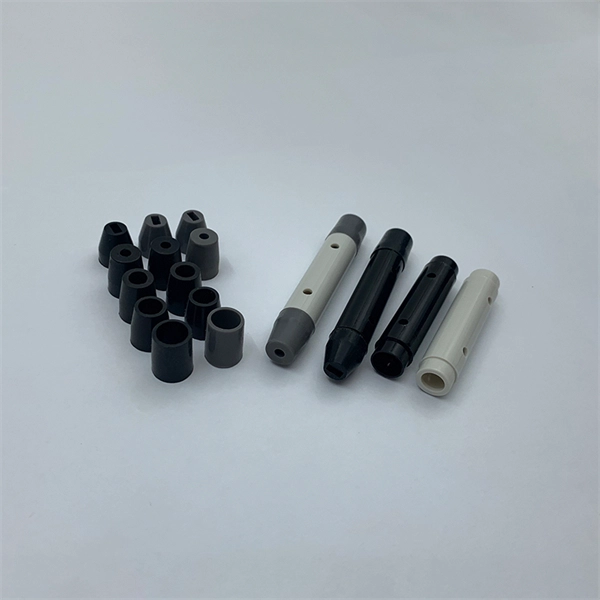
The optical fiber cable clamp is designed and supplied to hold & fix 7mm wire cable and 21mm power. Each unit of plastic hanger has 3 holes, 2 holes for 7mm wire and 1 hole for 21mm power. The metallic pa.
[PDF]
Cost ranges for laying fiber optic cable vary widely based on ground conditions, required trench depth, and whether the project is urban or rural. Typical total project ranges run from about $8,000 on small, simple runs to over $60,000 for longer, heavily regulated deployments. Home and business fiber optics projects typically range from a few hundred to several thousand dollars, depending on run length, fiber type, and labor needs. The main cost drivers are materials, installation time, and environmental factors that affect trenching, conduit, and terminations. Commercial building installations with 100-200 network drops generally range from $15,000 to $30,000. Single-mode fiber costs less per foot than multimode fiber, but it requires more. Here in Ireland, the National Broadband Plan (NBP) rollout continues at pace, with NBI's committed teams laying down the necessary infrastructure to deliver high-speed fibre broadband to over half a million Irish homes, farms, schools and businesses. Though it's an exciting and innovative project. national average over the past 6 months. This national a erage is not uniform across the country. In Dublin there was no new increa e recorded this year, which is positive. The rest of Leinster increased by 1. 5% and levelled off in the first. Fiber optic cables consist of many glass fiber strands, with existing networks typically having been built with 36, 48, 72, 144, and 288 fiber strands in each cable.
[PDF]
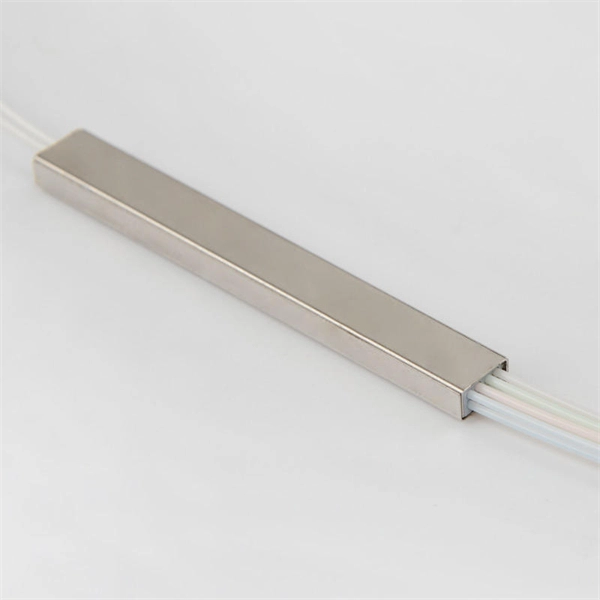
A fiber-optic splitter, also known as a, is based on a of an integrated waveguide power distribution device, similar to a The system uses an optical signal coupled to the branch distribution. The splitter is one of the most important in the link. It is an optical fiber tandem device with many input and output terminals, especially applicable to a passive optical network (,,,.
[PDF]