Fittings used with ADSS cable may be tension type, used at dead-ends where the cable terminates or changes direction, or may be suspension type, only holding the weight of a span with tension transmitted through the next span of cable. Reinforcing rods are used at dead-ends and may sometimes be used on either side of a suspension support. Wind-induced may be a factor on longer spans since ADSS cables have light weight, relatively high tension, and little self-damping. Anti-vibration da.
[PDF]
In this article, we'll break down the key elements that affect ADSS fiber optic cable pricing, compare typical market ranges, and help you understand how to make smart, cost-effective decisions when sourcing for telecom, power grid, or FTTH projects. Or calculate the spread between 2 interest rates, a and b, by using the formula a - b. Use the assigned data series variables (a, b, c, etc. ), parentheses and constants (1, 1. ) to create your own formula (e., 1/a, a-b, (a+b)/2, (a/. Fiber-optic cable materials typically cost $1 to $6 per linear foot, depending on fiber count and cable type. Commercial building installations with 100-200 network drops generally range from $15,000 to $30,000. Single-mode fiber costs less per foot than multimode fiber, but it requires more. This article summarizes the latest fiber optic price data as of March 9, 2026, along with the recent timeline of price changes and the factors behind the surge. Before looking at the price, it is important to explain the source of the price data. Main cost drivers include cable grade (indoor vs outdoor, armoured), distance, and labor for trenching, splicing, and termination. This guide presents ranges in USD and practical price estimates to help. Single Mode Fiber Optic Cable 2 4 8 12 24 Core Armored Outdo. Multi-Mode Fiber Optic Cable For shorter distances and intra-building applications, multi-mode fiber optic cables offer a cost-effective solution, often considered.
[PDF]
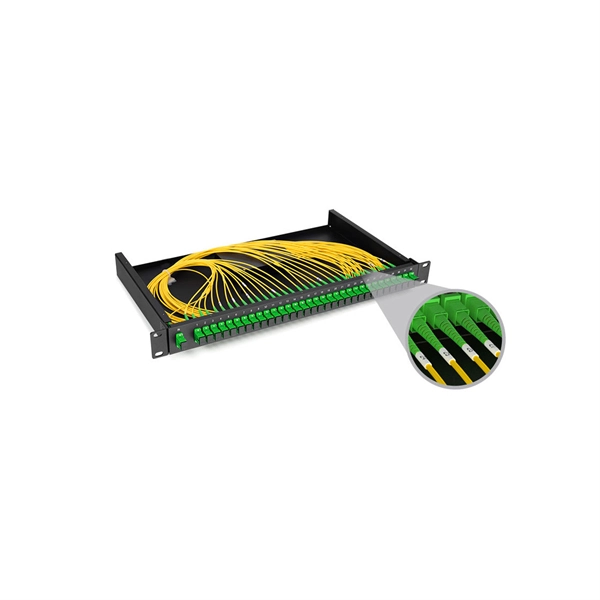
This guide provides clear cost estimates, price ranges, and practical budgeting tips for running fiber optic cable in most U. Assumptions: residential or small commercial run, standard indoor/outdoor fiber, typical dirt/trench conditions, and licensed installation. Buyers typically pay for fiber optic cable by length, fiber type, and installation complexity. Main cost drivers include cable grade (indoor vs outdoor, armoured), distance, and labor for trenching, splicing, and termination. (FOA) was founded in 1995 to help develop the workforce to build the fiber optic networks to support a rapid expansion in communications and the Internet. The main cost drivers are trench depth, fiber count and type (single-mode vs multi-mode), conduit requirements, and local permitting rules. When it comes to installations, there are two main options to consider: pre-terminated fiber optic cables and terminated fiber optic cables. Understanding the difference between these approaches is. When budgeting for fiber runs, buyers typically see a per-meter price range that depends on cable type, installation conditions, and accessories. Our team ensures safe, efficient removal of old, unused, or abandoned cables in full compliance with local building.
[PDF]
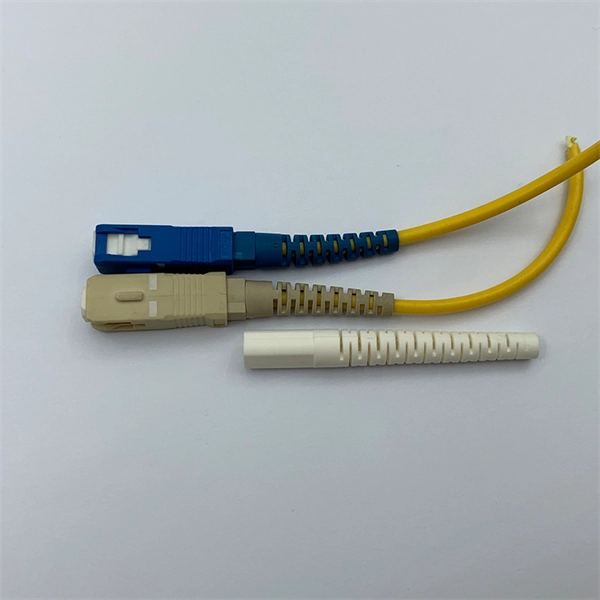
After fiber optic cables are installed, spliced and terminated, they must be tested. Fiber optic testing ensures the performance and reliability of fiber optic networks. As the components like fiber, connectors, splices, LED or laser sources, detectors and receivers are being developed, testing confirms their performance specifications and helps. A structured testing methodology allows engineers and procurement teams to confirm that delivered fiber cables comply with design specifications and international standards. HOLIGHT Fiber Optic applies standardized testing procedures across its passive fiber-optic components to support reliable. Corning Optical Communications manufactures quality flame retardant optical fiber cables for indoor applications, which comply with the requirements of the National Electric Code® (NEC® 2023) published by the National Fire Protection Agency (NFPA). To ensure compliance to these requirements, a. Welcome to NECERO Fiber Optic Cable Factory. In this video, we show the real production line of our fiber optic cables, including material fe.
[PDF]
While a cut or damaged fiber optic cable can temporarily take your network down, it is possible to quickly fix the cable with the right tools. This wikiHow article will teach you how to splice a cut fiber optic cable back together with a fiber optic stripper and cutter and a fiber optic crimper. Fiber optic cable cuts can be alarming, especially with problems like signals being dropped, internet interruptions, or even network failures. However, you don't need to panic! It can still be fixed. If you have the right tools and knowledge, you can definitely find the solution. Whether you have a.
[PDF]
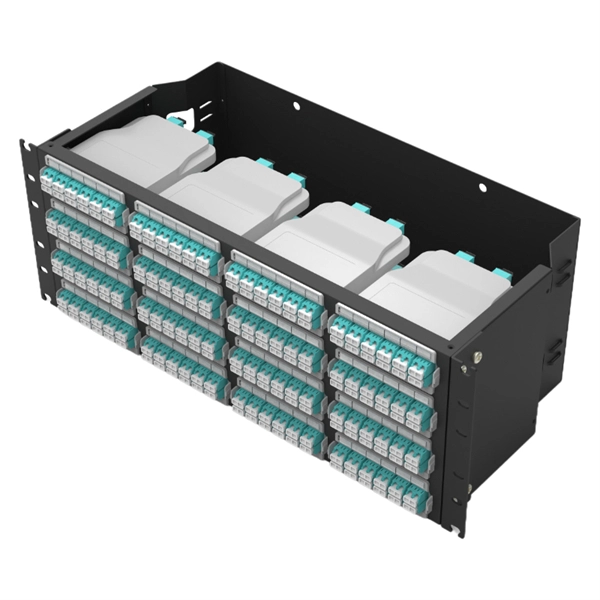
This article will guide you through the process of troubleshooting fiber optic connections, with a focus on ensuring proper TX and RX alignment and how to correctly switch patch cables to resolve issues. Fiber optic networks are celebrated for their speed and reliability, but even the best systems can encounter problems. When issues like signal loss, slow speeds, or intermittent connectivity arise, systematic troubleshooting is key. This guide will walk you through diagnosing and resolving common. Fiber optics is a technology that utilizes thin strands of glass or plastic, called optical fibers, to transmit data in the form of light pulses. These compact devices can encounter issues that affect network performance. Troubleshooting fiber optic transceivers requires a systematic approach to identify and resolve problems effectively. These networks are the backbone of modern data transmission, offering incredible speeds and bandwidth. However, even the most robust systems can. When your fiber optic network stops working, begin with a structured approach. First, check the basics—look for power issues on your optical network terminal and inspect all cables for visible damage. Many fiber internet problems come from dirty connectors or loose plugs, not major faults. Power. Encountering peculiar issues is inevitable when utilizing a Fiber Optic Transceiver. This article will help you troubleshoot a fiber optic module.
[PDF]
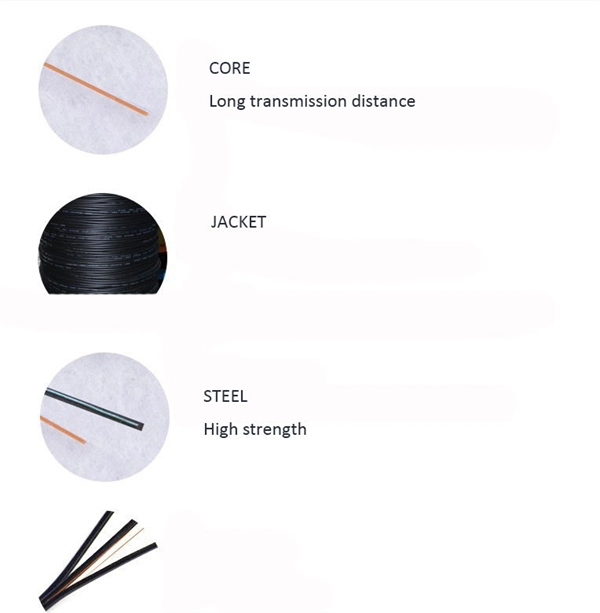
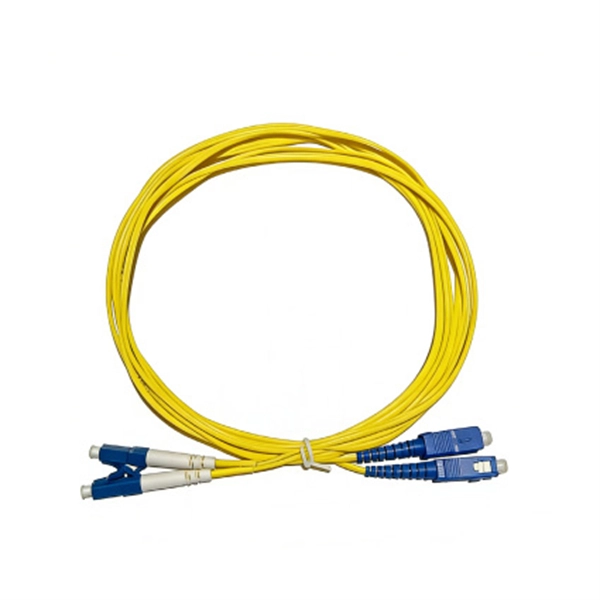
A2: According to EIA/TIA-598, the fiber optic cable color code defines the jacket color codes for different fiber types (SMF or MMF). Fiber optic color codes provide the essential identification framework that enables fiber technicians and network professionals to manage complex optical network installations efficiently. This standardized fiber optic color coding system helps prevent costly connection errors while dramatically. Understanding fiber‑optic color codes is essential for any technician tasked with installing, maintaining, or troubleshooting modern fiber networks. By adopting the TIA/EIA‑598C standard, you gain a universal “language” of colors that speeds identification, reduces miswiring, and enhances safety. The TIA-598-D standard defines a standardized color-coding system that engineers and technicians rely on to identify different types of fiber optic cables, connectors, and individual fibers. Designed for durability and reliability, the sleeves are constructed with an inner EVA meltable adhesive tube, and a polyolefin heat shrink outer tube. The strength member within the sleeve is made of. Color codes are used in fiber optics to identify fibers, cables and connectors. This coding system is the EIA/TIA-598 standard developed by the Electronic Industries Alliance (EIA) and the Telecommunications Industry.
[PDF]
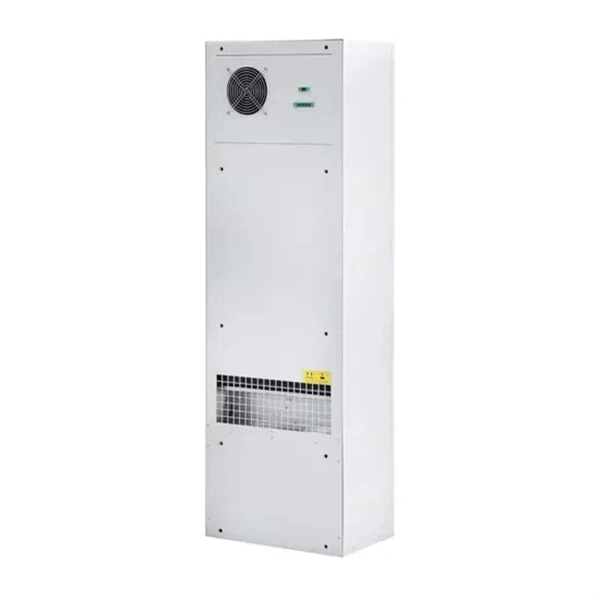
This white paper provides a comprehensive analysis of the fiber broadband supply chain in 2024, 2025 and beyond. The Submarine Cable Map is a free and regularly updated resource from TeleGeography. Huijue Net integrates prefabricated buildings and intelligent modular data center technologies. We explore the changes that have shaped the industry since our last report, focusing on ways to accelerate private builds and the ripple effects of federal funding initiatives such as. Sign up for our newsletter to receive specials and up to date product news and releases. We offer fiber optic materials from Test Equipment, Bulk Cable and Fusion Splicers to Tools, Patch Cables and Consumables. As you work in the telecommunications field, you face complex challenges from rapid network growth and increasing data demands. Traditional methods can slow down your operations and increase the. Established in 2001, Shanghai Huijue Network Communication Equipment Co., Ltd (HJ Network for short) is the leading manufacturer and solution provider for telecom and communication products. The headquarter of HJ Network including the R&D center, technical center, prototype dept and sales is.
[PDF]
The cost to install fiber optic cable ranges from $1. 50 to $42 per foot, with installation costs accounting for 60-80% of total project expenses. According to the Fiber Broadband Association's 2025 report, median costs are $8 per foot for aerial builds and $18 per foot for. Fiber optic cable installation costs between $1,500 and $7,000 for your home, with prices varying by cable length and installation method. The installation type you choose and the layout of your property determine the total labor and materials needed for your project. You should account for permit. Buying fiber optic installation services involves several cost components, with total price influenced by length, location, and access. This guide presents typical price ranges in USD to. Understanding the costs of fiber optic cable is a top concern for businesses planning network infrastructure upgrades. Whether you're expanding your data center, connecting multiple buildings, or future-proofing your connectivity, accurate pricing information helps you budget effectively. This guide breaks down everything you need to know before starting your fiber installation project.
[PDF]
Interactive anomalies of pipelines represent important contributors to pipeline incidents, but monitoring interactive anomalies is challenging. This paper presents an approach to monitor interactive bend.
[PDF]
This video makes connecting your fiber optic cable to your router a breeze! We'll guide you through the entire process step-by-step, ensuring a smooth and hassle-free experience. Our Experts are helping user's, who are facing issues with their tech gadgets like. In this guide, we'll walk you through how to connect a fiber optic cable to a router safely and efficiently. Why Use Fiber Optic Internet? Before diving into the setup, let's quickly recap why fiber optics are worth the effort: Lightning-fast speeds (up to 1 Gbps or higher). This comprehensive guide combines industry standards with field-tested practices to ensure you achieve a rock-solid. Setting up a fiber internet connection requires understanding key hardware components and following a specific connection sequence to establish your home network. This guide details the necessary physical and digital steps to connect your fiber line and activate your internet service. If you. Connecting a fiber optic cable to a router might seem daunting at first, but with the right tools and a bit of patience, it's a straightforward process. Here's a step-by-step guide to help you through it. Check compatibility: Before you begin, make sure your router supports fiber optic connection. Not all routers can connect directly to a fiber cable, so it is important to verify this information before continuing.
[PDF]
This video makes connecting your fiber optic cable to your router a breeze! We'll guide you through the entire process step-by-step, ensuring a smooth and hassle-free experience. Our Experts are helping user's, who are facing issues with their tech gadgets like Router . In this guide, we'll walk you through how to connect a fiber optic cable to a router safely and efficiently. Why Use Fiber Optic Internet? Before diving into the setup, let's quickly recap why fiber optics are worth the effort: Lightning-fast speeds (up to 1 Gbps or higher). If you. The fiber optic cable does not plug directly into a standard home router because the signal type must be translated. The fiber line terminates at the Optical Network Terminal (ONT), which is typically supplied and installed by the internet service provider. This comprehensive guide combines industry standards with field-tested practices to ensure you achieve a rock-solid. Turn on the router; 2. Plug one end of the network cable into either of the router's ports and the other end into the Internet wall socket or the LAN port of an optical modem or ADSL modem. Does it help? Copyright © 2010 - 2026 Xiaomi. Check compatibility: Before you begin, make sure your router supports fiber optic connection. Not all routers can connect directly to a fiber cable, so it is important to verify this information before continuing.
[PDF]
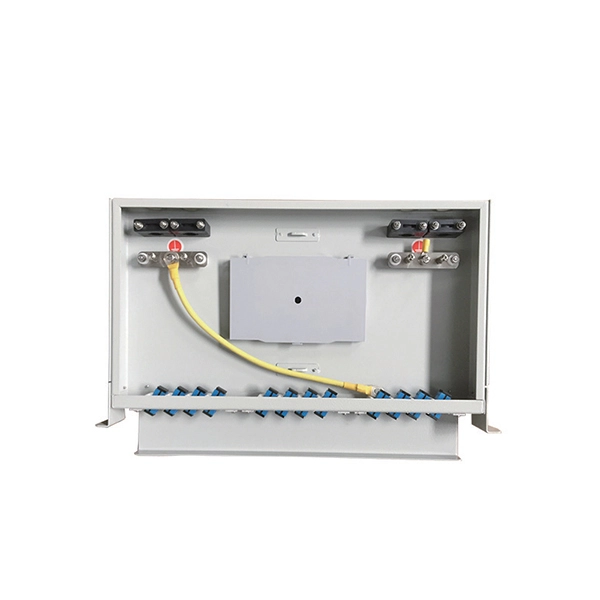
Gray; Suitable for 1 piece of 1 × 16 (or two pieces of 1 × 8) blockless type PLC splitters; With the adaptor panel for max. 16 pieces of SC or duplex LC (SC type); Adaptors and PLC splitter NOT included; 1 midspan port and 16 drop cable ports; Dimensions (mm): 306 (L) ×253 (W)×92 (H); Wall mounting. Check each product page for other buying options. Need help?. How can we improve? Choose from our selection of junction boxes, including over 2,800 products in a wide range of styles and sizes. Same and Next Day Delivery. © 2024 E-Talk Maldives. Underground vaults or enclosures are used in all fiber optic networks that use GPON networks for FTTH or Fiber To The Home Deployments that are private or federal funded. Orders. What Is a Fiber Distribution Box (FDB)? A fiber distribution box (FDB) is a passive enclosure that provides secure splicing, termination, and distribution of optical fibers. It typically contains splice trays, adapters, and cable routing components to manage fiber connections. FDBs are used to.
[PDF]
Search results of Top 2 Cabling and Fibre Optics Companies in Papua New Guinea, near me. Listings are verified with accurate business information. Our Engineering Services team provides expert design and planning for high voltage and low voltage transmission lines, as well as distribution line systems. We specialize in optimizing the layout and ensuring the reliability of power transmission through advanced engineering techniques. We also. Cetelnet is proud to be a trusted fiber optic supplier Papua New Guinea, offering high-quality materials, expert consultation, and end-to-end infrastructure support to telecom operators, government agencies, and private enterprises. East Coast NetLink provides fiber optics connectivity solutions for businesses and organizations in Papua New Guinea. We offer high-speed, reliable and secure internet access, data transmission and cloud services through our extensive network of fiber optic cables and equipment. Our fiber optics.. Started back in 1983, Cable House is a recognized name engaged in manufacturing and supplying wide range including Hose Clamps, Cable Ties, Crimping Tools, Cable Tray, Industrial Connectors and more, to the national as well as the international market.
[PDF]
Handan Jinmai Fastener Manufacturing Co. specializes in the production of power fittings and optical cable accessories, offering a full range of customized fiber optic clamps, including suspension clamps, clamps, and anti-vibration whips. Jera Line stands out as a prominent global manufacturer specializing in FTTH self-supporting cables and clamps. With a strong commitment to innovation and quality, the company has established itself as a trusted provider in the optical communication industry. Jera Line's core expertise lies in. Cable clamps for coaxial, fiber optic and power cables. FIMO cable clamps are suitable for a quick, safe and secure installation on any kind of support. All our products are tested for strength, corrosion, and endurance, making each clamp immune to environmental conditions and. ADSS Anchor Tension Clamps are hardware fittings used to securely terminate and anchor ADSS fiber optic cables on poles or towers without damaging the cable. ADSS Suspension Clamps are used to support ADSS fiber optic cables on poles by allowing safe hanging with controlled grip and minimal stress. Fiber optic clamps are core hardware used to secure and protect overhead optical cables (such as ADSS and OPGW cables), ensuring stable operation in complex environments. Volda supplies a broad spectrum of fiber cable clamps, for example: 4-7mm, 6-9mm, 4.
[PDF]