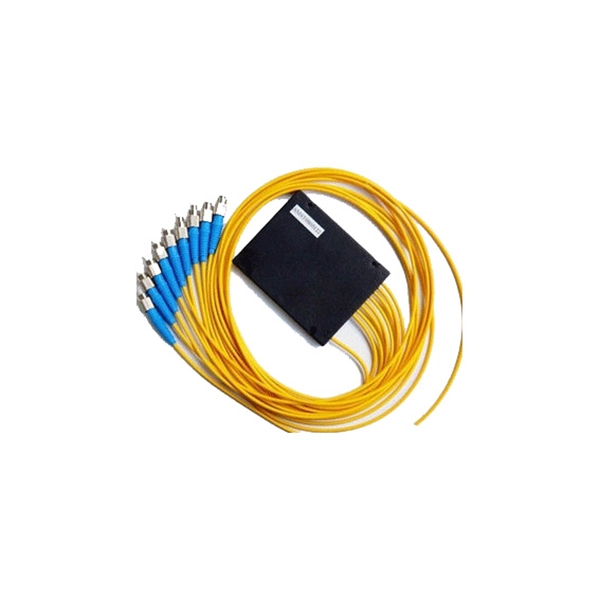
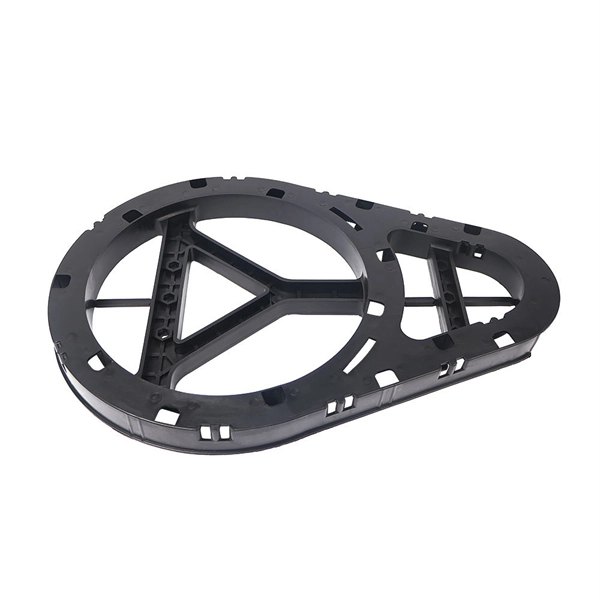
During installation under tension, maintain a minimum bend radius of 20 times the cable's outer diameter, while post-installation requires a minimum long-term bend radius of 10 times the cable diameter. Following these cable specifications prevents optical signal loss, attenuation, and physical. Fiber optic cable bend radius is a critical mechanical parameter that determines how sharply a cable can be bent without risking microbending, macrobending, signal loss, or long-term structural fatigue. Proper bend radius control ensures the integrity of optical performance and protects the glass. All fiber optic cables have specifications that must not be exceeded during installation to prevent irreparable damage to the cable. This includes pulling tension, minimum bend radius or diameter and crush loads. Installers must understand these specifications and know how to install cables without. This article provides a practical, installation-focused guide to fiber bend radius, including definitions, standards, common mistakes, and best practices. What Is Fiber Optic Bend Radius? The fiber optic bend radius refers to the smallest radius a fiber cable can be bent without causing. The correct bend radius calculation is a fundamental prerequisite for high-quality fiber optic installations and is decisive for long-term network performance and reliability. Use bend-insensitive fiber optic cables in tight spaces to reduce signal loss and allow sharper bends, but still follow.
[PDF]
In this guide, we will explore the significance of connecting PVC conduit to electrical boxes and provide you with a step-by-step process to accomplish this task effectively. Whether you're dealing with rigid metal conduit (RMC), PVC, or flexible conduit that's already in place, it can be removed or replaced, but there's no magic wand. You'll need to consider the type of conduit, the installation method, and. Electrical conduit fittings form the outer covering for most electrical wiring from one point to the next. They shield the wires from the external environment so as to make the wire last longer and also to keep humans and pets safe from electric shocks or other such vulnerabilities. The breaker box, or service panel, serves as the central distribution point, housing the circuit breakers that protect individual circuits from overcurrent conditions. Connecting made easy: How to effortlessly connect PVC conduit to electrical boxes! Installing electrical systems just got simpler with Ledes' seamless conduit connections! 💡. Firstly, it. Why Publish? How to Repair and Remove Conduit for Electric Wires: Let me teach you how to easily repair and remove conduit for electric wires. For the full guide and more tips read the post in 123 Do It Yourself blog: com/2014/01/22/22/.
[PDF]
This list was initially developed as part of AfTerFibre, a project to map terrestrial fibre optic cable projects in Africa. The project was sponsored by and, on completion, will be hosted by the UbuntuNet Alliance. All information gathered by the project will be publicly available under an open license.
[PDF]
Interactive anomalies of pipelines represent important contributors to pipeline incidents, but monitoring interactive anomalies is challenging. This paper presents an approach to monitor interactive bend.
[PDF]
Keep fiber optic signals clear with conduit that's flexible enough to weave through tight spaces and strong enough to resist compressing and overbending. The stainless steel core won't rust, and the protective cover seals liquid out. A conduit is a protective tube or channel that houses the fiber optic cables, shielding them from moisture, dust, physical stress, and other environmental factors. It also facilitates cable management and ease of maintenance. With these assemblies we mention in this article, the widest point of. HazGuard ® - Class 1 Division 2 rigid nonmetallic fiberglass conduit system products were originally engineered to protect fiber optic cables. Ballistically tested under laboratory conditions, this system is proven to resist damage from small caliber, low velocity projectiles. Today, utilities. Which Is the Best Fiber Optic Cable Conduit Material for Your Application? HDPE conduit is often Allwire's recommended solution for reliable fiber optic protection, especially in underground and buried cable applications. We find it suitable for a wide range of projects due to HDPE's combination of. We Offer a Full Range of Conduit Systems and Accessories and All Customizable to Meet Your Projects Needs Opti-Com® is a sophisticated multi-duct conduit system for fiber optic cables. OMNI® is the name to remember when cable placement involves bridge crossings.
[PDF]