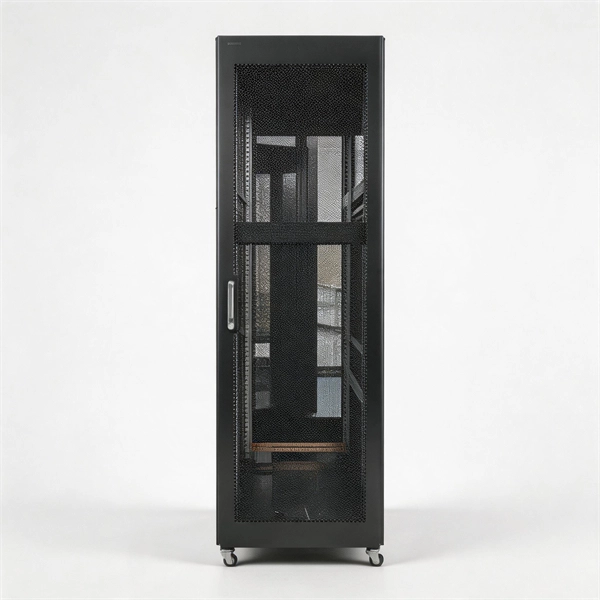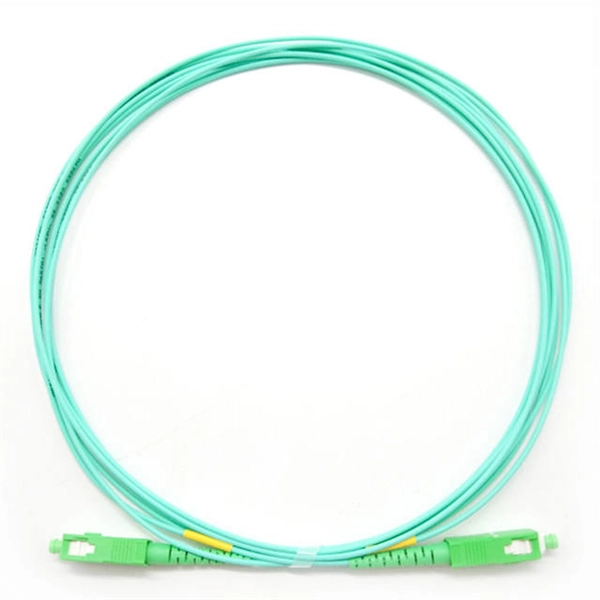
These 10 simple steps will enable you to configure your network or communication site Rack Power System (RPS) by defining your system parameters and distributor preference. 1) Rack width? 19” or 23” 2) Input voltage? 115 or 230 VAC 3) Output voltage? 12, 24, or 48 VDC. Each rack must safely deliver stable electrical power to dozens of servers, switches, and storage devices while maintaining reliability, airflow efficiency, and electrical safety. Modern infrastructures typically rely on rack-level Power Distribution Units (PDUs), industrial CEE connectors, and. Ensuring reliable power redundant scheme is a critical aspect of running a successful server rack. This blog offers a comprehensive overview of best practices and practical tips to ensure efficient power distribution in your server rack. Whether you're an IT manager, Datacenter Operator, or simply. Installing server rack power distribution is a crucial step in setting up a reliable and efficient data center or server room. As with any installation, it is important to map out and plan the power connections to ensure that there are enough connections and the right level of. Power capping is not supported for rack servers. The power policy is a global policy that specifies the redundancy for power supplies in all chassis in the Cisco UCS instance. This policy is also known as the PSU policy. For more information about power supply redundancy, see Cisco UCS 5108 Server.
[PDF]
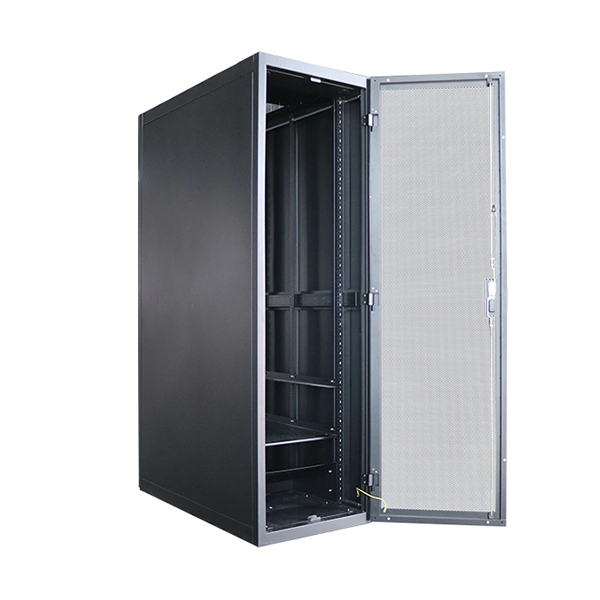
A server rack is a standardized metal enclosure designed to mount IT equipment—servers, switches, routers, PDUs, UPS systems, storage devices, patch panels, and cable managers—using vertical rails spaced according to the EIA-310 19-inch standard. What is a Server Rack? A server rack is specially designed to store various networking devices, which can effectively organize, manage, and protect network equipment including servers, network switches, routers, UPS, storage devices, etc., ensuring the stable and reliable operation of equipment. There are three primary rack types - open-frame racks, enclosed cabinets, and wall-mount racks, each suited for. The server rack is designed to house, organize and secure servers, networking equipment and other IT hardware. It provides efficient cable management, air flow and physical protection for sensitive electronic devices. Learn more about how airflow affects server performance in our detailed guide on how airflow works inside a. Hot and cold air containment systems designed to maximize cooling predictability, capacity, and efficiency at the rack, row or room level. Intelligent air containment solutions that protect critical IT equipment and personnel. Server racks come in a variety of sizes and configurations, ranging from small desktop units to large floor-standing.
[PDF]
Q: Is a network rack worth it for a home network? A: Absolutely. If you have more than just a modem and router—think a switch, NAS, patch panel, or UPS—a small wall-mount rack organizes and protects your investment, ensuring reliability. A networking rack, often referred to as an equipment rack, stands as a foundational component in the realm of network infrastructure. Crafted from durable metal, its primary role is to securely house and systematically organize a variety of networking devices. This setup is designed for. At some point, the question becomes practical rather than technical: do you actually need a server rack at home? The answer is not automatically yes. But it is also not limited to enterprise IT environments. The racks are typically made of steel or aluminum for durability and strength and are designed to be. While server racks are engineered to support mission-critical, heat-intensive computing environments, network racks prioritize cable routing, switch management, and patch panel accessibility. Learn more about how airflow affects server performance in our detailed guide on how airflow works inside a. If you're new to networking or wondering whether you need a network cabinet, this beginner's guide will help you understand what they are, how they work, and why they are more important than ever in 2025. These racks enable efficient space utilization, proper ventilation, and organized cable management—critical for maintaining reliable.
[PDF]
In this guide, we'll explore top network rack options like the TECMOJO 12U Open Frame Network Rack and the ECHOGEAR 10U Network Rack. We will also cover features to consider, such as size, mounting style, and additional accessories. The 42U AV rack mount comes with thermostat, LCD screen, cooling fans, dust-tight cable entries, powerbar, casters, shelf, and fully locking cabinet doors and side panels. Ubuy works hard to protect your security and privacy. Our advanced payment security system ensures confidentiality by. Rack para servidor My Connection 8u. ULTIMOS! New and used Network Server Racks for sale in Montevideo, Uruguay on Facebook Marketplace. Find great deals and sell your items for free. A network rack is essential for organizing and securing your IT and AV equipment. Whether you need a wall-mounted or floor-standing rack, the right choice can make a big difference in your setup.
[PDF]
A typical full-size rack is 42U, which means it holds just over 6 feet (180 cm) of equipment, and a typical "half-height" rack is 18U–22U, which is around 3 feet (91 cm) high. The mounting-hole distance (as shown to the right) differs for 19-inch racks and 23-inch racks: 19-inch racks use uneven spacings (as shown to the right) while 23-inch.
[PDF]
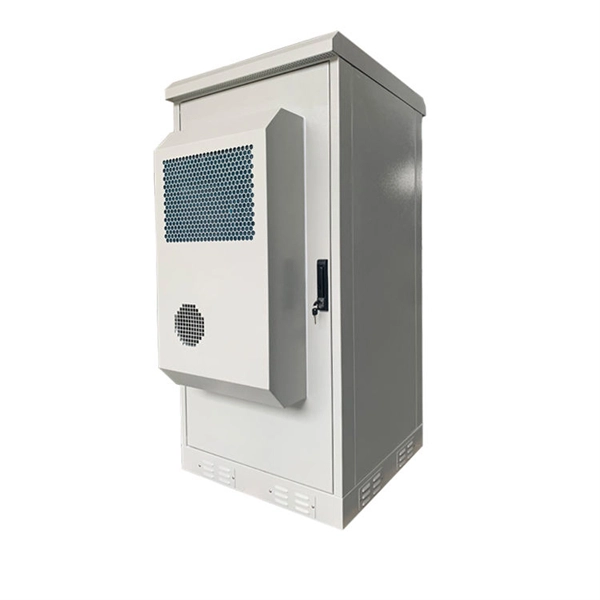
Standard rack installation: $500 to $2,000 per rack. Equipment Costs. The costs associated with rack and stack solutions can vary significantly depending on several factors. These include the size of the installation, the complexity of the equipment, labor costs, and infrastructure requirements. Size of the Data Center The scale of the data center plays a large. Check each product page for other buying options. VEVOR 9U Wall Mount Network Server Cabinet, 15. 5" Deep, Server Rack Cabinet Enclosure, 200 lbs Max. Ground-Mounted Load Capacity, with Locking Glass Door Side Panels, for IT Equipment, A/V Devices Need help?. 9U Wall Mount Network Server Cabinet, 15. Did You Find It?. The 9U rack is an ideal choice for smaller setups, that provides enough space for easy access and airflow. 9U 18" Depth Wall Mount 19" Enclosure SR. Transit within 4-6 business days 19" Wall Mount Server Rack Cabinet 9U (24"w x18"d x20"h) (. Transit. This SmartRack® 9U rack enclosure is designed for home and office network wiring closets, retail locations, classrooms, back offices and other areas with limited floor space where you need equipment to be secure, organized and out of the way. Constructed from heavy-duty steel with a durable black. Learn why IT Pros trust StarTech. com for performance connectivity accessories.
[PDF]
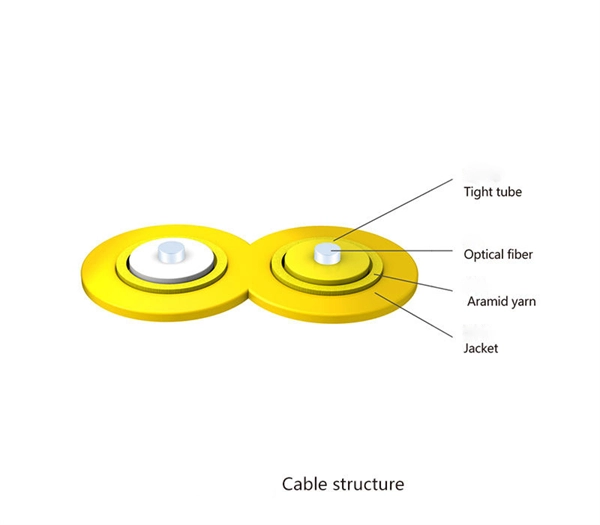
In the ring distribution network, differential relays, which rely on communication between the protection relays, are used for the underground cable protection. To guarantee cable protection when communication is failed, an auxiliary protection by using directional overcurrent. The use of ring circuits in 6 – 35 kV distributed electrical networks can improve the reliability of power supply. An increase in the load power and the share of distributed generation and renewable energy sources causes the redistribution of the power flow during the operation of an electrical. The selected protection principle affects the operating speed of the protection, which has a significant im-pact on the harm caused by short circuits. The faster the protection operates, the smaller the resulting ha-zards, damage and the thermal stress will be. Further, the duration of the voltage. ABSTRACT: Over current protection is the simplest form of power system protection of distribution line. In. The purpose of this study is to investigate the coordination of overcurrent relay in different types of the distribution network, which are radial, ring, and interconnected distribution system during line to ground fault occurrence at the bus. Usually, this refers to medium-voltage networks, since they are protected by numerical relay devices, as opposed to low-voltage networks, where utility operators allocate.
[PDF]

This guide aims to provide a comprehensive overview of the entire process of designing and installing network cabling systems. We will walk you through each step—from understanding the basics and selecting the right components to planning, installation, and maintenance. An in wall network cabinet is a special type of enclosure that fits inside your wall. Unlike traditional floor-standing racks, these cabinets are recessed, which means they don't take up valuable floor space. They're designed to hold important networking equipment such as switches, patch panels. A cabinet or rack must belong to one of the following types: Standard 19-in. four-post EIA cabinet or rack, with mounting posts that conform to English universal hole spacing per section 1 of ANSI/EIA-310-D-1992. See Reference Perforated Cabinet. The aim is a secure, maintainable and scalable operation of the network environment. Step-by-step guide: In this way, patch panels, switches, cable routing and documentation are. Selecting the right network rack and cabinet types is crucial for accommodating your equipment and ensuring efficient airflow. For more information, see Requirements Specific to Perforated. Server racks, from a strict technical point of view, are designed to house computers that are dedicated to serving out data and the associated uninterruptible power supplies (UPS) to keep them running in the event of power failure. Often server racks are deep and are 23” wide, although 19” wide.
[PDF]
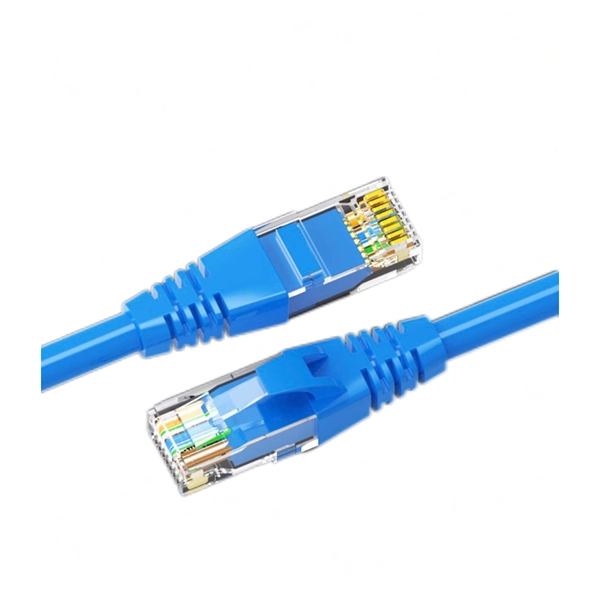
The VIAVI ONMSi Remote Fiber Test and Monitoring System provides fiber network visibility that scales for both PON and point-to-point networks. ONMSi provides network visibility across the network core, metro, and access PON up to the premises of your residential, business or wireless. Cable tray is a raceway system designed to protect and route fiber optic patch cords, multi-fiber cable assemblies and intrafacility fiber cable to and from fiber splice enclosures, fiber distribution frames and fiber optic terminal devices AZE offers a variety of styles, materials and finishes. Our Fiber Cable Tray System is a comprehensive raceway solution for data center, enterprise, central office, and mobile switching center applications. Designed to route and protect fiber optic and high-performance copper cabling to and from network cabinets, distribution frames, and other terminal. From fiber raceways for protecting sensitive fiber optic cables to wire mesh cable trays for quick, versatile installations. Available in various sizes with complete accessories. Need Help with a Product You Own? Decide on the placement of racks and other equipment requiring power or data. Plan how data and power cables will be.
[PDF]
Check OPTICAL NETWORK UNIT price from the latest Cisco price list 2022. The ONU (Optical Network Unit) price represents a crucial consideration in modern telecommunications infrastructure. This essential component serves as the endpoint device in fiber optic networks, converting optical signals into electrical signals for end-user consumption. The pricing structure. Discover our selection of GPON, EPON, and XG (S)PON ONT/ONU devices. Choose from reliable Optical Network Terminals for seamless connectivity and efficient network solutions. 4G/5G WiFi, ideal for FTTH networks. Here, we delve into the crucial aspects of deploying a fiber network and provide detailed information on the costs involved. Infrastructure Costs: – Fiber Cable: The primary component of a fiber. IndoorRGWONTw/2xPOTSFXS,4xFE/GE,2xUSB,WiFi REMANUFACTURED. ME4600 ONT RGW AC/DC Power Supply - NA REMANUFACTURED.
[PDF]
A fiber to Ethernet converter, often called a media converter, is a networking device that converts light signals from fiber optic cables into electrical signals used by Ethernet cables. This allows you to connect devices that use different types of cabling, such as a computer. An ONT, or Optical Network Terminal, is a device that converts fiber optic signals from your Internet provider into Ethernet signals that your devices can use. It's a key part of any Fiber to the Home (FTTH) setup. If your home uses cable Internet instead of fiber, you don't need an ONT. You'll use. For networking scenarios where the standard 100-meter reach of copper Ethernet cables (UTP or STP) is insufficient, Ethernet media converters for extended distance connectivity present a professional solution to extend connectivity. Connection Relationship: Step 1: Access outdoor fiber optic cables into fiber terminal box for the purpose of splicing the optical fiber cable and fiber optic.
[PDF]
For each laptop, PC, or game console in the setup, you shall connect both their video out and USB port to the KVM switch. For each system, the ports are grouped and numbered. Put each cable in the rig.
[PDF]
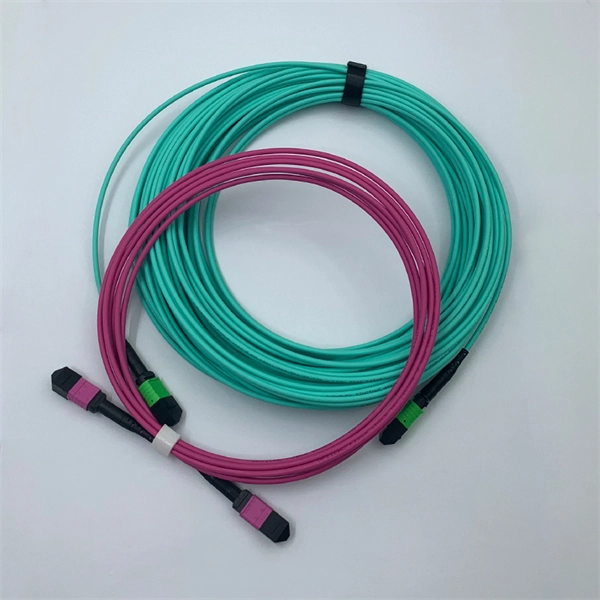
Explore active Network Cabinets buyers in Myanmar looking for reliable suppliers. Get direct trade leads from importers, buyers, and distributors on Tradewheel. Do you need to buy server cabinets or network cables on Saturday night? or on Sunday? No problem. Just buy from Paramount's website. Click and Collect it at your convenience time Check the video. Paramount MM has passed and complied with ISO 9001:2015 (Quality Management System) procedures. If you find better pricing, share the screenshot or URL. We will match the price and even give you an additional discount. We guarantee 100% after-sale service, and all of our products come with a full. No. 929, Thitsar Road, Ward 7, South Okkalapa Township, Yangon, Myanmar 11091. © 2017-2026 Myanmar Development Engineering Group Co. Web Design by Netscriper. Alantek Server Rack, MDEG Co. founded by senior engineers who have at least 17 years of in service. Digital home networks | Home networks cabinets | !. Want to sell Network Cabinets or other products to global buyers? Post Your Products Now! for Free. Merry Mesh Network Integration Company Limited was founded in 2007 with the aim to secure projects in Myanmar as well as to provide user-friendly turnkey solutions for our customers. We provide design, installation, servicing and maintaining the equipments according to our customers' requirements.
[PDF]
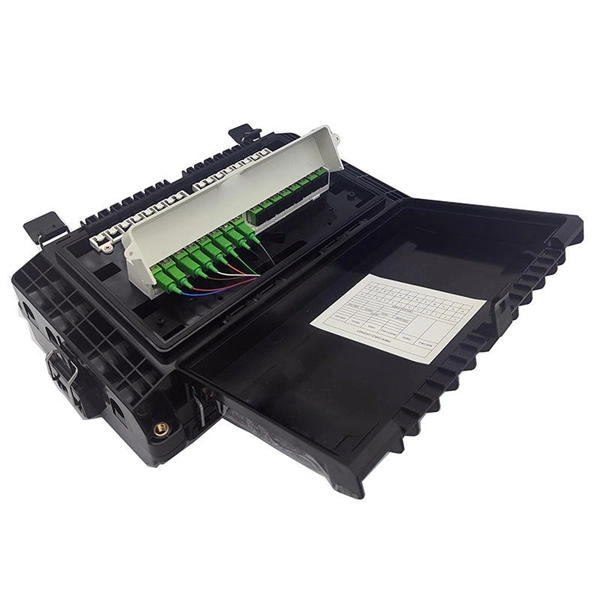
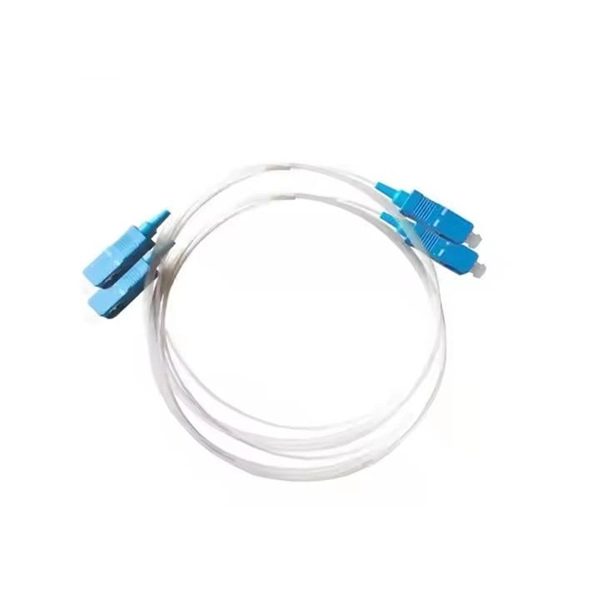
Fiber optic patch cables work based on the principle of total internal reflection. The core of the fiber acts as a waveguide, allowing light to travel through it by bouncing off the cladding. The light signals are transmitted through the core in the form of pulses, representing. The functioning of a fiber optic patch cord relies on its construction. It consists of a core with a high refractive index, enveloped by a coating featuring a lower refractive index. This assembly is fortified using aramid yarns and encased within a protective jacket. The core's transparency. Optical Fiber Patch Cords are designed to connect various optical devices and network components, facilitating high-speed data transfer across significant distances without degradation. They are an essential component of modern networking systems, enabling high-speed and reliable data transfer. They act as the critical link for interconnecting devices like optical switches, servers, and distribution frames. A bulk (multi-strand) fiber cable enters the patch panel and then each fiber strand is separated into individual strands or pairs of strands. This design allows the light to travel.
[PDF]
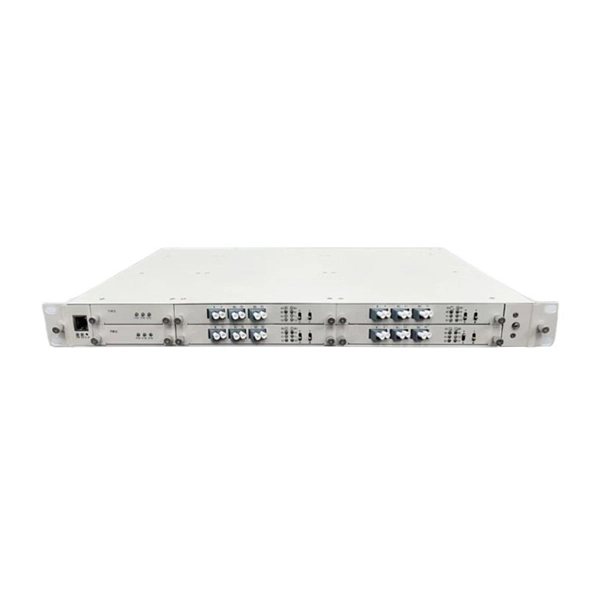
Insert a compatible SFP transceiver into the converter's port, making sure it matches the network's media type and speed. Then, connect one end of the fiber cable to the transceiver and the other to the appropriate port on a switch, router, or another media converter. Fiber media converters translate copper's electrical signals into fiber's optical signals, and back again. This allows networks to extend beyond the 100 m copper limit while gaining higher bandwidth and resistance to electromagnetic interference. In the illustrated setup, each LAN links to a. A fiber media converter is a networking device that allows you to convert a signal from one medium to another. This allows you to connect devices that use different types of cabling, such as a computer. While fiber optic ports are becoming increasingly common on networked electronics, the majority of connected devices still rely on RJ45 twisted pair connections. To help bridge the copper-fiber divide, media converters and transceiver modules (also known as SFPs or mini-GBICs) are often required. Use Fiber Media Converter in Your Network Media converters today are widely deployed in all. It is a device used to convert fiber optic cables to Ethernet cables to provide better connectivity. It is necessary to convert fiber optic signals to Ethernet signals because many network devices can only communicate with Ethernet signals. Fiber optic cables are known for the unmatched speed.
[PDF]