Attenuation in fiber optics is the gradual loss of light signal strength as it travels through a fiber cable. It's measured in decibels per kilometer (dB/km), and it determines how far a signal can travel before it becomes too weak to read. A standard single-mode fiber operating at 1550 nm loses. Optical Signal Attenuation is the single greatest factor limiting the distance and performance of your network. Understanding it is crucial for anyone involved in data centers, telecommunications, or enterprise networking. This guide will demystify signal loss, explore its causes, and show you how. As the distance light travels through an optical fiber increases, the light's strength decreases; this phenomenon is known as “fiber attenuation. ” It is also known as fiber loss or signal loss. This is a rather advanced discussion concerning the field of optical fiber. Optical fiber is our first. The attenuation is a telecommunication word which refers to reduction within signal strength. This can occur while transmitting signals over lengthy distances. It can be calculated in dB (decibels) in terms of voltage. In this blog, we'll explore what attenuation is, what. Optical fiber technology enables rapid data transmission over vast distances by guiding light signals through thin strands of glass.
[PDF]
Fiber optic cables are perfect for long-distance applications. They can carry information over very long distances with very little signal loss. Additionally, fiber optic cables are not affected by electromagnetic i.
[PDF]
Recommendation ITU-T G. 654 describes the geometrical, mechanical and transmission attributes of a single-mode optical fibre and cable which has the zero-dispersion wavelength around 1300 nm wavelength, and which is loss-minimized and cut-off wavelength shifted at around the 1550 nm. Recommendation ITU-T G. 649 Optical fibre cables G. 659 Characteristics of optical components and subsystems Characteristics of optical systems G. 679. In recent years, a new type of G. E optical fibre has started to be used in some long-distance trunk lines, and has achieved better results. 654 fibre In the mid-1980s, in. As a leading fiber optic manufacturer with 21 years of experience, GL FIBER specializes in producing high-performance G. C, for long-haul and high-speed networks. Below, we explain the technical differences between these two fiber types to help you choose the. uous requirements for higher capacity optical transmission systems. To support these high capacity systems in terrestrial backbone networks, low attenuation and large core area fibers compliant with Recommendation ITU-T G 654. E were introduced and have been extensively deployed worldwide. For this protective layer, Sumitomo Electric utilizes a dual-layer acrylate coating structure. The precisely controlled coating diameters and the exceptional.
[PDF]
This article provides a comprehensive exploration of the technology, including its advantages, working principles, application range, and system parameters. Distributed Temperature Sensing (DTS) systems provide temperature information for accurate thermal monitoring, fire detection, and condition assessment by utilizing standard fiber optic cables. These fiber optic systems precisely measure the temperature profile of an asset by interpreting the. Fiber sensing technology has emerged as a game-changer in this domain, offering unparalleled capabilities for real-time monitoring and early detection of potential issues. It's become so useful that in many cases it has become mandatory to include fiber-sensing-based monitoring for new pipelines. A fiber optic temperature sensor is a temperature measurement device that uses optical fibers as the sensing medium. Unlike traditional electrical temperature sensors (e., thermocouples, RTDs), fiber optic sensors offer significant advantages such as immunity to electromagnetic interference. As the name suggests these sensors employs fiber optics technology to function. Advances in optoelectronics and associated signal processing have enabled the development of optical fibre distributed sensors with maximum ranges of several tens of kilometres. The DTS system's ability to offer continuous temperature measurements over tens of kilometers with high spatial and temperature resolution has.
[PDF]
This compact figure 8 fiber optic cable is not only lightweight and flexible but also streamlines the installation process. The integrated steel wire messenger design significantly reduces installation costs and time, negating the need for additi. This compact figure 8 fiber optic cable is not only lightweight and flexible but also streamlines the installation process. The integrated steel wire messenger design significantly reduces installation costs and time, negating the need for additional support structures. Ideal for FTTH (Fiber to the Home) networks, this cable simplifies the roll-out. 1. Versatile Single Mode Core Options: 1. Equipped with G.657A1 and A2 fibers, optimized for bending performance and deployment in challenging pathways. 2. Includes the standard G.652D fiber, ensuring compatibility with a broad range of existing infrastructure. 2. Multimode Fiber Core Variants: 1. Offers OM1, OM2, OM3, and OM4 multimode fibers, cat. Choosing Figure 8 fiber optic cable means investing in a solution that offers: 1. Cost savings on installation and maintenance. 2. Exceptional performance with high tensile strength. 3. Adaptability for single-mode and multimode applications. 4. A design that withstands harsh environmental conditions. Whether you are expanding an existing network o.
[PDF]
Fiber optic cable length measurement depends on the context and desired precision. Several methods exist, ranging from simple approximations to highly accurate techniques used in manufacturing and installation. Visual Optical Length Tester (VOLT): This device employs a "round-robin" method. Despite the intense need for precise calibration of optical fibers, the process traditionally requires making significant sacrifices in cost or precision. To combat this issue. Fiberlink 6658 Optical Length Tester offers a unique, low-cost alternative for users who need to measure the length of optical fibers. Fiber installations are. The document discusses various methods for measuring optical fiber length, including Optical Time Domain Reflectometry (OTDR) and Fresnel reflection techniques. It details the components of OTDR, the principle of backscatter measurements, and various fiber preparation and measurement techniques. Rather than purchase certification. The OTDR measures the time it takes for the light to return, which helps determine the fibre length and the loss over its span. Set the proper test parameters: Choose the.
[PDF]
For such cables, we recommend using at least a 1. 5-inch conduit, and sometimes a 2-inch conduit may be necessary. It's important to consider not only the rigidity of the jacket but also the breakout point of the assembly, where the strands exit the jacket and are encased in. For such cables, we recommend using at least a 1. Selecting the appropriate conduit size is crucial and depends on the type of jacket on your cable assembly and the. Premise innerduct is a flexible, non-metallic, corrugated raceway that has long been an essential conduit system for protecting fiber optic cables installed throughout telecommunications spaces and pathways. Conduit also facilitates cable management and ease of maintenance. With these assemblies we mention in this article, the widest point. This calculator will allow you to find the fill ratio using one, two, or three cables within the conduit. If you only have one cable for your conduit, please use only the first cable diameter field. Once the fill ratio calculator is computed, the program tells you if it falls within Corning's. Calculation Method 1 – Calculate the minimum conduit size required for a specific number of cables. This is particularly useful when planning an installation. (Equation 1 below) Calculation Method 2 – Calculate the maximum number of cables that can be installed in a conduit of a known size. Next, select the type of conduit you are specifying. " To determine the size of.
[PDF]
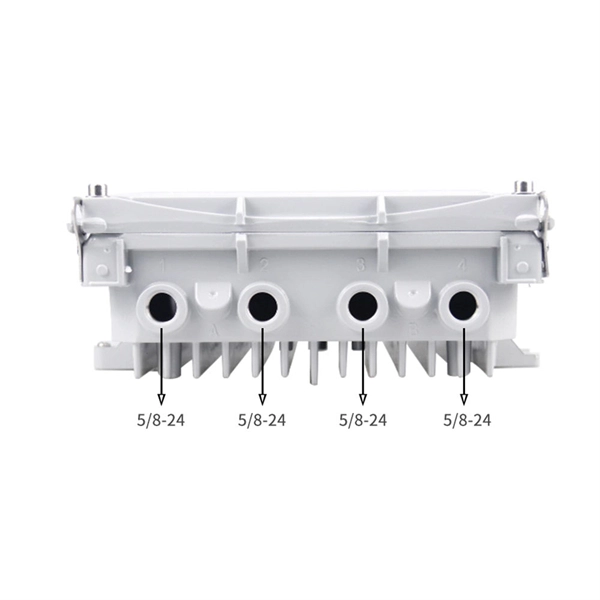
Splice the Pigtail:Fusion-splice incoming fiber to pigtail inside the box. Test:Verify light levels: -27 dBm to -8 dBm (GPON ideal). A fiber termination box is the standard instrument used in fiber optic networks to connect, secure, and protect optical fibers at the terminating point. It functions as a junction between the incoming fiber cable and the outgoing customer-side fiber cable, where one fiber can be spliced, patched. While a cut or damaged fiber optic cable can temporarily take your network down, it is possible to quickly fix the cable with the right tools. This wikiHow article will teach you how to splice a cut fiber optic cable back together with a fiber optic stripper and cutter and a fiber optic crimper. Proper installation and maintenance of FTBs are essential to ensure the reliability and performance of the network infrastructure. After an optical cable arrives at the user's end, it is fixed in the terminal box. These. To establish easy and safe installation put the box where it will be installed and measure the required length of the cable. 5 meter or more, to. Learn how to install a fiber optic termination box step-by-step for FTTH projects. Covers mounting, splicing, routing, labeling, and testing for indoor/outdoor use. Installing a fiber optic termination box is one of those jobs that looks simple on paper, but it's easy to do poorly in the field.
[PDF]
Optical Distribution Frame (ODF) is a critical component of fiber optic networks that provides a centralized point for terminating, splicing, and managing optical fibers. It acts as a distribution and consolidation point, facilitating the efficient routing and organization of fiber. In the complex architecture of fiber optic networks, the Optical Distribution Frame (ODF) serves as the linchpin for organizing, protecting, and distributing optical signals. Whether in data centers, telecom central offices, or enterprise network rooms, ODFs enable efficient fiber management. Whether you're building a central office, data center, or FTTx distribution network, understanding the right ODF configuration can greatly enhance your network's performance, flexibility, and longevity. As fiber optic infrastructure expands to meet the demands of cloud computing, streaming, and. Optical Distribution Frames (ODF) are indispensable components in optical communications networks. They provide efficient fiber optic management, connectivity, and protection. It is usually a compact and structured framework composed of a steel shell and internal fiber splice tray as the main.
[PDF]
Stranded fiber optic cable is a loose tube made of high-modulus plastic by adding colored optical fiber and ointment at the same time, and the optical fiber can move in the tube. Different loose tubes are twisted along the central reinforcing core to make the cable core. A TOSLINK optical fiber cable with a clear jacket. These cables are used mainly for digital audio connections between devices. The cable core is added. A steel messenger is a stranded steel cable that acts lashing wire. This document describes further details of messenger strand, lashing wire, and the planning and installation process. Steel messenger strand consists. Fiber optic cables are used to transmit data and audio signals using light. They come in different types, each designed for specific applications and distances. This guide will help you identify the most common types of fiber optic cables and understand how many strands of fiber are typically found. Unlike copper wires, which are limited by lower data transmission speeds, shorter transmission distances, and higher susceptibility to electromagnetic interference, fiber optic cables offer unparalleled performance and can cover much greater distances without bumping up against signal degradation. Fiber optic "cable" refers to the complete assembly of fibers, other internal parts like buffer tubes, ripcords, stiffeners, strength members all included inside an outer protective covering called the jacket.
[PDF]

Find and discover Optical Cable manufacturers and suppliers for all products in Oman, featuring details on their shipment activities, trade volumes, trading partners, and more. View all optical cable buyers based on products in Oman. Identify and compare relevant B2B manufacturers, suppliers and retailers Max. Oman Cables Industry (SAOG) specializes in manufacturing a wide range of electrical products, including various types of cables. They emphasize innovation and quality, which may indicate their capability to produce. Corporate Headquarters – Modern Peace Company is headquartered at Muscat, Sultanate of Oman. Function – Modern Peace Company is full-line distributor of communication fiber optics; test equipment, connectors, cable and cable assemblies, tools and tool kits, fiber optic consumable products, Category. Office 13, Building 245/A, Al Maardih Street, Ghala, P. 112, Muscat, Sultanate of Oman. Don't hesitate to reach out! We're here to help: Get Fiber Optic Cable supplier, dealer, distributor, agent information in Muscat, Oman from Omaninfopages. Subscribe to global trade data intelligence to discover new. „We thank OFO for all collaboration and support they provided to Oman Broadband. We consider them as our partner in our success in providing broadband infrastructure in Oman. They have very good technical sales team and logistics. Fiber Optic Cable Suppliers in Muscat Sohar Salalah Al Buraimi.
[PDF]
We have the equipment and personnel for the installation of the cable way system, Our national and international experiences in Costa Rica, México, Senegal, Mozambique, Camerún, Costa de Marfil, Ghana, Puerto Rico, Haití, República dominicana, Guatemala and others, have given. We have the equipment and personnel for the installation of the cable way system, Our national and international experiences in Costa Rica, México, Senegal, Mozambique, Camerún, Costa de Marfil, Ghana, Puerto Rico, Haití, República dominicana, Guatemala and others, have given. Costa Rica Phone — 011-506-2438-1980 Purchasing Email — purchasing@ticoelectronics. com Solicitud de Empleo Para oportunidades de empleo, haga clic aquí. This field is for validation purposes and should be left unchanged. With a $1 billion inventory of the industry's most trusted brands you can meet your quality and lead time demands right here. If you can't find what you're looking for, we're available to help. Costa Rica is the fifth largest Central American country with a population of almost five million. Traditionally, the country's major exports have been agriculture goods, such as coffee, sugar cane, pineapples and bananas; however, since the 1990s, manufacturing has made major in-roads into their.
[PDF]
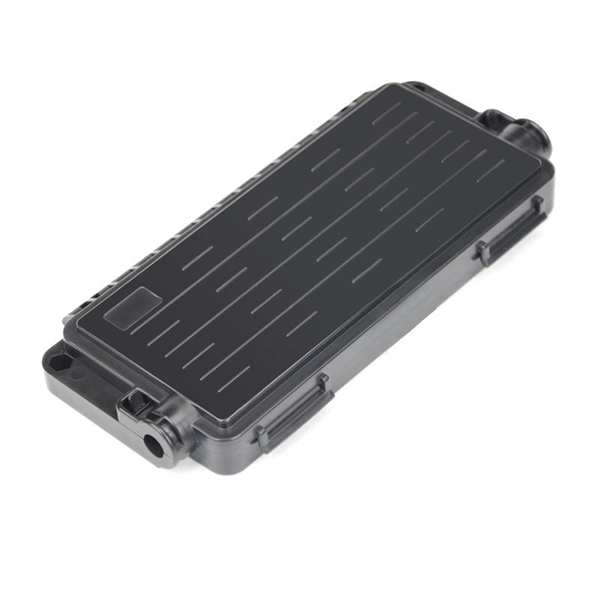
A fiber optic cable consists of five basic components: the core, the cladding, the coating, the strengthening fibers, and the cable jacket. When searching for a fiber optic cable, we need to pay attention not only to the connectors, such as SC to ST fiber cable, LC to SC fiber patch cable, or SC to. Fiber optic cables are engineered with precision to ensure they transmit data reliably. Fiber Core: A thin strand of glass or plastic, typically measured in microns, that is the primary. A TOSLINK optical fiber cable with a clear jacket. These cables are used mainly for digital audio connections between devices. This advanced cabling solution allows fast, secure data transfer and telecom over long distances. Understanding the components within a fiber optic cable enables. This guide breaks down the five core components of a fiber optic cable — from the specification package to the actual installation considerations. You will also learn how different aspects of the product can affect budget and design. ■ The Five Key Parts of a Fiber Optic Cable A fiber optic cable. We offer full-service OEM and ODM solutions for fiber optic cables, assemblies, and connectivity products — from design and prototyping to global production and logistics. Tailor every aspect of your fiber optic solutions — from cable type, connector style, and jacket material to branding.
[PDF]
Modern fiber-optic communication systems generally include optical transmitters that convert electrical signals into optical signals, optical fiber cables to carry the signal, optical amplifiers, and optical receivers to convert the signal back into an electrical signal. The information transmitted is typically digital information generated by computers or telephone systems. Transmitters The most commo. OverviewFiber-optic communication is a form of for from one place to another by sending pulses of or through an. The light is a form of. First developed in the 1970s, fiber-optics have revolutionized the industry and have played a major role in the advent of the. Because of its advantages over electrical transmission, optical fiber. is used by telecommunications companies to transmit telephone signals, Internet communication and cable television signals. It is also used in other industries, including medical, defense, governmen.
[PDF]
The SilkLink project is a new national initiative to build a 4,500 km long, 100 terabits per second fiber optic cable across Syria. It will connect Syrian cities and transform Syria into a digital corridor between Asia and Europe, with submarine landing stations in Tartus and. The Syrian Ministry of Communications and Information Technology has unveiled the SilkLink project, a sweeping initiative to modernize the nation's digital infrastructure and establish Syria as a pivotal telecommunications hub connecting Asia and Europe. This project aims to position Syria as a strategic data. Tenders are invited for Extending an Optical Cable with an Accompanying Network from Al-Qadmous Center to Zahrat Al-Jabal Village to Connect with the Hamam Wasel Axis. Syrian Telecommunications Company Announcement of Internal Tender No. 1214/6/3/1 dated 3/14/2024 The Syrian Telecommunications. Syria plans to spend up to $300 million to improve its communications network Syria's government is in talks with regional telecoms companies Zain, Etisalat, STC and Ooredoo for a $300 million project to develop the country's fibre optic communications network, two Syrian officials have said. The. Saudi Arabia's stc Group announced the signing of an agreement over SAR3 billion (US$ 800 million) to implement the SilkLink project, which aims to establish an extensive telecommunications infrastructure in Syria, including more than 4,500 kilometres of fiber-optic network, data centers, and.
[PDF]