At the heart of this technology lies the concept of wavelength division multiplexing (WDM), which allows multiple light signals, each at a different wavelength (or color), to travel simultaneously through a single optical fiber. Transmission loss in optical fiber varies with the wavelength of light. After continuous research and testing, scientists found that light in the 1260 nm ~ 1625 nm region has the smallest signal distortion and the lowest loss, making it the most suitable for optical fiber transmission. Figure 1. Dense wavelength division multiplexing (DWDM) originally used optical signals multiplexed within the 1550 nm band compatible with erbium doped fiber amplifiers (EDFAs), which are effective for wavelengths between approximately 1525–1565 nm (C band), or 1570–1610 nm (L band). Dense wavelength. These so-called wavelength regions—also known as optical wavelength transmission bands—are essential to modern fiber networks. This efficient use of the fiber's capacity is made possible by the. Optical fibre communication utilizes specific wavelength bands, frequently referenced by optical engineers. The values presented below are approximate and should be considered as such, as standardized values are still evolving. The article explains the fundamental principle and its.
[PDF]
Step-by-step cable tray and conduit installation method with safety, quality and inspection procedures as per IEEE standards. Distribution of low-voltage and security equipment, IT solutions and Datacenters. List of suppliers for Cable trays Morocco. Request for quotes, good deals, exporters. by Kerix, the B2B leader in Morocco. by Kerix-export, B2B and market analysis for Moroccan exporters. Brilltech Engineers Pvt. brings the Cable Trays in Morocco just for you! We, one of the well-known Cable Trays Manufacturers in Morocco, offer top-notch trays that keep your electrical system organized and protected. Our durable, high-quality trays come in various sizes and styles to fit any. This method statement covers the site installation of the cable tray & ladders and the requirements of checks to be carried out. The Cable Tray system is installed in electrical rooms, plant rooms, and service corridors. This section will guide you through the necessary steps to ensure a successful. Instrumentation cable trays are critical for organizing and protecting electrical and signal cables in industrial environments. The objective is to ensure safety, quality and compliance during the.
[PDF]
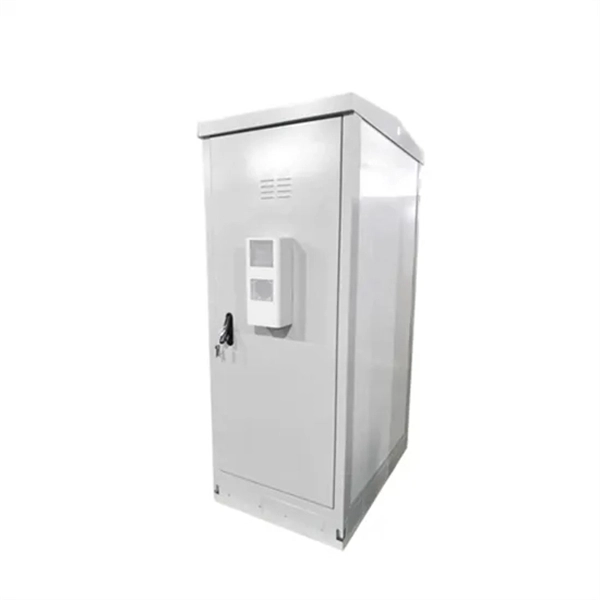
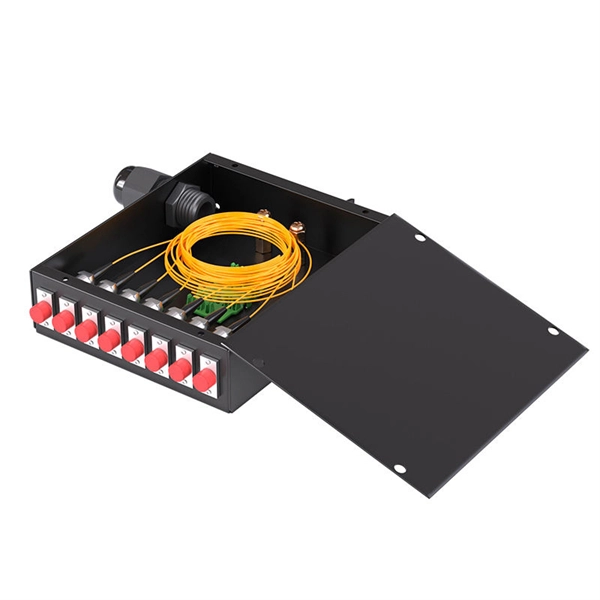
Mouser offers inventory, pricing, & datasheets for IP67 Tray D-Sub High Density Connectors. Corning Optical Splice Enclosure (OSE) Universal High Density S-OSE-HD0-WT-1 Functionality: This enclosure is essential for organizing and protecting fiber optic splices in various environments, including equipment rooms, splicing vaults, and building entrance terminals in CATV, telco, and private. Typically ships in 21 day (s) Actual lead time confirmed upon receipt of order. Corning Optical Splice Enclosures High Density - RXD (RXD-OSE-HD) are designed to manage the transition between outside plant ribbon cables and fire -retardant indoor cables in fiber optic networks. These rugged and. Pricing (USD)Filter the results in the table by unit price based on your quantity. Items in stock for replacement can be shipped within 1 business day. AFL offers robust fiber optic splice closures—including Apex® high-density and LightGuard® weathertight and sealed models—for above-ground, aerial, and buried applications. Secure. Optical cable tray is a system designed to protect and route fiber optic patch cords, cable assemblies to and from network cabinets, ODF and other terminal devices. Ducting offers ideal solutions for optical raceway requirements and application with pleasing appearance and easy maintenance.
[PDF]

Setting up a fiber internet connection requires understanding key hardware components and following a specific connection sequence to establish your home network. This guide details the necessary physical and digital steps to connect your fiber line and activate. In this guide, we'll walk you through how to connect a fiber optic cable to a router safely and efficiently. Why Use Fiber Optic Internet? Before diving into the setup, let's quickly recap why fiber optics are worth the effort: Lightning-fast speeds (up to 1 Gbps or higher). The fiber. The process to connect fiber optic cable to router requires careful attention to detail, but I'll walk you through every critical step with the precision and clarity you deserve. Fiber optic internet is generally installed in the following 5 steps, which we'll dive. Connecting a fiber optic cable is straightforward, but requires care. The process depends on the equipment you're connecting. Here's a simple guide to help you through the process: 1. Check Your Fiber Optic Equipment Before you start, make sure you have the necessary equipment: Fiber Optic Modem (ONT – Optical Network Terminal):.
[PDF]
Strong hangers or brackets should be used to ensure that cable trays do not fall or hang. According to the regulations under NEC 392. Perforated cable tray is a kind of cable tray with holes on bottom sheet and side rails for laying power and signal cables for the purpose of distributing electricity, signaling in industrial plants, department stores, gyms, hospitals, airports and other industries. Compared with channel cable. These specialized cable management systems feature strategically placed holes that provide exceptional ventilation while maintaining structural integrity and easy cable access throughout the installation process. The installation of a perforated cable tray system requires careful planning, proper. The design of a perforated cable tray includes holes or slots that allow for easy cable fastening. These design elements make cable management simpler and more efficient. With secure fastening points, you can organize your cables neatly while minimizing any risk of tangling. One of the standout. The primary rulebook used in the safe use of cable trays is NEC Article 392. This is a description of how to select, install, and support these metal or plastic frames, on which electrical wires are installed. Cable Trays are usually used when there is a multiple wire arrangement for power and signal cables. When the load is heavy the wires can overheat, particularly if the cabling system is.
[PDF]
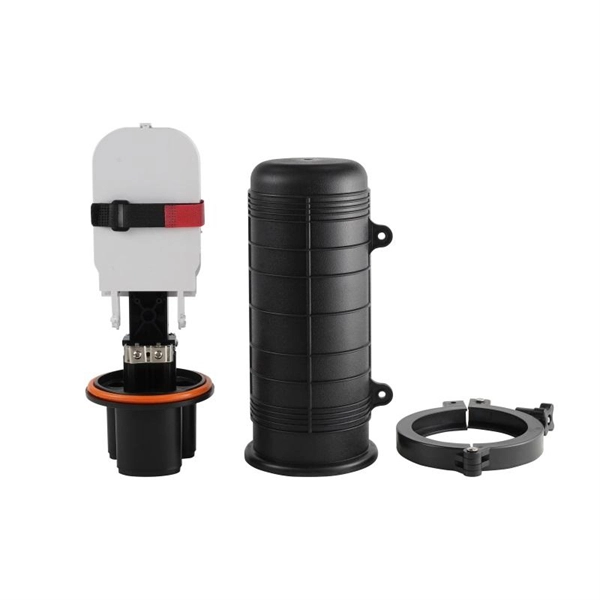
Cable tray grounding wire is the safety connection that links your electrical system's cable tray to the ground. This provides a safe path for any stray electrical currents to flow safely into the earth, avoiding damage to your equipment and reducing the risk of electric shocks. There is no restriction as to where the cable tray system is installed. The metal in cable trays may be used as the EGC as per the limitations. Cable tray may be used as the Equipment Grounding Conductor (EGC) in any installation where qualified persons will service the installed cable tray system. Consider it as an emergency electricity exit. The main purpose of. Grounding in cable trays is an important practice to increase electrical safety and prevent hazards in case of faults. The methods and materials used may vary depending on the structure of the installation. However, the main principle should always be to ensure safe and effective grounding. It involves connecting cable trays to the facility's grounding system, providing a low-impedance path for fault currents and protecting personnel.
[PDF]
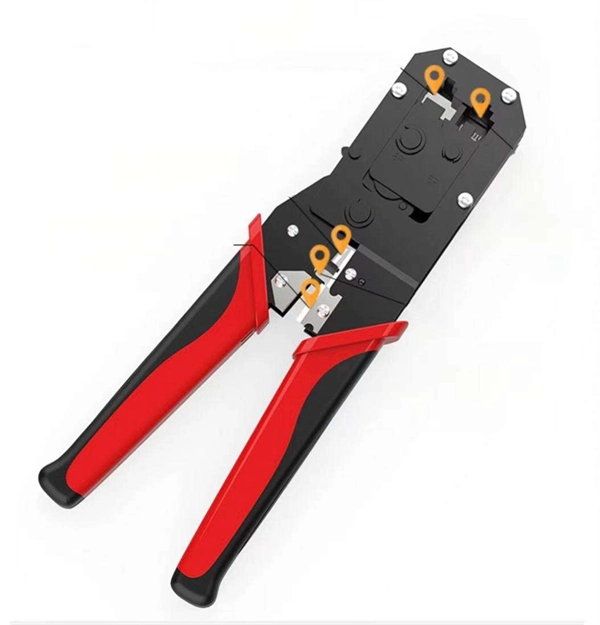
This comprehensive list of top 10 online B2B marketplaces and manufacturers will lead you to find your perfect cable trays based on your business requirements. Let's explore the characteristics of these platforms together. This guide offers an in-depth look at some of the top cable tray manufacturers worldwide, broken down by region: Europe, South America, North America, Africa, and Asia. Why Consider Regional Expertise in Cable Tray Manufacturing? Each region has distinct standards, environmental conditions, and. A low-voltage cable tray system is a crucial component in electrical infrastructure, designed to support and organize power, control, and signal cables operating at voltages below 1000V AC or 1500V DC. com provides buyers with a free hand to explore customized cable. Atkore is a leading global manufacturer known for its extensive portfolio that includes Cable Tray Systems, essential for effective cable management in construction and renovation projects. Trias Indra Saputra PT Trias Indra Saputra is a leading manufacturer of cable management support, proudly. LS Cable & System has world-class technology in power cables. You are finding low voltage cables with the best price range? KDM proudly offers low voltage cable trays for lower yet competitively priced Low voltage cable trays originally come from aluminum, plastic, and galvanized steel materials. All cable trays that were originally made from these materials.
[PDF]
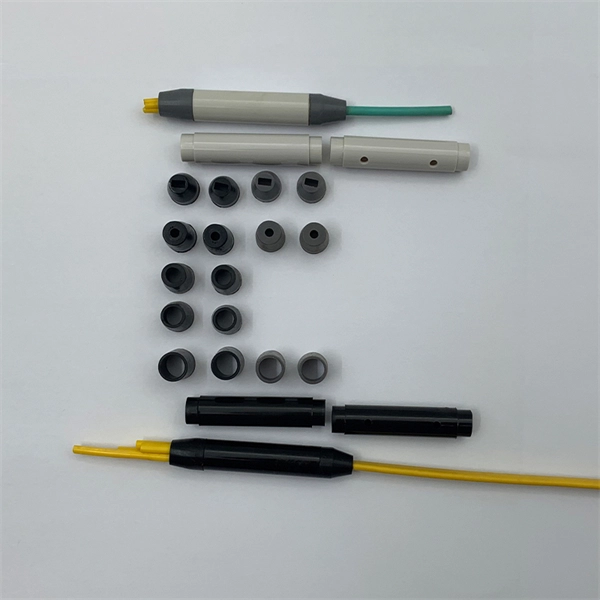
A Trough Cable Tray looks like a continuous “U” shape. It has a solid bottom and two side walls. Think of it as a long, shallow channel for your cables. Some versions have small holes in the bottom. These holes let some air circulate. This helps with cable ventilation to manage heat. A cable tray system is a unit assembly of sections and fittings that forms a rigid structural system used to securely fasten or support cables and wiring. Think of it as a sophisticated “highway” for cables, keeping them organized, protected, and easily accessible. Refers to the approximate height of a cable tray used for specifying. Selecting a specific height will. Tray cable tray is a common type of cable tray, which is a device for routing cables or other wires to support, protect, and organize cables. It is usually made of metal or plastic and presents as a channel with deep grooves that can accommodate cables of various sizes. The characteristics of. A perforated cable tray—also called a ventilated trough tray —features a solid bottom with regularly spaced ventilation holes and continuous side rails. Unlike ladder trays, the bottom surface provides continuous cable support, while the perforations allow limited airflow. Its unique design, featuring a solid bottom and side rails, makes it ideal for a wide range of applications, from industrial plants to.
[PDF]
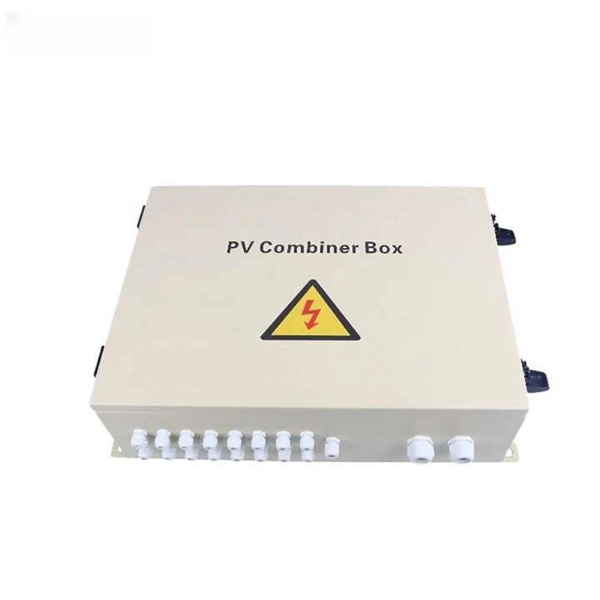
Installing a fiber optic splitter involves several crucial steps to ensure proper functionality and reliability. Here's a step-by-step guide to help you through the process:. In this guide, we'll walk you through how to connect a fiber optic cable to a router safely and efficiently. Why Use Fiber Optic Internet? Before diving into the setup, let's quickly recap why fiber optics are worth the effort: Lightning-fast speeds (up to 1 Gbps or higher). Low latency for. The process to connect fiber optic cable to router requires careful attention to detail, but I'll walk you through every critical step with the precision and clarity you deserve. Our Experts are helping user's, who are facing issues with their tech gadgets like Router, Modem and extender. If you. Setting up a fiber internet connection requires understanding key hardware components and following a specific connection sequence to establish your home network. This guide details the necessary physical and digital steps to connect your fiber line and activate your internet service. Check compatibility: Before you begin, make sure your router supports fiber optic connection. Not all routers can connect directly to a fiber cable, so it is important to verify this information before continuing.
[PDF]
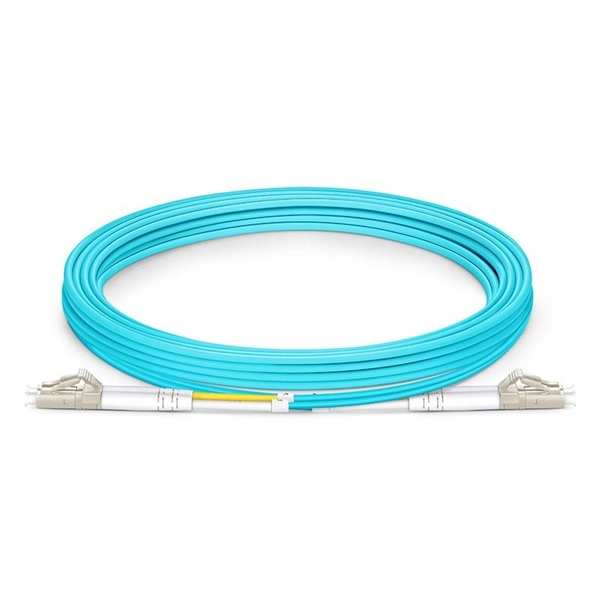
Trapezoidal Cable Tray: Trapezoidal cable trays are characterized by their trapezoidal structure consisting of two side rails connected by a crosspiece. This design allows for excellent ventilation and heat dissipation, making them ideal for high-capacity cable management. Fiberglass - Technical Data Structural Characteristics of Cable Tray and Supports When viewed in its installed condition, any cable tray system performs functionally as a beam under a uniformly distributed load. There are four basic beam configurations typically found in a cable tray installation. -piece tray istypically used in applications where visual esthetics are important. It is available with a ventilated or solid bottom. Channel tray can protect against. Steel cable trays come in various types, each offering unique features and catering to different applications. Among them, the stainless steel cable tray is highly recommended for use in the petroleum, chemical as well as television industries. Its lightweight nature, elegant appearance, easy. This appendix provides the design criteria for seismic Category I cable trays and their supports. Seismic Category II cable trays and their supports are also designed utilizing the design criteria of this appendix. These trays have large space and good ventilation performance. Structural Design and Flexibility: The structural.
[PDF]
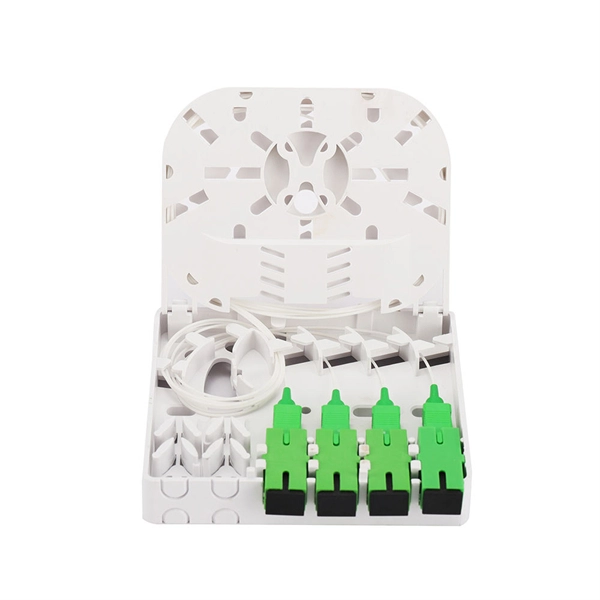
Grounding in cable trays allows electrical leakage from the outer surfaces of the conductors to be channeled into the tray. It helps to safely direct dangerous currents that may result from electrical faults to the ground. Cable tray may be used as the Equipment Grounding Conductor (EGC) in any installation where qualified persons will service the installed cable tray system. There is no restriction as to where the cable tray system is installed. The metal in cable trays may be used as the EGC as per the limitations. Enhanced safety: Grounding provides a safe path for fault currents to flow, significantly reducing the risk of electric shock to personnel and preventing damage to equipment due to overvoltage or insulation failure. It also safeguards against fire hazards caused by excessive heat generated during. that system to lose its UL Classification. If you take what UL states literally, ANY cut to tray (ladder or wi e) would cause a loss of UL Classification. The methods and materials used may vary depending on the structure of the installation. However, the main principle should always be to ensure safe and effective grounding. These systems provide an efficient and adaptable solution for managing a wide range of cables, including power cables, control cables, Ethernet, and fiber optic lines. The flexibility and scalability of cable trays make them an ideal choice for environments where cable density and organization can.
[PDF]
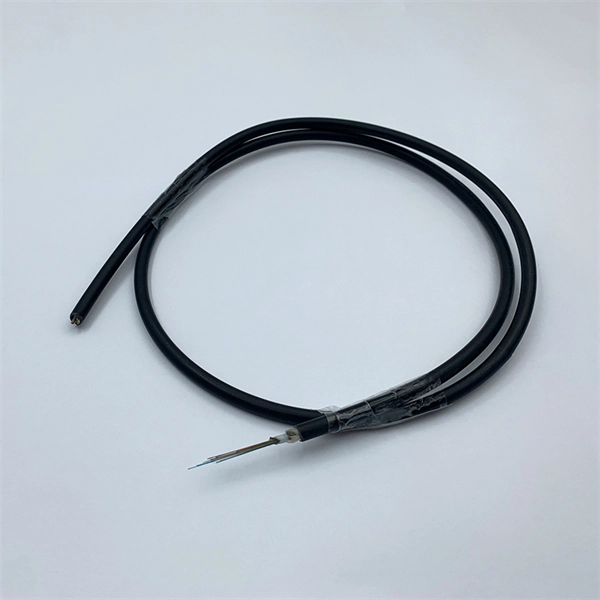
Ideal to support large volumes of network cables, the trays provide smooth transitions around obstacles. Trays can be attached to floor, ceiling, wall or top of the racks and cabinets. Cable trays are available in different widths, heights and lengths. Embedded. The patented cable tray system is designed to be stronger, optimally stack able and transportable, quick to install, with random overlap and exceedingly safe. Our extensive product portfolio includes Galvanized Cable Trays, Ladder Cable Trays, Perforated Cable Trays, Raceways, Unistrut Channels, Wire Mesh Cable Trays, and more. It is typically made of materials like galvanized steel, aluminum, or PVC and comes in various types, including ladder, perforated, solid bottom. Keep your cables safe and organized with Brilltech Engineers Pvt. We offer top-notch Galvanized Cable Trays in Nigeria. These metal trays, coated with a special zinc shield, resist rust and last a long time, even in tough environments. They keep your wires tidy, cool, and protected, from power. As one of the best Galvanized Cable Tray Manufacturers in Nigeria, we are trusted by people not only within the boundaries but even beyond that. Our custom-based products are able to match up your distinct needs. Our products are known for their sustainable performance and all the other features.
[PDF]
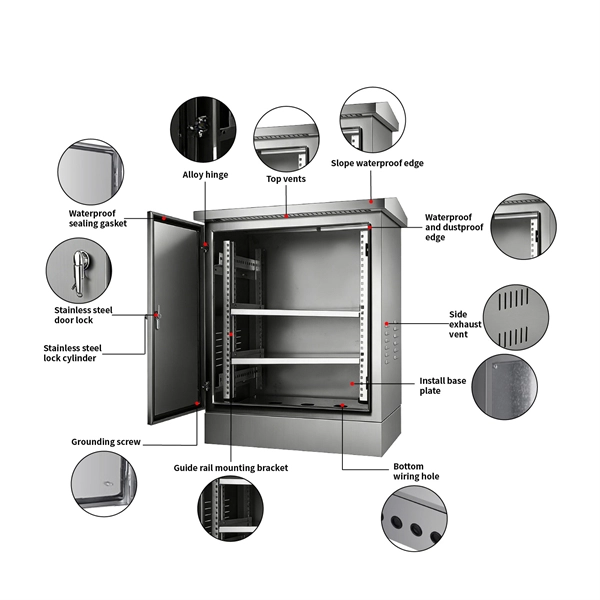
By providing a structural framework, cable trays protect the cables from mechanical damage while simplifying the overall layout of a facility's electrical infrastructure. A cable tray system is a structured assembly used to support and organize insulated electrical cables for power distribution, communication, and control signals. These systems create a secure, rigid pathway to manage extensive networks of wiring in commercial and industrial environments. Far superior to traditional conduit in many applications, cable tray systems offer unparalleled accessibility for maintenance. en completely installed, without damage either to conductors or structural system use maintain spacing or to keep cables in place when the tray is ect the minimum bend ra-dius for cables as they exit the bottom of the cable tray. A rung spacing of 6 to 9 inches (150 to 230 mm) is preferable when. Explore the world of cable trays, their types, materials, benefits, standards, and installation considerations for efficient cable management. Cable trays are integral components in modern electrical and data cable management systems. They provide an effective and versatile solution for routing and. Cable tray systems provide a safe, organized, and flexible method for supporting insulated conductors and cables in commercial and industrial electrical installations. When properly selected and installed, cable trays simplify routing, improve accessibility, and support future expansion while.
[PDF]
Move and Change Shape: Ground shaking from an earthquake can make cable trays move and bend. This affects how stable they are and how much weight they can hold. This damages the whole cable tray. Cable tray and conduit systems have consistently performed well at conventional power and industrial facilities subjected to past strong-motion earthquakes larger than eastern U. plant safe shutdown earthquakes (1). This is so even though the systems are typically not designed for earthquake. The Pacific Earthquake Engineering Research (PEER) Centre has been developing a performance-based earthquake engineering (PBEE) methodology, which is based on explicit determination of performance, e., monetary losses, in a probabilistic manner where uncertainties in earthquake ground mo-tion. This appendix provides the design criteria for seismic Category I cable trays and their supports. Seismic Category II cable trays and their supports are also designed utilizing the design criteria of this appendix. They may be supported singly or there may be several pieces of onduit or buss ducts attached to a common trapeze. On some occasions the condui hanger rods 12 in or less in length be restrained. The 12 in length was determined based on the natural.
[PDF]
This guide explains how to make 90° bends, vertical bends, tees, and offsets in wire mesh cable trays safely and professionally. Horizontal 90° Bend (Flat Bend) 2. Tee (T-Junction) Bend 4. Since the jaws of the bolt cutter drags a layer of zinc across the cut end and forms a protective layer. When a wire cable tray is cut, the fact that a. Wire mesh cable trays are widely used because of their flexibility and easy on-site modification. Unlike perforated trays, bends can be created directly at site without expensive fittings. Includes a full demonstration on how bend steel cable tray using a crimping to. more. ns and Cross Joints. These arrangements can be created by using our standard cable tray sections and removing specific pieces as directed using the Cutter tool (WR-TRAYCTR65), and then bending and securing the tray pieces together using Couplers (WR-CPLKK34), Corner Strength Bars (WR-CNRSBAR-EZ). Before bending a cable tray, it is crucial to prepare it properly. This involves a few essential steps to ensure a successful bending process. The first step in preparing the. This manual is designed to guide workers through the detailed production process of ladder cable trays, including the manufacture of horizontal elbows, tees, crosses, reducing bends, and vertical bends, with emphasis on precision, safety, and quality control. What's Involved in Producing Ladder.
[PDF]