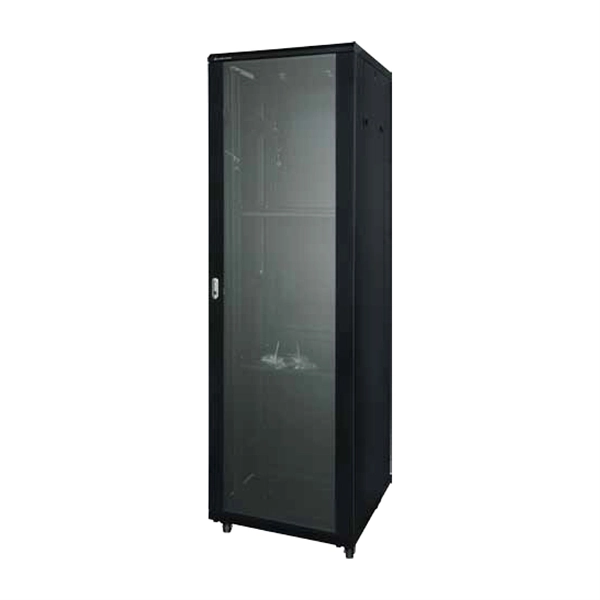
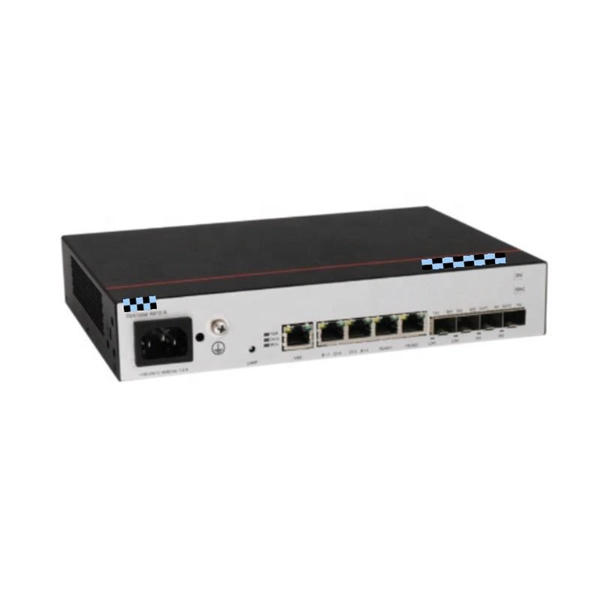
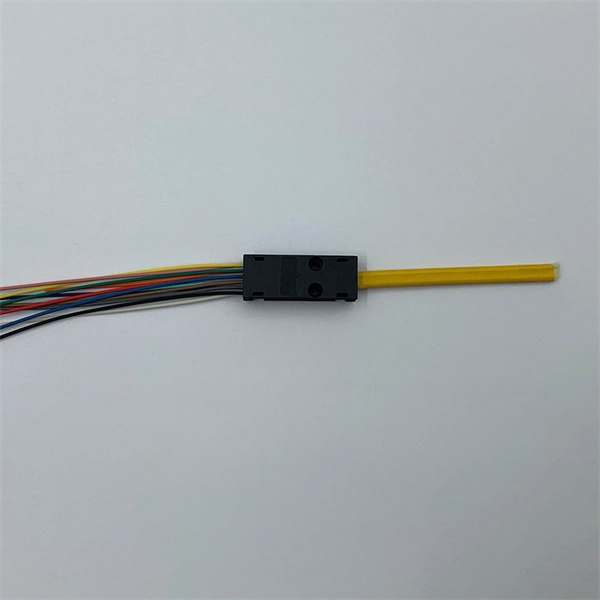
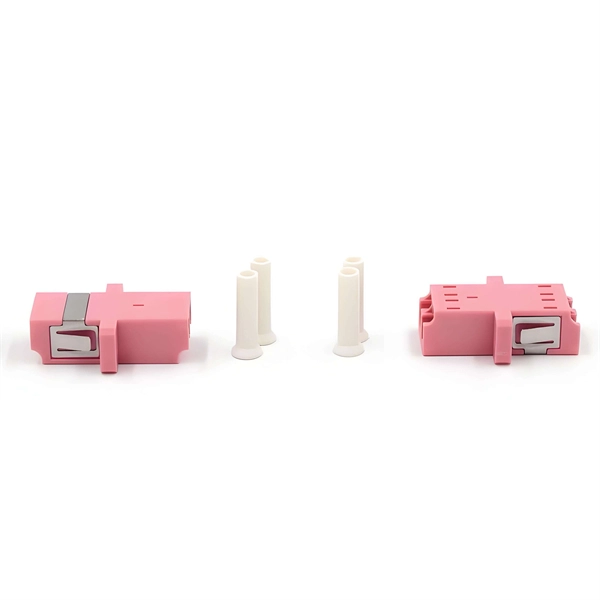
An Optical Distribution Frame (ODF) is a dedicated unit designed to organize, terminate, and interconnect fiber optic cables. It brings together fiber splicing, patching, and cable routing in a single structure, while shielding sensitive connectors and splices from mechanical. This complete guide explores everything you need to know about ODFs — from their structure, types, and key components, to installation best practices and modern design trends. Whether you're building a central office, data center, or FTTx distribution network, understanding the right ODF. An Optical Distribution Frame (ODF) is the central hub for fiber splicing, termination, patching, and cable protection in modern optical networks. Think of it as a big shelf where all your fiber cables come together, each tucked into a slot. The goal is to provide easy access, clear labeling, and fast repairs. This guide demystifies ODF, exploring their design, core functions, types, and how they.
[PDF]
Various optically switched architecture prototypes, based on the above optical switches, have been proposed to demonstrate the potential of optical data center networks. Optical data center networks are mainl.
[PDF]
Variety of applications and services depend on data centers to provide the high reliability and availability of computing and storage resource at minimal costs. Along with the emerging of traffic boosting applic.
[PDF]
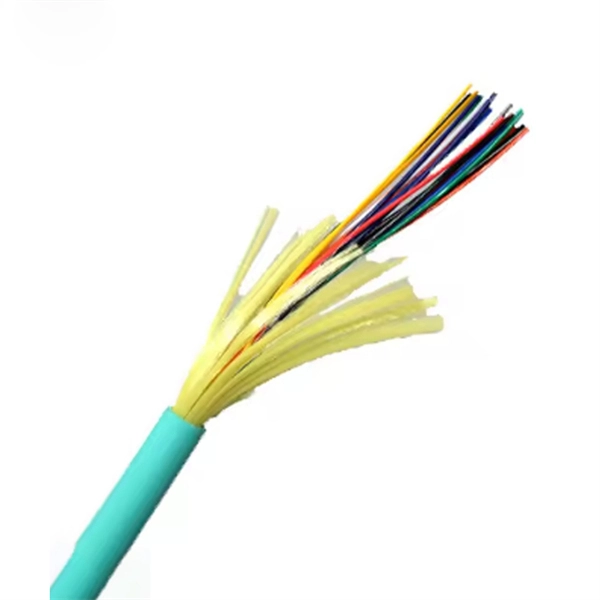
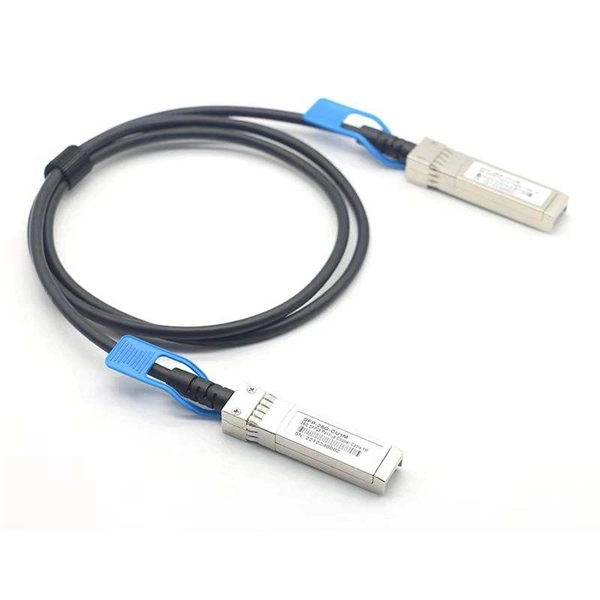
Routers and switches need to use optical modules and fiber patch cord to realize the interconnection between network devices. Usually, Gigabit switch can be matched with gigabit optical module and 10 Gigabit optical module. Optical switching represents a fundamental technological evolution, shifting data routing from the domain of electrons to the realm of photons, or light. This transition allows data to remain in its native optical form as it travels through fiber optic networks, eliminating the need for. Optical switches are devices that route light signals from one path to another without converting them into electrical signals first. They're a core component in fiber-optic networks, where data travels as pulses of light through glass fibers. Every time that light needs to change direction or jump. An SFP (Small Form-factor Pluggable) module is a hot-swappable transceiver used in switches, routers, servers, and telecom equipment to transmit data over fiber or copper connections. Different SFP modules support different: That's why selecting the correct model matters. Think of it as the “translator” for your network equipment, converting electrical signals into optical signals. Switch optical modules, which convert electrical signals to optical signals and vice – versa, and optical interfaces, which serve as the physical connection points, play a pivotal role in determining the speed, distance, and reliability of data transmission.
[PDF]
Port aggregation can increase maximum throughput, and allow for network redundancy. It does this by splitting traffic across multiple ports instead of forcing clients to use a single uplink port on a switch. Note that these performance improvements will only occur when multiple clients are passing. Did you know that fixed broadband speeds in the United States now average over 150 Mbps? Many connections stall because of single-port limits. This leaves users stuck in the slow lane. That's where ethernet port aggregation comes in. It combines multiple ports into one link to boost speed and cut. An Aggregation or "Top-of-Rack" switch is designed to connect everything in a rack at high speeds, then have an even bigger pipe out to the rest of the network. The regular Aggregation switch is best used to connect all devices in a rack. Port aggregation allows you to group multiple physical ports into one unit. The following list details the basic. You can configure a mixed rate of link speeds for the aggregated Ethernet bundle. Link speeds of 10GbE, 40GbE, and 100GbE are supported. This is commonly done to provide increased bandwidth between the switches and redundancy in the event of one of the links failing. How Much Total Bandwidth is.
[PDF]
Control signal choices for fiber optic switches include RJ-45, RS232, RS422, and TTL. Common switch features include rack mountable and LED indicators. An important environmental parameter to consider for fiber optic switches i. Control signal choices for fiber optic switches include RJ-45, RS232, RS422, and TTL. Common switch features include rack mountable and LED indicators. An important environmental parameter to consider for fiber optic switches is the operating temperature. Fiber optic switches can interface with two types of cables: 1. single mode 2. multimode Single modeis an optical fiber that will allow only one mode to propagate. The fiber has a very small core diameter of approximately 8 µm. It permits signal transmission at extremely high bandwidth and allows very long transmission distances. Multimodedescribes. Important switch performance parameters to consider when searching for fiber optic switches include: 1. wavelength range 2. number of input ports 3. number of output ports 4. switching time 5. insertion loss 6. polarization dependent loss 7. cross-talk 8. data rate 9. switching voltage The wavelength range specifies the wavelength range the switch.
[PDF]
The layer 2 switches collect the data from core switches, identify the type of data packet and the address of the access device. Selective routing and switching take place at the distribution layer. Those new distribution switches will have L3 redundant connections to the CORE switches running EIGRP so this will provide us high availability and load balacing. The connection between these distribution switches is going to be a L3 link (Cisco recommendation) in order to summarize our networks to. · Layer Positioning: The data link layer (Layer 2) of the OSI model, realizing local forwarding of data frames based on MAC addresses. · Core Task: Establishing direct interconnections between devices within a local area network to ensure efficient communication within the same network segment. ·. Layer 2 Switch is a form of Ethernet switch that switches packets by looking at their physical addresses (MAC addresses). These switches operate at the data-link layer (or layer 2) of the Open Systems Interconnection (OSI) reference model. At Layer 2, edge switches use media access control (MAC) addresses to manage traffic within a local area. The core layer is the backbone of the network. The distribution layer connects the access layer to the core layer. When designing a campus LAN, you may. Physical Layer - Physical layer of TCP/IP model is responsible for physical connectivity of two devices. It contains multiple input/output ports.
[PDF]
Explore What are PoE Switches and their key benefits, simplifying network setups and powering devices with a Ethernet cable. Power over Ethernet (PoE) is a technology that allows network switches to transmit both power and data through an Ethernet cable simultaneously. The benefits of PoE switches have become more evident with the rapid expansion of network-connected devices. Hence, no need of extra power adapter and outlets. Using PoE network switches, businesses, and. Looking for a reliable PoE switch in Pakistan? Our Power over Ethernet (PoE) switches provide both data and power through a single network cable, making them ideal for CCTV IP cameras, VoIP phones, and other network devices. Simplify installation and reduce wiring costs with our high-quality PoE. PoE Network Switch: Powering Your Network with Efficiency In the world of networking, efficiency, reliability, and simplicity are key. As more and more devices become part of corporate, industrial, and residential networks, the need for solutions that can both manage data traffic and provide power. Wi-tec offers a range of networking solutions: Media Converters, PoE Switches, Fiber SFP Switches, Industrial Switches, UPS Switches, Injectors, Splitters, Extenders, and Wi-Fi Solutions. POE Network Switch There are 49 products.
[PDF]
Also, please take a look at the list of 19 industrial ethernet switch manufacturers and their company rankings. Omnitron Systems Technology, Inc. ANTAIRA TECHNOLOGIES, LLC. The company plays a pivotal role in the industrial Ethernet switch market, providing robust products that cater to diverse industries such as manufacturing, energy, healthcare, and transportation. In this dynamic arena, established giants and nimble innovators clash, all vying for a bigger share of the data flow that fuels automation, efficiency, and. According to our (Global Info Research) latest study, the global Industrial Switch market size was valued at US$ million in 2024 and is forecast to a readjusted size of USD million by 2031 with a CAGR of %during review period. 1002G-SFP-24-T is a 10-port industrial Gigabit PoE+ managed Ethernet switch with 8 x 10/100/1000Tx ports (IEEE 802. 3at/af, up to 30W per port) and 2 x 100/1000 dual-rate SFP slots for Gigabit fiber. The PROmesh B8 is a managed switch with 8 RJ45 ports, specifically designed for. Linemaster Switch Corp. is estimated to have 100-199 employees. Linemaster Switch Corp. estimated yearly revenue is $25,000,000 - $49,900,000. Manufacturer of standard and custom foot switches for medical, adhesive dispenser, and abrasive blaster applications. Features vary depending upon model.
[PDF]
They are characterized by numerous ports and high bandwidth, offering greater reliability, redundancy, throughput, and lower latency compared to access and aggregation switches. For a network with over 100 computers, a core switch is indispensable for ensuring stability and high. Data center-grade switches are characterized by high-quality business assurance and control recognition capabilities. They feature end-to-end flow control and backpressure mechanisms, ensuring stable and reliable data transmission, and smoothing out network surges. They offer higher reliability and. Aggregating Data Traffic: Accumulates data from the distribution and access layers and manages their routing and switching. High Performance: Guarantees dependable and quick data delivery, supporting substantial traffic with low latency. Redundancy and Fault Tolerance: This feature ensures network. A Core Switch is a critical device that operates in the backbone portion of a network, primarily used for high-speed data switching. It is part of the commonly used Network Switch hardware architecture and serves as a port device in the core layer.
[PDF]
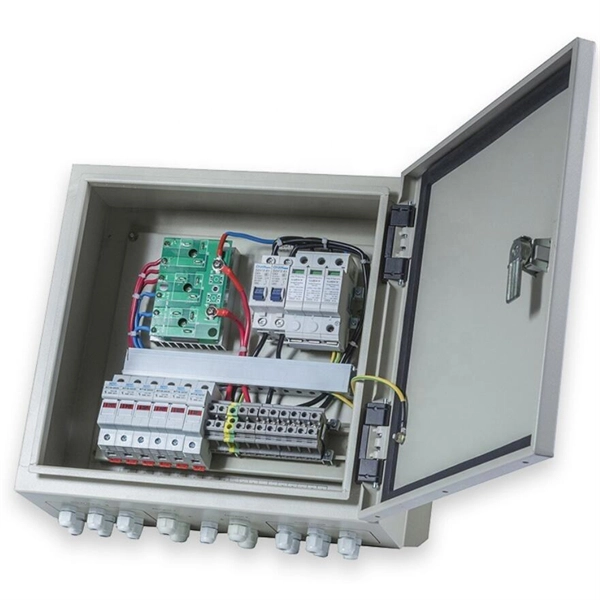
A single gang (or 1-gang) box is only wide enough for 1 switch or outlet. And so on all the way up to 10 gangs. Electrical box dimensions typically refer to: Correct dimensions ensure: Single-gang boxes are the most common type, used for one switch or outlet. Common uses: wall outlets, light switches, low-voltage controls. Tip: Depth is. They come in various sizes to accommodate different wiring needs and device configurations. Typically, PVC switch boxes are available in the following standard sizes: **Single gang box**: Usually around 2 x 3 inches, ideal for controlling a single switch or outlet. This guide helps you determine the correct dimensions based on wire fill capacity, device requirements, and installation environment, ensuring a safe and efficient electrical system. Some of the best distribution types are: 1. Main Distribution Board (MDB) The MDB act as a central section to distribute electricity to various sections with a residential or industrial units. Used in industrial automation and process control. Houses PLCs, relays, contactors, and wiring. Supports control. Article Summary: Calculating the correct junction box size per the NEC 2023 involves a process known as a “box fill calculation,” primarily governed by NEC Article 314. The first step is to determine the total number of conductor equivalents in the box. This count includes each conductor.
[PDF]