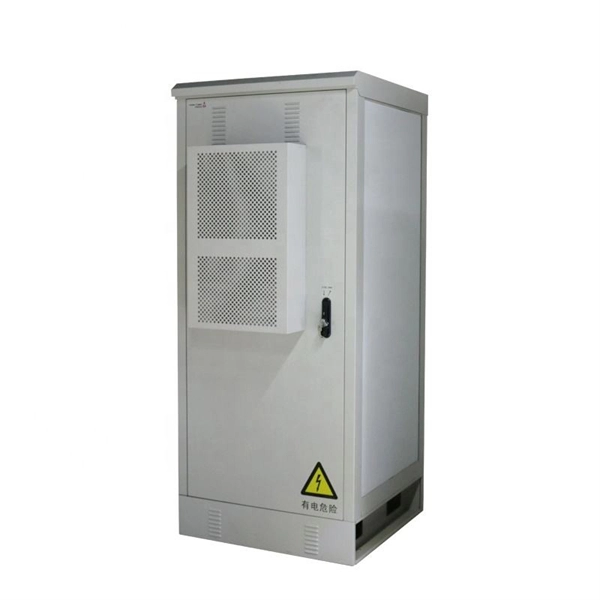
Papua New Guinea's rugged terrain and growing energy demands make outdoor energy storage cabinets a critical component for reliable power distribution. This article explores the unique requirements, technological advancements, and trusted manufacturers serving this dynamic market. This system effectively meets the daily operational electricity demands of the factory. – Total Installed Capacity**: 50KW – PV Modules: 84 pieces high-performance solar panels 600W from. EK photovoltaic micro-station energy cabinet is a highly integrated outdoor energy storage device. Its core function is to convert renewable energy such as solar energy and wind energy into stable electricity, and realize energy storage, distribution and monitoring through intelligent energy. Papua New Guinea's growing energy demands, coupled with its tropical climate, make energy storage battery packs a critical component for renewable energy adoption. However, high temperatures and humidity pose challenges for battery longevity. This is where liquid cooling plate technology becomes.
[PDF]
This article presents a review of the methodological approaches used so far in such assessments: i) top–down analyses based on estimates of the overall Internet energy consumption and the overall Internet traffic, whereby average energy intensity is calculated by. This article presents a review of the methodological approaches used so far in such assessments: i) top–down analyses based on estimates of the overall Internet energy consumption and the overall Internet traffic, whereby average energy intensity is calculated by. Abstract With the intensifying energy crisis and envi-ronmental pollution, the Energy Internet and corresponding patterns of energy use have been attracting more and more attention. In this paper, the basic concept and characteris-tics of the Energy Internet are summarized, and its basic structural. Estimates published over the last decade diverge by up to four orders of magnitude — from 0. 0064kilowatt-hours per gigabyte (kWh/GB) to 136kWh/GB. Fourteen countries and one region have joined together under the 4E TCP platform to exchange technical and policy. The Annual Energy Outlook (AEO) presents an assessment by the U. Energy Information Administration of the outlook for energy markets through 2050. The report you are reading represents the highest standards of analytical rigor anywhere in the world and was produced by one of the hardest working.
[PDF]
The Federal Energy Regulatory Commission (FERC) has set a June 2026 deadline to act in a high-stakes rulemaking that could redefine how massive new power users—including AI-driven data centers—connect to the U. interstate transmission system. From the early mainframe era to today's artificial intelligence (AI) boom, dire predictions have claimed that computers and the internet would soon eat up colossal shares of our electricity supply. In an April 16 order in its “ Interconnection of Large. In an era of rapid digitalization, understanding the true drivers of energy consumption in the ICT sector is paramount for effective policymaking. This white paper dispels common misconceptions about data transmission and electricity use, and highlights the importance of sound methodology to assess. Energy Internet is a concept proposed to harness, control, and manage energy resources effectively, with the help of information and communication technology. It improves a reliability of the system, and provides an increased utilization of energy resources by integrating the smart grid with the. AI's energy demands are out of control. | News | Physical Sciences Division | The University of Chicago Home / News / AI's energy demands are out of control.
[PDF]
The Energy Internet represents a transformative paradigm integrating advanced power systems, distributed renewable energy, and digital technologies to achieve efficient, resilient, and sustainable energy management. In the next 20 years, almost three billion people will join the middle class, propelling global demand for more and better housing, televisions, cars, food, water, energy, and myriad other goods and services. But, with increasing strain on the planet's resources, meeting this demand could carry. Advancing the Energy Internet: Innovations and Solutions for a Sustainable. It integrates distributed renewable sources, storage, EVs, and smart buildings, allowing them to exchange data and power in real-time to enhance. Abstract—This paper focuses on the management of the electricity grids using energy packets to build the Energy Internet via machine-type communications. We revisit some attempts to design a digital grid similar to the internet, including packetized management of specific loads (electric vehicles.
[PDF]
The Internet of Things (IoT) is making the energy grid more intelligent and efficient in five primary ways: enabling real-time grid monitoring and control, facilitating the seamless integration of renewable energy sources, empowering consumers with smart meter data, implementing. The Internet of Things (IoT) is making the energy grid more intelligent and efficient in five primary ways: enabling real-time grid monitoring and control, facilitating the seamless integration of renewable energy sources, empowering consumers with smart meter data, implementing. Energy Internet (EI) has been recently introduced as a new concept, which aims to evolve smart grids by integrating several energy forms into an extremely flexible and effective grid. In this paper, we have comprehensively analyzed Internet of Things (IoT) applications enabled for smart grids and. Smart energy systems, powered by the Internet of Things (IoT), are revolutionizing our power infrastructure by enabling intelligent monitoring and management of electricity from production to consumption. Dev Station Technology is at the forefront of this transformation, building solutions that. Abstract: This study investigates the implementation and effectiveness of Internet of Things (IoT) based smart energy management systems in residential and commercial settings. Its incorporation into engineering systems have gradually become very popular in.
[PDF]
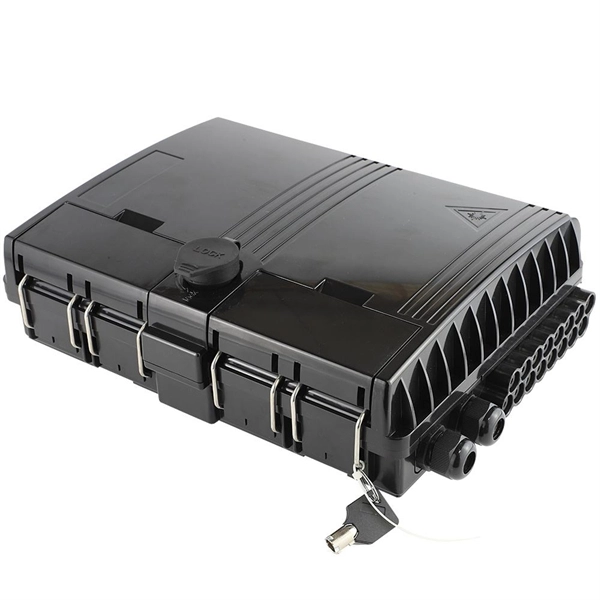
Condensation happens when warm, humid air touches a cooler surface and turns into water droplets. While this might not seem like a big deal, inside electrical enclosures, it can cause real trouble—like short circuits, rust, and equipment failure. Operating a sub-zero warehouse or refrigerated distribution centre presents a constant battle against the laws of physics. While the focus is often on maintaining the thermal envelope, the electrical infrastructure within these zones is frequently at risk from internal moisture. This is especially common in places with high. Imagine opening an electrical distribution box only to find water droplets clinging to your expensive components like dew on morning grass. That's condensation—not just an annoying surprise, but a silent destroyer lurking in control cabinets worldwide. You prevent frost by blocking moisture with a continuous vapor barrier on the warm side of the insulation, sealing every joint, seam, and penetration to keep air out. The most. Simply put, you need ways to manage condensation so it doesn't ruin the devices inside of your electrical box. Fortunately, that's not always a painful process. A handful of tips and tricks can help you dramatically lower condensation inside of an electrical box, and many of them stand to save you.
[PDF]
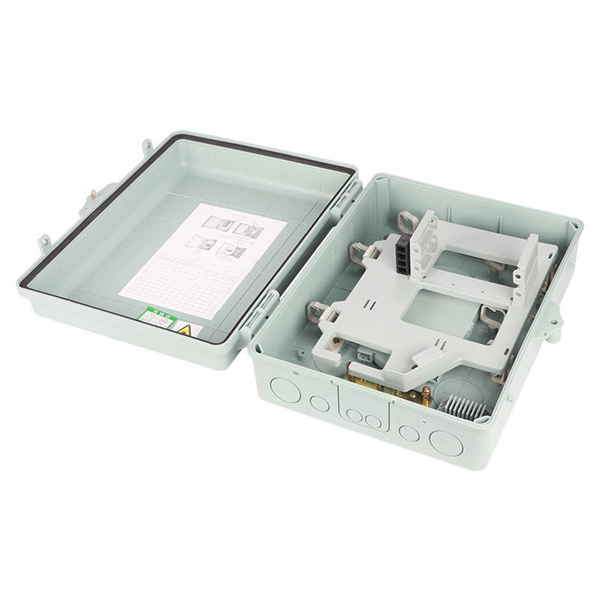
Energy Internet integrates small-scale renewable energy systems, electric loads, storage devices, and electric vehicles for effective transaction of power backed by emerging technologies such as Internet of Things, vehicle-to-grid, and blockchain. Energy Internet, a futuristic evolution of electricity system, is conceptualized as an energy sharing network. Its features, such as plug-and-play mechanism, real-time bidirectional flow of energy, information, and money can lead to significant benefits and innovation in electricity production and. They propose that the basic architecture of the EI consists of 'the Internet‐like energy systems' and the 'Internetþ' layers. 7 Moreover, by 2015, the concept of EI could be categorised into three types,8focusing on 'global power interconnection', 'integrated multi‐energy' and 'energy‐information. Therefore, a new energy paradigm is known as the “Energy Internet” that combines economics, energy, and technology in an open, equal, and coordinated fashion.
[PDF]
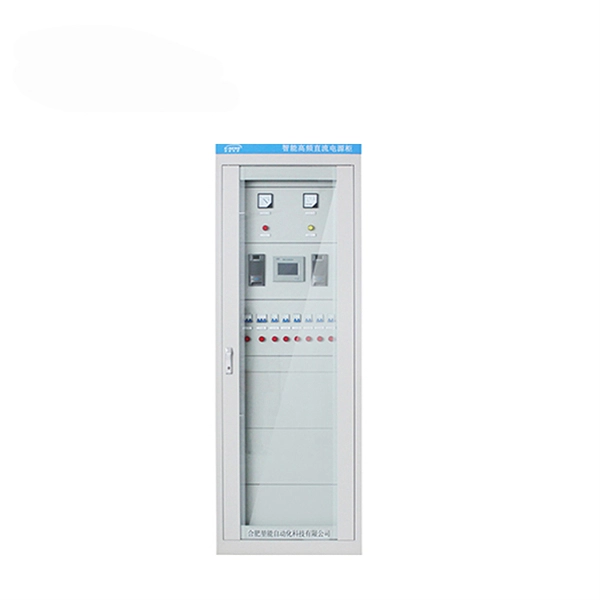
The Intellinet Network Solutions 10 Gigabit Fiber SFP+ Optical Transceiver Module (model 507479) is fully hot-pluggable, and that allows you to install the module without rebooting your network switch for uninterrupted network traffic. Intellinet Network Solutions 10GBase-LR Fiber SFP+ Optical Transceiver Module, model 507479, is the right choice when it comes to connecting two buildings at 10 GbE speeds with single mode fiber. That's a 10 Gbps connection up to a distance of 10 km (or 6.2 miles). The transceiver comes in a mini-GBIC form factor, making it ideal for environments that require many fiber connections by taking up less space in your cabinet and/or computer room. Compatibility in your network is everything, and the Intellinet Network Solutions SFP+ Transceiver Module (model 507479) delivers. Use it with any Intellinet Network Solutions SFP+ equipped network switch or any other MSA compliant SFP+ enabled switch. And since the Intellinet Network Solutions SFP+ transceiver module is set to broadcast the vendor. The Intellinet Network Solutions 10 Gigabit Fiber SFP+ Optical Transceiver Module (model 507479) supports standard digital diagnostics monitoring (DDM) functions, also known as digital optical monitoring (DOM). This gives the user the ability to monitor parameters of the SFP, such as optical output power, optical input power, temperature, laser bia.
[PDF]
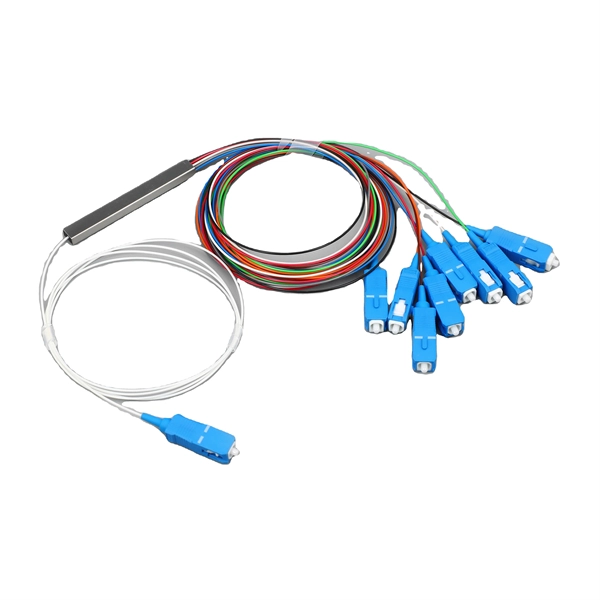
Below, we examine five real-world applications that demonstrate why high-quality power distribution cabinets are essential to optimal industrial performance. The handbook describes various power distribution system constructions and elements there-of, technical considerations, distribution automation infrastructure and functionality, communication aspects, special automation applications and life cycle aspects. Modern manufacturing facilities depend on sophisticated electrical networks to support automation systems, robotics, and heavy machinery. In modern electrical engineering, distribution cabinets and distribution boxes serve as the "nerve centers" for power distribution and control. Their design quality directly determines the safety, reliability, and cost-effectiveness of the entire power supply system. When electricity enters a distribution cabinet: Power distribution cabinets are used wherever safe and reliable electricity is required:. ETA enclosures support applications including switchgear and transformer cabinets—designed for compliance with NEMA, UL, and IP standards. Enclosures for Power Distribution Systems ETA Enclosures USA provides power distribution enclosures engineered for switchgear, transformers, and control panels.
[PDF]
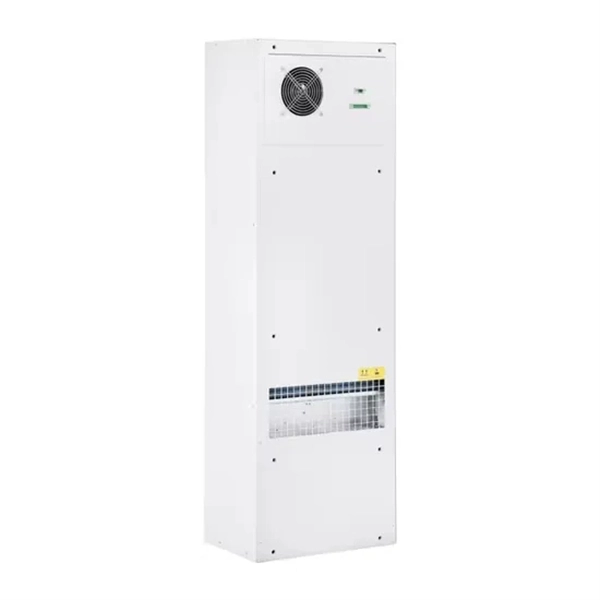
Energy Internet integrates small-scale renewable energy systems, electric loads, storage devices, and electric vehicles for effective transaction of power backed by emerging technologies such as Internet of Things, vehicle-to-grid, and blockchain. Energy Internet, a futuristic evolution of electricity system, is conceptualized as an energy sharing network. Its features, such as plug-and-play mechanism, real-time bidirectional flow of energy, information, and money can lead to significant benefits and innovation in electricity production and. Then, we propose a new universal definition of the EI by bringing together the various existing definitions and concepts in light of the upcoming smart grid. We also pinpoint the fundamental technologies responsible for ITM University Gwalior, India. coordinating and. Our research addresses the critical intersection of communication and power systems in the era of advanced information technologies. We highlight the strategic importance of communication base station placement, as its optimization is vital for minimizing operational disruptions in energy systems. Energy Internet,sponsored by Chinese Society for Electrical Engineering (CSEE), and published by China Electric Power Research Institute (CEPRI) in cooperation with the Institution of Engineering and Technology (IET), is a multidisciplinary gold open access journal covering power and energy, power.
[PDF]
Researchers from Palo Alto Research Center (PARC, a Xerox Company) and LG Chem Power have now introduced an advanced approach: embedded fiber-optic (FO) sensors capable of internally monitoring battery cells. Applications of fiber optic sensors to battery monitoring have been increasing due to the growing need of enhanced battery management systems with accurate state estimations. This approach enhances state-of-charge (SOC) and state-of-health (SOH) estimations, potentially improving. This work demonstrates the potential of fiber optic sensors for measuring thermal effects in lithium-ion batteries, using a fiber optic measurement method of Optical Frequency Domain Reflectometry (OFDR). The innovative application of fiber sensors allows for spatially resolved temperature.
[PDF]
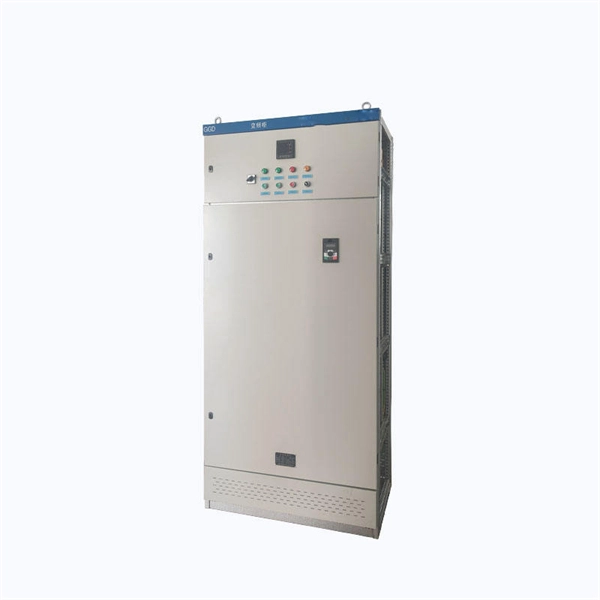
The Energy Internet represents a transformative paradigm integrating advanced power systems, distributed renewable energy, and digital technologies to achieve efficient, resilient, and sustainable energy management. This article offers a perspective grounded in a deep understanding of what's at stake: the reliability of our energy infrastructure, the safety of communities and the speed of innovation in the global energy transition. As global decarbonization efforts intensify, the Energy Internet's core. The large-scale deployment of 5G is accompanied by an exponential increase in network energy consumption. At the same time, the country has put forward the “dual-carbon" strategic requirements of “carbon peak" and “carbon neutrality", so it is urgent to achieve energy-saving and emission reduction. In light of current developments in information and telecommunication network technology, the concept of the Energy Internet (EI) has been proposed. Many steps have been done recently to put the EI into practise. These EI models have a lot in common, and yet no one has settled on a single.
[PDF]
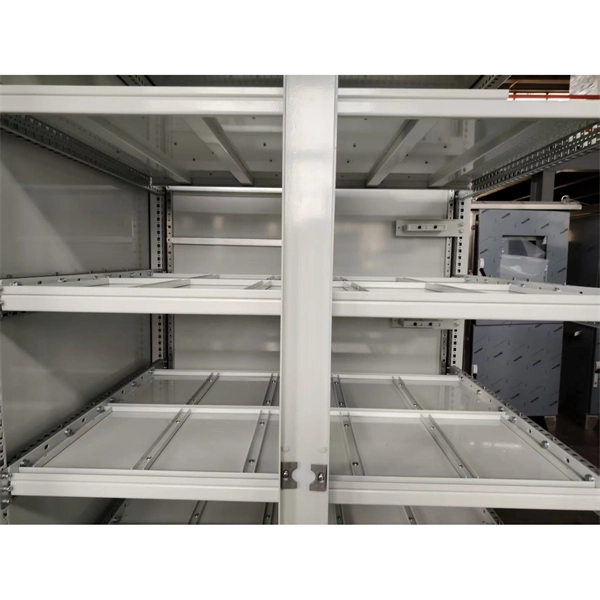
Discover the top players driving innovation, safety, and resilience in the global battery enclosures & cabinets industry. This analysis highlights unique strengths, market positioning, and recent strategies, empowering buyers and professionals to make informed decisions. We can supply customized lead acid battery rack and cabinet system for solar, UPS, Telecom, Data center etc. The cabinet or racking system can be specified to accomodate any battery cell. For deeper insights and. A tailored power protection solution during downtime VRLA (Valve Regulated Lead Acid) batteries are lead batteries with a sealed safety valve container for releasing excess gas in the event of internal overpressure. Their development was aimed at limiting the emission of hydrogen into the. At Mitsubishi Electric, we have the products and expertise to guide you through battery and battery cabinet/rack decisions to promote the life and advancement of your backup power system. There are several reasons to upsize and upgrade existing batteries to advanced technologies. C&D now offers an integrated battery cabinet solution. C&D. The HRXL series VRLA batteries are designed to provide extreme life in conventional temperatures as well as longer life than traditional VRLA batteries in high temperatures. Perfectly suited to any application that requires a high-rate current over a short period, this series combines proven high.
[PDF]
Based on electrical power systems, leveraging renewable energy generation technology, and information technology, the energy internet fuses power grids, gas networks, heat/cold supply networks, electri.
[PDF]
This article deals with a thorough investigation of the energy internet towards future emerging technologies for energy distribution and management to solve existing limitations and enhance the performanc.
[PDF]