Knowing when to use which color code can help you save time and prevent mistakes from occurring on the job. You'll likely need to use a tray cable with the E-1 color code if you're working on an electrical or utility application. When the project is n. Knowing when to use which color code can help you save time and prevent mistakes from occurring on the job. You'll likely need to use a tray cable with the E-1 color code if you're working on an electrical or utility application. When the project is not NEC-applicable, E-1 is OK to use. Locations where you'll likely encounter this color scheme incl. Based on the color combinations you see, you'll be able to determine what the wire is being used for. If you were to cut a cross-section of Kris-Tech wire and look at it head-on, you'd see a series of colored conductors arranged in a circle around the main conductor. Depending on which end of the cable you're looking at, you can read the colors clo. No matter the job type, rest assured there's a tray cable engineered to fit the job. Kris-Tech is ready for your next job with UL 1277 certified vinyl nylon tray cable (VNTC) and cross-linked polyethylene tray cable(XPTC). Whether you need some tray cable color-coded to meet NEC guidelines or want it custom-colored to match your preferences, Kris-T.
[PDF]
A2: According to EIA/TIA-598, the fiber optic cable color code defines the jacket color codes for different fiber types (SMF or MMF). Fiber optic color codes provide the essential identification framework that enables fiber technicians and network professionals to manage complex optical network installations efficiently. This standardized fiber optic color coding system helps prevent costly connection errors while dramatically. Understanding fiber‑optic color codes is essential for any technician tasked with installing, maintaining, or troubleshooting modern fiber networks. By adopting the TIA/EIA‑598C standard, you gain a universal “language” of colors that speeds identification, reduces miswiring, and enhances safety. The TIA-598-D standard defines a standardized color-coding system that engineers and technicians rely on to identify different types of fiber optic cables, connectors, and individual fibers. Designed for durability and reliability, the sleeves are constructed with an inner EVA meltable adhesive tube, and a polyolefin heat shrink outer tube. The strength member within the sleeve is made of. Color codes are used in fiber optics to identify fibers, cables and connectors. This coding system is the EIA/TIA-598 standard developed by the Electronic Industries Alliance (EIA) and the Telecommunications Industry.
[PDF]
The cost to install fiber optic cable ranges from $1. 50 to $42 per foot, with installation costs accounting for 60-80% of total project expenses. According to the Fiber Broadband Association's 2025 report, median costs are $8 per foot for aerial builds and $18 per foot for. Fiber optic cable installation costs between $1,500 and $7,000 for your home, with prices varying by cable length and installation method. The installation type you choose and the layout of your property determine the total labor and materials needed for your project. You should account for permit. Buying fiber optic installation services involves several cost components, with total price influenced by length, location, and access. This guide presents typical price ranges in USD to. Understanding the costs of fiber optic cable is a top concern for businesses planning network infrastructure upgrades. Whether you're expanding your data center, connecting multiple buildings, or future-proofing your connectivity, accurate pricing information helps you budget effectively. This guide breaks down everything you need to know before starting your fiber installation project.
[PDF]
Prices typically range from about $0. 50 per foot for fiber optic cable and basic installation, depending on indoor vs outdoor routing, distance, and terrain. Commercial building installations with 100-200 network drops generally range from $15,000 to $30,000. Single-mode fiber costs less per foot than multimode fiber, but it requires more. Buyers typically see a wide range in fiber cost per foot depending on cable type, installation method, and terrain. The main cost drivers include cable type (single-mode vs multimode), whether the run is indoors or outdoors, trenching or direct burial requirements, and labor time. This guide presents cost ranges in USD and highlights how per-foot pricing translates to total project costs for typical. The Fiber Broadband Association has partnered with Cartesian to research the cost of deploying fiber and provide insight on how these costs are evolving over time. In preparing this second edition of the Fiber Deployment Cost report, Cartesian gathered inputs from a wide variety of firms building. 1) Proofing and Placement - Per foot pricing for proofing and placement of approximately 1,856,332 ft (351. 864F Prysmian non-armored ribbon cable (24 Fibers per ribbon) into existing empty. conduit (price includes the provision of redline documentation, fiber cable. Buyers typically pay for the cable itself, termination hardware, and professional installation. The following guide outlines typical costs, with practical ranges in USD.
[PDF]
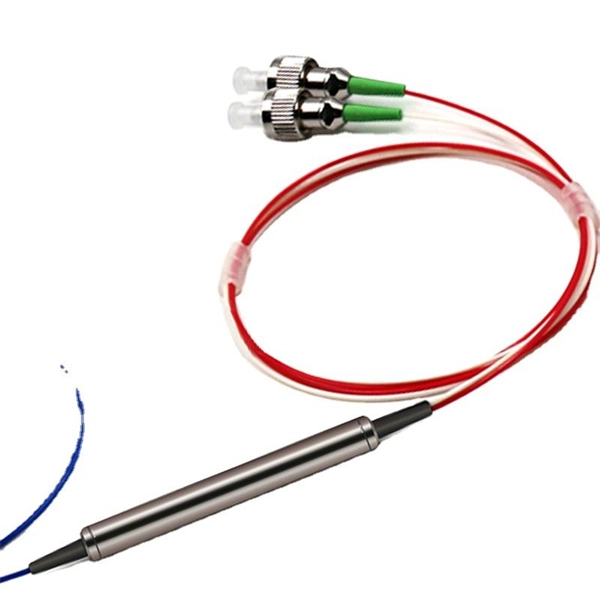
The price per foot includes the fiber itself, connectors, and basic installation factors, with main drivers being cable type, distance, and any required conduit or termination hardware. This article outlines cost expectations, price ranges, and practical savings. Fiber-optic cable materials typically cost $1 to $6 per linear foot, depending on fiber count and cable type. Commercial building installations with 100-200 network drops generally range from $15,000 to $30,000. Single-mode fiber costs less per foot than multimode fiber, but it requires more. Typically, per drop fiber cabling prices range from $250 – $1000 per drop depending on the type of fiber (OM2, OM3, OM4, or OM5), multi or single mode, PVC or plenum, average drop length, and also the number of fibers in each cable. This. Whether you need singlemode, armored, or indoor plenum, this guide gives you the exact cost per foot of fiber optic cable — including installation — so you can budget without guesswork. Data aggregated from Q1 2026 contractor invoices across Texas, Ohio, and North Carolina. The installation type you choose and the layout of your property determine the total labor and materials needed for your project. Cost for fiber cabling projects.
[PDF]
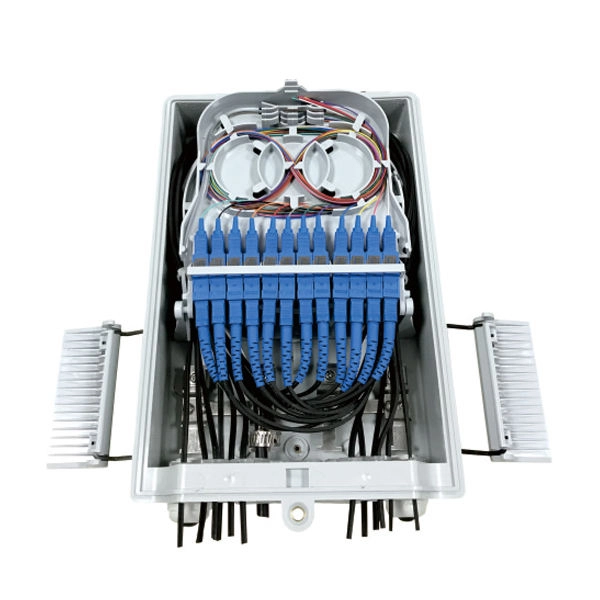
Total number of cores = Number of branches × Number of cores per branch If there are no branches, the number of branches equals one. For example, an MTP®-8 trunk cable with four branches and eight cores per branch has a total of 32 cores (4 × 8 = 32). For example, if you have three optical fiber access switches, you need to have three cores. (actually use a four core optical cable) This is because apart from one-core optical fiber, there are basically no optical cables with an odd number of cores, such as three-core, five-core, etc. It is worth. Fiber cores are the heart of fiber optic cables, transmitting light signals that carry data. Made from either high-quality glass or plastic, the core plays a critical role in determining the cable's performance. The total number of cores for a 1pc fiber patch cable is calculated as the number of. One key factor is the number of cores, which impacts how much data you can transmit. Single-mode: A. Common fiber cores include 1 core, 2 cores, 6 cores, 8 cores, etc., and there are many types. This article will focus on the number of fiber cores, introducing their respective characteristics and usage scenarios. Of course, this is a general situation, and it can be considered as follows: 1.
[PDF]
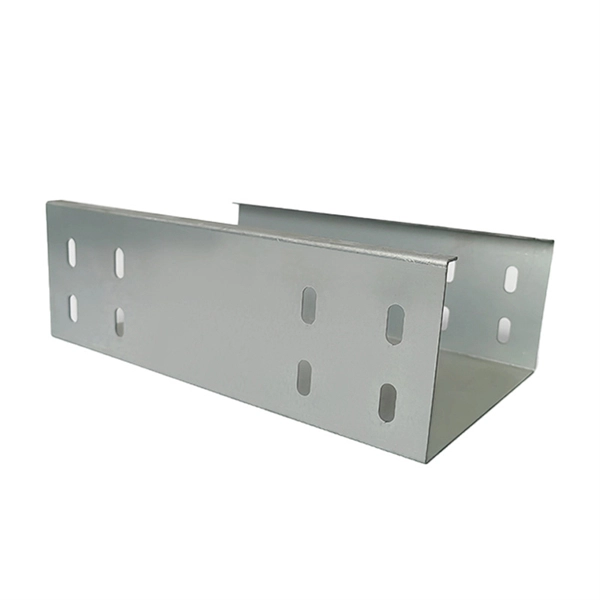
Our customers can count us for buying Electrical Cable Tray, Ladder Cable Tray, PVC Cable Tray, Mild Steel Cable Tray, Perforated Cable Tray, Raceway, Stainless Steel Cable Tray In Niger. We have our exceptional range designed and. Brilltech Engineers Pvt. brings the Cable Trays in Niger just for you! We, one of the well-known Cable Trays Manufacturers in Niger, offer top-notch trays that keep your electrical system organized and protected. Our durable, high-quality trays come in various sizes and styles to fit any. Looking for a trusted source to buy Cable Tray In Niger? Brilltech Engineers Pvt. Ltd is the one you can reach. We have a highly experienced team, well-loaded manufacturing unit and a lot more to match up the ever-evolving needs of our customers. Moreover, our focus on maintaining high quality and. Micro Sheet Crafts have been involved in offering a wide range of storing systems and solutions, as per the requirements of the customers. We offer Cable Tray in Niger in different specifications at competitive market prices. We believe in building fruitful business partnerships. Every buyer chooses us. Cable House has earned loads of appreciation in the market as one of the reputed manufacturers of Cable Tray in Niger.
[PDF]
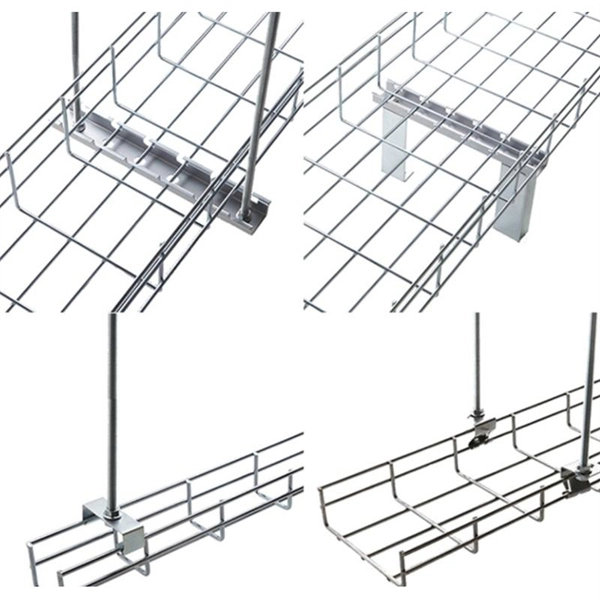
Discover our wide range of High-Quality Cable Trays that are manufactured in Kenya. Our Cable Trays Provide an economical and effective method of protecting, supporting, and transporting cables in commercial & industrial installations. Available in Galvanized . Galvanized cable tray systems support reliable electrical installations across Kenya's growing infrastructure projects. Contractors choose galvanized cable tray products for durability and corrosion resistance. Therefore, developers rely on these systems in commercial and industrial buildings. Available in Galvanized, Powder coated, or both. The main. Buy Galvanized cable trays in Kenya from Hubtechshop in Nairobi, Kenya 25mm x 50mm Galvanized cable trays for Metallic Trunking brings out a stylish finish when it comes to structured cabling either for the power of for data cables as they create a path in a building where these cables pass. Duff Engineering is your trusted provider of premium cable trays in Kenya. We offer competitive Cable trays prices in Kenya to suit various industrial and commercial applications. Cable trays can be mounted onto a wall or suspended from a ceiling to provide a track that allows cables and wires to be routed around a building in an easily maintainable manner. Often made of galvanized or stainless.
[PDF]
Active Optical Cables simplify high-speed networking by embedding tiny optical transceivers directly into the cable ends. Inside one compact assembly, electrical signals convert to light pulses, travel through the fiber core, then reconvert to electrical form—eliminating separate. When traditional copper cables hit their physical limits, Active Optical Cables (AOCs) emerge as the superior solution for demanding, high-bandwidth applications. These change electrical signals into optical signals and back. This gives. Active optical cable (AOC) is a high-performance communication cable used for short-range multi-lane communication and interconnected applications. Unlike traditional fiber-optic cables, which require external transceivers to send and receive signals, AOC cable have the necessary transceivers integrated. Thanks to the intricate design of Active Optical Cables, which allows for flexibility and gives an extra advantage of unmatched stability. Alt Text: A Group of AOC Cables with Different Connectors In the following paragraphs, you will be broadly enlightened about every aspect of the cutting-edge. Active Optical Cables (AOCs) are an innovative type of data transmission technology that has come forth to fill the gap between the old copper cables and the ever-advancing fiber optics. Unlike the traditional methods, AOCs are explicitly structured to provide long-distance connecting devices to.
[PDF]

This interactive submarine cable map shows global undersea and underwater fiber optic cables connecting continents and countries worldwide. Explore cable routes, landing stations, system status and infrastructure updates. This visualization shows the growth of the undersea cable network, global internet peering capacity, and the distribution of IP addresses via BGP announcements over time. Use the controls at the top to play the animation or step through year by year. For more details and insights, please read this. Deep Sea Laying System will dominate with a 59. 0% market share, while digital communication infrastructure will lead the application segment with a 64. The offshore fibre optic cable lay market is valued at USD 3. 0 billion in 2025 and is forecasted to reach USD 6. 5 billion by 2035. Fibre-optic Link Around the Globe (FLAG) is a 28,000-kilometre-long (17,398 mi; 15,119 nmi) fibre optic mostly- submarine communications cable that connects the United Kingdom, Japan, India, and many places in between. As digital economies expand and geopolitical tensions shape technological dependencies, undersea cables emerge not. The global Offshore Fibre Optic Cable Lay market size is expected to reach $ 4745 million by 2031, rising at a market growth of 7. 8% CAGR during the forecast period (2025-2031). Offshore Fibre Optic Cable Lay refers to the process of installing fibre optic cables on or beneath the seabed to enable.
[PDF]
Assess cable damage, identify bent or kinked sections, and determine length of damage before applying straightening techniques using wire strippers, cable straightener tools, and needle-nose pliers. Assessing cable damage is the first crucial step in treating and preventing future. Straightening wires prevents unsightly kinks if you're making jewelry, or makes them easier to organize and work with for any other project. If you need to straighten out a wire, there are a couple of ways you can do it using a few tools. Within just a few minutes, you can make the wire's bends and. In this video I'll show you How to Remove Kinks From Cables and straighten your cable again. In this video I will show you one of these methods and that is by using hot water. This will relax the cables. more In. Anyone who has tried straighten wire by hand knows how frustrating it can be. One common method is to fix one end and tighten the other end in a drill chuck. Apply tension to the wire while turning the drill slowly. You wouldn't need any chemicals and products or even exert that much effort at all. I use several useful tricks in doing.
[PDF]
This video makes connecting your fiber optic cable to your router a breeze! We'll guide you through the entire process step-by-step, ensuring a smooth and hassle-free experience. Our Experts are helping user's, who are facing issues with their tech gadgets like. In this guide, we'll walk you through how to connect a fiber optic cable to a router safely and efficiently. Why Use Fiber Optic Internet? Before diving into the setup, let's quickly recap why fiber optics are worth the effort: Lightning-fast speeds (up to 1 Gbps or higher). This comprehensive guide combines industry standards with field-tested practices to ensure you achieve a rock-solid. Setting up a fiber internet connection requires understanding key hardware components and following a specific connection sequence to establish your home network. This guide details the necessary physical and digital steps to connect your fiber line and activate your internet service. If you. Connecting a fiber optic cable to a router might seem daunting at first, but with the right tools and a bit of patience, it's a straightforward process. Here's a step-by-step guide to help you through it. Check compatibility: Before you begin, make sure your router supports fiber optic connection. Not all routers can connect directly to a fiber cable, so it is important to verify this information before continuing.
[PDF]
PoE delivers 44-57v of DC power over unshielded twisted-pair wiring for terminals consuming up to 25 watts, depending on the version of the standard in use. Power over Ethernet (PoE) describes any of several standards or ad hoc systems that pass electric power along with data on twisted-pair Ethernet cabling. This allows a single cable to provide both a data connection and enough electricity to power networked devices such as wireless access points. Imagine powering your entire network infrastructure through the same cables that carry your data, eliminating the need for separate power supplies and electrical outlets near every device. This isn't a futuristic concept—it's the reality that power over Ethernet has made possible since 2003. While PoE doesn't add Ethernet data capabilities, it does offer expanded options for how and where Ethernet end devices can be. Power over Ethernet is a technology that allows IP telephones, wireless LAN Access Points, security network cameras and other IP-based terminals to receive power, in parallel to data, over the existing CAT-5 Ethernet infrastructure without the need to make any modifications. The simple nature eliminates the need for multiple power supplies, and allows connectivity to devices where power outlets are not available. Instead of running a separate power line to each device, PoE lets the Ethernet cable (usually a Cat5e or Cat6 cable) carry both the network connection and.
[PDF]
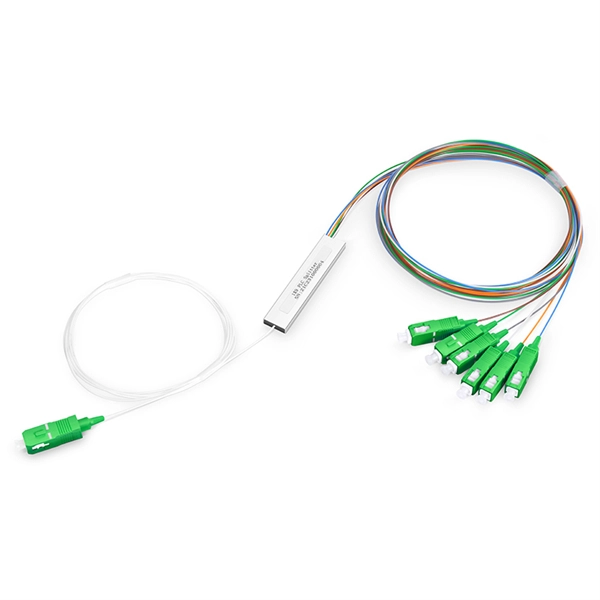
At its simplest, a pigtail connector is a connectorized stub cable: one end comes pre-terminated with a specific connector (RF, fiber, or electrical), and the other end is left unterminated (bare wires, optical fibers, or stripped conductors). A pigtail in electrical wiring is a short wire used to connect multiple wires to a single point or device. It ensures a secure connection by combining wires with a wire connector, like a twist-on connector or a wire nut, and then linking them to the intended terminal or fixture. It acts as a jumper between the device terminal and the spliced bundle of circuit wires. This technique ensures the device is. A fiber optic pigtail is actually the end of a fiber optic cable with fiber optic connectors on both sides of the cable only, leaving no connectors on the other side so that the connector side can come from the device and the other side can be fused together with the fibers of the optical cable. There was probably 5 of these pigtails in the panel. He also twisted a few of the ground wires together and crimped them under a crimp sleeve, then ran a single wire underneath. I need to connect an additional 8-pin power connector, and I have a pigtail lying around. My PSU is an 850W model, so power isn't an issue. Professionals often prefer this method because it isolates issues, protecting downstream circuits from cascading failures. Why does this matter? Modern systems demand precision.
[PDF]
In this guide, we will walk you through the process of setting up a network switch, from selecting the right equipment to connecting and testing the network. Ethernet switches, also called network switches, connect multiple devices via Ethernet cables. In contrast, a router connects your local area network (LAN) to the internet's. A practical, current guide to planning, pulling and terminating Cat6/Cat6A cable — tools, techniques, testing and labeling for reliable results. By Thomas McCormack • Updated Mar 17, 2026 • 12 min read • Lead Technician and Engineer, Data Wire Solutions Disclosure: Some links may be affiliate. With an Ethernet cable, you can hardwire your devices to your network, providing fast and efficient. Your ethernet switch doesn't come with any ethernet cables, so you want to have some on hand when setting up your switch. You'll need one cable to connect your ethernet switch and router together (assuming you want to provide your devices with an ethernet connection to the internet), and an. A network switch is a crucial component in any modern network, enabling seamless communication between devices. By the end of this tutorial. Connecting a network switch involves physically connecting devices using Ethernet cables and configuring them as needed, ultimately expanding your network connectivity and improving network performance. Connecting a network switch is a foundational skill for anyone managing a home or small business.
[PDF]