We, one of the well-known Ladder Cable Trays Suppliers and Exporters from Namibia, offer a comprehensive range of cable trays manufactured using high-quality materials to ensure strength, durability, and corrosion resistance. Contact us today to discuss your. Brilltech Engineers Pvt. Ltd is one of the trusted Cable Tray Manufacturers in Namibia and brings you the products as per the need of your residential, commercial or industrial sectors. We understand the different needs of different industries and offer customized solutions accordingly. Our. Started back in 1983, Cable House is a recognized name engaged in manufacturing and supplying wide range including Hose Clamps, Cable Ties, Crimping Tools, Cable Tray, Industrial Connectors and more, to the national as well as the international market. With our manufacturing expertise, we have even. Looking for a trusted source to buy Cable Tray In Namibia? Brilltech Engineers Pvt. Ltd is the one you can reach. Moreover, our focus on maintaining high quality. With non-slip treaded covers to optimize slip resistance, the BKRS Walkable Cable Tray ensures your cables get the best defense. Chalfant Ladder Cable Tray Systems are ideal for indoor and outdoor cable management. We believe in building fruitful business partnerships. Our cable trays are designed to efficiently and securely route and support electrical cables, control cables, data cables, and fiber optic cables in.
[PDF]
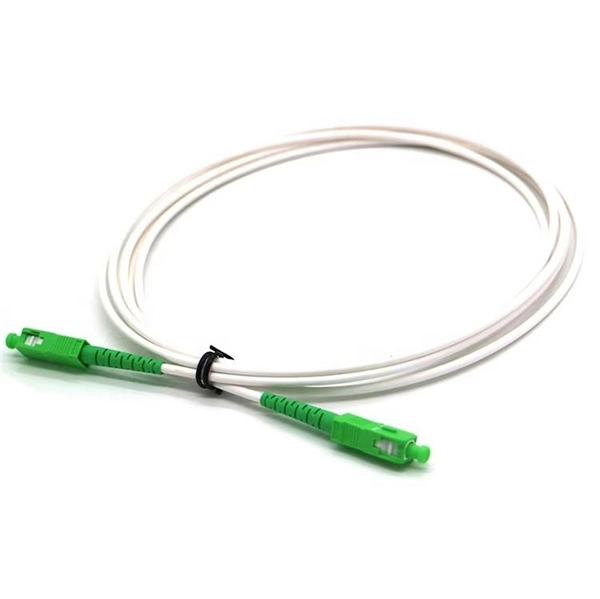
Prices typically range from about $0. 50 per foot for fiber optic cable and basic installation, depending on indoor vs outdoor routing, distance, and terrain. Commercial building installations with 100-200 network drops generally range from $15,000 to $30,000. Single-mode fiber costs less per foot than multimode fiber, but it requires more. Buyers typically see a wide range in fiber cost per foot depending on cable type, installation method, and terrain. The main cost drivers include cable type (single-mode vs multimode), whether the run is indoors or outdoors, trenching or direct burial requirements, and labor time. This guide presents cost ranges in USD and highlights how per-foot pricing translates to total project costs for typical. The Fiber Broadband Association has partnered with Cartesian to research the cost of deploying fiber and provide insight on how these costs are evolving over time. In preparing this second edition of the Fiber Deployment Cost report, Cartesian gathered inputs from a wide variety of firms building. 1) Proofing and Placement - Per foot pricing for proofing and placement of approximately 1,856,332 ft (351. 864F Prysmian non-armored ribbon cable (24 Fibers per ribbon) into existing empty. conduit (price includes the provision of redline documentation, fiber cable. Buyers typically pay for the cable itself, termination hardware, and professional installation. The following guide outlines typical costs, with practical ranges in USD.
[PDF]
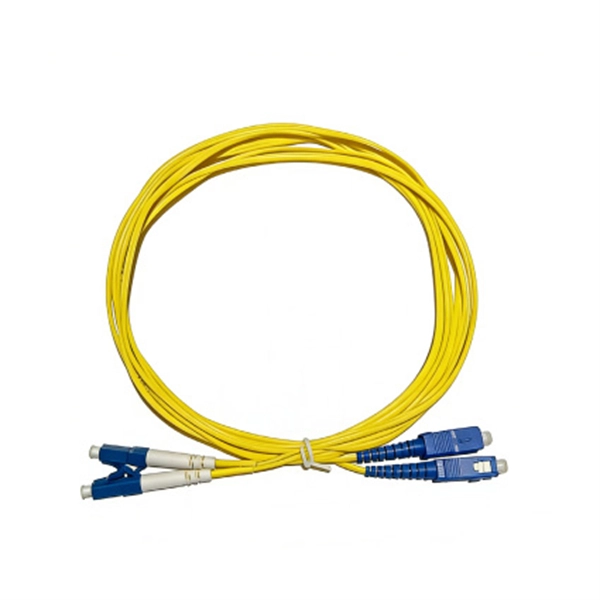
The cost to install fiber optic cable ranges from $1. 50 to $42 per foot, with installation costs accounting for 60-80% of total project expenses. According to the Fiber Broadband Association's 2025 report, median costs are $8 per foot for aerial builds and $18 per foot for. Fiber optic cable installation costs between $1,500 and $7,000 for your home, with prices varying by cable length and installation method. The installation type you choose and the layout of your property determine the total labor and materials needed for your project. You should account for permit. Buying fiber optic installation services involves several cost components, with total price influenced by length, location, and access. This guide presents typical price ranges in USD to. Understanding the costs of fiber optic cable is a top concern for businesses planning network infrastructure upgrades. Whether you're expanding your data center, connecting multiple buildings, or future-proofing your connectivity, accurate pricing information helps you budget effectively. This guide breaks down everything you need to know before starting your fiber installation project.
[PDF]
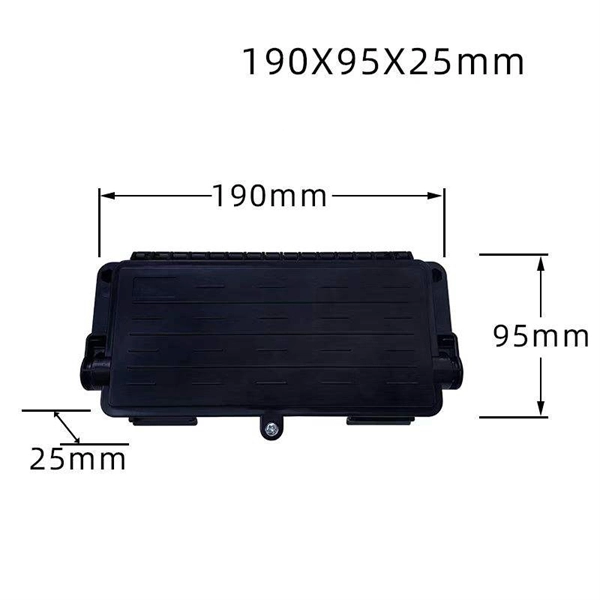
We, the best Perforated Cable Trays Manufacturer and Supplier in Moldova, offer a wide range of perforated cable trays in various sizes and configurations to suit diverse applications. Our Cable Trays in Moldova are designed for quick and easy. Started back in 1983, Cable House is a recognized name engaged in manufacturing and supplying wide range including Hose Clamps, Cable Ties, Crimping Tools, Cable Tray, Industrial Connectors and more, to the national as well as the international market. With our manufacturing expertise, we have even. If you are searching for Cable Tray in Moldova, Brilltech Engineers Pvt. is a trusted brand that you can rely on. We have a well-equipped manufacturing unit with all the advanced resources to cater to your distinct requirements as per your industry preferences. Our cable trays are manufactured from robust materials and rigorously tested to ensure they can withstand even the most demanding environments. brings the Cable Trays in Moldova just for you! We, one of the well-known Cable Trays Manufacturers in Moldova, offer top-notch trays that keep your electrical system organized and protected. We, one of the trusted Mild Steel Cable Tray Manufacturers.
[PDF]
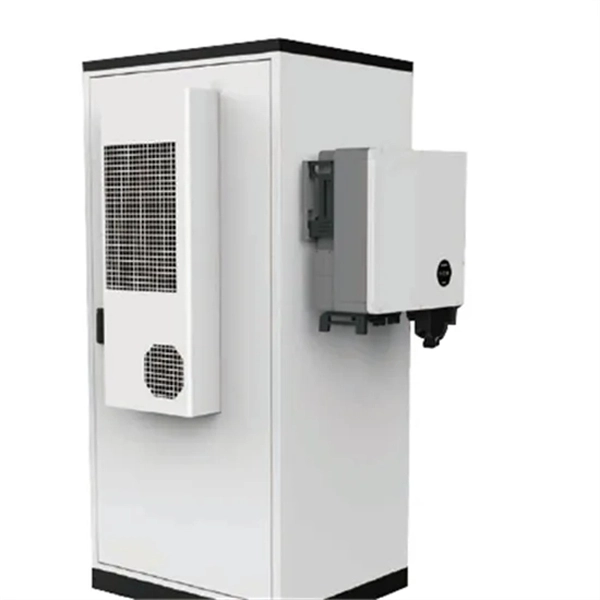
Active Optical Cables simplify high-speed networking by embedding tiny optical transceivers directly into the cable ends. Inside one compact assembly, electrical signals convert to light pulses, travel through the fiber core, then reconvert to electrical form—eliminating separate. When traditional copper cables hit their physical limits, Active Optical Cables (AOCs) emerge as the superior solution for demanding, high-bandwidth applications. These change electrical signals into optical signals and back. This gives. Active optical cable (AOC) is a high-performance communication cable used for short-range multi-lane communication and interconnected applications. Unlike traditional fiber-optic cables, which require external transceivers to send and receive signals, AOC cable have the necessary transceivers integrated. Thanks to the intricate design of Active Optical Cables, which allows for flexibility and gives an extra advantage of unmatched stability. Alt Text: A Group of AOC Cables with Different Connectors In the following paragraphs, you will be broadly enlightened about every aspect of the cutting-edge. Active Optical Cables (AOCs) are an innovative type of data transmission technology that has come forth to fill the gap between the old copper cables and the ever-advancing fiber optics. Unlike the traditional methods, AOCs are explicitly structured to provide long-distance connecting devices to.
[PDF]
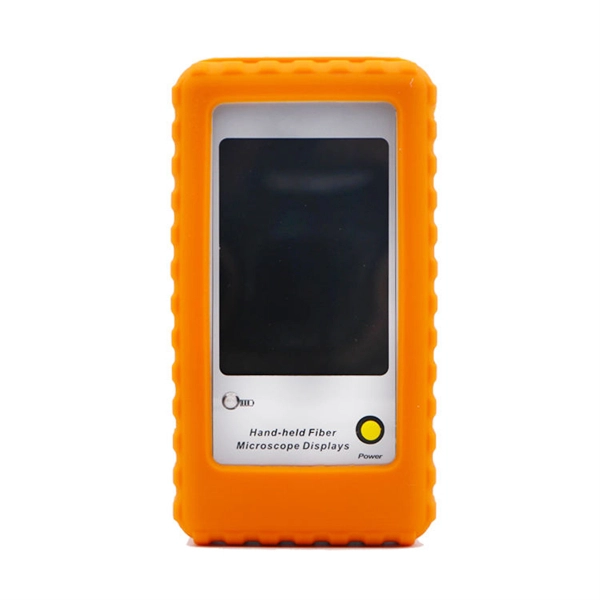
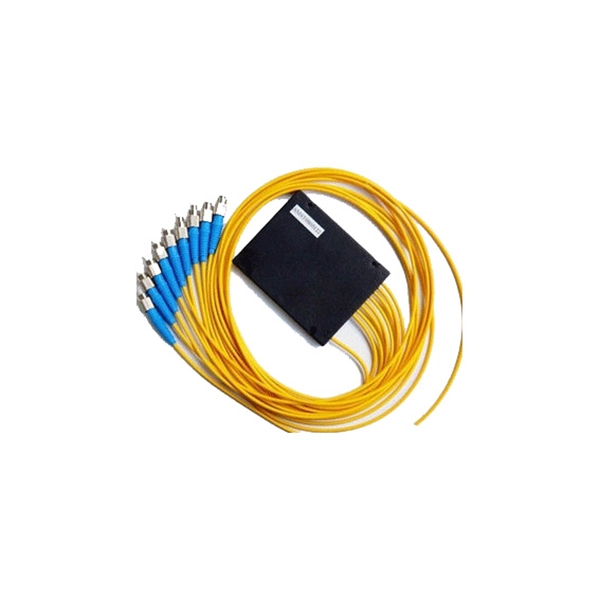
Optical splitters enable a signal on an optical fiber to be distributed among two or more fibers. Since fiber splitters contain no electronics nor require power, they are an integral component and widely used in most fiber-optic networks. A fiber optic splitter is a passive optical component that divides a single incoming optical signal into two or more outgoing signals, or combines multiple incoming signals into one. Unlike active devices (which require power), splitters operate without electricity, relying solely on the physics of. Optical cables, also known as fiber optic cables, consist of thin strands of glass or plastic fibers surrounded by a protective casing. These fibers transmit data as light signals, which are converted into electrical signals at the receiving end. The benefits of optical cables are numerous. A fiber-optic splitter, also known as a beam splitter, is based on a quartz substrate of an integrated waveguide optical power distribution device, similar to a coaxial cable transmission system. Its primary role is in Passive Optical Networks (PON), which are the foundation of. A fiber broadband provider typically determines and overall split ratio for the network, such as 1x32 or 1x64, and uses combinations of splitters to meet that ratio with each PON port. 1x32 splits were common in North America for G-PON architectures. As XGS-PON continues to be adopted, some service.
[PDF]
The digital optical audio cable by AmazonBasics is among the best there is in the market. I highly recommend this product to everyone looking for a dependable Toslink cable. You can conveniently connect an.
[PDF]
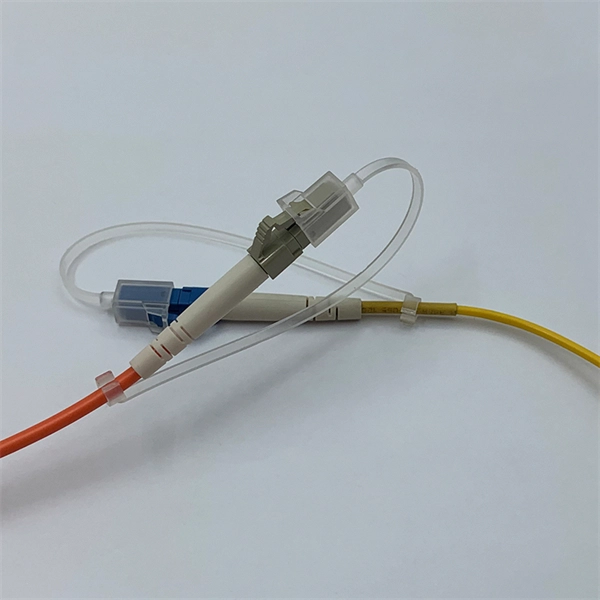
If you're looking for CABLE TRAYS suppliers or exporters or manufacturers in the guatemala, refer to our below-given list. Trademo Intel provides the latest World Import Export Data and supply chain intelligence for any country faster than anyone else in the market. Jeetmull Jaichandlall (P) Ltd. is one of the trustworthy Cable Tray Manufacturers In Guatemala that is here to fulfill all your wire mesh and netting tools needs. We believe in building fruitful business partnerships. Every buyer chooses us first because of our excellent finishing and high-quality. Keep your cables safe and organized with our high-quality cable trays. Cable Trays are important for ensuring the protection of the wiring system and supporting insulated electric cables used for distribution and communication. Brilltech Engineers Pvt. Ltd is the one you can reach. We have a highly experienced team, well-loaded manufacturing unit and a lot more to match up the ever-evolving needs of our customers. Being one of the. Cable House has earned loads of appreciation in the market as one of the reputed manufacturers of Cable Tray in Guatemala. Since we are loaded with the right resources, we have been involved in offering our products in a comprehensive range in order to meet the requirements of the different. guatemala is one of the leading manufacturers, suppliers or exporters of CABLE TRAYS in the global trade market. In 2020, the nation has exported CABLE TRAYS worth of billion USD.
[PDF]
Fibre Channel is standardized in the of the International Committee for Information Technology Standards (), an (ANSI)-accredited standards committee. Fibre Channel started in 1988, with ANSI standard approval in 1994, to merge the benefits of multiple physical layer implementations including, and. Fibre Channel was designed as a to overcome limitations of the SCSI and HIPPI physic.
[PDF]
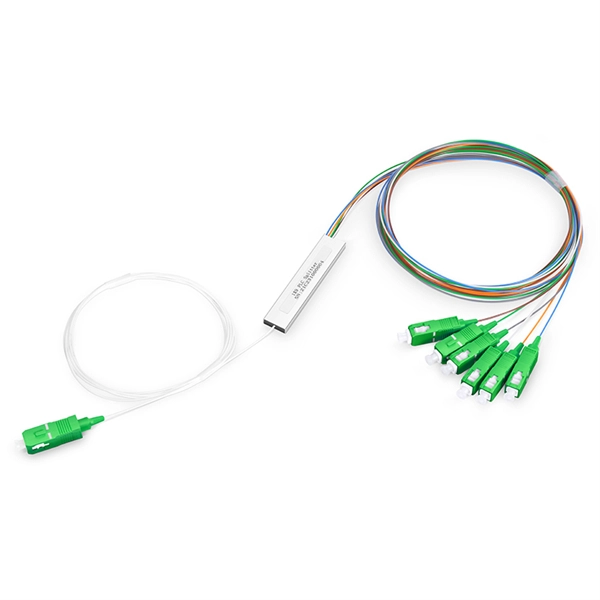
Assess cable damage, identify bent or kinked sections, and determine length of damage before applying straightening techniques using wire strippers, cable straightener tools, and needle-nose pliers. Assessing cable damage is the first crucial step in treating and preventing future. Straightening wires prevents unsightly kinks if you're making jewelry, or makes them easier to organize and work with for any other project. If you need to straighten out a wire, there are a couple of ways you can do it using a few tools. Within just a few minutes, you can make the wire's bends and. In this video I'll show you How to Remove Kinks From Cables and straighten your cable again. In this video I will show you one of these methods and that is by using hot water. This will relax the cables. more In. Anyone who has tried straighten wire by hand knows how frustrating it can be. One common method is to fix one end and tighten the other end in a drill chuck. Apply tension to the wire while turning the drill slowly. You wouldn't need any chemicals and products or even exert that much effort at all. I use several useful tricks in doing.
[PDF]
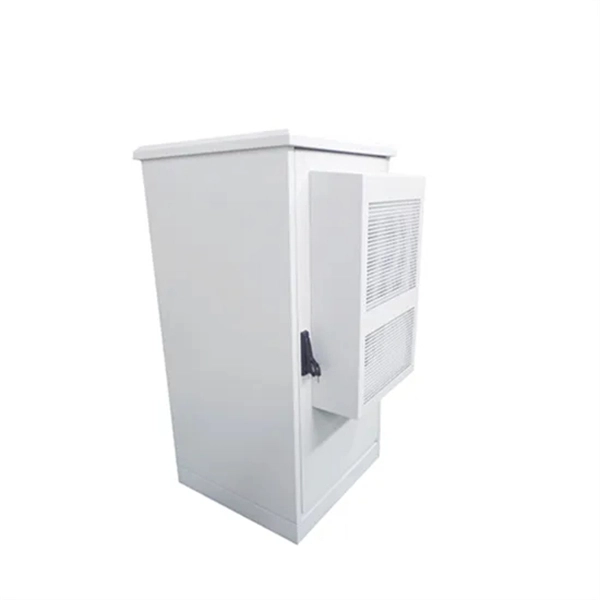
PoE delivers 44-57v of DC power over unshielded twisted-pair wiring for terminals consuming up to 25 watts, depending on the version of the standard in use. Power over Ethernet (PoE) describes any of several standards or ad hoc systems that pass electric power along with data on twisted-pair Ethernet cabling. This allows a single cable to provide both a data connection and enough electricity to power networked devices such as wireless access points. Imagine powering your entire network infrastructure through the same cables that carry your data, eliminating the need for separate power supplies and electrical outlets near every device. This isn't a futuristic concept—it's the reality that power over Ethernet has made possible since 2003. While PoE doesn't add Ethernet data capabilities, it does offer expanded options for how and where Ethernet end devices can be. Power over Ethernet is a technology that allows IP telephones, wireless LAN Access Points, security network cameras and other IP-based terminals to receive power, in parallel to data, over the existing CAT-5 Ethernet infrastructure without the need to make any modifications. The simple nature eliminates the need for multiple power supplies, and allows connectivity to devices where power outlets are not available. Instead of running a separate power line to each device, PoE lets the Ethernet cable (usually a Cat5e or Cat6 cable) carry both the network connection and.
[PDF]
Interactive anomalies of pipelines represent important contributors to pipeline incidents, but monitoring interactive anomalies is challenging. This paper presents an approach to monitor interactive bend.
[PDF]
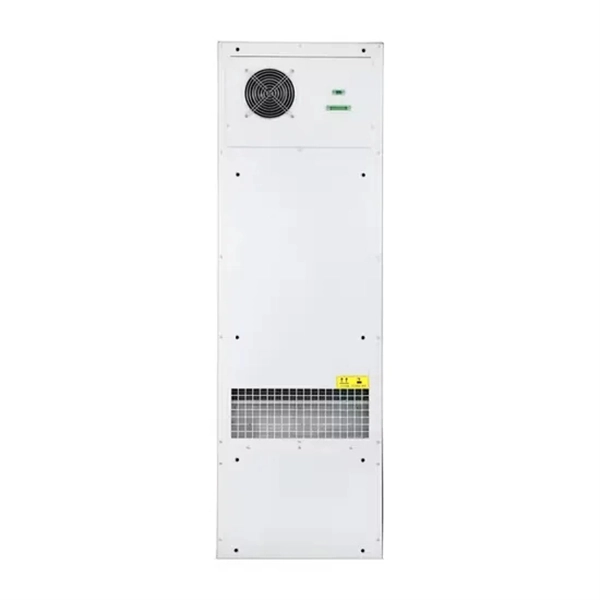
We terminate fiber optic cable two ways - with connectors that can mate two fibers to create a temporary joint and/or connect the fiber to a piece of network gear or with splices which create a permanent joint between the two fibers. Proper connection of fiber optic cables is essential to harness these benefits fully, as even minor errors can lead to significant performance issues like signal loss. These terminations must be of the right style, installed in a. Running fiber internally involves extending this high-speed link from the service entry point to a centralized location, such as a dedicated media closet or network rack. This DIY effort is undertaken to maximize performance, improve aesthetics, or relocate the Optical Network Terminal (ONT) to a. In this video, we'll guide you through preparing and terminating fiber optic cables using SimplyFiber products, known for their high quality, ease of use, and reliability. more Audio tracks for some languages were automatically generated. Two types of splices are used in fiber optic cabling one is Mechanical the other is Fusion. Whether you're installing a new network, expanding an existing one, or. But here's the thing: how you connect fiber optic cable really matters. A shaky connection means weaker signals, dropped streaming, or slow uploads. Get the hookup right, and you'll enjoy streaming, gaming, and video calls without interruptions.
[PDF]
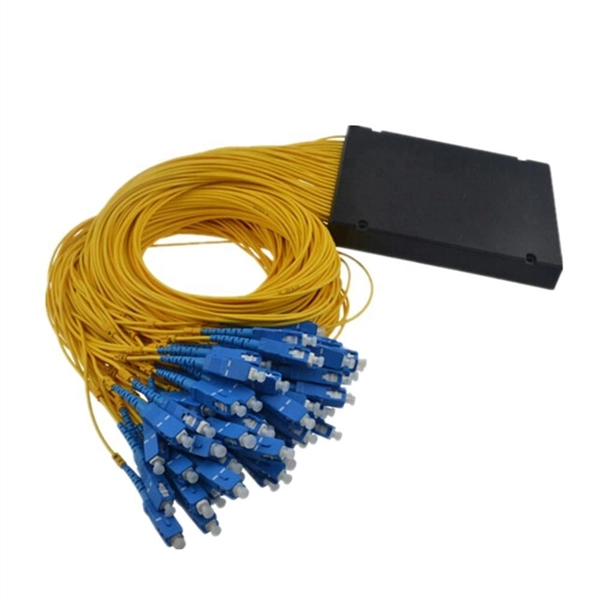
This step-by-step guide aims to provide a comprehensive understanding of the techniques and considerations involved in successfully connecting optical fibers, offering invaluable insights for professionals and enthusiasts in the field. In high-speed data networks, the seamless integration of fiber optic cables with SFP (Small Form-Factor Pluggable) modules is critical for reliable signal transmission. SFP transceivers bridge electrical and optical signals, making them indispensable in data centers, telecom networks, and. Proper connection of fiber optic cables is essential to harness these benefits fully, as even minor errors can lead to significant performance issues like signal loss. This article will guide you through the necessary tools, materials, and methods on how to connect fiber optic cables effectively. This section describes how to install optical transceivers on the SFP or SFP+ ports and connect them to the ports of the peer device using optical fibers according to the network plan. The USG supports both 1 Gbit/s, 10 Gbit/s, and 40 Gbit/s optical modules. The optical modules at both ends are. There are many types of fiber optic connectors, including SC, LC, FC, ST, D4, MU, MT/MPO, etc. These connectors can be divided into single-mode and multi-mode fiber optic connectors according to their structure and purpose. In this tutorial.
[PDF]
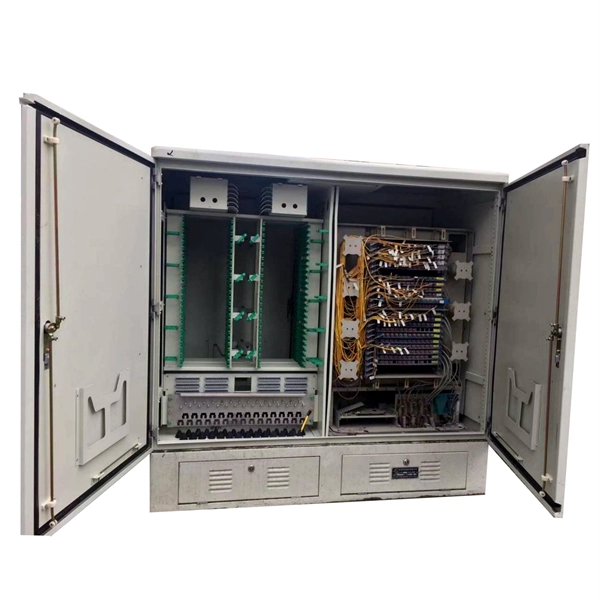
At its simplest, a pigtail connector is a connectorized stub cable: one end comes pre-terminated with a specific connector (RF, fiber, or electrical), and the other end is left unterminated (bare wires, optical fibers, or stripped conductors). A pigtail in electrical wiring is a short wire used to connect multiple wires to a single point or device. It ensures a secure connection by combining wires with a wire connector, like a twist-on connector or a wire nut, and then linking them to the intended terminal or fixture. It acts as a jumper between the device terminal and the spliced bundle of circuit wires. This technique ensures the device is. A fiber optic pigtail is actually the end of a fiber optic cable with fiber optic connectors on both sides of the cable only, leaving no connectors on the other side so that the connector side can come from the device and the other side can be fused together with the fibers of the optical cable. There was probably 5 of these pigtails in the panel. He also twisted a few of the ground wires together and crimped them under a crimp sleeve, then ran a single wire underneath. I need to connect an additional 8-pin power connector, and I have a pigtail lying around. My PSU is an 850W model, so power isn't an issue. Professionals often prefer this method because it isolates issues, protecting downstream circuits from cascading failures. Why does this matter? Modern systems demand precision.
[PDF]