Grounding in cable trays allows electrical leakage from the outer surfaces of the conductors to be channeled into the tray. It helps to safely direct dangerous currents that may result from electrical faults to the ground. Cable tray may be used as the Equipment Grounding Conductor (EGC) in any installation where qualified persons will service the installed cable tray system. There is no restriction as to where the cable tray system is installed. The metal in cable trays may be used as the EGC as per the limitations. Enhanced safety: Grounding provides a safe path for fault currents to flow, significantly reducing the risk of electric shock to personnel and preventing damage to equipment due to overvoltage or insulation failure. It also safeguards against fire hazards caused by excessive heat generated during. that system to lose its UL Classification. If you take what UL states literally, ANY cut to tray (ladder or wi e) would cause a loss of UL Classification. The methods and materials used may vary depending on the structure of the installation. However, the main principle should always be to ensure safe and effective grounding. These systems provide an efficient and adaptable solution for managing a wide range of cables, including power cables, control cables, Ethernet, and fiber optic lines. The flexibility and scalability of cable trays make them an ideal choice for environments where cable density and organization can.
[PDF]
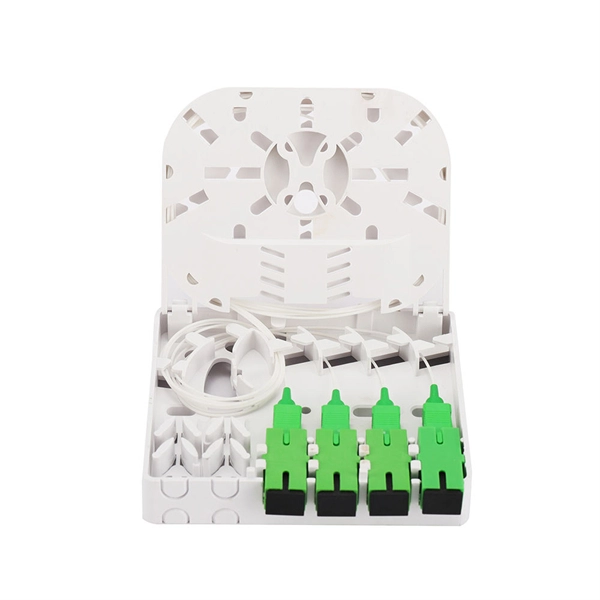
Used in applications ranging from residential FTTH (Fiber to the Home) to large-scale industrial telecom networks, splice trays vary in design, capacity, and price depending on functionality and environment. Modern telecommunications depend on ftth cable tray as basic building blocks for fast data transfer over great distances. These devices and systems use light to transport data and provide better dependability and bandwidth than conventional copper connections. They are indispensable in many. Optical fiber cable trays are essential components in modern electrical and telecommunications infrastructure. Used across data centers, industrial facilities, commercial buildings, and telecom networks, these trays provide structured, secure, and organized pathways for fiber optic cables. They include the following: Fiber reinforced cable trays have superior strength and, at the same time, are lightweight. This comes as a result of the fiber materials that are reinforced with plastics, which are also known as FRP. Main cost drivers include cable grade (indoor vs outdoor, armoured), distance, and labor for trenching, splicing, and termination. These structures, typically made from materials such as steel, aluminum, or fiberglass, are designed to support and protect cables, wires, and. In the realm of electrical equipment and supplies, fiber optic cable management trays play a crucial role in ensuring organized and efficient cable management.
[PDF]
Step-by-step cable tray and conduit installation method with safety, quality and inspection procedures as per IEEE standards. Distribution of low-voltage and security equipment, IT solutions and Datacenters. List of suppliers for Cable trays Morocco. Request for quotes, good deals, exporters. by Kerix, the B2B leader in Morocco. by Kerix-export, B2B and market analysis for Moroccan exporters. Brilltech Engineers Pvt. brings the Cable Trays in Morocco just for you! We, one of the well-known Cable Trays Manufacturers in Morocco, offer top-notch trays that keep your electrical system organized and protected. Our durable, high-quality trays come in various sizes and styles to fit any. This method statement covers the site installation of the cable tray & ladders and the requirements of checks to be carried out. The Cable Tray system is installed in electrical rooms, plant rooms, and service corridors. This section will guide you through the necessary steps to ensure a successful. Instrumentation cable trays are critical for organizing and protecting electrical and signal cables in industrial environments. The objective is to ensure safety, quality and compliance during the.
[PDF]
This section provides an overview for wire mesh trays as well as their applications and principles. Here are the top-ranked wire mesh tray companies as of April, 2026: 1. Code Electric Products Ltd. Brilltech Engineers Pvt. brings the Cable Trays in Greece just for you! We, one of the well-known Cable Trays Manufacturers in Greece, offer top-notch trays that keep your electrical system organized and protected. Our durable, high-quality trays come in various sizes and styles to fit any. METAKSAN ELEKTRIK; produces and supplies many electrical materials such as cable protection and carrying systems, grounding and lightning protection equipment, distribution boxes and industrial sockets. METAKSAN ELEKTRIK; With its years of experience and customer-oriented service policy, with its. Cable trays are a mechanical support system that can support electrical cables used for power distribution, control, and communication. They are the perfect solution for running large quantities of power or data cables overhead or under-floor. Cable tray for cable support. This comprehensive list of top 10 online B2B marketplaces and manufacturers will lead you to find your perfect cable trays based on your business requirements. Let's explore the characteristics of these platforms together. com provides buyers with a free hand to explore customized cable.
[PDF]

Fiberglass trays are the least effective at dealing with heat. At 200°F, fiberglass will lose up to 50% of its rated load. Polyester and Vinyl Ester cable trays are non-metallic, or in a very simple sense, plastic. Your assurance as an engineer should be based on evidence, specifically the Air Thermal Aging Test Report. You don't need to be a materials expert. You need to know how to evaluate three. Cable tray insulation plays a vital role in protecting cables from environmental factors, reducing heat buildup, and preventing electrical hazards. Cable tray systems are commonly used to support and route electrical cables in commercial, industrial, and residential buildings. These systems help. Too much force can rapidly dull tools and also produce excessive heat which softens the bonding resin in the fiberglass resulting in a ragged edge rather than a clean-cut edge. Field cutting is simple and can be accomplished with a circular power saw with an abrasive cut-off wheel (masonry type) or. Fiberglass is made of molten glass spun into micro fibers and is one of the most common types of insulation used. temperature are indicated in the charts below: Calculate heat transfer and heat loss from buildings and technical applications. When this skin breaks, it is not just a small mistake. It is a big safety risk that can cause fires or stop a whole factory from working. There are five main things that destroy this protective layer.
[PDF]
Easy-to-design and simple to assemble, Hilti's MT System offers an integrated solution with hardware, software, and services for mechanical, electrical, and pipe support systems along with industrial installations. An Electrician must know Electrical Abbreviations and Full Forms to read a electrical drawings. No matter is construction or maintenance your industry is, you need to be learned electrical abbreviations and electrical symbols. If you don't know you can't work with SLD drawings. What is the role of a cable tray in electrical engineering? A cable tray allows for the neat and aesthetic arrangement of cables, improves the reliability. At Hilti we can help from the moment you start your design to the moment you install the final solution. Whether you're planning MEP installations such as pipe and cable tray supports, or access platforms and integrated. us-trations without notice. All illustrations, descriptions and technical information included in this document are provided as indications and can cable trays are equivalent. The mechanical and electrical characteristics, tests, certifications, overall quality management, recommendations mentioned. In the electrical wiring of buildings, a cable tray system is used to support insulated electrical cables used for power distribution, control, and communication. Cable trays are used as an alternative to open wiring or electrical conduit systems, and are commonly used for cable management in.
[PDF]
Why It Matters: High‑voltage and limited energy circuits routed too closely can cause cross‑talk, distortion, or packet errors, especially in dense cable trays or congested ceiling spaces. Best Practice: Use separate trays, conduits, or divider systems to isolate voltage classes. Shielded cable can. Instrumentation, signal, and telecommunications cabling should be separated from power cabling. NEC. What steps can be taken to separate data and power cable trays in retrofit situations? In retrofit situations, separating data and power cable trays is critical to minimize electromagnetic interference (EMI) and comply with standards such as NEC (National Electrical Code) and TIA/EIA. The following. Common types of cable trays include: Side rails connected by transverse rungs. Provide good ventilation and easy cable tie-down. Well suited for power and large control cables. This is a description of how to select, install, and support these metal or plastic frames, on which electrical wires are installed. You should consider it as a series of instructions that make the buildings resistant to. What are the NEC rules for mixing different voltage cables in the same cable tray? At times it becomes necessary, or even desirable, to route medium- or high-voltage cables (greater than 600V) in the same cable tray with cables rated 600V or less. 3 (C) (2) of the National Electrical.
[PDF]
A cable tray serves to group and support cables, allowing for their routing to a specific destination. However, it does not provide mechanical protection. A trough accomplishes a similar purpose but is enclosed, thus providing mechanical protection for wires that would otherwise be. We'll look at the main types of cable supports, what makes them different, and when to use each one. My goal is to help you pick the right solution for your electrical wiring needs. When we talk about cable trays, we're usually thinking about open or semi-open structures that hold and guide cables. Although both cable tray and wireway perform the same function, there are significant differences between the two that are worth understanding. In this article, we'll delve into what cable trays and wireways are, how they differ, and what factors to consider when choosing between them. What is a. This is the role of the cable tray system—a structured framework designed to support and organize insulated electrical cables, control cables, and communication lines. Cablofil steel trough trays provide the strength and security required when then need to limit cable access is of primary importance. Cablofil steel trough trays.
[PDF]
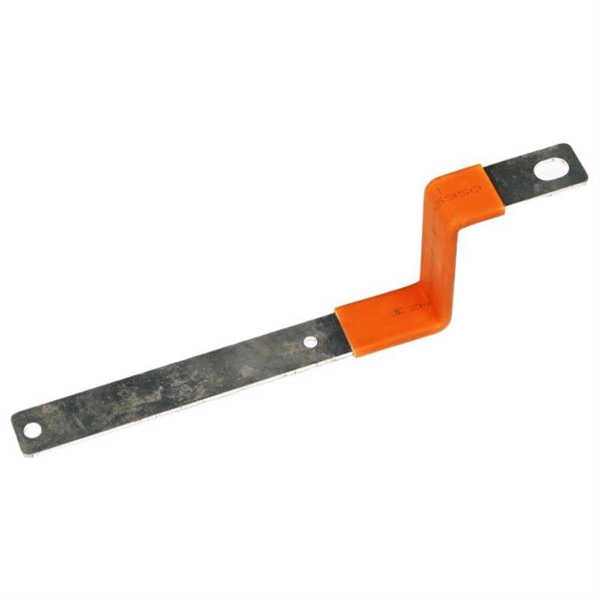
A cable tray grounding is best inspected by searching cable tray sections with bonding jumpers (the thick green or copper wires connecting various sections of the tray) and checking them with a device known as a multimeter. Cable tray load testing ensures your trays can hold the weight without bending or breaking. This is critical for safety, ensuring your electrical and data cabling systems. Recognize electrical cable tray misuse that can lead to electric shock and arc-flash/blast events and fires caused by overheating. The use and installation of cable trays is covered by legally enforceable OSHA regulations in 29 CFR 1910. 305(a)(3), or comparable standards promulgated by States. The inspection of cable tray earthing and continuity test points is a critical aspect of electrical systems and installations, ensuring the safety and reliability of power distribution networks. The process described here takes a systematic approach to ensuring that cable tray installations meet safety, reliability, and project-specific needs while following to. The bearing capacity is the most basic testing item for the quality of the cable tray. The load-bearing test is also called the SWL (safe working load) test, which is to test the bearing capacity of the cable tray according to the standards of the International Electrotechnical Association.
[PDF]
Cable Trays* — Max two 24 in. (610 mm) wide by max 6 in. (151 mm) deep open-ladder cable tray with channel-shaped side rails formed of 0. 54 mm) thick aluminum or min 0. In practice, cable tray dimensions are a system of interrelated measurements —width, depth, length, and material thickness—that directly affect cable fill compliance, heat dissipation, structural loading, and long-term expandability. From an engineering standpoint, cable tray dimensions are not. SS304, and SS316. The annular space between the cable trays shall be min 2 in. Wire Mesh tray is generally used for telecommunication and fiber optic applications and are installed on short support spans, 4 to 8 feet Other sizes be produced according to customer's drawing. ♦ Electro zinc plated–for indoor use to BS EN 12329-2000, 12microns thick. ♦ Hot Dipped Galvanized–for. us-trations without notice. All illustrations, descriptions and technical information included in this document are provided as indications and can cable trays are equivalent. The mechanical and electrical characteristics, tests, certifications, overall quality management, recommendations mentioned. NOTICE AND DISCLAIMER (NEMA) The information in this publication was considered technically sound by a consensus among persons engaged in its development at the time it was approved. Consensus does not necessarily mean there was unanimous agreement among every person participating in the.
[PDF]
Move and Change Shape: Ground shaking from an earthquake can make cable trays move and bend. This affects how stable they are and how much weight they can hold. This damages the whole cable tray. Cable tray and conduit systems have consistently performed well at conventional power and industrial facilities subjected to past strong-motion earthquakes larger than eastern U. plant safe shutdown earthquakes (1). This is so even though the systems are typically not designed for earthquake. The Pacific Earthquake Engineering Research (PEER) Centre has been developing a performance-based earthquake engineering (PBEE) methodology, which is based on explicit determination of performance, e., monetary losses, in a probabilistic manner where uncertainties in earthquake ground mo-tion. This appendix provides the design criteria for seismic Category I cable trays and their supports. Seismic Category II cable trays and their supports are also designed utilizing the design criteria of this appendix. They may be supported singly or there may be several pieces of onduit or buss ducts attached to a common trapeze. On some occasions the condui hanger rods 12 in or less in length be restrained. The 12 in length was determined based on the natural.
[PDF]
Stainless steel cable trays are suitable for laying cables in chemical and purification plants, refineries, offshore plants, oil and gas tunnels and places where hygiene is of great importance. Heavy duty flange stainless steel cable tray for laying heavy. Thickness: 0. These trays are made from high-quality stainless steel, ensuring longevity and reliability in harsh environments. With side height 100mm. Perforated Cable Tray System expertly constructed from high-grade stainless steel, offering exceptional durability and resistance. Light-duty applications, such as LAN or control wiring in commercial spaces, may require trays with 1. The thickness of the tray depends on how frequently it is supported. 5 to 3 meters), thicker trays are required to prevent sagging. 5 mm or. Material: stainless steel 304, 316. From an engineering standpoint, cable tray dimensions are not. Ladder cable tray is available in widths of 6, 9, 12, 18, 24, 30, 36, 42 and 48 inches with rung spacings of 6, 9, 12 or 18 inches. Note that wider rung spacings and wider cable tray widths decrease the overall strength of the cable tray. Specifiers should be aware that some cable tray.
[PDF]
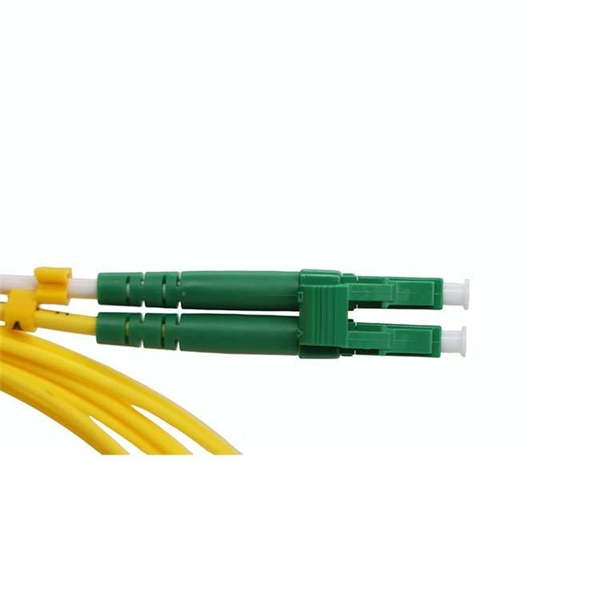
We will first explain standard cable tray dimensions used across the industry, then examine how dimensions vary by tray type, and finally show how to calculate and select the correct size based on real cable data—not guesswork. metallic reinforced Cable Tray The U cable trays are known for their widespread use within the petrochemical sector and their standardisation in some of the most relevant companies of the sector. The range of BASOR U cable trays includes several different heights and thicknesses, to cover all our. HDT steel cable tray, for heavy duty job, comes in standard height of 50 and 100mm. FCL. In practice, cable tray dimensions are a system of interrelated measurements —width, depth, length, and material thickness—that directly affect cable fill compliance, heat dissipation, structural loading, and long-term expandability. From an engineering standpoint, cable tray dimensions are not. TechLine Manufacturing offers engineered cable tray systems designed to support power, control, and instrumentation cabling in petrochemical plants, refineries, and process facilities where corrosion, heat, and environmental exposure are challenges. Our cable trays are produced in fit for purpose materials like stainless steel, galvanized, aluminium and fibreglass (FRP/GRP) composites to suit any project type both offshore and onshore.
[PDF]
Ans.The main purpose of the cable tray is to keep the cable and wire safe and secure. These trays keep wires in place and make it easier for maintenance personnel to monitor and find wiring-related components. Ans.The Cable Management Market is predicted to grow at a CAGR of 10.76 percent over the next five years. Ans.Cable trays provide flexibility in wiring system design, simplicity, and lower installation costs. In facilities wherein the gear is added, removed, or transferred, cable trays provide a flexible advantage. Explore More: 1. Fiber Optic Cable Manufacturing Companies In India - 10 Best Manufacturers 2. Cables: Top Manufacturers, Suppliers & Expor.
[PDF]
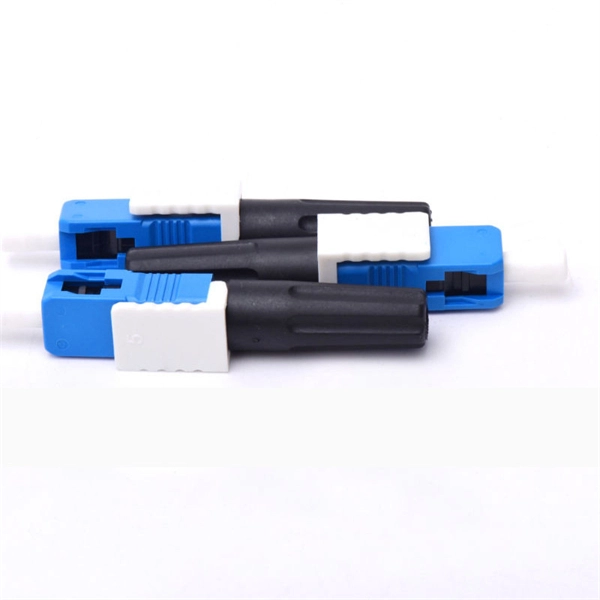
Download a comprehensive set of Cable Tray Installation CAD Blocks in DWG format, ideal for electrical engineers, MEP designers, and industrial layout planners. This article shares simple ways to plan your cable trays and wiring. We want to help electrical engineers, technicians, and anyone working with electrical setups build safe and good systems. This collection includes installation details for ladder trays, perforated trays, solid-bottom trays, and wire mesh trays, along with. This guide provides step-by-step instructions on installing a cable tray on a wall, covering different types of cable trays, tools needed, and safety tips. The Ladder Tray features light, rugged, tubular steel construction. It is designed for. In industrial settings, electrical and instrumentation (E&I) cable trays or bridge racks play a critical role in organizing and supporting power, control, and signal cables across facilities. An effective layout ensures safety, minimizes interference, reduces maintenance time, and keeps the overall. ALL TO BE CLEANED WITH A COMMERCIALLY AVAILABLE CLEANSER PRIOR TO ALL MARKERS AFFIXED PRIOR TO INSTALLATION OF ANY CABLE. BONDING JUMPER SHALL BE INSTALLED FOR ELECTRICAL CONTINUITY ACROSS ALL DETAIL AT INTERFACES AND/OR CONDUIT BUSHINGS SHALL INSTALLED FCR ENTRY OF CABLES.
[PDF]