In the electrical wiring of buildings, a cable tray system is used to support insulated electrical cables used for power distribution, control, and communication. Cable trays are used as an alternative to open wiring or electrical conduit systems, and are commonly used for cable management in commercial and industrial construction. They are especially useful in situations. TypesSeveral types of tray are used in different applications. A solid-bottom tray provides the maximum protection to cables, but requires cutting the tray or using fittings to enter or exit cables. A deep, solid enclosure for cables i. Common cable trays are made of galvanized,, aluminum, or glass-fiber reinforced plastic. The material for a given application is chosen based on where it will be used. Galvanized tray may b. Combustible cable jackets may catch on fire and cable fires can thus spread along a cable tray within a structure. This is easily prevented through the use of fire-retardant cable jackets, or coatings applied to i.
[PDF]
Prices typically range from about $0. 50 per foot for fiber optic cable and basic installation, depending on indoor vs outdoor routing, distance, and terrain. Commercial building installations with 100-200 network drops generally range from $15,000 to $30,000. Single-mode fiber costs less per foot than multimode fiber, but it requires more. Buyers typically see a wide range in fiber cost per foot depending on cable type, installation method, and terrain. The main cost drivers include cable type (single-mode vs multimode), whether the run is indoors or outdoors, trenching or direct burial requirements, and labor time. This guide presents cost ranges in USD and highlights how per-foot pricing translates to total project costs for typical. The Fiber Broadband Association has partnered with Cartesian to research the cost of deploying fiber and provide insight on how these costs are evolving over time. In preparing this second edition of the Fiber Deployment Cost report, Cartesian gathered inputs from a wide variety of firms building. 1) Proofing and Placement - Per foot pricing for proofing and placement of approximately 1,856,332 ft (351. 864F Prysmian non-armored ribbon cable (24 Fibers per ribbon) into existing empty. conduit (price includes the provision of redline documentation, fiber cable. Buyers typically pay for the cable itself, termination hardware, and professional installation. The following guide outlines typical costs, with practical ranges in USD.
[PDF]
The price per foot includes the fiber itself, connectors, and basic installation factors, with main drivers being cable type, distance, and any required conduit or termination hardware. This article outlines cost expectations, price ranges, and practical savings. Fiber-optic cable materials typically cost $1 to $6 per linear foot, depending on fiber count and cable type. Commercial building installations with 100-200 network drops generally range from $15,000 to $30,000. Single-mode fiber costs less per foot than multimode fiber, but it requires more. Typically, per drop fiber cabling prices range from $250 – $1000 per drop depending on the type of fiber (OM2, OM3, OM4, or OM5), multi or single mode, PVC or plenum, average drop length, and also the number of fibers in each cable. This. Whether you need singlemode, armored, or indoor plenum, this guide gives you the exact cost per foot of fiber optic cable — including installation — so you can budget without guesswork. Data aggregated from Q1 2026 contractor invoices across Texas, Ohio, and North Carolina. The installation type you choose and the layout of your property determine the total labor and materials needed for your project. Cost for fiber cabling projects.
[PDF]
Ans.The main purpose of the cable tray is to keep the cable and wire safe and secure. These trays keep wires in place and make it easier for maintenance personnel to monitor and find wiring-related components. Ans.The Cable Management Market is predicted to grow at a CAGR of 10.76 percent over the next five years. Ans.Cable trays provide flexibility in wiring system design, simplicity, and lower installation costs. In facilities wherein the gear is added, removed, or transferred, cable trays provide a flexible advantage. Explore More: 1. Fiber Optic Cable Manufacturing Companies In India - 10 Best Manufacturers 2. Cables: Top Manufacturers, Suppliers & Expor.
[PDF]
When discussing industrial electrical cabling, the significance of cable trays becomes evident. A specific arrangement must be implemented for larger cables to prevent entanglement, ensuring easy comprehension during maintenance and proper upkeep. Tired of messy wires causing headaches? Brilltech Engineers Pvt. brings the Cable Trays in Jamaica just for you! We, one of the well-known Cable Trays Manufacturers in Jamaica, offer top-notch trays that keep your electrical system organized and protected. Our custom-based products are able to match up your distinct needs. Our products are known for their sustainable performance and all the other features that it. In an effort to obtain more realistic assessment data the assessment and withstand demonstrators have been combined into a common two-piece unit. Cablofil cable tray is the revolutionary system constructed of precision-engineered, high-quality, welded steel wire. The Cablofil system includes everything to make installation effortless and it adapts easily as your cable management needs grow and c hange. The FAS support system is exclusively. Make a Payment We provide High Quality Products & excellent customer service to our clients. + (876) 618-6790. us-trations without notice.
[PDF]
Established in 2002, HighJoule (HJ Group) is a leading and professional energy storage company in China, dedicated to providing efficient, intelligent, and green energy storage solutions for global customers. <br/> The company owns two well-known sub-brands: Huijue and LZY. Founded in 2002, Huijue Group is a high-tech service provider integrating intelligent energy storage equipment and computer intelligent network communication system integration and application. Huijue Network's products are exported to Europe, North America, Southeast Asia and other countries and. Huijue Group, founded in 2002, is a leading technology innovation company in the field of energy storage systems. The company is dedicated to becoming a leader in the. Premier producer of solar energy storage solutions & Site-specific Products, excelling in quality & efficiency. Huijue's solar energy storage solutions are tailored for maximum efficiency and site-specific requirements. The group owns 6 wholly-owned subsidiaries and 4 major production bases located in Shanghai, Yangzhou, Haian, and.
[PDF]
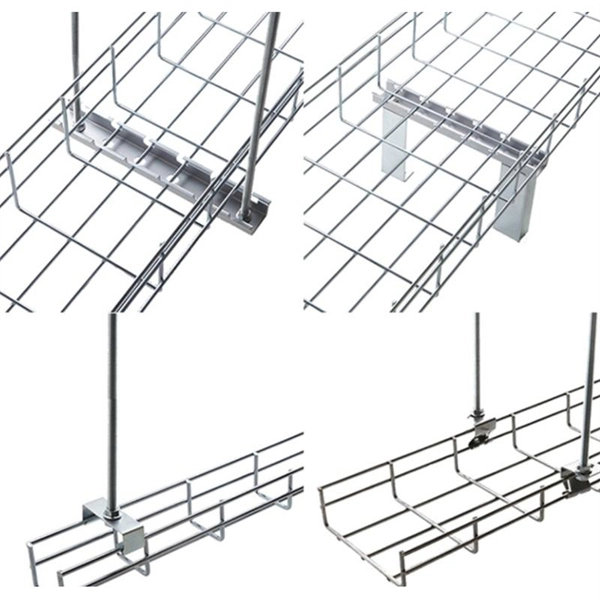
Discover our wide range of High-Quality Cable Trays that are manufactured in Kenya. Our Cable Trays Provide an economical and effective method of protecting, supporting, and transporting cables in commercial & industrial installations. Available in Galvanized . Galvanized cable tray systems support reliable electrical installations across Kenya's growing infrastructure projects. Contractors choose galvanized cable tray products for durability and corrosion resistance. Therefore, developers rely on these systems in commercial and industrial buildings. Available in Galvanized, Powder coated, or both. The main. Buy Galvanized cable trays in Kenya from Hubtechshop in Nairobi, Kenya 25mm x 50mm Galvanized cable trays for Metallic Trunking brings out a stylish finish when it comes to structured cabling either for the power of for data cables as they create a path in a building where these cables pass. Duff Engineering is your trusted provider of premium cable trays in Kenya. We offer competitive Cable trays prices in Kenya to suit various industrial and commercial applications. Cable trays can be mounted onto a wall or suspended from a ceiling to provide a track that allows cables and wires to be routed around a building in an easily maintainable manner. Often made of galvanized or stainless.
[PDF]
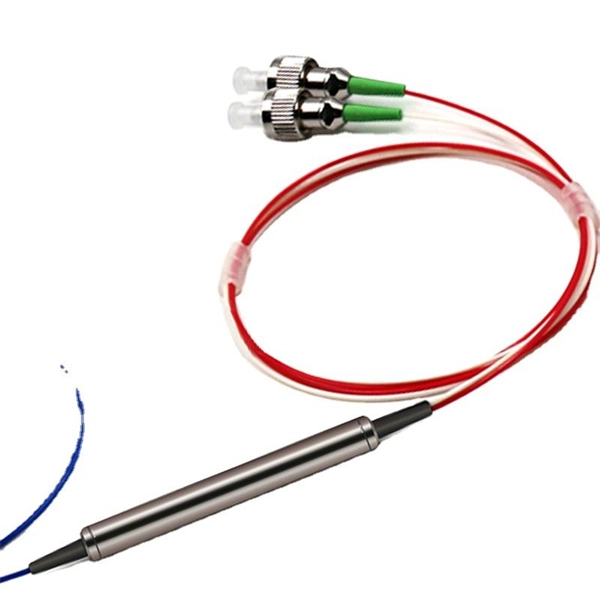
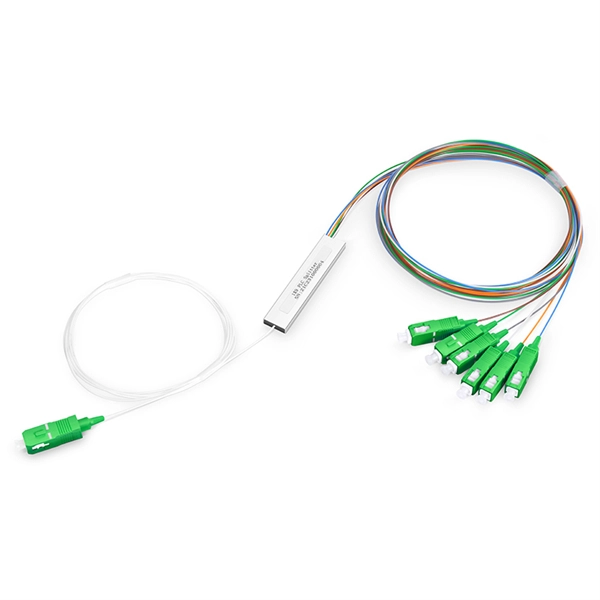
Optical splitters enable a signal on an optical fiber to be distributed among two or more fibers. Since fiber splitters contain no electronics nor require power, they are an integral component and widely used in most fiber-optic networks. A fiber optic splitter is a passive optical component that divides a single incoming optical signal into two or more outgoing signals, or combines multiple incoming signals into one. Unlike active devices (which require power), splitters operate without electricity, relying solely on the physics of. Optical cables, also known as fiber optic cables, consist of thin strands of glass or plastic fibers surrounded by a protective casing. These fibers transmit data as light signals, which are converted into electrical signals at the receiving end. The benefits of optical cables are numerous. A fiber-optic splitter, also known as a beam splitter, is based on a quartz substrate of an integrated waveguide optical power distribution device, similar to a coaxial cable transmission system. Its primary role is in Passive Optical Networks (PON), which are the foundation of. A fiber broadband provider typically determines and overall split ratio for the network, such as 1x32 or 1x64, and uses combinations of splitters to meet that ratio with each PON port. 1x32 splits were common in North America for G-PON architectures. As XGS-PON continues to be adopted, some service.
[PDF]
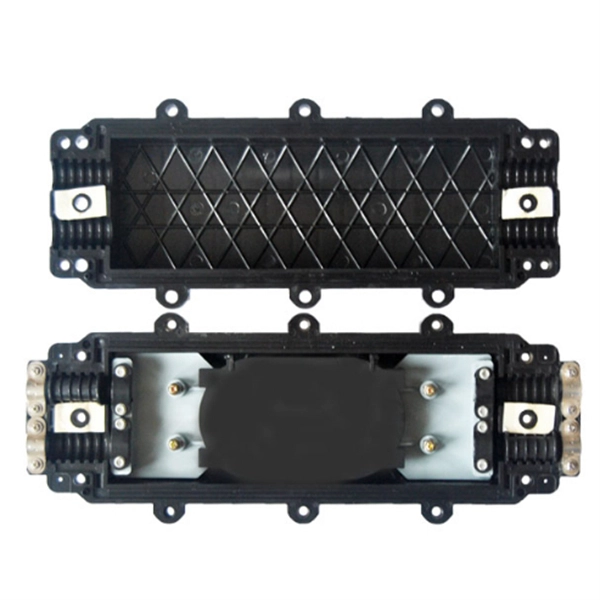
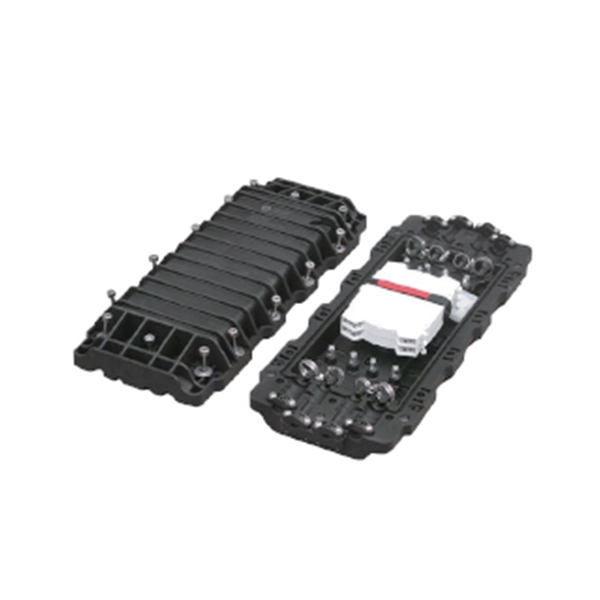
OPGW cable joint box installation involves several key stages: selecting the appropriate location, preparing both the cable and the joint box, splicing fibers, and sealing the joint box properly. Adhering to these steps ensures optimal performance and longevity of the telecommunications system. Optical fiber junction boxes are essential components in outdoor optical fiber cable installations. In this article, we will discuss the necessary steps and best practices. The Indoor/Outdoor Splice Box is a wall-mounted, indoor/outdoor fiber splice enclosure for centralized splice-only applications. These boxes are well suited as optical cable splice collection points for MDU (Multi-Dwelling Unit) residential fiber network applications, MTU (Multi-Tenant Unit). The installation of an optical cable junction box is crucial in ensuring the integrity and performance of optical networks. As we enter 2024, adhering to best practices not only enhances system reliability but also mitigates potential issues that can affect customer experiences. Installing a fiber optic splice closure efficiently and effectively requires attention to detail and. AFL's SB01 splice enclosure provides protection from all types of elements. From weather to bullets, the iron and steel construction requires no additional protective covering. Furnished with four plugged cable ports (2 aluminum and 2 plastic) for either All-Dielectric Self-Supporting (ADSS) or.
[PDF]
Assess cable damage, identify bent or kinked sections, and determine length of damage before applying straightening techniques using wire strippers, cable straightener tools, and needle-nose pliers. Assessing cable damage is the first crucial step in treating and preventing future. Straightening wires prevents unsightly kinks if you're making jewelry, or makes them easier to organize and work with for any other project. If you need to straighten out a wire, there are a couple of ways you can do it using a few tools. Within just a few minutes, you can make the wire's bends and. In this video I'll show you How to Remove Kinks From Cables and straighten your cable again. In this video I will show you one of these methods and that is by using hot water. This will relax the cables. more In. Anyone who has tried straighten wire by hand knows how frustrating it can be. One common method is to fix one end and tighten the other end in a drill chuck. Apply tension to the wire while turning the drill slowly. You wouldn't need any chemicals and products or even exert that much effort at all. I use several useful tricks in doing.
[PDF]
The Italy optical fiber cable market is poised for significant transformation from 2026 through 2033, driven by a confluence of technological evolution, economic shifts, and evolving regulatory frameworks. is a leading company in the design and production of fiber optic cables, offering a comprehensive range for various applications. With a strong commitment to quality and innovation, Cavicel has established a global presence, ensuring their high-quality optical cables are recognized. Tratos is an international cable manufacturer with hundreds of thousands of square meters of facilities in Italy, the UK, Germany, and Spain. The company manufactures all the components of its cables, including conductors, insulating compounds, fiber optics, and finished cables. The production site. An innovative research center that brings together the entire Italian fiber optic communication network, where new technological solutions can be tested and developed, from fiber sensing to digital twin. As digital infrastructure investments accelerate across Europe, Italy's import-export.
[PDF]
Our clients from any nook and corner of the world can contact us to buy Crimping Tools, Cable Glands & Cable Ties in Papua New Guinea, as we have our presence in different places to meet that. Jeetmull Jaichandlall (P) Ltd. is one of the trustworthy Cable Tray Manufacturers in Papua New Guinea that is here to fulfill all your wire mesh and netting tools needs. We believe in building fruitful business partnerships. Every buyer chooses us first because of our excellent finishing and. Brilltech Engineers Pvt. Our durable, high-quality trays come in various sizes and. Started back in 1983, Cable House is a recognized name engaged in manufacturing and supplying wide range including Hose Clamps, Cable Ties, Crimping Tools, Cable Tray, Industrial Connectors and more, to the national as well as the international market. Ltd is the one you can reach. We have a highly experienced team, well-loaded manufacturing unit and a lot more to match up the ever-evolving needs of our customers. We use the latest.
[PDF]
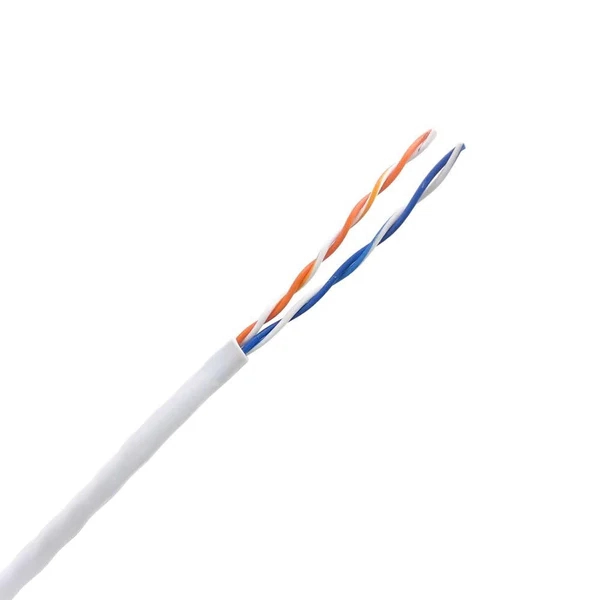
PoE delivers 44-57v of DC power over unshielded twisted-pair wiring for terminals consuming up to 25 watts, depending on the version of the standard in use. Power over Ethernet (PoE) describes any of several standards or ad hoc systems that pass electric power along with data on twisted-pair Ethernet cabling. This allows a single cable to provide both a data connection and enough electricity to power networked devices such as wireless access points. Imagine powering your entire network infrastructure through the same cables that carry your data, eliminating the need for separate power supplies and electrical outlets near every device. This isn't a futuristic concept—it's the reality that power over Ethernet has made possible since 2003. While PoE doesn't add Ethernet data capabilities, it does offer expanded options for how and where Ethernet end devices can be. Power over Ethernet is a technology that allows IP telephones, wireless LAN Access Points, security network cameras and other IP-based terminals to receive power, in parallel to data, over the existing CAT-5 Ethernet infrastructure without the need to make any modifications. The simple nature eliminates the need for multiple power supplies, and allows connectivity to devices where power outlets are not available. Instead of running a separate power line to each device, PoE lets the Ethernet cable (usually a Cat5e or Cat6 cable) carry both the network connection and.
[PDF]
The core principle of fiber optic splicing is to achieve low-loss, high-strength junctions between fiber ends. This involves three key steps: preparation, alignment, and bonding. Let's break it down technically:. At the core of this system's precision and reliability are Fiber Optic Splice Boxes—the unsung heroes that house and protect the delicate junctions where fiber cables are joined. The integrity of these enclosures is paramount to network performance. This guide optimizes the original text by delving. A splice box (also known as splice distributor) is a housing in which fiber optic cables begin or end. Key Functions Typical Applications ZION FTB Highlights In essence: The Fiber Terminal Box is an end-user termination device for small-scale distribution. ■ What Is a Fiber. Fiber optic cables are the lifeline of modern telecommunications, delivering high-speed data with minimal loss. However, installing and maintaining these networks requires seamless connections between fiber segments—a process known as fiber optic splicing. Understanding how it works is essential for anyone interested in telecommunications or network infrastructure. Essential for mending faults or scaling networks, splicing underpins the backbone of contemporary communications. In this comprehensive guide.
[PDF]
Interactive anomalies of pipelines represent important contributors to pipeline incidents, but monitoring interactive anomalies is challenging. This paper presents an approach to monitor interactive bend.
[PDF]