Typical rates range from $75 to $180 per hour per technician, with on-site time often dominating the total. Hidden costs include traffic control, trench restoration, and post-repair verification testing. Prices for fiber optic repair vary by issue type, location, and required work. This guide lays out cost expectations, with clear low–average–high estimates and regional nuances. Includes fusion/splice, testing, and basic materials. This guide provides practical cost ranges in USD with. In the United States, fiber optic repair typically costs a few hundred to several thousand dollars, depending on the scope of the fault, distance of the fiber run, and required components. The cost to fix a fiber line often hinges on the fault type, distance, and response time, with price ranges reflecting differing crews and materials.
[PDF]
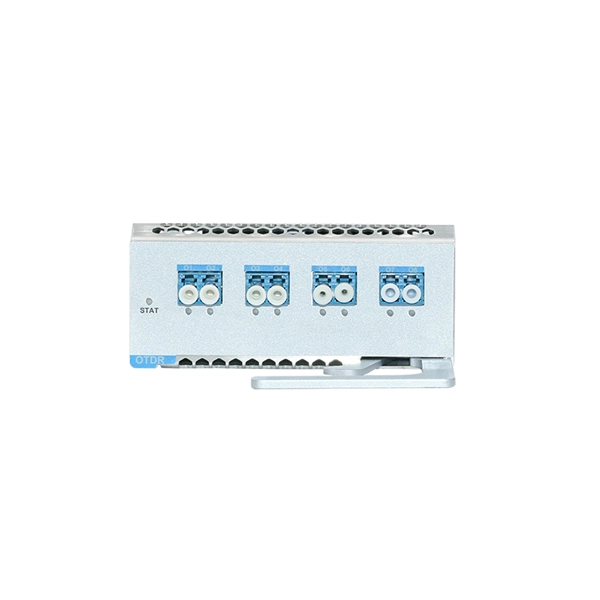
This setup lets OTDRs and fault locators analyze attenuation and connector loss at both ends of the fiber optic cable. Always stabilize your optical sources and verify the power meter calibration at each test wavelength. Clean all connectors, adapters, and jumpers. An OTDR works by transmitting high-power light pulses into the fiber and measuring the light reflected from any event or the end of the fiber due to a change in the refractive index. A small portion of the pulse light is also scattered due to impurities in the fiber, known as backscatter. The OTDR. Optical Time-Domain Reflectometer (OTDR) testing plays a central role in fiber optic maintenance and troubleshooting. By pinpointing faults and measuring network integrity, OTDRs provide invaluable data for both installation teams and maintenance engineers. This guide dives deep into OTDR technology, its applications, and how it integrates with modern components like optical transceivers. OTDR settings are a balance between dynamic range, acquisition time, spatial resolution and accuracy. To minimize testing time, compromises must be made on accuracy (detecting low loss. Frequently Asked Questions On OTDRS And Hints On Their Use OTDRs, also known by their technical name optical time domain reflectometers, are valuable fiber optic testers when used properly, but improper use can be misleading and, in our experience, lead to expensive mistakes for the contractor.
[PDF]
The answer has to do with the connector endface polish, or the angle of connection, and the good news is connectors also follow industry-standard color codes. Fiber connectors are often used as the terminations of optical fiber cables to provide non-permanent connections between fiber-coupled devices (a kind of removable fiber joints). They are used in a similar manner as electrical connectors. This allows for quickly connecting and disconnecting of fiber optic cables without splicing. The connector features a ferrule, the connector end piece that holds and secures the fiber and aligns it for light. The fiber connector is called a fiber optic or optical fiber connector. A link's transmit signal (Tx) must match its corresponding receiver (Rx) at the other end. Although it may seem obvious, fiber optic polarity is a frequent source of confusion and. Fiber optic patch cables consist of the connectors on the ends of the fiber cable. The options on these cables dictate the fiber type, connector type, polarity, and polish type. The fiber types are SMF (Single-mode fiber) and MMF (multimode fiber). The most common connector types are LC, SC. The fiber connector types, sometimes referred to as terminations, link fiber optic cables together through terminals, switches, adapters, and patch panels, by bridging the gap between their internal glass fibers that transmit the data down the length of the cable. The ferrule, a cylindrical.
[PDF]
Based on available supplier data, here is a comparison of notable E2000 connector offerings: Find top e2000 optical connectors with low insertion loss, high return loss, and push-pull locking. Compare verified suppliers, MOQs, and customization options. Find advanced e2000 fiber optic connector answers for quick and dependable data flow. Use modern technologies to improve connection for flawless communication. Contact us to schedule a BICSI accredited training The E-2000™ Connector offers a spring-loaded shutter mechanism that protects the ferrule end-face from scratches and dust while locking out potentially eye damaging laser radiation. The shutter closes automatically when the connector is disengaged, locking out impurities which could later lead to network failure, and. E2000 fiber optic connector Kit and products are more and more used in the communication filed because its good performance. E2000 fiber optic connector Kit and E2000. The unique shutter mechanism of the E2000 connector, providing automatic dust protection when disconnected, offers a significant advantage in outdoor cabinets, industrial settings, and high-density patching environments where contamination is a concern. Asia-Pacific, particularly China, dominates. PHX design, develop molds and produce various of kinds of Single Mode and Multi-mode fiber optic connectors for ST, SC, FC, LC, E2000, MPO, MU and MTRJ applications. Both pre-assembled connector and connector kits are available.
[PDF]
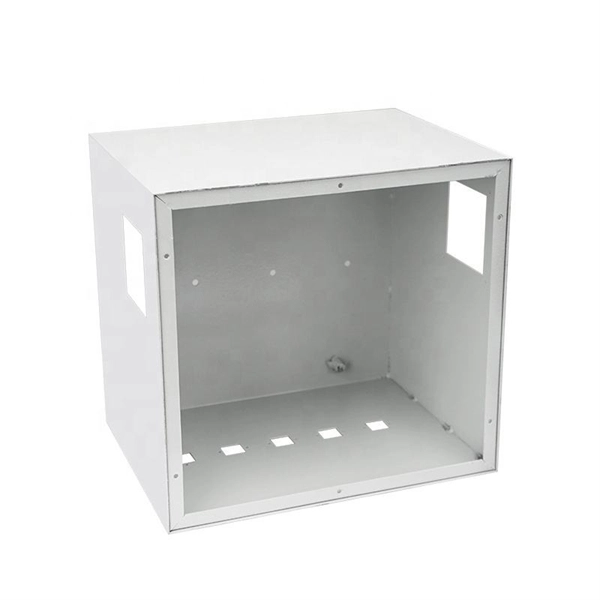
Fiber Connection: Locate the optical port on your router and carefully insert the fiber cable's connector, ensuring a snug fit. Click it into place if it has a locking mechanism. Power Up: Connect the power cords to your router and any additional devices (ONT, media converter) and. Proper connection of fiber optic cables is essential to harness these benefits fully, as even minor errors can lead to significant performance issues like signal loss. This article will guide you through the necessary tools, materials, and methods on how to connect fiber optic cables effectively. Fiber optic internet delivers blazing-fast speeds and reliable connectivity, making it a top choice for modern homes and businesses. However, setting up a fiber optic connection to your router can seem daunting if you're unfamiliar with the process. Before you start, gather the right tools. You don't want to dig around mid-job for something small but essential. Each tool helps you protect the fiber. The process to connect fiber optic cable to router requires careful attention to detail, but I'll walk you through every critical step with the precision and clarity you deserve. The fiber. The process involves a combination of national infrastructure, local engineering, and property-level setup. In this guide, we'll break down the fiber installation process from start to finish and explain key components such as fiber cabinets, flower pods, ducting, and ONT setup. What Is Fiber Optic.
[PDF]
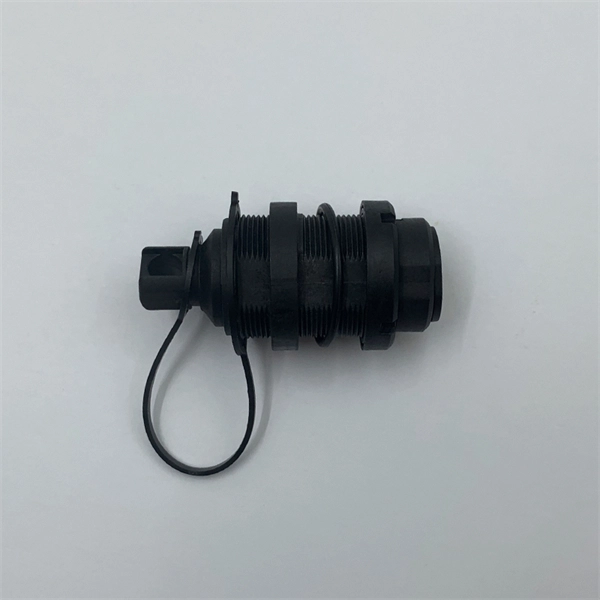
Utilizing proven LC ferrule technology, the SN® connector offers a threefold increase in fiber cabling density compared to traditional Duplex LC connectors — making it an ideal solution for high-density patching and advanced network architectures. The SN is ceramic-based fiber optic connector so compact and flexible that it can be utilized either as a Base-8 trunk solution, a Base-2 patching interface or as a Base-8 connection to next generation 200G, 400G, and 800G transceivers. Because size matters. SENKO's SN connector is a Very Small. Among these is a new connector known as SN® Connector, an advanced optic fiber designed for crowded places. The goal of this blog post is to take readers through everything they might want or need to know about SN® Connectors- we'll cover features and benefits so people can understand how it helps. SN® Connectors offer a compact 3. 1mm-pitch ferrule design and a convenient push-pull boot that enables easy access in high-density environments. 6mm or customizable 2mm cordage with G. A2 singlemode or OM4 multimode options, these assemblies meet industry standards and support. The Senko SN connector is a high-performance optical fiber connector designed for use in both telecom and data center applications. Such connectors are significantly smaller than their predecessors, like the SC (subscriber connector) or ST (straight tip) connectors. The reduced size doesn't mean a compromise.
[PDF]
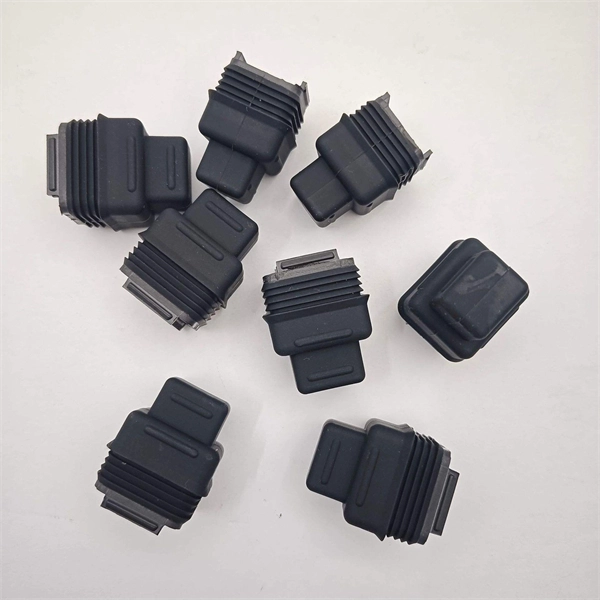
The fiber optic adapter is also called a flange or fiber optic connector. It is usually assembled on various adapter panels and chassis. The Fiber Optic Flange, also known as a Fiber Optic Adapter or Fiber Optic Coupler in engineering, is one of the most fundamental and essential passive devices in fiber optic communication systems. Simply put, it acts like a transition socket or connector adapter in electrical circuits. Important optical fiber connection. Fiber optic adapters are often treated as simple passive interfaces, but their mechanical interaction with the mounting panel plays a critical role in long-term alignment stability and service reliability. The distinction between flanged and flangeless adapters is purely mechanical. It does not. What is a fiber optic connector? The function of fiber optic connectors is to align and connect two or more fibers together to provide a means for attaching to, or decoupling from, a transmitter, receiver, or any other fiber optic component. Most fiber optic connectors are composed of. An optical fiber flange is a type of optical fiber connector used to attach optical fiber cables to other equipment, such as patch panels or network switches. It is designed to provide a secure and reliable connection between optical fibers, minimizing signal loss and ensuring high-quality.
[PDF]
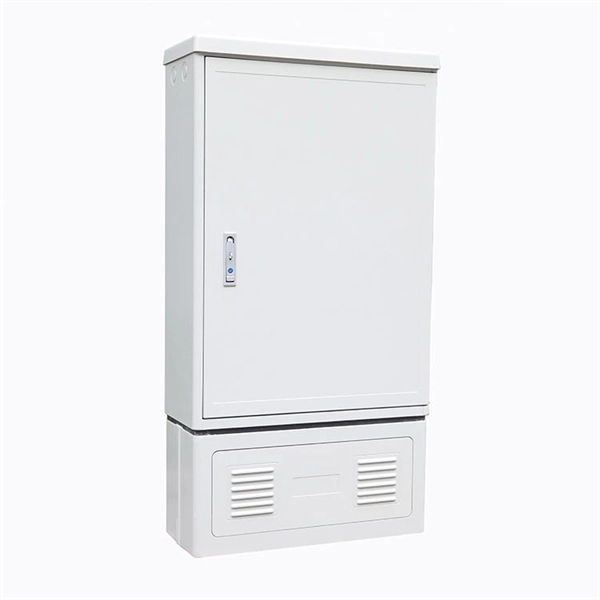
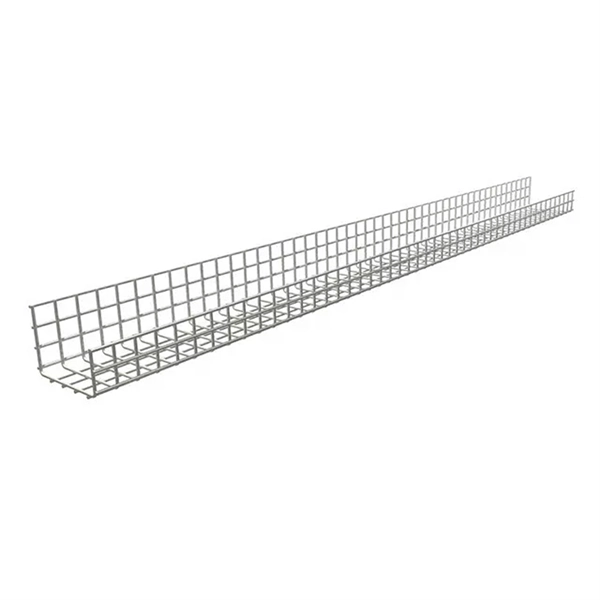
A T-tap wire connector, also known as a T-splice connector, is used to tap into existing wires and is characterized by its T-shaped design with three points of entry for wires. This allows you to install the connector on a wire and tap into it from the third entry point. The wall-mounted bracket features an integrated coupler for quick and easy installation, enhancing overall work efficiency. Corrosion-resistant galvanized coating protects against bad weather, moisture, and rust - ensures a long service life even in harsh environments. T-shape design provides both. How can we improve? Choose from our selection of T-connectors, including stainless steel pipe and pipe fittings, brass and bronze pipe and pipe fittings, and more. Same and Next Day Delivery. The NavePoint 00406777 electro zinc plated wire mesh cable tray t-shaped wall bracket is an ideal solution for neatly routing and organizing cables. Fast Docking Coupler Bar for Wire Mesh. Toolless Adapter Fitting for Fiber. The L-com LC-CRP100 T-shaped wall bracket offers a perfect way for mounting and securing the wire mesh cable tray to the wall. Made by Quest Manufacturing, this add on accessory is durable and reliable, and will hold the wire mesh safely, so you can place cables & wires in. Design Shape This bracket is designed with a T shape which provides support.
[PDF]
The video tutorial demonstrates the depin and repin method for repairing automotive wiring harness connectors, specifically pigtails. It outlines seven easy steps to replace a pigtail connector, making it accessible for DIY enthusiasts and individuals dealing with electrical issues. In this step-by-step guide, we will explore the process of replacing a pigtail connector. This article will walk you through the necessary steps and provide. A pigtail connector is simply a short section of wiring harness terminated with a specific plug designed to mate with a component, such as a sensor, light, or solenoid. These connectors frequently require replacement when the plastic housing becomes brittle and cracks, or the internal metal. *Want to own the tools I use ?? Click on the amazon link below to get my top 5 Tools I use* Automotive Test Light- https://amzn. to/3z1Pdxa Flexible Backprobe- https://amzn. more Audio tracks for some languages were automatically generated. Key steps. Short answer: An automotive wiring pigtail is a short section of wire with a pre-attached connector that lets you repair or replace a damaged plug without replacing the entire harness. It provides a plug-and-play repair solution that restores OEM fit, seal, and electrical reliability. This guide will provide you with the professional techniques needed to disconnect these stubborn parts safely, even when they are caked in.
[PDF]
Master the efficient installation of fiber optic fast connectors with our step-by-step guide, essential tools, safety tips, and common pitfalls to avoid. Optical fiber fast connectors, also known as cold connectors, are becoming increasingly popular due to their ease of use and quick installation. Unlike traditional fiber connectors that require epoxy and polishing, fast connectors use a mechanical splice to join the fibers. In this article, we will. ⚡ Level Up Your Fiber Skills – Join the One Up Techs Skool 👉 https://www. com/oneuptechs In this video, I will be demonstrating how to install a fiber optic fast connector AFL SC single mode. Please like, Subscribe, and comment any questions you may have. A correct installation creates a low-loss, reliable connection essential for high-speed data transmission. While fiber optics enable speeds and distances copper can't match, the system's performance hinges. Fiber optic fast connectors are also used as live connectors to connect two continuous optical paths formed by optical fibers. Connectors play a crucial role in our daily lives, yet there are some connectors that remain less familiar, such as fiber optic fast connectors. In this blog post, we will. Proper connection of fiber optic cables is essential to harness these benefits fully, as even minor errors can lead to significant performance issues like signal loss.
[PDF]
Fiber optic connectors join optical fibers, allowing for quick connection and disconnection without significant signal loss. They are essential in establishing temporary or semi-permanent links in fiber optic networks. Executive Summary: A fiber optic pigtail is one of the most commonly specified yet least understood components in structured cabling. Get the wrong connector type, the wrong polish, or skip proper fusion splicing technique—and you're looking at elevated signal loss, increased back reflection, and a. Fiber optic joints or terminations - where cables are terminated - are made two ways: 1) connectors that mate two fibers to create a temporary joint and/or connect the fiber to a piece of network gear (left) or 2) splices which create a permanent joint between the two fibers (right). These terminations must be of the right style, installed in a. There are three main components of a fiber optic connector: the ferrule, the connector, and the coupling mechanism. Epoxy or Polish Fiber Connectors are very traditional and widely used connectors. Proper termination is essential for ensuring optimal performance, reducing signal loss, and maintaining the durability of the connection. There are two primary.
[PDF]

Gabon uses power outlets and plugs of type C. Take a look at the picture below to see what this plug and power socket looks like: Doesn't look familiar? Do the outlets look different in your country? You'll need a power plug adapter. Type C - The standard European plug. Custom length and shielded Gabon AC power cables available. Gabon Power Cords, CEE 7/7 Type E Power Cord Sets, Power Supply Cords. International Configurations is a Manufacturer/Producer of Gabon CEE 7/7 Power Cords. Gabon power cords. Data for medium and high voltage transmission lines in Gabon. The data were compiled for the AICD study led by the World Bank. A variety of sources were consulted, including regional power pool documents and maps from World Bank project documents. ZIP Download Zipped Shapefile Here: Gabon. Since type F plugs are identical to type E plugs, they can also be used with type E sockets. Gabon has standardized on the same plugs and receptacles as France, just like almost all other former French colonies. Quality Gabon power strips, in stock, for standard duty applications up to.
[PDF]
Engineered with tight mechanical tolerances and high reproducibility, the F‑SMA ensures consistent insertion loss (~0. 8 dB) and return loss (~12 dB), suitable for both standard and power-intensive applications. The SMA-905 Connector, also know as FSMA Connector, was one of the first fiber optic interconnect system that gained industry wide acceptance. Today the connector is still widely used for military, industrial, and medical applications. Our SMA-905 Connectors have a threaded coupling nut and feature. The SMA connector family utilizes a threaded coupling nut system for mating and de-mating. Available with zirconia or stainless steel ferrules with custom hole sizes, the SMA is an excellent choice for a robust, low-cost and reliable system. Features: Reliable, robust and time-tested as one of the. Note: In fiber optics, a single connector has no loss. The "loss of a connector" is defined as a "connection loss" caused by a mated pair of connectors. The lab method used to establish the average loss value of a connector design is shown below. For free-space optics, the F‑SMA Interface Module (IMOD) adapter provides precise. Return loss and VSWR (Voltage Standing Wave Ratio) are measurements for the same parameters; they have a logarithmic transition; see this link for a comparison table of return loss and VSWR. Its high-precision, ceramic ferrule allows its use with both multimode and single-mode fibers. The bayonet style, keyed.
[PDF]