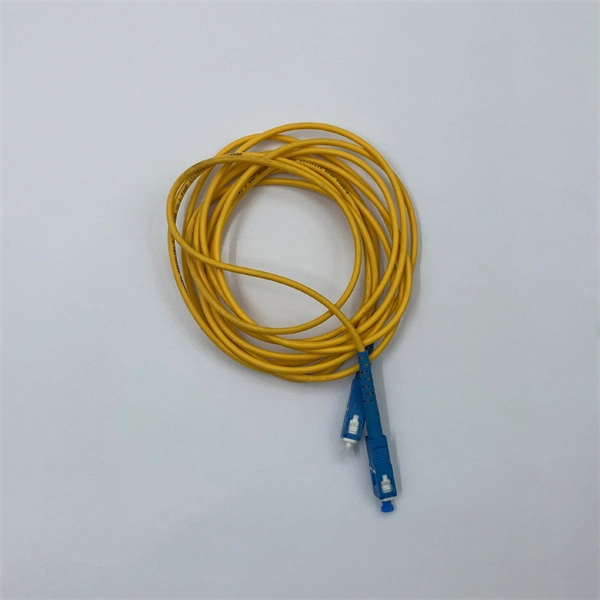
In its most common form, a cube, a beam splitter is made from two triangular glass prisms which are glued together at their base using polyester, epoxy, or urethane-based adhesives. (Before these synthetic resins, natural ones were used, e. ). A beam splitter or beamsplitter is an optical device that splits a beam of light into a transmitted and a reflected beam. It is a crucial part of many optical experimental and measurement systems, such as interferometers, also finding widespread application in fibre optic telecommunications. Beamsplitters are often classified according to their construction: cube or plate. The world's top manufacturers Edmund Optics and Schott dominate the high-end market, and Chinese manufacturers are accelerating their rise. New materials and intelligent production are driving higher precision breakthroughs, enabling innovations in spectral analysis, laser technology and. At its essence, a beam splitter is a device that can direct light into two unique paths. Most beam splitters are fabricated from glass cubes. When a light beam comes into contact with these cubes, half of it enters the glass, while the other half is reflected. These tools can split both laser and regular light. This division allows for the simultaneous analysis or utilization of the light's properties along two separate paths. The device is purely.
[PDF]
A fiber-optic splitter, also known as a, is based on a of an integrated waveguide power distribution device, similar to a The system uses an optical signal coupled to the branch distribution. The splitter is one of the most important in the link. It is an optical fiber tandem device with many input and output terminals, especially applicable to a passive optical network (,,,.
[PDF]
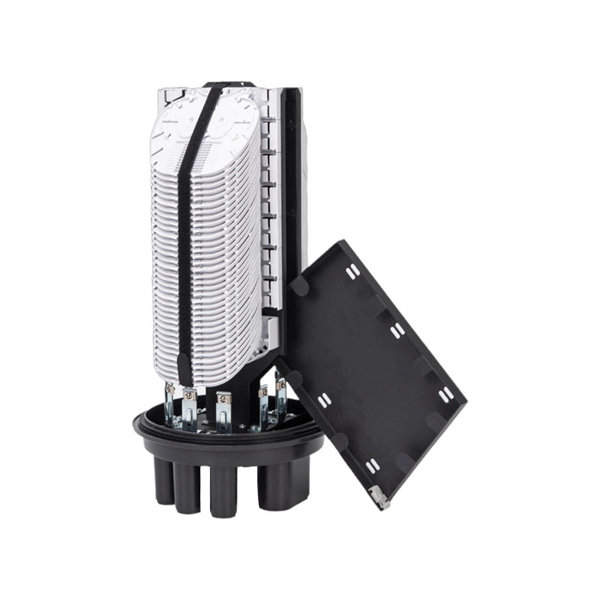
The beam splitter splits and then recombines infrared radiation, while the detector picks up the resulting signal. It's sensitive to both intensity and frequency. Together, they decide just how accurately an instrument captures those unique infrared “fingerprints” from different. Beam splitters are integral optical components that divide a beam of light into two or more separate beams. Their precision and versatility make them indispensable in a variety of scientific, industrial, and technological applications. It is a crucial part of many optical experimental and measurement systems, such as interferometers, also finding widespread application in fibre optic telecommunications. This precise ability to split light by wavelength makes beam splitters essential in various fields, including laser systems, semiconductor. 📦 For purchasing, use the RP Photonics Buyer's Guide for beam splitters. It provides an expert-curated supplier directory, buyer-focused technical background information, and structured selection criteria to support professional procurement decisions. What are Beam Splitters? A beam splitter (or. When splitting one incident light beam into two separate beams, beamsplitters are applied. Depending on the beam split based on intensity, wavelength, or polarization, its level of optical power on beam penetration differ. Just to mention few, these beamsplitter components are commonly required for.
[PDF]
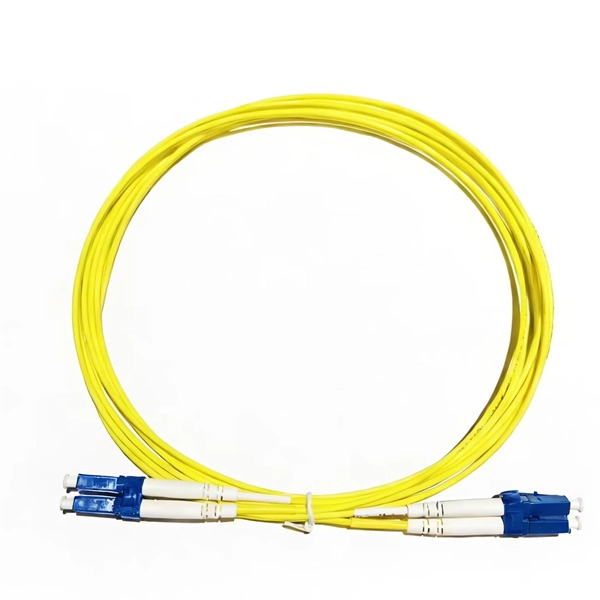
An Optical Splitter, also known as a beam splitter, is a passive optical device that divides a single input optical signal into two or more output signals. Conversely, it can also combine multiple signals into one. Beamsplitters are often classified according to their construction: cube or plate. Schematic illustration of a beam splitter cube. In practice, the reflective layer absorbs some light. It is a crucial part of many optical experimental and measurement systems. Modern microscopes have a variety of objectives, mirrors, and pinholes in order to obtain the best image (Figure 1B). The component of interest here is the beam splitter. Figure 1: The light path through different microscopes. A) An early compound microscope with a basic light path. The light goes. 📦 For purchasing, use the RP Photonics Buyer's Guide for beam splitters. It provides an expert-curated supplier directory, buyer-focused technical background information, and structured selection criteria to support professional procurement decisions. They help divide and manage light beams for various applications. Without them, many optical setups would not function properly. The split ratio of light transmittance and reflectance is 1:1 and is called a half mirror. Good fit for large beam size applications at a reasonable price. Advantages are: minimal.
[PDF]

There are 17 Opticians in Democratic Republic of the Congo as of April 1, 2026; which is an 13. 33% increase from 2023. The top three states with the most Opticians are Kinshasa with 8 Opticians, Haut-Katanga Province with 6 Opticians, Bas-Congo province with 1 Opticians. Genew Technologies and Zhongshi Wosen, both Chinese companies, will help the Democratic Republic of Congo (DRC) build its fiber optic network. The Congolese Minister of Telecoms, Augustin Maliba, signed the related memorandum of understanding (MoU) on April 7, 2025. "With the support of the. The Democratic Republic of the Congo (DRC), also known as the DR Congo, Congo-Kinshasa, or simply the Congo or less often Zaire, is a country in Central Africa. By land area, it is the second-largest country in Africa and the 11th-largest in the world. With a population of around. A total of 60. 3 percent of the total population. However, note that some of these connections may only include services such as voice and SMS, and some may not. In Africa, as everywhere in the world, digital applications are increasing exponentially, highlighting the continent's digital divide. Average age of Opticians in. Learn about the market conditions, opportunities, regulations, and business conditions in congo, the democratic republic of the, prepared by at U. Embassies worldwide by Commerce Department, State Department and other U.
[PDF]
In its most common form, a cube, a beam splitter is made from two triangular glass which are glued together at their base using polyester,, or urethane-based adhesives. (Before these synthetic, natural ones were used, e.g.) The thickness of the resin layer is adjusted such that (for a certain ) half of the light incident through one "port" (i.e., face of the cube) is and th.
[PDF]