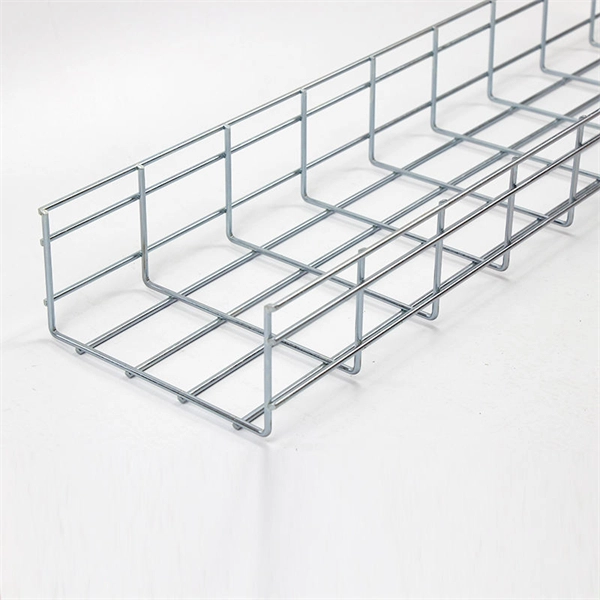
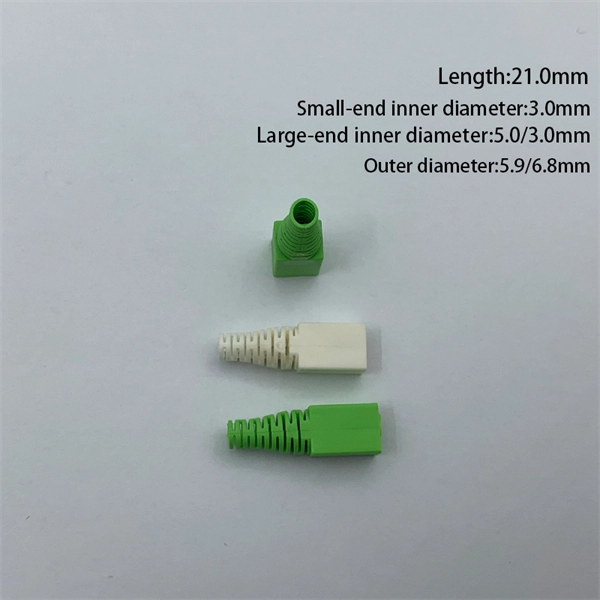
Adjustable cable management frame suitable for both small and large closures. The slim profile minimizes visibility. The cable management frame is primarily used in access. Ready your network for the High Speed Migration CommScope offers a variety of easy-to-install frames, racks and cabinets specially engineered for network equipment and fiber cable management. Corning offers frame and cable management product drawings in PDF, DXF, VSS, and BIM object formats. EGS guides cable tray, conduit, and raceway manufacturers through DR free zone setup and US export channels. It is mounted to. always be, Customers First. Middle Atlantic's customer service team, technical support group & custom division are fully dedicated resources to ensure that we provide the right product and solution at the right time to ng/Disp n and maximize your options. The GrabCAD Library offers millions of free CAD designs, CAD files, and 3D models. Join the GrabCAD Community today to gain access and download!.
[PDF]
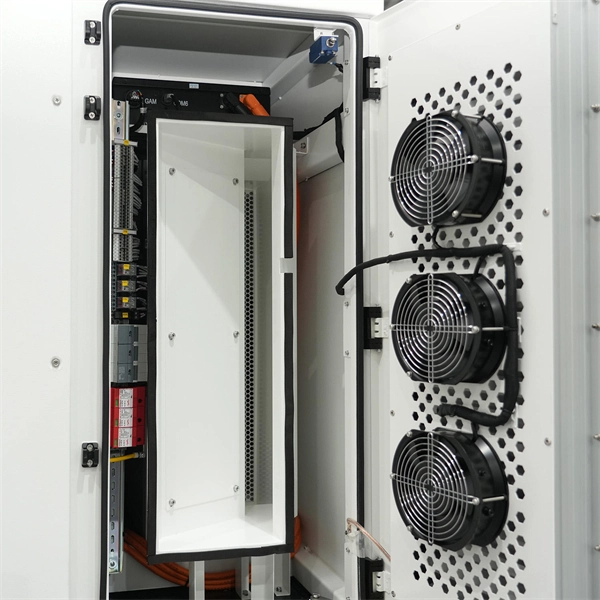
It can also be used to replace existing ground wires in old overhead high-voltage transmission systems, add optical communication lines, conduct short-circuit currents, and provide lightning protection. Special structures can be customized according to user needs. IEC. Optical fiber composite overhead ground wire (OPGW) 1. Application OPGW is mainly applied in communication line of newly constructed high voltage transmit electricity system with 35 KV or above, or replacement of existing ground wire of previous overhead high voltage transmit electricity system. worldwide quality standards. Prysmian has a built-in multi-step quality assurance programme, which covers the entire production process from cable design and raw materials purchasing, to final inspecti tion for any single project. Optical Ground Wire (OPGW) cables are advanced composite overhead conductors that combine the functions of a ground wire and optical fiber communication within a single integrated solution. Installed at the top of high-voltage and. Fibre Optic Overhead Group Wire Optical Ground Wire (OPGW) is used in power utility for dual function as a ground or static wire and a path for transmission of voice, video or data signals through optical fibres allowing for fast, reliable and cost effective installations. It is mainly used for communication lines of 110kV, 220kV, 500kV, 750kV and newly built overhead high-voltage.
[PDF]
ADSS cables are light. They can go on live power lines. This makes them cheap and safe. They work well for jobs with little disruption. This can make the cost. Look no further than ADSS (All-dielectric Self-supporting) fiber optic cables, which boast an impressive 99% uptime rate! These cables are specifically designed for outdoor applications and provide a robust and dependable solution for aerial cabling. With their self-supporting structure, ADSS. All-dielectric self-supporting (ADSS) cable is a type of optical fiber cable that is strong enough to support itself between structures without using conductive metal elements. Unlike traditional optical cables, ADSS cables are designed to be self-supporting and do not require any additional support structures, such as messenger wires or metallic. In the realm of aerial fiber optic infrastructure—where cables must withstand harsh weather, high voltages, and mechanical stress— ADSS (All Dielectric Self-Supporting) fiber optic cables stand out as a game-changer. Designed specifically for deployment alongside power lines and utility poles, ADSS. ADSS (All-Dielectric Self-Supporting): The non-metallic, flexible problem-solver for existing lines. OPGW (Optical Ground Wire): The heavy-duty, dual-function shield for high-voltage transmission. Choosing the wrong one isn't just a budget issue—it's a safety risk. The following is a detailed analysis of the main advantages and features of ADSS.
[PDF]
The price per foot includes the fiber itself, connectors, and basic installation factors, with main drivers being cable type, distance, and any required conduit or termination hardware. This article outlines cost expectations, price ranges, and practical savings. Fiber-optic cable materials typically cost $1 to $6 per linear foot, depending on fiber count and cable type. Commercial building installations with 100-200 network drops generally range from $15,000 to $30,000. Single-mode fiber costs less per foot than multimode fiber, but it requires more. Typically, per drop fiber cabling prices range from $250 – $1000 per drop depending on the type of fiber (OM2, OM3, OM4, or OM5), multi or single mode, PVC or plenum, average drop length, and also the number of fibers in each cable. This. Whether you need singlemode, armored, or indoor plenum, this guide gives you the exact cost per foot of fiber optic cable — including installation — so you can budget without guesswork. Data aggregated from Q1 2026 contractor invoices across Texas, Ohio, and North Carolina. The installation type you choose and the layout of your property determine the total labor and materials needed for your project. Cost for fiber cabling projects.
[PDF]
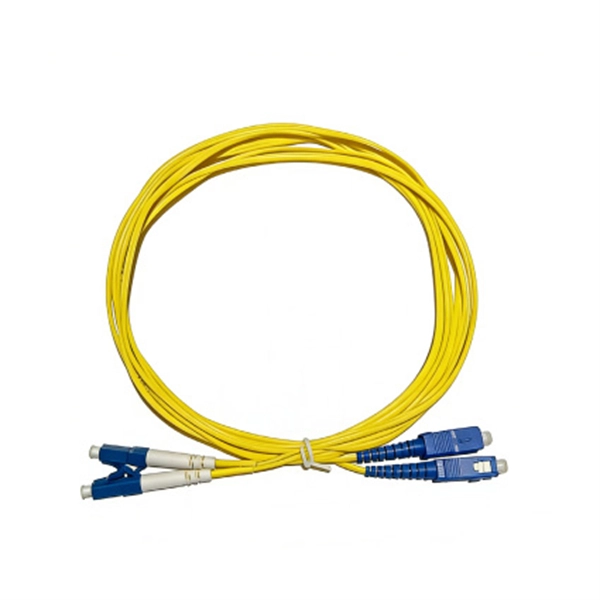
Total number of cores = Number of branches × Number of cores per branch If there are no branches, the number of branches equals one. For example, an MTP®-8 trunk cable with four branches and eight cores per branch has a total of 32 cores (4 × 8 = 32). For example, if you have three optical fiber access switches, you need to have three cores. (actually use a four core optical cable) This is because apart from one-core optical fiber, there are basically no optical cables with an odd number of cores, such as three-core, five-core, etc. It is worth. Fiber cores are the heart of fiber optic cables, transmitting light signals that carry data. Made from either high-quality glass or plastic, the core plays a critical role in determining the cable's performance. The total number of cores for a 1pc fiber patch cable is calculated as the number of. One key factor is the number of cores, which impacts how much data you can transmit. Single-mode: A. Common fiber cores include 1 core, 2 cores, 6 cores, 8 cores, etc., and there are many types. This article will focus on the number of fiber cores, introducing their respective characteristics and usage scenarios. Of course, this is a general situation, and it can be considered as follows: 1.
[PDF]
The cost to install fiber optic cable ranges from $1. 50 to $42 per foot, with installation costs accounting for 60-80% of total project expenses. According to the Fiber Broadband Association's 2025 report, median costs are $8 per foot for aerial builds and $18 per foot for. Fiber optic cable installation costs between $1,500 and $7,000 for your home, with prices varying by cable length and installation method. The installation type you choose and the layout of your property determine the total labor and materials needed for your project. You should account for permit. Buying fiber optic installation services involves several cost components, with total price influenced by length, location, and access. This guide presents typical price ranges in USD to. Understanding the costs of fiber optic cable is a top concern for businesses planning network infrastructure upgrades. Whether you're expanding your data center, connecting multiple buildings, or future-proofing your connectivity, accurate pricing information helps you budget effectively. This guide breaks down everything you need to know before starting your fiber installation project.
[PDF]
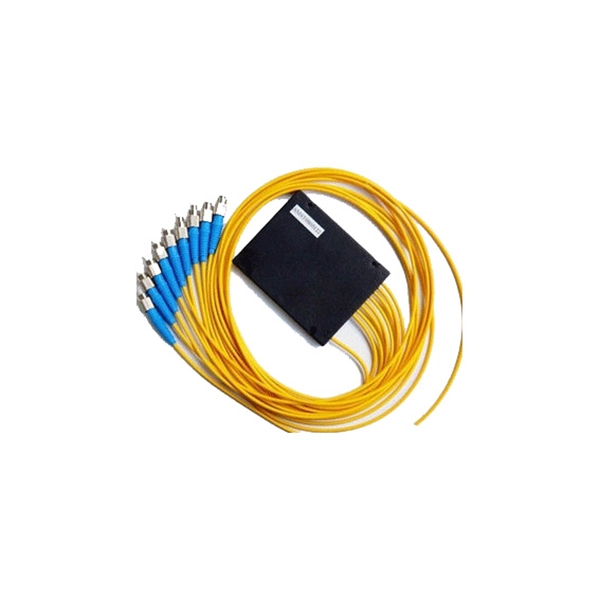
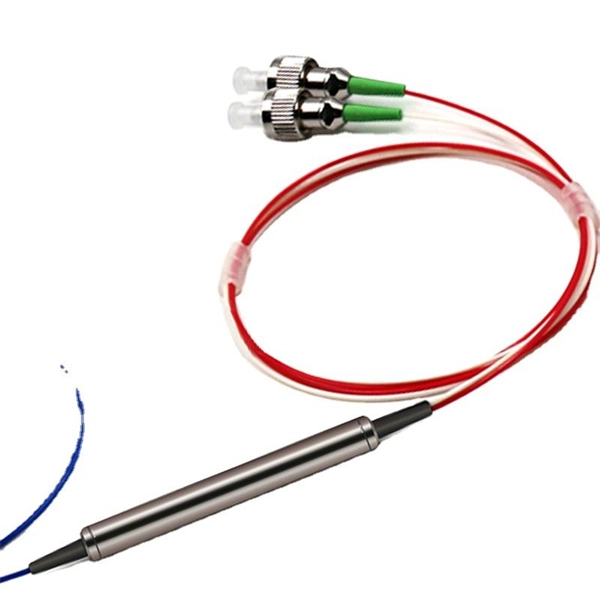
Optical splitters enable a signal on an optical fiber to be distributed among two or more fibers. Since fiber splitters contain no electronics nor require power, they are an integral component and widely used in most fiber-optic networks. A fiber optic splitter is a passive optical component that divides a single incoming optical signal into two or more outgoing signals, or combines multiple incoming signals into one. Unlike active devices (which require power), splitters operate without electricity, relying solely on the physics of. Optical cables, also known as fiber optic cables, consist of thin strands of glass or plastic fibers surrounded by a protective casing. These fibers transmit data as light signals, which are converted into electrical signals at the receiving end. The benefits of optical cables are numerous. A fiber-optic splitter, also known as a beam splitter, is based on a quartz substrate of an integrated waveguide optical power distribution device, similar to a coaxial cable transmission system. Its primary role is in Passive Optical Networks (PON), which are the foundation of. A fiber broadband provider typically determines and overall split ratio for the network, such as 1x32 or 1x64, and uses combinations of splitters to meet that ratio with each PON port. 1x32 splits were common in North America for G-PON architectures. As XGS-PON continues to be adopted, some service.
[PDF]
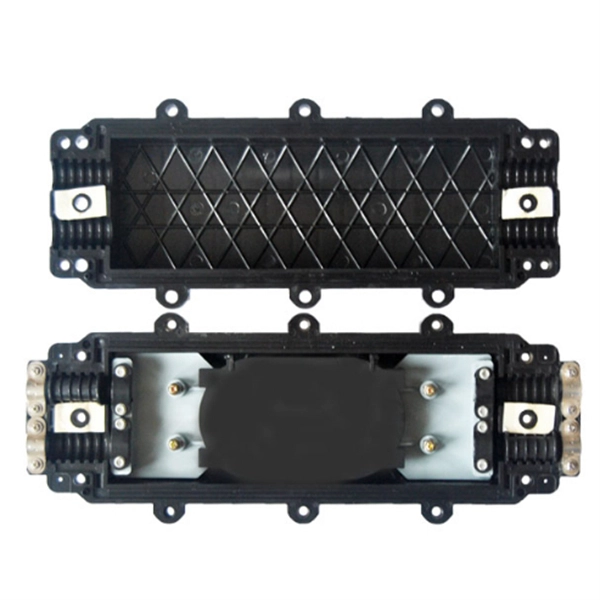
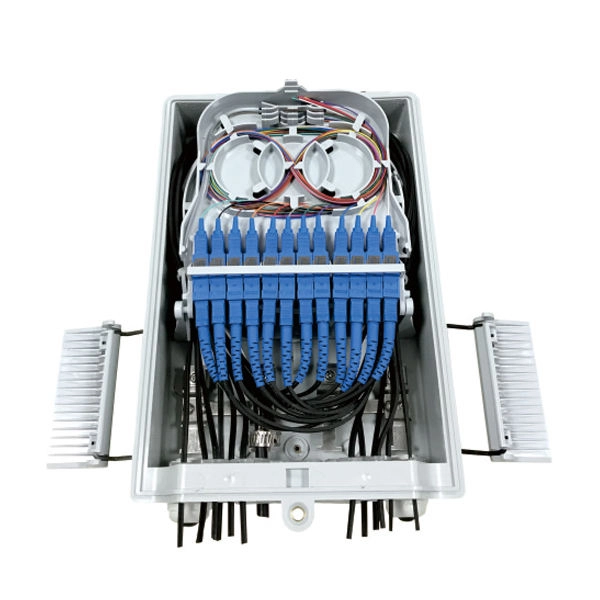
OPGW cable joint box installation involves several key stages: selecting the appropriate location, preparing both the cable and the joint box, splicing fibers, and sealing the joint box properly. Adhering to these steps ensures optimal performance and longevity of the telecommunications system. Optical fiber junction boxes are essential components in outdoor optical fiber cable installations. In this article, we will discuss the necessary steps and best practices. The Indoor/Outdoor Splice Box is a wall-mounted, indoor/outdoor fiber splice enclosure for centralized splice-only applications. These boxes are well suited as optical cable splice collection points for MDU (Multi-Dwelling Unit) residential fiber network applications, MTU (Multi-Tenant Unit). The installation of an optical cable junction box is crucial in ensuring the integrity and performance of optical networks. As we enter 2024, adhering to best practices not only enhances system reliability but also mitigates potential issues that can affect customer experiences. Installing a fiber optic splice closure efficiently and effectively requires attention to detail and. AFL's SB01 splice enclosure provides protection from all types of elements. From weather to bullets, the iron and steel construction requires no additional protective covering. Furnished with four plugged cable ports (2 aluminum and 2 plastic) for either All-Dielectric Self-Supporting (ADSS) or.
[PDF]
Active Optical Cables simplify high-speed networking by embedding tiny optical transceivers directly into the cable ends. Inside one compact assembly, electrical signals convert to light pulses, travel through the fiber core, then reconvert to electrical form—eliminating separate. When traditional copper cables hit their physical limits, Active Optical Cables (AOCs) emerge as the superior solution for demanding, high-bandwidth applications. These change electrical signals into optical signals and back. This gives. Active optical cable (AOC) is a high-performance communication cable used for short-range multi-lane communication and interconnected applications. Unlike traditional fiber-optic cables, which require external transceivers to send and receive signals, AOC cable have the necessary transceivers integrated. Thanks to the intricate design of Active Optical Cables, which allows for flexibility and gives an extra advantage of unmatched stability. Alt Text: A Group of AOC Cables with Different Connectors In the following paragraphs, you will be broadly enlightened about every aspect of the cutting-edge. Active Optical Cables (AOCs) are an innovative type of data transmission technology that has come forth to fill the gap between the old copper cables and the ever-advancing fiber optics. Unlike the traditional methods, AOCs are explicitly structured to provide long-distance connecting devices to.
[PDF]
The Italy optical fiber cable market is poised for significant transformation from 2026 through 2033, driven by a confluence of technological evolution, economic shifts, and evolving regulatory frameworks. is a leading company in the design and production of fiber optic cables, offering a comprehensive range for various applications. With a strong commitment to quality and innovation, Cavicel has established a global presence, ensuring their high-quality optical cables are recognized. Tratos is an international cable manufacturer with hundreds of thousands of square meters of facilities in Italy, the UK, Germany, and Spain. The company manufactures all the components of its cables, including conductors, insulating compounds, fiber optics, and finished cables. The production site. An innovative research center that brings together the entire Italian fiber optic communication network, where new technological solutions can be tested and developed, from fiber sensing to digital twin. As digital infrastructure investments accelerate across Europe, Italy's import-export.
[PDF]
All efforts have been made to incorporate all relevant up to date information available, any discrepancies or need for addition or deletion is felt necessarily may please be intimated to this office for further i.
[PDF]
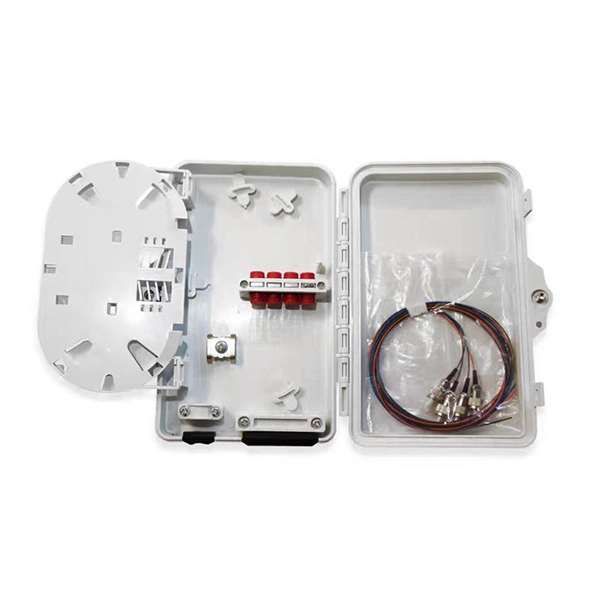
olution for projects of all sizes. It also allows for easy access to cables, which simplifies th no specialis rdance with the NEMA requirements. The data displayed is based on physical test results of a 600 wide sec. Keep your cables safe and organized with Brilltech Engineers Pvt. We offer top-notch Galvanized Cable Trays in Papua New Guinea. These metal trays, coated with a special zinc shield, resist rust and last a long time, even in tough environments. They keep your wires tidy, cool, and protected. ng; Power, Data, and Audio Visual. A quick and easy system to install without the need for specialised tools or equipment, makes it a first choice for Comm solution that works for your job. This tray is stocked in a range of Pre-Galv and Hot Dip Galv finishes, which can also be powder coated and. As one of the best Galvanized Cable Tray Manufacturers in Papua New Guinea, we are trusted by people not only within the boundaries but even beyond that. Our custom-based products are able to match up your distinct needs. is a trusted brand that you can rely on. We have a well-equipped manufacturing unit with all the advanced resources to cater to your distinct requirements as per your industry preferences. Being one of. Jeetmull Jaichandlall (P) Ltd. We believe in building fruitful business partnerships. Every buyer chooses us first because of our excellent finishing. There are no reviews yet. against firm orders only and are non-returnable.
[PDF]
Interactive anomalies of pipelines represent important contributors to pipeline incidents, but monitoring interactive anomalies is challenging. This paper presents an approach to monitor interactive bend.
[PDF]
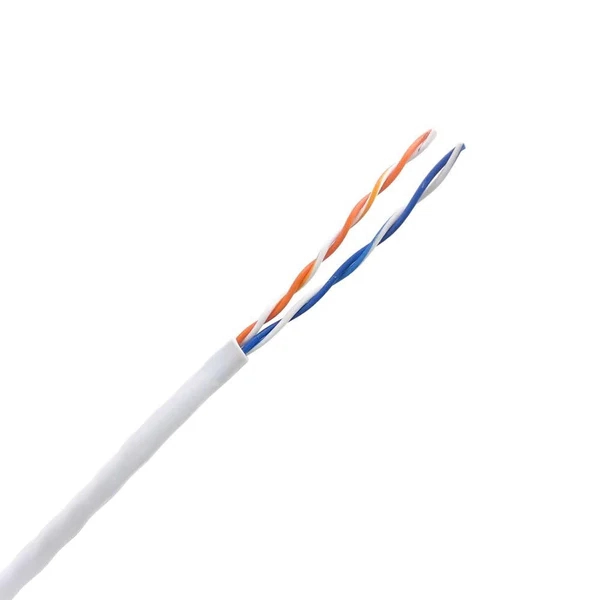
The core principle of fiber optic splicing is to achieve low-loss, high-strength junctions between fiber ends. This involves three key steps: preparation, alignment, and bonding. Let's break it down technically:. At the core of this system's precision and reliability are Fiber Optic Splice Boxes—the unsung heroes that house and protect the delicate junctions where fiber cables are joined. The integrity of these enclosures is paramount to network performance. This guide optimizes the original text by delving. A splice box (also known as splice distributor) is a housing in which fiber optic cables begin or end. Key Functions Typical Applications ZION FTB Highlights In essence: The Fiber Terminal Box is an end-user termination device for small-scale distribution. ■ What Is a Fiber. Fiber optic cables are the lifeline of modern telecommunications, delivering high-speed data with minimal loss. However, installing and maintaining these networks requires seamless connections between fiber segments—a process known as fiber optic splicing. Understanding how it works is essential for anyone interested in telecommunications or network infrastructure. Essential for mending faults or scaling networks, splicing underpins the backbone of contemporary communications. In this comprehensive guide.
[PDF]
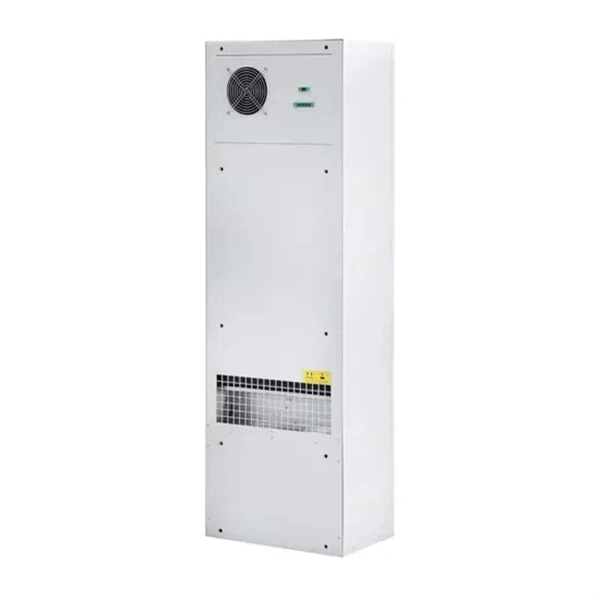
This video makes connecting your fiber optic cable to your router a breeze! We'll guide you through the entire process step-by-step, ensuring a smooth and hassle-free experience. Our Experts are helping user's, who are facing issues with their tech gadgets like. In this guide, we'll walk you through how to connect a fiber optic cable to a router safely and efficiently. Why Use Fiber Optic Internet? Before diving into the setup, let's quickly recap why fiber optics are worth the effort: Lightning-fast speeds (up to 1 Gbps or higher). This comprehensive guide combines industry standards with field-tested practices to ensure you achieve a rock-solid. Setting up a fiber internet connection requires understanding key hardware components and following a specific connection sequence to establish your home network. This guide details the necessary physical and digital steps to connect your fiber line and activate your internet service. If you. Connecting a fiber optic cable to a router might seem daunting at first, but with the right tools and a bit of patience, it's a straightforward process. Here's a step-by-step guide to help you through it. Check compatibility: Before you begin, make sure your router supports fiber optic connection. Not all routers can connect directly to a fiber cable, so it is important to verify this information before continuing.
[PDF]