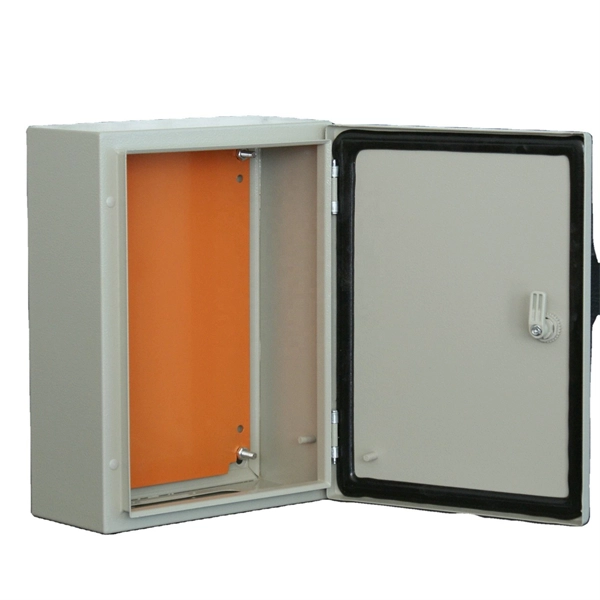
Design requirements for low voltage distribution boxes cover NEC, IEC, and safety standards to ensure reliable, compliant electrical installations. You must make safety your top priority when working with low voltage distribution boxes. Among the most widely recognized frameworks governing electrical panel design are the IEC (International Electrotechnical Commission) standards, particularly the IEC 61439 series, which defines the requirements for low-voltage switchgear and controlgear assemblies. In this blog, we explore the. Standards are for reference only. All new extension or modifications require an approved design and a preconstruction meeting with EWEB prior to installation. Need more information on how to get a design? Contact us at distributionengineering@eweb. NEC Article 408 covers switchboards, switchgear, and Panelboards installation and applications. Redesigned to improve safety, product longevity and appearance over time. Note: Eaton recommends mounting redesigned enclosures with at least six inches of clearance between adjacent structures to provide adequate access to side bolts. a Applicable for type LWPQ only. A distribution box is the heart of any electrical system. It takes the incoming power and safely distributes it to different circuits throughout your building. Whether in a home or an industrial facility, this box keeps.
[PDF]
NEC (National Electrical Code) Article 800 covers the general requirements for communications systems, including wiring methods, grounding, fire resistance, and installation practices for cables and equipment. The term “cable” means stranded conductor or a combination of conductors that includes Fiber Optic Supply Cable, Fiber Optic Communication Cable, or Non–Dielectric Fiber Optic Cable as defined in Rule 20. The term “messenger” is defined in Rule 22. The. This Applications Engineering Note (AE Note) discusses conventional bonding and grounding practices for conductive fiber optic cable and hardware installations within the scope of the National Electrical Code (NEC). This AE Note does not address outside plant fiber optic installations or. ned herein and with other Sections of this Specification as applicable to the completion of the installation. It applies to circuits that extend from the communications utility (such as telephone or. Article 800”General Requirements for Communications Systems covers general requirements for installing communications circuits, community antenna television and radio distribution systems, network-powered broadband communications systems, and premises-powered broadband communications systems. to n utral comm.
[PDF]
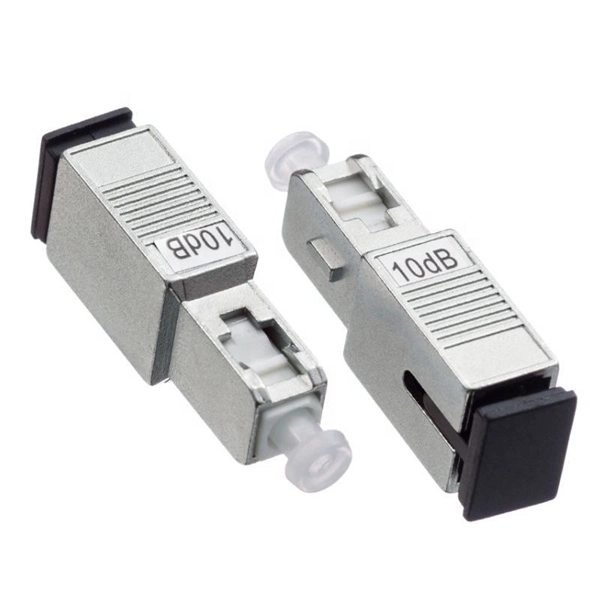
Industry standards such as the NEC (National Electrical Code) Article 770 and NFPA 70 provide binding requirements, while standards from IEEE and TIA offer additional guidance. When a fiber optic cable contains any of the following metallic elements, each must be bonded and grounded according to. NEC 2026 Article 750 consolidates grounding and bonding requirements for all limited-energy systems. Learn what changed, proper bonding methods, IBT requirements, and common mistakes to avoid. Grounding and bonding requirements for fire alarm, security, communications, and other limited-energy. This recommended practices document is a comprehensive manual for optical fiber construction and testing. Here are some highlights from Part IV of Article 770. The Code Making Panels (CMPs), composed of volunteers with full-time jobs, struggle to standardize and clarify terminology. Part I of Art. Although these are not current-carrying conductors, how and where you install them can affect “the practical safeguarding of persons and property from hazards arising from the use of. Understanding NEC Article 770 is the key to ensuring that optical fiber cables and raceways are installed safely, legally, and efficiently. This section of the National Electrical Code specifically addresses the unique characteristics and hazards associated with transmitting light for control.
[PDF]
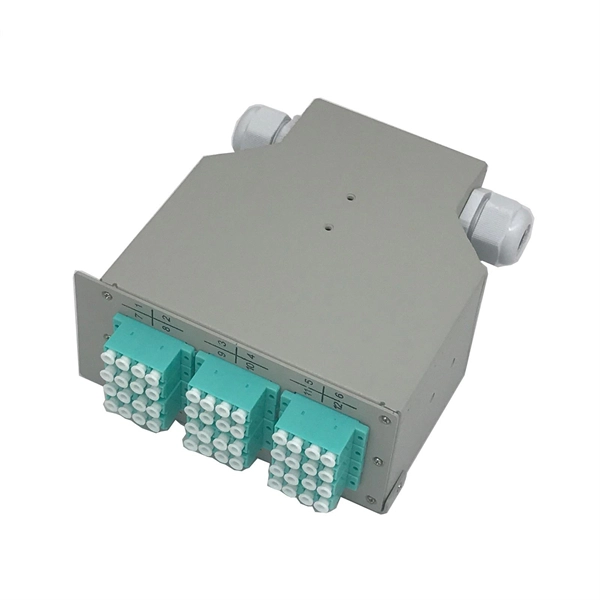
This article explains eight of the most important global fiber and cable standards — ITU-T, IEC, TIA, ISO/IEC, and Telcordia — covering their scope, applications, and why they matter in real-world deployments. Fiber optic network design refers to the specialized processes leading to a successful installation and operation of a fiber optic network. It includes determining the type of communication system(s) which will be carried over the network, the geographic layout (premises, campus, outside plant. Our expert OSP Network Designers in FTTH, FTTx designs and standards enables us to provide top quality services to EPC companies all over the world. For New Network builds, we have experience ranging from Single and Multi-dwelling Units, Commercial Units FTTH Fibre-to-the-Home networks, Outside. Fiber optic networks are built on well-defined standards that ensure quality, performance, and interoperability. 8 billion in 2022 and is expected to reach $11. This is the dominant broadband access technology across half of OECD countries today. Source: OECD broadband.
[PDF]
IEC 60793-1-40:2024 establishes uniform requirements for measuring the attenuation of optical fibre, thereby assisting in the inspection of fibres and cables for commercial purposes. Four methods are described for measuring attenuation, one being that for modelling spectral. The Fiber Optic Association, Inc. (FOA) was founded in 1995 to help develop the workforce to build the fiber optic networks to support a rapid expansion in communications and the Internet. The charter of the FOA was to promote professionalism in fiber optics through education, certification, and. This Chapter is devoted to the description of the optical cable installation methods. Each type of optical fibre cable has a specific strain limit and special care and arrangements may be needed to ensure successful installation without exceeding it. Damage caused by overloading during installation. The International Electrotechnical Commission (IEC) is the leading global organization that prepares and publishes International Standards for all electrical, electronic and related technologies. The technical content of IEC publications is kept under constant review by the IEC. 65x series of recommendations are especially significant for professionals in the field. In this article, we delve into these. 4. FO-VC2 JOINT USE - VERICAL MIDSPAN CLEARANCES 48. FO-GB GROUNDING AND BONDING 49.
[PDF]
This guideline defines the requirements and standards for design of underground electrical and telecommunication pathway systems. The guideline covers concrete encased duct banks and manholes for primary (medium voltage) power distribution cables and telecommunications. The UGS Manual provides guidance and standards pertaining to installing and working with underground structures for electrical facilities. Also included are. The purpose of this Distribution Standards manual is to provide the basis for standardized, uniform, and consistent engineering, construction and maintenance practices for the Nashville Electric Service (NES) system. The contents of this manual contain minimum requirements used in designing and. This section contains the requirements for equipment and installation (including manholes, switch vaults and pull boxes) relating to the Sub-transmission, Distribution, and Control of electric power ranging from 600-Volts to 25,000-Volts, such as substations, switchgear, circuit breakers, and. stent and reliable underground power distribution system. These standards are required to be used by anyone who is involved with design or installation of underground power distrib ion systems within the St. George City service territory. All high voltage, 600 volts or higher, underground power. FILING INSTRUCTION: This bulletin replaces RUS Bulletin 1728F-806, Specifications and Drawing for Underground Electric Distribution, dated June 2000.
[PDF]
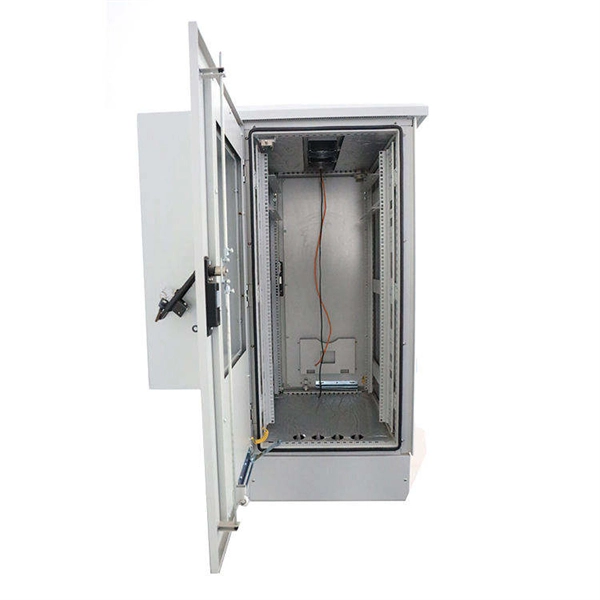
IEC 61537:2023 specifies requirements and tests for cable tray systems and cable ladder systems intended for the support and accommodation of cables and possibly other electrical equipment in electrical and/or communication systems installations. Covers construction and test requirements for. The International Electrotechnical Commission (IEC) is the leading global organization that prepares and publishes International Standards for all electrical, electronic and related technologies. The technical content of IEC publications is kept under constant review by the IEC. Please make sure. association representing the major electrical equipment manufac-turers in the U. The Cable Tray ng standards, performance standards, test standards and application in this document have been tested extens ompetent professional en completely installed, without damage either to conductors or. us-trations without notice. All illustrations, descriptions and technical information included in this document are provided as indications and can cable trays are equivalent. For proper installation, design, and maintenance, adherence to international standards is essential. One of the most recognized frameworks globally is the IEC standard for.
[PDF]
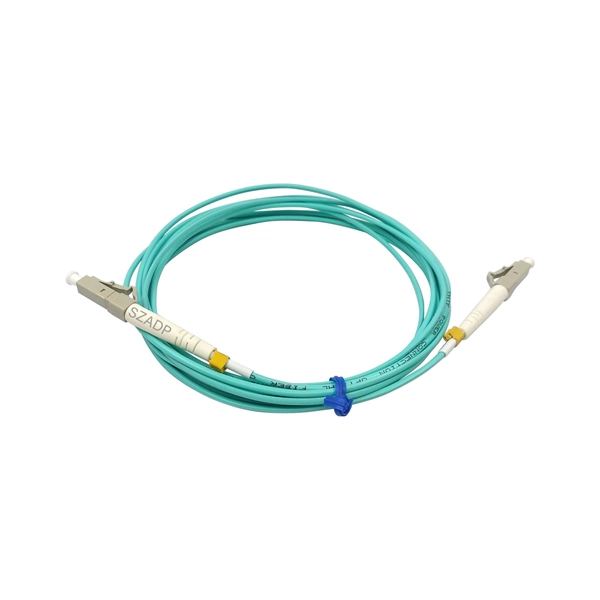
Underground fiber optic cable installation follows specific standards that govern burial depth, testing methods, installation techniques, and safety requirements. Underground cables are pulled in conduit that is buried underground, usually 1-1. 2 meters (3-4 feet) deep to reduce the likelihood of accidentally being dug up. In extreme cold climates, cables may need to be buried at greater depths where there temperatures are colder and frost penetrates to. The Fiber Optic Association, Inc. (FOA) was founded in 1995 to help develop the workforce to build the fiber optic networks to support a rapid expansion in communications and the Internet. The charter of the FOA was to promote professionalism in fiber optics through education, certification, and. This guide walks through each stage of underground fiber installation—from route planning and conduit selection to splicing, termination, and testing—to help ensure long-term network performance and reliability. These standards, established by organizations like the National Electrical Code (NEC), National Electrical Safety Code (NESC), and. Installing underground fiber optic cables is critical to establishing high speed internet infrastructure that delivers reliable connectivity for businesses nationwide. Unlike traditional copper systems, fiber optic cables require specialized handling techniques and precise installation methods to.
[PDF]
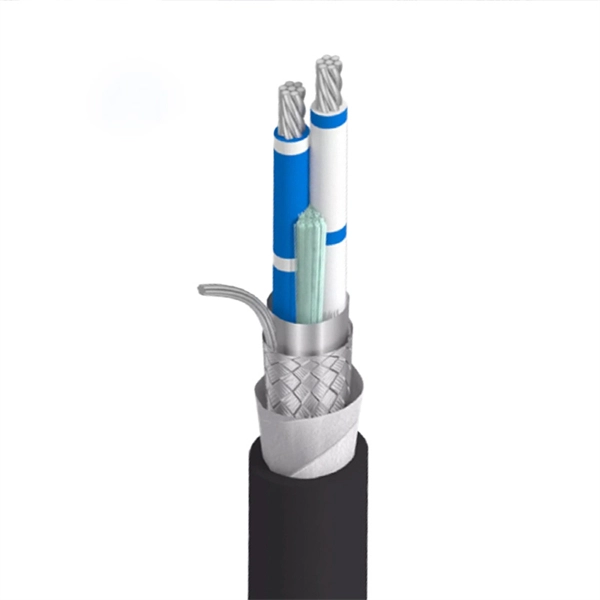
Homeowners typically pay for a distribution box replacement based on box size, amperage, wiring needs, and permit requirements. The price range reflects labor, materials, and potential upgrades to meet code. This guide presents clear cost ranges and the main drivers to help. Buyers typically pay for a full panel replacement, including labor, materials, and permits. Key cost drivers include panel amperage, indoor vs outdoor location, wiring length, and whether a full panel upgrade or rerouting is needed. This article outlines the cost factors, price ranges, and practical budgeting advice for a U. The price depends on electrical code upgrades, permit. Typical cost ranges for replacing a distribution box or service panel in the United States vary widely based on panel size, amperage, labor, and whether a full service upgrade is needed. The term cost can help buyers compare bids and budget accurately for a safe and. Distribution box cost encompasses various factors that influence the overall investment in electrical distribution systems.
[PDF]
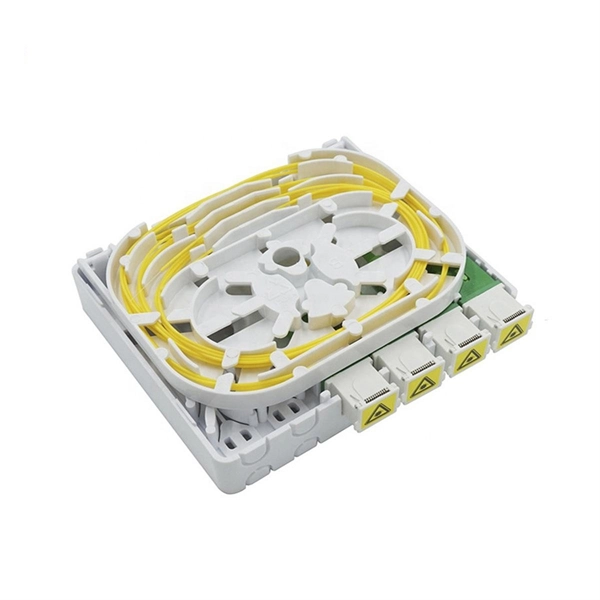
The IEC 61439 standard applies to busbar assemblies that will be installed in electrical applications with a voltage rating up to 1000 V (for AC) and 1500 V (for DC). IEC 61439 is a standard developed by the International Electrotechnical Commission (IEC) that covers design verification for low-voltage electrical products and assemblies. Generation, transmission, distribution and control of electric energy. Special service conditions, for example in ships and in rail vehicles provided that the other relevant specific requirements are complied with. Electrical equipment of. The IEC standard for busbar sizing provides detailed guidelines to help engineers select appropriate busbar dimensions. This ensures that systems operate reliably without overheating or causing electrical hazards. The new series of IEC 61439 standards were published in January 2009. This standard has brought considerable clarity in technical interpretation. It serves as a reference for the construction of. In low-voltage power distribution, the cabinet is never just a cabinet, and the busbar is never just a strip of copper. Behind every reliable low voltage switchgear lineup is a design balance that is harder than it first appears: current must flow safely, heat must be controlled, internal space.
[PDF]
Find detailed information on Electrical Equipment Manufacturing companies in Argentina, including financial statements, sales and marketing contacts, top competitors, and firmographic insights. Telconet, an Argentine company, specializes in high-technology equipment provisioning and offers structured cabling solutions for voice and data networks, which directly relates to the query about "Wire And Cable. Dun & Bradstreet gathers Electrical Equipment Manufacturing business information from trusted sources to. List of Electrical equipment suppliers in Argentina? There are 371 Electrical equipment suppliers in Argentina as of April, 2026. The highest number of Electrical equipment suppliers of Argentina are in Buenos Aires Province and Buenos Aires with 145 businesses and 56 businesses, respectively.
[PDF]
As shown in the figure below, the main cable consists of three conductor wires extending from the top of the motor flat lead extension to the wellhead banded to the production tubing. The ESP cable carries current (amperage) from the motor controller at the surface down to the motor. CAVALCADE™ ESP power cable meets the high-quality standards required for any oil and gas industry specification–even the most challenging unconventional applications–to deliver the electrical requirements of your ESP and to extend system run life. Get cable built with solid copper conductors. Typically, it is banded or clamped to the production tubing from below the wellhead to the ESP unit because it is not designed to support its own weight. It is a specially constructed three-phase power. Levare is one of few artificial lift equipment providers manufacturing the complete ESP system including power cable. The total facilities capacity is approximately 10,000 kilometers (over 6,200 miles) of power and motor lead extension (MLE) cables annually. It is a specially constructed three-phase power cable designed. When performing well interventions, the choice of a suitable cable is critical to ensure well control is maintained while deploying wireline through pressure control equipment (PCE). Depending on the well conditions, many considerations should be taken into account for choosing the best cable.
[PDF]
With a variety of kit options available, you can choose between the easy-to-use Quick Clean™ Cleaners, the convenient cleaning cube/card, and the best optic solvent pen to clean both patch cords and fiber.
[PDF]
With over 30 years of experience, we serve EPC companies, the solar energy sector, and various industries with reliable, customized solutions. We integrate world-class technology with local expertise to drive Thailand's infrastructure toward the future. We are Thailand's leading manufacturer of high-quality electrical control cabinets and an authorized partner of Siemens and ABB. Explore our core range of certified power distribution and junction box solutions, widely deployed across Thai industrial. Telphone : (+662) 703-1013-7FAX : (+662) 703-1133E-mail : sales@thaipower. th TTP, was established in 2012 by the engineering team with the experiences more than 10 years Thai technic power and service Co. experiences in distributing electrical components and installing the electrical. has been established the business in Thailand to become distributors of quality electrical products serving the factory, construction, petrochemical, commercial, and many industries With the proven performance record in Thailand, Arkham Electric is committed to being the competitive benchmark for. Thai Toko Engineering Co. We have been involved in many projects from large industrial plants, the office building. the residential building and department store building. We focus on providing design services and best. The company specializes in the procurement and installation of Electrical systems, highlighting its expertise in Power Line Engineering.
[PDF]
Below are practical price ranges to help budgeting. Cost ranges reflect box price plus installation and required ancillary work. The total project cost for a septic distribution box can span from about $700 to $2,400, depending on box complexity, trench length, backfill needs . Below are practical price ranges to help budgeting. Typical projects fall into a modest scope with trench work or rerouting, or a more complex install with longer runs and multiple ports. Assumptions include a standard PVC/HDPE box with four to six ports, 10–60 feet of lateral. What Should You Consider When Selecting DC Circuit Breakers for PV Systems? Solar photovoltaic systems require specialized protection equipment to ensure safe and reliable operation throughout their lifespan. Among the most critical components are DC circuit breakers, which serve as the primary. Homeowners typically spend several hundred to several thousand dollars for distribution box work in septic systems, depending on system size, material, and installation complexity. The cost is driven by box size, material, and installation requirements, with price ranges reflecting basic plastic units up to heavier-duty or re-locatable options. This guide outlines cost estimates in USD with clear low, average, and high ranges and explains what affects price.
[PDF]