When discussing industrial electrical cabling, the significance of cable trays becomes evident. A specific arrangement must be implemented for larger cables to prevent entanglement, ensuring easy comprehension during maintenance and proper upkeep. Tired of messy wires causing headaches? Brilltech Engineers Pvt. brings the Cable Trays in Jamaica just for you! We, one of the well-known Cable Trays Manufacturers in Jamaica, offer top-notch trays that keep your electrical system organized and protected. Our custom-based products are able to match up your distinct needs. Our products are known for their sustainable performance and all the other features that it. In an effort to obtain more realistic assessment data the assessment and withstand demonstrators have been combined into a common two-piece unit. Cablofil cable tray is the revolutionary system constructed of precision-engineered, high-quality, welded steel wire. The Cablofil system includes everything to make installation effortless and it adapts easily as your cable management needs grow and c hange. The FAS support system is exclusively. Make a Payment We provide High Quality Products & excellent customer service to our clients. + (876) 618-6790. us-trations without notice.
[PDF]
This guide covers best practices for cable management, routing, and pathway selection to help keep your infrastructure reliable, organized, and easy to maintain. Plan Your Cable Pathway Layout Every cable routing job starts with a solid layout. Before running. Cable tray systems provide a safe, organized, and flexible method for supporting insulated conductors and cables in commercial and industrial electrical installations. When properly selected and installed, cable trays simplify routing, improve accessibility, and support future expansion while. Article Summary: A compliant cable tray installation requires a thorough understanding of NEC Article 392, proper structural support, and precise installation techniques. This guide covers the critical steps, from selecting the right electrical cable tray and performing accurate cable fill. Installation of Cable in Cable Trays involves precise routing on support systems, NEC/IEC compliance, grounding, ampacity derating, bend radius control, segregation of services, fire safety, labeling, and reliable cable management for industrial and commercial facilities. The use of ladder-type. Adhering to IS 1255:1983, the following step-by-step procedure ensures proper installation of a 1200mm wide cable tray in a basement setting. Each step considers best practices for durability, safety, and efficient cable management.
[PDF]

FRP ladder type cable tray is made of a polymer matrix reinforced with fibers, such as glass fibers. These types of trays are used to support and organize the cables. Here, FRP is the material of the cable tray, and its full form is fiber-reinforced plastic. Known for their exceptional durability, corrosion resistance, and cost-effectiveness, FRP cable trays are revolutionizing cable management across multiple sectors. In this comprehensive guide, we will explore everything about FRP cable trays - what they are, why they matter, their advantages. Against this backdrop, the FRP Cable Tray (Fiberglass Reinforced Plastic Cable Tray) has become the preferred solution in fields such as electricity, communication, and chemical industry, thanks to its unique material properties and design advantages. This article will deeply analyze the. FRP cable tray is the support system for managing cables and protect cables from heating, rains and corrosive elements. They are widely used in chemical plants, building con-structions and residential life by virtue of its. Now, FRP stands for Fiberglass Reinforced Plastic, which is a sturdy material made by reinforcing plastic with fiberglass. FRP cable trays are like the superheroes of cable management because they're lightweight, yet incredibly strong and durable. Whether you're working on a large industrial project or a commercial building, selecting the right type of FRP.
[PDF]
Easy-to-design and simple to assemble, Hilti's MT System offers an integrated solution with hardware, software, and services for mechanical, electrical, and pipe support systems along with industrial installations. An Electrician must know Electrical Abbreviations and Full Forms to read a electrical drawings. No matter is construction or maintenance your industry is, you need to be learned electrical abbreviations and electrical symbols. If you don't know you can't work with SLD drawings. What is the role of a cable tray in electrical engineering? A cable tray allows for the neat and aesthetic arrangement of cables, improves the reliability. At Hilti we can help from the moment you start your design to the moment you install the final solution. Whether you're planning MEP installations such as pipe and cable tray supports, or access platforms and integrated. us-trations without notice. All illustrations, descriptions and technical information included in this document are provided as indications and can cable trays are equivalent. The mechanical and electrical characteristics, tests, certifications, overall quality management, recommendations mentioned. In the electrical wiring of buildings, a cable tray system is used to support insulated electrical cables used for power distribution, control, and communication. Cable trays are used as an alternative to open wiring or electrical conduit systems, and are commonly used for cable management in.
[PDF]
This guide discusses common cable tray problems, from loosening and corrosion to grounding issues and installation errors, along with strategies for prevention and resolution. Understanding the root causes of cable tray failures is the first step toward ensuring system reliability. Let's delve into. Steel cable trays form the backbone of organized and efficient electrical wiring in industrial, commercial and infrastructure projects. High-current power cables placed close to sensitive control or communication lines also help to cause heat generation. Refer the below link: How to do the voltage drop calculation of instrument cable? How. The entire cable line is completely burned or one of the phases is damaged, causing all the current relays on the distribution cabinet to activate. The damage at the fault location is extremely severe. Short circuits occur in all phases of the cable, which will also trigger the interlocking. The cable trays aren't connecting no matter what angle I try to connect them and I am presented with the following error message in the image attached despite loading all the cable tray connectors. At first I thought the angles were perhaps too much for the software to automatically connect but. There is no restriction as to where the cable tray system is installed. All metallic cable trays shall be grounded as required in Article 250. 96 regardless of whether or not the cable tray is being used as an.
[PDF]
The modern world relies heavily on electrical and communication cables that must be managed and supported across vast distances in commercial and industrial settings. A cable tray is an organized support structure designed to secure and route these insulated electrical cables. In the electrical wiring of buildings, a cable tray system is used to support insulated electrical cables used for power distribution, control, and communication. Cable trays are used as an alternative to open wiring or electrical conduit systems, and are commonly used for cable management in. Whether you're planning a new office setup or upgrading your existing network, the choice of a cable tray system plays a significant role in ensuring the reliability and scalability of your structured cabling solution. It acts as a. en completely installed, without damage either to conductors or structural system use maintain spacing or to keep cables in place when the tray is ect the minimum bend ra-dius for cables as they exit the bottom of the cable tray. A rung spacing of 6 to 9 inches (150 to 230 mm) is preferable when. Explore various cable tray types and sizes for electrical installations. Learn about ladder, perforated, solid-bottom, wire mesh, and channel trays in this complete guide. What is Cable Tray Systems? 1.
[PDF]
Trapezoidal Cable Tray: Trapezoidal cable trays are characterized by their trapezoidal structure consisting of two side rails connected by a crosspiece. This design allows for excellent ventilation and heat dissipation, making them ideal for high-capacity cable management. Fiberglass - Technical Data Structural Characteristics of Cable Tray and Supports When viewed in its installed condition, any cable tray system performs functionally as a beam under a uniformly distributed load. There are four basic beam configurations typically found in a cable tray installation. -piece tray istypically used in applications where visual esthetics are important. It is available with a ventilated or solid bottom. Channel tray can protect against. Steel cable trays come in various types, each offering unique features and catering to different applications. Among them, the stainless steel cable tray is highly recommended for use in the petroleum, chemical as well as television industries. Its lightweight nature, elegant appearance, easy. This appendix provides the design criteria for seismic Category I cable trays and their supports. Seismic Category II cable trays and their supports are also designed utilizing the design criteria of this appendix. These trays have large space and good ventilation performance. Structural Design and Flexibility: The structural.
[PDF]
Most cable tray systems are fabricated from a corrosion-resistant metal (low-carbon steel, stainless steel or an aluminium alloy) or from a metal with a corrosion-resistant finish (zinc or epoxy). Cable Trays are designed to meet most requirements of cable and electrical wire installations and comply to local and international standards of fabrications and finishes. SFSP cable trays and accessories from SFSP are manufactured from steel sheets in accordance with BS EN 10130/BS EN 10131/ BS EN. Steel cable trays are among the most popular choices due to their strength and adaptability. They offer high load capacity and are suitable for supporting heavy cables. There are two main types: Galvanized Steel Cable Trays: These trays are coated with zinc to provide enhanced corrosion resistance. According to the National Electrical Code standard of the United States, a cable tray is a unit or assembly of units or sections and associated fittings forming a rigid structural system used to securely fasten or support cables and raceways. There are several types of cable trays, including ladder, perforated, solid bottom, basket, and channel trays. Each cable tray type performs a different function and comes in various materials such as aluminum. Cable tray systems provide a safe, organized, and flexible method for supporting insulated conductors and cables in commercial and industrial electrical installations.
[PDF]
Cable trays are used as an alternative to open wiring or electrical conduit systems, and are commonly used for cable management in commercial and industrial construction. In the electrical wiring of buildings, a cable tray system is used to support insulated electrical cables used for power distribution, control, and communication. Today, electrical cable trays have become an essential component in industrial and commercial construction, providing a quick, economical, and. -piece tray istypically used in applications where visual esthetics are important. It is used in a range of applications with sp nch runs from the main cable tray system to electr cal devices or other equipment. It is available with a ventilated or solid bottom. Channel tray can protect against. Cable trays support cable across open spans in the same manner that roadway bridges support traffic. Cable trays are not raceways, and are treated as a structural component of a facility's electrical system. A bridge is a structure that provides safe passage for traffic across open spans. The National Electrical Code publishes the standards for all.
[PDF]
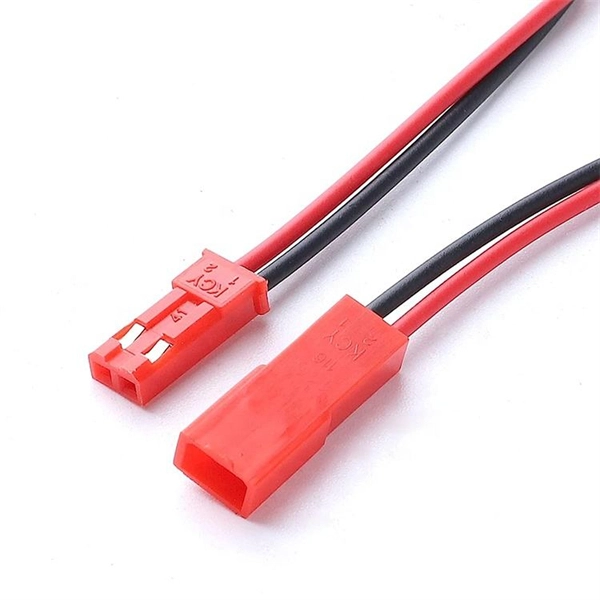
45° & 90° flat bends are available for light, medium and heavy duty cable tray systems with widths ranging from 50mm – 900mm. Different types of bends are essential to navigate obstacles, optimize space, and ensure the smooth and safe routing of cables in complex layouts. In this blog, we'll explore the various types of bends commonly used in wire mesh cable trays and discuss their applications and techniques in detail. Materials and finishes available are mild. Elbow Cover, 3/4", 1" Bend Radius, PVC, Office White, 1/bag Category: 90° Horizontal Cable Tray Bend Cable Runway Radius Bend; 12"W x 12. 5"L; Black; Cable Capacity - 947 Category: 90° Vertical Outside Tray Bend 90° Radius Juncture, 2 inch Depth x 12 Inch Width, Pre-Galvanized Steel. The bends, tees, crosses, risers and reducers of wire mesh cable tray can be easily and quickly made live at the project by using a bolt cutter. Since the jaws of the bolt cutter drags a layer of zinc across the cut end and forms a protective layer. An adjustable bend with 30°, 45°, 60°, 75° and 90° configurations is also available for medium and. Galvanized steel bends remain the standard for cost-effectiveness, with Shanghai Besca's $1/meter solution offering exceptional value for large projects. Their UL/CUL/CE certifications ensure broad compliance. For specialized environments, Foshan Huaxingwei's galvanized horizontal tees provide.
[PDF]

Cable tray grounding wire is the safety connection that links your electrical system's cable tray to the ground. This provides a safe path for any stray electrical currents to flow safely into the earth, avoiding damage to your equipment and reducing the risk of electric shocks. There is no restriction as to where the cable tray system is installed. The metal in cable trays may be used as the EGC as per the limitations. Cable tray may be used as the Equipment Grounding Conductor (EGC) in any installation where qualified persons will service the installed cable tray system. Consider it as an emergency electricity exit. The main purpose of. Grounding in cable trays is an important practice to increase electrical safety and prevent hazards in case of faults. The methods and materials used may vary depending on the structure of the installation. However, the main principle should always be to ensure safe and effective grounding. It involves connecting cable trays to the facility's grounding system, providing a low-impedance path for fault currents and protecting personnel.
[PDF]
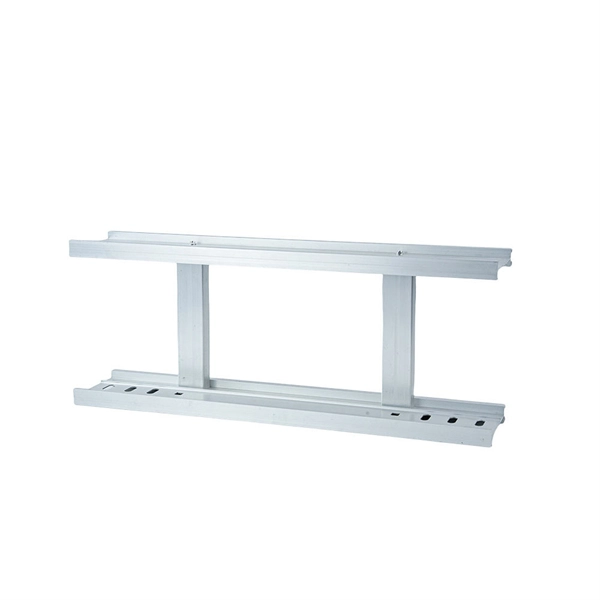
Fiberglass trays are the least effective at dealing with heat. Fiberglass cable tray loses 10% of its rated strength at temperatures as low as 100°F. Eaton's B-Line series fiberglass cable tray systems provide an economical support system with superior strength at room temperatures and dependable load bearing capabilities at continuously elevated temperatures. While fiberglass cable tray systems utilize a heat-cured resin that doesn't melt at. Choosing fiberglass cable trays for elevated-temperature environments requires moving beyond supplier claims. Your assurance as an engineer should be based on evidence, specifically the Air Thermal Aging Test Report. You don't need to be a materials expert. You need to know how to evaluate three. Our trays are manufactured from Fiberglass Reinforced Plastic (FRP) using high-grade resins to ensure outstanding corrosion resistance, mechanical strength, and electrical insulation. FRP Cable Trays are a superior alternative to conventional steel or aluminum trays, particularly in aggressive. Fiberglass Ultra-Sleeve High-Temperature Sleeving is a protective sleeve that is ideal for those areas where your cable runs through a particularly harsh environment of flash heat or flame, chemical or mechanical abuse.
[PDF]
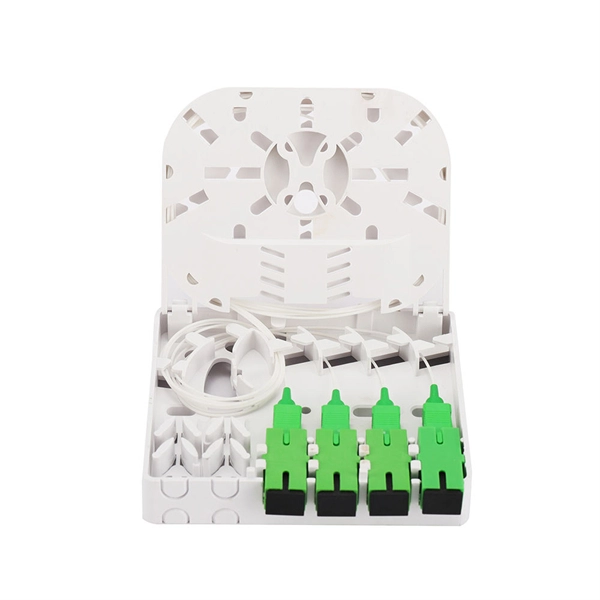
Grounding in cable trays allows electrical leakage from the outer surfaces of the conductors to be channeled into the tray. It helps to safely direct dangerous currents that may result from electrical faults to the ground. Cable tray may be used as the Equipment Grounding Conductor (EGC) in any installation where qualified persons will service the installed cable tray system. There is no restriction as to where the cable tray system is installed. The metal in cable trays may be used as the EGC as per the limitations. Enhanced safety: Grounding provides a safe path for fault currents to flow, significantly reducing the risk of electric shock to personnel and preventing damage to equipment due to overvoltage or insulation failure. It also safeguards against fire hazards caused by excessive heat generated during. that system to lose its UL Classification. If you take what UL states literally, ANY cut to tray (ladder or wi e) would cause a loss of UL Classification. The methods and materials used may vary depending on the structure of the installation. However, the main principle should always be to ensure safe and effective grounding. These systems provide an efficient and adaptable solution for managing a wide range of cables, including power cables, control cables, Ethernet, and fiber optic lines. The flexibility and scalability of cable trays make them an ideal choice for environments where cable density and organization can.
[PDF]
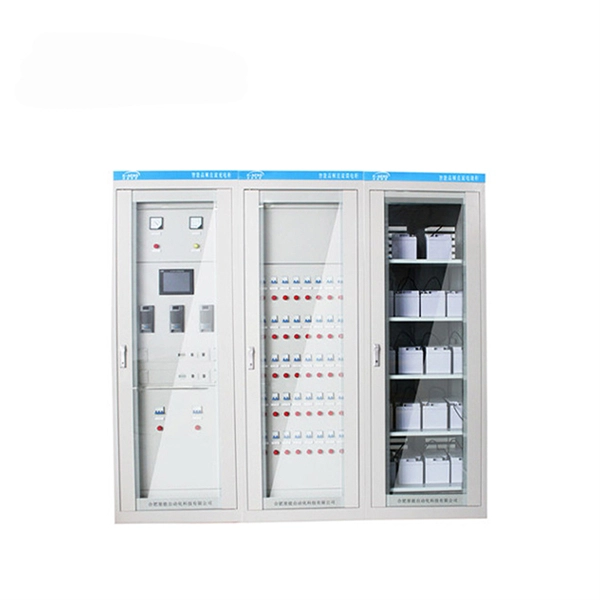
6Wresearch actively monitors the Belarus Commercial Vehicle Electric Power Distribution Box Market and publishes its comprehensive annual report, highlighting emerging trends, growth drivers, revenue analysis, and forecast outlook. If you are examining for a leading Belarus Distribution Box Manufacturer that has speciallized in Electronics & Electrical, then Blazing Electric Co. The office of Blazing Electric Co. is sited in MINSK Belarus. is a uppermost venture in. A customized low-voltage power distribution cabinet designed for equipment power supply, motor control, and system protection in a local manufacturing workshop. The YCQ9-250 200 Amp Automatic Transfer Switch (ATS) provides reliable, automatic power source switching for critical backup systems. Private Enterprise "KOMEKS" is our resident company duly registered in the Republic of Belarus (Eastern Europe) with following. Today we are one of the largest manufacturers springs, sensors, wiring harness for. Belarus is a landlocked country in Eastern Europe bordered by Russia to the northeast, Ukraine to the south, Poland to the west, and Lithuania and Latvia to the northwest. Its capital and most populous city is Minsk. Over 40% of its 207,600 square kilometres (80,200 sq mi) is forested.
[PDF]
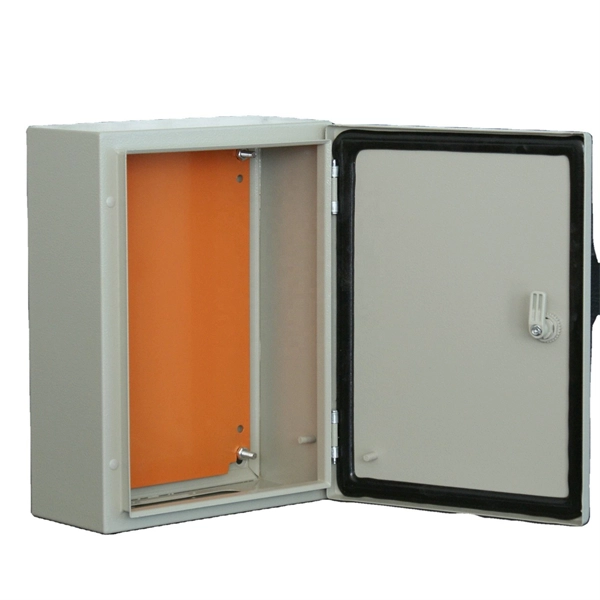
Design requirements for low voltage distribution boxes cover NEC, IEC, and safety standards to ensure reliable, compliant electrical installations. You must make safety your top priority when working with low voltage distribution boxes. Among the most widely recognized frameworks governing electrical panel design are the IEC (International Electrotechnical Commission) standards, particularly the IEC 61439 series, which defines the requirements for low-voltage switchgear and controlgear assemblies. In this blog, we explore the. Standards are for reference only. All new extension or modifications require an approved design and a preconstruction meeting with EWEB prior to installation. Need more information on how to get a design? Contact us at distributionengineering@eweb. NEC Article 408 covers switchboards, switchgear, and Panelboards installation and applications. Redesigned to improve safety, product longevity and appearance over time. Note: Eaton recommends mounting redesigned enclosures with at least six inches of clearance between adjacent structures to provide adequate access to side bolts. a Applicable for type LWPQ only. A distribution box is the heart of any electrical system. It takes the incoming power and safely distributes it to different circuits throughout your building. Whether in a home or an industrial facility, this box keeps.
[PDF]