The core principle of fiber optic splicing is to achieve low-loss, high-strength junctions between fiber ends. This involves three key steps: preparation, alignment, and bonding. Let's break it down technically:. At the core of this system's precision and reliability are Fiber Optic Splice Boxes—the unsung heroes that house and protect the delicate junctions where fiber cables are joined. The integrity of these enclosures is paramount to network performance. This guide optimizes the original text by delving. A splice box (also known as splice distributor) is a housing in which fiber optic cables begin or end. Key Functions Typical Applications ZION FTB Highlights In essence: The Fiber Terminal Box is an end-user termination device for small-scale distribution. ■ What Is a Fiber. Fiber optic cables are the lifeline of modern telecommunications, delivering high-speed data with minimal loss. However, installing and maintaining these networks requires seamless connections between fiber segments—a process known as fiber optic splicing. Understanding how it works is essential for anyone interested in telecommunications or network infrastructure. Essential for mending faults or scaling networks, splicing underpins the backbone of contemporary communications. In this comprehensive guide.
[PDF]
Up to 16 I/O signals can be consolidated over a single home-run connection on the box. These junction boxes provide a rugged solution with an IP67 rating or greater, making them ideal for both indoor and outdoor applications. Products are available with M12, M8, 7/8”, or. Customize your Feit Electric OneSync Under Cabinet Lighting System with this UCL/JBX Hardwire Converter Junction Box. Get rid of unsightly wires that get in the way and take away from the beauty of your space. This easy to install junction box allows you to turn your OneSync Under Cabinet Lighting. Check each product page for other buying options. Price and other details may vary based on product size and color. Need help? Discover a wide selection of junction box adapters and mounting brackets. Perfect for secure electrical connections. Passive 4-, 6-, and 8- port junction boxes provide wiring consolidation, whether combining input signals or distributing output signals. Same and Next Day Delivery. The Junction Box Adapter installs easily onto existing (3rd party) junction boxes to enable the use of all Q-Series FicientLock products. Combine the QJBA with QL100 to make our.
[PDF]
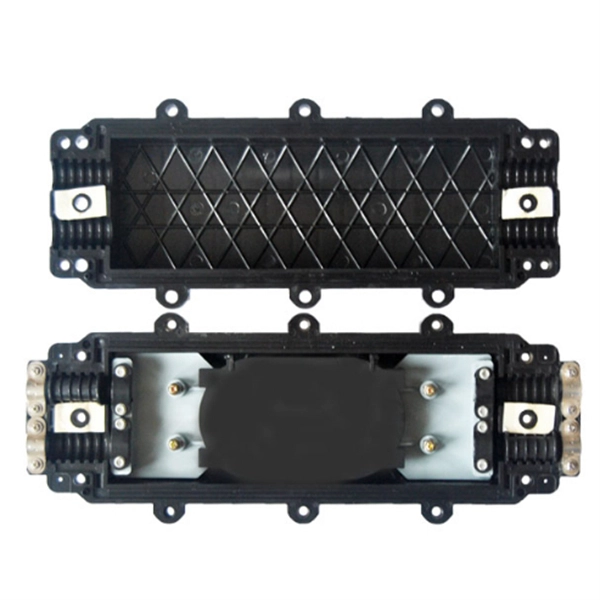
OPGW cable joint box installation involves several key stages: selecting the appropriate location, preparing both the cable and the joint box, splicing fibers, and sealing the joint box properly. Adhering to these steps ensures optimal performance and longevity of the telecommunications system. Optical fiber junction boxes are essential components in outdoor optical fiber cable installations. In this article, we will discuss the necessary steps and best practices. The Indoor/Outdoor Splice Box is a wall-mounted, indoor/outdoor fiber splice enclosure for centralized splice-only applications. These boxes are well suited as optical cable splice collection points for MDU (Multi-Dwelling Unit) residential fiber network applications, MTU (Multi-Tenant Unit). The installation of an optical cable junction box is crucial in ensuring the integrity and performance of optical networks. As we enter 2024, adhering to best practices not only enhances system reliability but also mitigates potential issues that can affect customer experiences. Installing a fiber optic splice closure efficiently and effectively requires attention to detail and. AFL's SB01 splice enclosure provides protection from all types of elements. From weather to bullets, the iron and steel construction requires no additional protective covering. Furnished with four plugged cable ports (2 aluminum and 2 plastic) for either All-Dielectric Self-Supporting (ADSS) or.
[PDF]
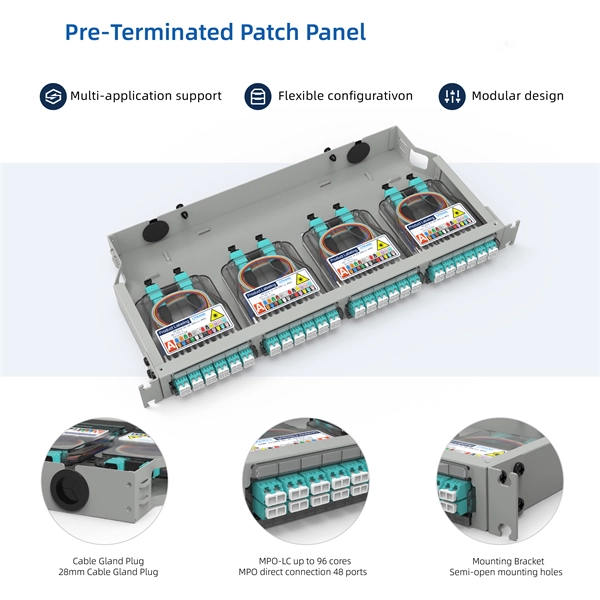
Both are “junction boxes” but the installation style, accessibility and aesthetics differ. Surface‑mount: quick to install, easy to access, ideal for retrofit or exposed wiring. Flush‑mount: cleaner look, protected location, good for panel or finished wall installations. The right choice of junction box ensures safety, extends equipment life, and helps meet compliance standards. In this article, we'll explore the different types of junction boxes, compare. A junction box is an enclosure designed to house electrical connections, providing a safe and organized way to connect multiple wires and circuits. These boxes can be made from various materials, including metal and plastic, and are crucial in both residential and commercial electrical systems. With a variety of types available, each designed for specific applications and environments, understanding their differences is essential for ensuring safety, functionality, and compliance with the National Electrical Code (NEC). Understanding the different electrical junction box types helps electricians, engineers, contractors, and buyers. By: Thor, Senior Electrical Engineer at Weisho Electric Co. Thor specializes in R&D and overseas technical support for high-voltage cable junction boxes and other power distribution equipment. Yet in industrial applications, it becomes far more than a simple container—it's a decision that influences performance, safety, and.
[PDF]
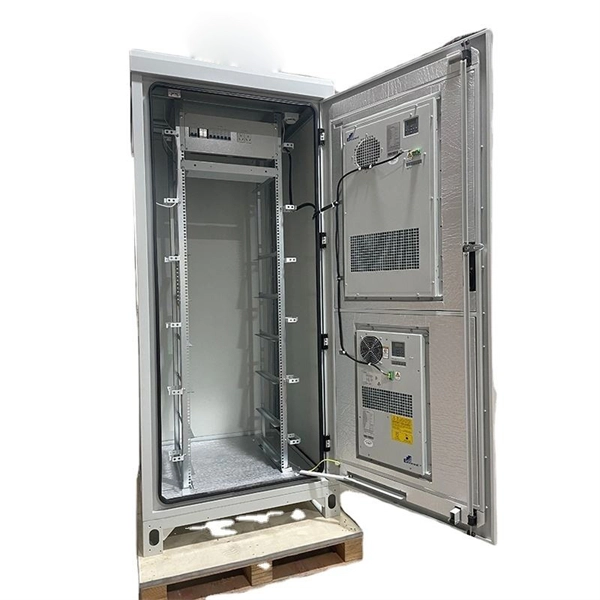
Although fiber distribution boxes and fiber optic termination boxes may look similar, their functions, structure, and placement within FTTH networks are fundamentally different. Correct selection ensures efficient fiber management, smoother installation, and fewer. In FTTH, FTTB, and other fiber access networks, terms such as Fiber Optic Termination Box, Fiber Distribution Box (FDB), and ODF (Optical Distribution Frame) are frequently mentioned. Key Functions Typical Applications ZION FTB Highlights In essence: The Fiber Terminal Box is an end-user termination device for small-scale distribution. ■ What Is a Fiber. This article provides an in-depth comparison of fiber terminal boxes and junction boxes to help clarify their differences and deepen your understanding. Think of a Fiber Terminal Box (also known as a Fiber Optic Terminal Box or Optical Distribution Box) as the dedicated hub for managing and. The terminal box is a fiber management product used to distribute and protect optical fiber links in FTTH networks. It is small, so it is considered a mini version of the optical distribution frame or optical distribution frame (ODF). It focuses on organizing incoming feeder fibers and distributing them to multiple outgoing fibers, often acting as an intermediate node. By contrast, a termination box is installed.
[PDF]
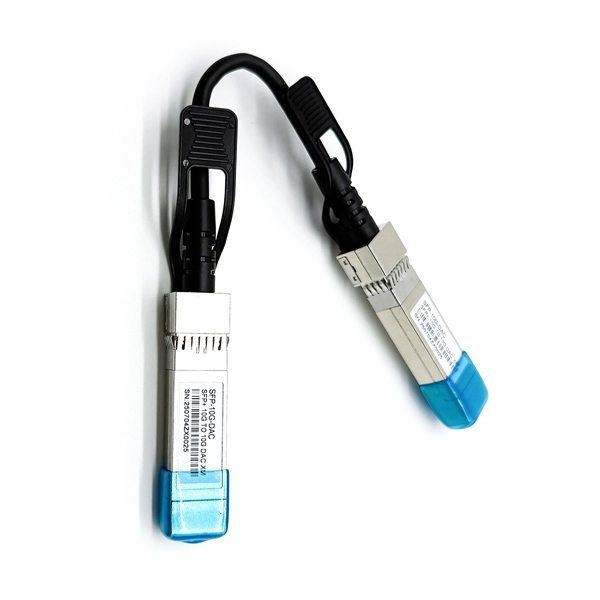
A Fiber Termination Box, also known as a Fiber Distribution Box, is a crucial component in fiber optic networks. Fiber junction boxes play a crucial role in the organization, protection, and distribution of fiber optic cables in various applications, including telecommunications, data centers, and industrial networks. These boxes serve as connection points for fiber optic cables and facilitate efficient cable. A Fiber Terminal Box (FTB) is a customer-side termination and distribution device used at the end of the optical network. ■ What Is a Fiber. To handle a large number of optical fibers with lower cost and higher flexibility, various optical junction boxes are widely used to connect and arrange optical fibers. Sometimes people confuse the Terminal box and the junction box because of their similar appearance and function. If you always. A fiber termination box is the standard instrument used in fiber optic networks to connect, secure, and protect optical fibers at the terminating point. Primary Purpose: Its core function is to provide a secure, protected location. In the dynamic landscape of modern communication, Fiber Termination Boxes (FTBs) play a pivotal role in ensuring the efficiency and reliability of fiber optic networks. From homes to data centers, understanding the basics of FTBs, including their installation and maintenance, is essential for.
[PDF]
In this informative tutorial, we will guide you through the step-by-step process of wiring a 3 phase distribution DB box. Whether you are an electrician, a DIY enthusiast, or simply curious about electrical installations, this video is perfect for you. A distribution board, also known as a DB box, is like the central hub of an electrical system. It contains multiple circuit breakers and connects various electrical circuits to ensure. NO. While a single phase distribution board is capable of managing just one type of power source, the three phase distribution board is designed to manage multiple sources. This makes it an invaluable tool for. Three-phase system can be described as the common method of alternating current power generation, transmission, and distribution. In this system, the current will pass through the three wires, and there will be one neutral wire for passing the fault current to the earth. Three-phase distribution boards are used in large factories, buildings, manufacturing units.
[PDF]
Abstract—The paper contains a novel online fault diagnosis for distribution feeder with photovoltaic (PV) generation embedded. The aim of the research is to isolate and prevent system faults in Grid connected PV System. Firstly, a dynamic model of distribution feeder for fault. This paper reviews recent progress in fault detection, reliability analysis, and predictive maintenance methods for grid-connected solar photovoltaic (PV) systems. With the rising adoption of solar power globally, maintaining system reliability and performance is vital for a sustainable energy. Early fault detection and diagnosis of grid‐connected photovoltaic systems (GCPS) is imperative to improve their performance and reliability. Low‐cost edge devices have emerged as innovative solutions for real‐time monitoring, reducing latency, and improving response times. These guidelines set out the criteria that need to be considered when performing the inspection of a solar PV System to be connected to the distribution network.
[PDF]
Marker balls, also known as aerial marker balls or power line marker balls, are brightly colored spherical objects attached to overhead power lines. These balls are made of durable, light materials like plastic or rubber. As a key electrical equipment for receiving and distributing high-voltage electric energy in the power system, the high-voltage distribution cabinet plays an indispensable role in the safe and stable operation of the power system. There are many types of components in the cabinet, and each has a. A distribution box is a key part of electrical systems in buildings. It helps control and distribute electricity to different areas. Inside, you'll find parts like circuit breakers and fuses that protect the system from problems like overloads and short circuits. Today, electrical systems are essential for homes and industries. But what exactly is a power distribution box, and why is it so essential in our daily lives? The DB panel board controls the flow of electricity. In a substation there are numbers of incoming and outgoing circuits each having its isolator, circuit breaker, transformers etc. connected to bus-bar system. These equipment are mostly static.
[PDF]

Most likely problem: Luckily for you, it's most likely not a problem. A slight hum is normal. Breakers often produce a humming noise from the vibration of the electrical currents. What to do: You most likely don't need to do anything. Here, we'll dive into the causes behind a breaker box making sizzling noise, and how we can remedy it. Faint Circuit Breaker Buzzing 2. Medium and Noticeable Humming 3. Loud Sizzling Noise and Spark There are plenty of reasons why you hear that electrical box humming noise. Resolution: Operational noise has been a question for a long time and it is generally a stacking up of factors which by themselves go unnoticed, but which together are noticed. • Loose bolts, current. Distribution boxes are the unsung heroes of our electrical systems, quietly managing power until something goes wrong. When they start tripping, overheating, or making strange noises, it's more than just an inconvenience - it's your home's cry for help. In this guide, we'll walk through these. Buzzing sounds in electrical panels are a common concern for homeowners, but they should never be ignored. While some noises are harmless, others can signal serious electrical problems that put your home and family at risk. Even while you shouldn't be overly concerned when you hear this sound, there are some cases in which it could indicate that there is a major issue with the electrical system in.
[PDF]
In this video, we'll walk you through the process of wiring a home distribution box with a detailed connection diagram. Whether you're an electrician or a DIY enthusiast, this guide will help you understand the basics of home electrical distribution. What is. In this video am going to show you how you can simply repair your electric flat iron with connection guideline in video above. Choose the right box based on environment (indoor/outdoor), load capacity, and durability. Check for proper IP/NEMA ratings and material quality. Ensure safe placement: install in. An electrical panel box, also known as a breaker box or a distribution board, is a crucial component of any electrical system. It serves as a central hub for distributing electricity throughout a building, ensuring that power is delivered safely and efficiently to all the required locations. It shows us all the parts that make. Setup of the distribution board is based on a 3-step principle (wall pan / mounting insert + DIN frame + door) Complete types incl. neutral and protective-earth screw type conductor terminals 33 1MU devices / row. Only for indoor applications. What is Distribution Board? Distribution board.
[PDF]
Overhead service conductors cannot be smaller than 8 AWG copper or 6 AWG aluminum [230. The National Electrical Code (NEC) provides comprehensive safety standards for electrical installations, including requirements for electrical panels (main service panels and subpanels or breaker box). NEC Article 408 covers switchboards, switchgear, and Panelboards installation and applications. A distribution box is the heart of any electrical system. It takes the incoming power and safely distributes it to different circuits throughout your building. Whether in a home or an industrial facility, this box keeps your electrical setup organized, functional, and efficient. However, the key to. This guide explores control panels, electrical boxes, breaker panels, bus bars, junction boxes, and custom enclosures to help you understand their sizes, types, and common applications. Houses PLCs, relays, contactors, and wiring. Supports control. Do you understand the conductor and equipment requirements for services? Article 230 covers the installation requirements for service conductors and service equipment. A service consists of the conductors and equipment connecting the serving electric utility to the premises wiring system. Just like travelers need clear pathways and safety protocols, your electrical circuits need proper management to prevent chaos. The scope of the article includes electrical requirements related to: Below is a complete overview.
[PDF]
Online shopping for Shipping Label Dispensers - Packaging Labels & Tags from a great selection at Industrial & Scientific Store. What are 'Accepted' quality control labels used for? 'Accepted' QC labels are used to clearly mark products, components, or equipment that have passed inspection. They provide an immediate visual confirmation that an item meets all required quality standards and is ready for its next step. Increase efficiency and avoid mistakes. Give your customers peace of mind by showing. Clear communication is the backbone of any successful production and inspection process. Whether you are marking raw materials. Shop products from small business brands sold in Amazon's store. © 2026 LabelMill Print + Apply. LabelMill manufactures fully automatic industrial labeling systems, product labeling equipment, and print-and-apply pressure-sensitive label applicators. This ensures everything works, meets industry and contract specs.
[PDF]
Circuit breakers are specialized switches designed to detect faults and stop the flow of electricity in high-stakes environments. In substations, they are configured to handle higher voltages and currents than those of household breakers. They play a pivotal role in protecting the. Substation circuit breakers are vital components within electrical substations, tasked with protecting the entire system by detecting and isolating electrical faults. This device serves as a guardian, protecting the substation and its equipment from potential electrical hazards. It is responsible for disconnecting faulty parts of the grid while keeping the rest of the system running smoothly. In a substation, the circuit breaker is the piece of equipment that matters most.
[PDF]
The Terminal Box (terminal processor) is connected to the end of the LHD cable. EOL Box for NMS1001, NMS1001-CR/OD and NMS1001-EP digital Linear Heat Detection Cable. Terminal box field connection is convenient and. Micro Exploration Technology Cable Linear Temperature Sensing Fire Detector Terminal Box JTW-LD-WT-302 is an advanced fire detection solution designed for precise temperature monitoring over extended areas. This terminal box is engineered to integrate seamlessly with linear temperature sensing. The SR-502 Series Junction Box Sealed Strain Relief Connector is used when the Protectowire Linear Heat Detector enters or exits the junction box. The SR-505 Series Junction Box Sealed Strain. 800 900 Series Linear Heat Detector (LHD) System Sensor 800 series digital linear heat detector and 900 series analogue linear heat detector offer early detection of fire and overheating conditions in industrial high risk hazards as well as many types of commercial applications. The Linear Heat. Maintenance or instrument technicians can now build a new temperature sensor assembly, install it and the plant can be back up and running in minutes rather than days! The SENSOR BOXTM is designed for any plant where temperature sensors are an important part of the operation, and downtime is not an. The Patol End Of Line (EOL) junction boxes are designed to terminate either Analogue and Digital LHDC. Analogue EOL units can monitor for both open and closed circuit faults.
[PDF]