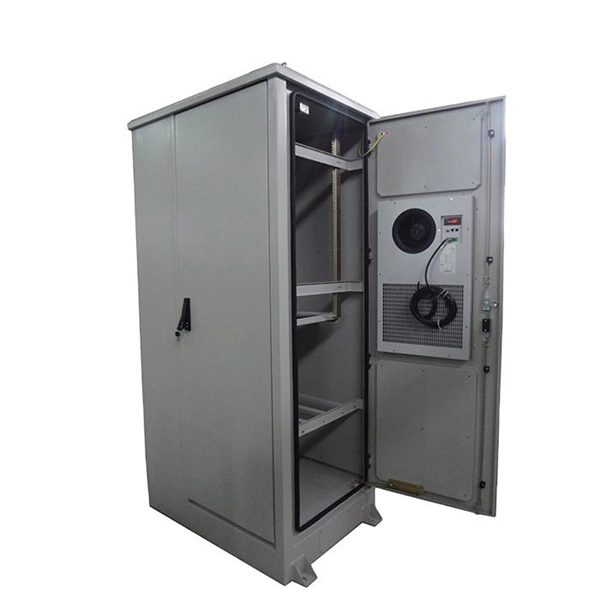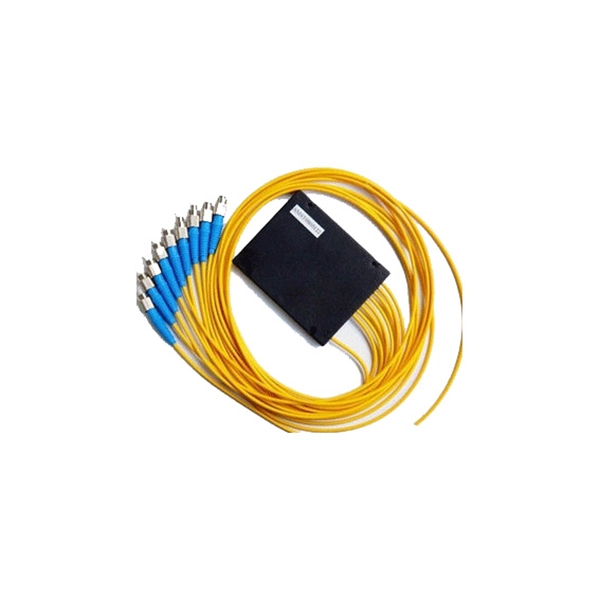
This white paper provides a comprehensive analysis of the fiber broadband supply chain in 2024, 2025 and beyond. The Submarine Cable Map is a free and regularly updated resource from TeleGeography. Huijue Net integrates prefabricated buildings and intelligent modular data center technologies. We explore the changes that have shaped the industry since our last report, focusing on ways to accelerate private builds and the ripple effects of federal funding initiatives such as. Sign up for our newsletter to receive specials and up to date product news and releases. We offer fiber optic materials from Test Equipment, Bulk Cable and Fusion Splicers to Tools, Patch Cables and Consumables. As you work in the telecommunications field, you face complex challenges from rapid network growth and increasing data demands. Traditional methods can slow down your operations and increase the. Established in 2001, Shanghai Huijue Network Communication Equipment Co., Ltd (HJ Network for short) is the leading manufacturer and solution provider for telecom and communication products. The headquarter of HJ Network including the R&D center, technical center, prototype dept and sales is.
[PDF]
This guide compares the main eLife plans and Neo/Neo Fusion options, explains key numbers like Mbps vs Gbps and real-world performance, and shows where promotions (Amazon Prime, TV packages, Smiles Points, free installation) can change the value of a subscription. Only 4 left in stock - order soon. TLG F1110SB 25A/B Fiber Optic Ethernet Media Converter, Singlemode 10/100Base TX to 100Base FX, RJ45 to SC, Fiber Optic Transceiver Up to 25KM. Linksys Velop. Phone : 04 28. Leading. With TP-Link routers you get a stable, efficient and effective high speed internet connectivity while providing safety and security. You can shop from a range of TP-Link routers for your home or office online on Sharaf DG. Giving you a seamless internet connectivity for your binge watching. Welcome to our comprehensive guide on finding the best fiber optic cable suppliers and installation services in the UAE. At Al Hutaib, we understand the importance of a reliable and efficient fiber optic network for businesses and individuals in the UAE. Our goal with this article is to provide you. Types of routers: wired routers, wireless routers, core routers, edge routers. Integrated security features. Free remote installation support. There are no reviews yet. Buy Cisco Routers Online at the Best Prices in UAE. Find networking devices for sale, ideal for business use, in Dubai and across the UAE.
[PDF]
Mouser offers inventory, pricing, & datasheets for Fiber Optic Sensors. Huawei Optical Sensing utilizes distributed fiber vibration technology to incorporate a multimodal sensing AI model into optical fiber sensing applications. This technology, combined with big data/GIS mapping capabilities, offers differentiated, multi-dimensional, and intelligent detection and. Huawei OptiXsense EF3000-A50 is mainly used to inspect buried pipelines. When there are mechanical or manual excavations nearby or above a pipeline, a monitoring optical fiber is deployed above the pipeline to sense vibrations and transmit vibration waves to the fiber sensing device. In the case of. Pricing (USD) Filter the results in the table by unit price based on your quantity. A tariff of 8% may be applied if shipping to the United States. With two digital screens, you can simultaneously confirm the reference value, the amount of light in, and perform various Settings to play a strong operational role. In the case of an. Check each product page for other buying options.
[PDF]
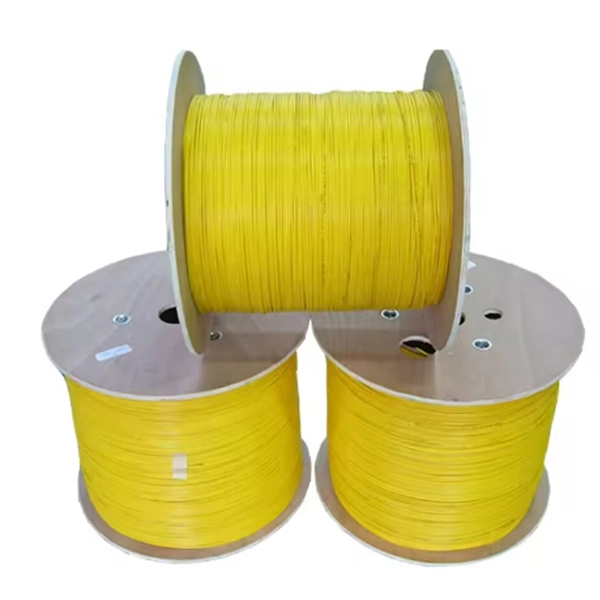
Fiber optic "cable" refers to the complete assembly of fibers, other internal parts like buffer tubes, ripcords, stiffeners, strength members all included inside an outer protective covering called the jacket. Cable provides protection for the optical fiber or fibers within it appropriate for the environment in which it is installed. You will also learn how different aspects of the product can affect budget and design. ■ The Five Key Parts of a Fiber Optic Cable A fiber optic cable. A fiber optic cable consists of five basic components: the core, the cladding, the coating, the strengthening fibers, and the cable jacket. When searching for a fiber optic cable, we need to pay attention not only to the connectors, such as SC to ST fiber cable, LC to SC fiber patch cable, or SC to. A TOSLINK optical fiber cable with a clear jacket. These cables are used mainly for digital audio connections between devices. This advanced cabling solution allows fast, secure data transfer and telecom over long distances. Understanding the components within a fiber optic cable enables. While fiber optic cable itself is cheaper than an equivalent length of copper cable, fiber optic cable connectors and the equipment needed to install them have typically been more expensive than their copper counterparts.
[PDF]
A fiber-optic cable, also known as an optical-fiber cable, is an assembly similar to an electrical cable but containing one or more optical fibers that are used to carry light. The optical fiber elements are typically individually coated with plastic layers and contained in a protective tube suitable for the environment where the cable is used. Different types of cable are used for fiber-optic communication in differen. DesignOptical fiber consists of a and a layer, selected for due to the difference in the between the two. In practical fibers, the cladding is usually coated wit. In September 2012, NTT Japan demonstrated a single fiber cable that was able to transfer 1 per second (10 bits/s) over a distance of 50 kilometers. Although larger cables are available, the highest stra.
[PDF]
At present, key breakthroughs in optical fiber communication technology include high-order modulation formats, polarization multiplexing, wavelength division multiplexing, etc. Optical fiber communication can be widely applied in the fields of the internet and telephone networks . With the rapid development of cloud computing, big data, the Internet of Things, and other new technologies, we have entered an era of digitalization and informatization. The number of internet users has been steadily increasing, which has accelerated the exponential expansion of data services. A. Then the different technologies in optical fiber communication along with their features are discussed briefly.
[PDF]
In this guide, we list the Top 5 Global Manufacturers who set the standard for fire safety. We will also clarify the confusing jargon (OFNR vs. IEC 60331) and show you how to source safety-compliant cables without breaking your budget. Discover premium quality flame retardant fiber optic cable designed to enhance connectivity and performance. Ideal for business buyers seeking reliable solutions. From enabling the energy transition with our pioneering E-Path sustainable cable solution, to supporting critical telecom infrastructure, Prysmian plays a pivotal role in building resilient and efficient systems across the globe. Our commitment to work closely with our customers ensures that we. These indoor fiber optic cables are used exclusively within buildings and must have a flame-retardant cable jacket to fit this purpose. Flame resistant cable may be deployed in-duct (conduit) or cable tray. These essential components are designed to transmit data efficiently, offering reliability and speed in communication systems. The many types of communication cables each have a specific composition, design, and function.
[PDF]
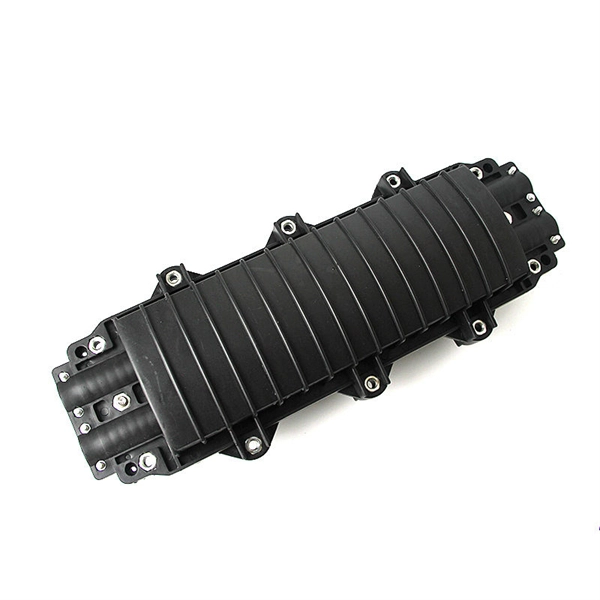
The V-groove substrate is the heart of the Fiber Array, providing precise alignment for the optical fibers. This substrate, typically made from silicon, glass, or ceramic, features a series of V-shaped grooves etched with sub-micron accuracy. Fiber Array (FA for short) is an array formed by installing a bundle of optical fibers or a fiber ribbon on the substrate at specified intervals by using a V-Groove (V-Groove) substrate. Fiber optic arrays in optical communications mainly include a substrate, a platen, and an optical fiber. Whether integrated into planar lightwave circuits (PLCs), optical switches, or high-speed transceivers, FAs play a vital role in ensuring. What is a Fiber Array (FA)? A Fiber Array, commonly abbreviated as FA, is a critical interface component in Silicon Photonics (SiPh) packaging, Photonic Integrated Circuits (PIC), and Co-Packaged Optics (CPO) architectures. It is responsible for efficiently coupling "external optical fibers" with. Fiber Arrays (FAs), as high-precision, high-performance optical components, have become indispensable core elements in fields such as optical communications, photonic integration, and laser processing. Typically, such an array is formed only for the very end of the fibre bundle, rather than over the entire length of the.
[PDF]
Set up your Fiber Optic system with care. Do not make sharp bends. This helps signals stay clear and go farther. Make a plan to check your network often. Regular checks and cleaning help you find problems early. Fixing issues early keeps your. Fiber optic internet transmits data using pulses of light traveling through thin glass strands. The strength of this incoming signal must be measured precisely to ensure high-speed, reliable connectivity. The standard unit for measuring this optical power is the decibel-milliwatt, or dBm. Fiber optic networks are celebrated for their speed and reliability, but even the best systems can encounter problems. When issues like signal loss, slow speeds, or intermittent connectivity arise, systematic troubleshooting is key. This guide will walk you through diagnosing and resolving common. Signal loss in Fiber Optic networks can make data slow. You should fix it fast to get speed and stability back. > You can solve this with simple steps. However, various factors can cause signal degradation, leading to performance issues and reduced network reliability. They offer higher bandwidth, allowing more data to be sent simultaneously. The light-based communication system doesn't interfere with electromagnetic fields, reducing the risk of data corruption. However, in real-world installations, whether underground, aerial, or in harsh industrial environments, fiber cables can and do fail. Understanding the common causes of.
[PDF]
Interactive anomalies of pipelines represent important contributors to pipeline incidents, but monitoring interactive anomalies is challenging. This paper presents an approach to monitor interactive bend.
[PDF]
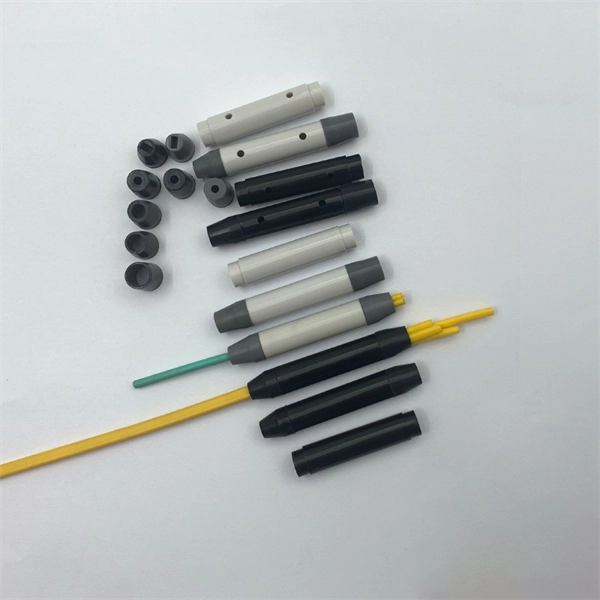
A variety of optical fiber connectors are available, but SC and LC connectors are the most common types of connectors on the market. Typical connectors are rated for 500–1,000 mating cycles. The main differences among types of connectors are dimensions and. An optical fiber connector is a device used to link optical fibers, facilitating the efficient transmission of light signals. They come in various types like SC, LC, ST, and MTP, each designed for specific. Fiber connector types LC, SC, FC, ST, MTP, and MPO are widely used in past and present. What are the differences between them? Who is the most popular one? Find the answer in the article. What is a Fiber Connector? The optical fiber connector is a kind of detachable passive optical component used. Fiber optic cable assembly quality hinges on selecting the right connector type—most commonly LC, SC, or ST—to match device ports and installation environment. When selecting the appropriate optical module for a network application, one crucial factor to consider is the type of fiber connector it employs. Fiber optic connectors are used to the mechanical and optical means for cross connecting fibers. There have been many types of connectors developed for fiber cable. With the demands of different application scenarios.
[PDF]
The answer has to do with the connector endface polish, or the angle of connection, and the good news is connectors also follow industry-standard color codes. Fiber connectors are often used as the terminations of optical fiber cables to provide non-permanent connections between fiber-coupled devices (a kind of removable fiber joints). They are used in a similar manner as electrical connectors. This allows for quickly connecting and disconnecting of fiber optic cables without splicing. The connector features a ferrule, the connector end piece that holds and secures the fiber and aligns it for light. The fiber connector is called a fiber optic or optical fiber connector. A link's transmit signal (Tx) must match its corresponding receiver (Rx) at the other end. Although it may seem obvious, fiber optic polarity is a frequent source of confusion and. Fiber optic patch cables consist of the connectors on the ends of the fiber cable. The options on these cables dictate the fiber type, connector type, polarity, and polish type. The fiber types are SMF (Single-mode fiber) and MMF (multimode fiber). The most common connector types are LC, SC. The fiber connector types, sometimes referred to as terminations, link fiber optic cables together through terminals, switches, adapters, and patch panels, by bridging the gap between their internal glass fibers that transmit the data down the length of the cable. The ferrule, a cylindrical.
[PDF]
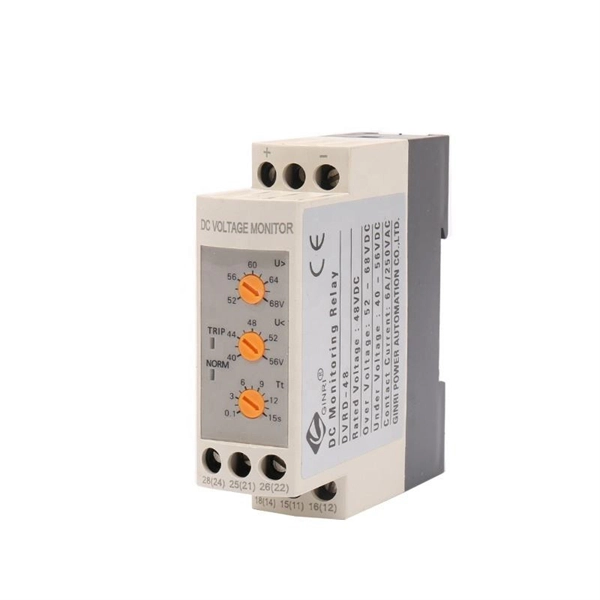
The os3150 and os3155 are rugged, spot-weldable optical strain gage based on fiber Bragg grating (FBG) technology, with optional integrated temperature compensation. The os3100 Optical Strain Gage is designed to make fiber handling easy and sensor installation fast and repeatable. Its stainless steel carrier holds the FBG in tension, using no epoxy. SCAIME has developed a complete range of fibre-optic strain gauges for monitoring complex structures. Since there are no. What are Optical Strain Sensors? Optical strain sensors (or strain gauges) are sensors for compressive and/or tensile mechanical strain (deformation) which are based on optical technology — in most cases, on fiber optics. They can be based on different operation principles as explained in the. Fiber Bragg grating strain gages can be delivered pre-laminated for measuring strain on stiff surfaces. They are suitable for being fixed easily onto the measurement object, like concrete beams, or rocks. These sensors possess great sensitivity and reliability, which explains their growing popularity across various engineering and monitoring applications. The fiber optic strain gauge is directly attached onto the.
[PDF]
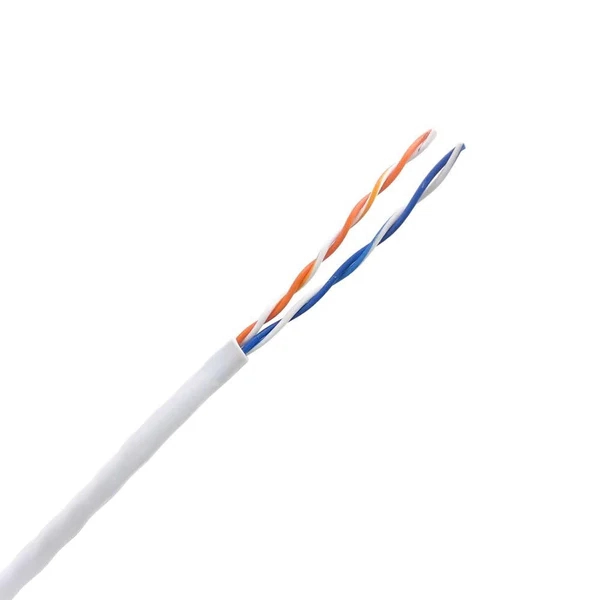
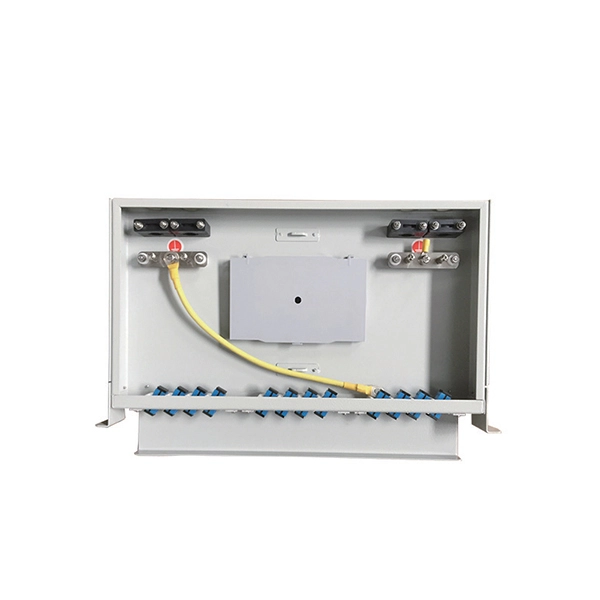
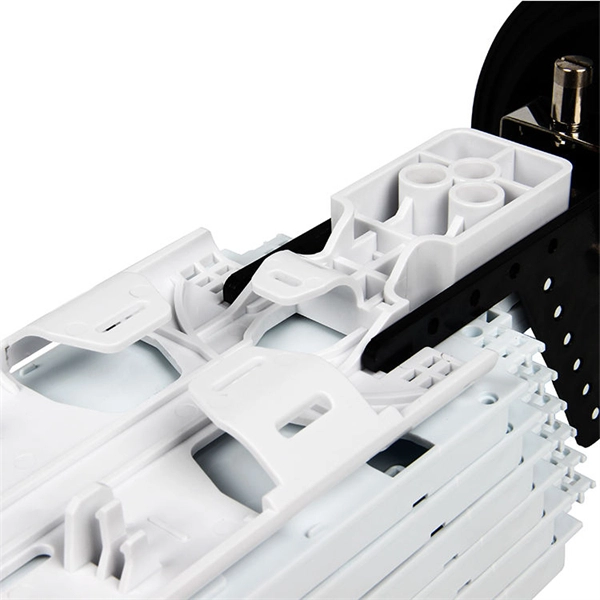
The core principle of fiber optic splicing is to achieve low-loss, high-strength junctions between fiber ends. This involves three key steps: preparation, alignment, and bonding. Let's break it down technically:. At the core of this system's precision and reliability are Fiber Optic Splice Boxes—the unsung heroes that house and protect the delicate junctions where fiber cables are joined. The integrity of these enclosures is paramount to network performance. This guide optimizes the original text by delving. A splice box (also known as splice distributor) is a housing in which fiber optic cables begin or end. Key Functions Typical Applications ZION FTB Highlights In essence: The Fiber Terminal Box is an end-user termination device for small-scale distribution. ■ What Is a Fiber. Fiber optic cables are the lifeline of modern telecommunications, delivering high-speed data with minimal loss. However, installing and maintaining these networks requires seamless connections between fiber segments—a process known as fiber optic splicing. Understanding how it works is essential for anyone interested in telecommunications or network infrastructure. Essential for mending faults or scaling networks, splicing underpins the backbone of contemporary communications. In this comprehensive guide.
[PDF]
In this video, we'll guide you through the process of configuring a Huawei Switch for your network. Whether you're setting up a new switch or optimizing your existing network infrastructure, this step-by-step tutorial will help you get the job done efficiently. This document provides campus networks typical configuration examples and feature typical configuration examples. "Campus Networks Typical Configuration Examples" provides typical campus network networking modes and a variety of deployment examples. This document is for switches running V200R003C00 and later. In this video, we'll guide you. Saving Configuration: Save changes to make the configuration permanent: Checking Settings: Use commands like display user-interface console 0 to verify correct configuration. Exiting the Device: Log out of the device after completing the configuration. Enabling Telnet Service and Granting Access on. The Combo interface, also known as the optical-electrical multiplexing interface, consists of two Ethernet ports (one optical and one electrical) on the device panel, and there is only one forwarding interface inside the device.
[PDF]