The Fiber to the X (FTTX) market in South Korea encompasses a range of deployment types, primarily including Fiber to the Home (FTTH), Fiber to the Building (FTTB), Fiber to the Curb (FTTC), and Fiber to the Node (FTTN). The South Korea fiber optics market size reached USD 125. 8 Million by 2033, exhibiting a growth rate (CAGR) of 10. 77% during 2025-2033. The market is expanding due to rising investments in high-speed internet infrastructure and 5G. As per Market Research Future analysis, the South Korea fiber optic components market size was estimated at 1300. 9 $ Million in 2025 to 3529. 49 $ Million by 2035, exhibiting a compound annual growth. South Korea Fiber Optics market currently, in 2023, has witnessed an HHI of 3285, Which has increased slightly as compared to the HHI of 2348 in 2017. The market is moving towards concentrated. Herfindahl index measures the competitiveness of exporting countries. The range lies from 0 to 10000. This article traces the history of South Korea's fiber optic network development, highlighting key milestones and technologies, including GPON ONU, EPON ONU, XPon ONU, and various other ONU configurations. 5% during the forecast period, driven by increasing demand, AI integration, and expanding regional adoption. Taihan Fiberoptics Co., based in South Korea, is a leading manufacturer specializing in.
[PDF]
Bayobab, a wholesale fibre optic subsidiary of pan-African communications giant MTN Group, is planning to build a fibre optic cable network across South Sudan. IPTEC Limited delivers internet and ICT services in South Sudan, including fibre, wireless, satellite, and business support. Known for reliability, trusted service, and broad service. Connect with IPTEC for reliable High Speed internet, expert ICT solutions, global partnerships, and seamless connectivity across South Sudan with trusted service. Learn more Fiber optic connectivity is the fastest and most reliable internet connection technology available in Juba, South Sudan. Expert Communications is an Internet service provider.
[PDF]
This video shows 2D wave simulations of optical fibers and presents differences between single-mode and multi-mode light propagation. more Audio tracks for some languages were automatically generated. Learn more. This applet is called FIMOC (fiber-optic mode online calculator). With it you will be able to calculate and visualize the propagating modes of any step-index fiber of your choice. If you want to go directly to the software, scroll to the bottom, but if you are interested in where these modes come. Optical fiber sensors have attracted significant interest in the sensing field. This paper presents a C-shaped optical fiber sensor sensitivity enhancement through design. RP Fiber Power is a powerful software for simulation, design and optimization of fiber devices — in particular, fiber amplifiers and lasers as well as other types of waveguide lasers (and even many bulk lasers), but also fiber couplers, multi-core fibers, helical core fibers, tapered fibers and. In this proposed workflow, we couple Ansys Mechanical TM with Ansys Lumerical TM, creating an innovative workflow that can detect the position of a random mechanical strain along an optical fiber. In this proposed workflow, DFOS utilizes standard single mode optical fiber as a sensing element. 1Department of Mechanical and Aerospace Engineering, University of Texas at Arlington, 500 W.
[PDF]
This step-by-step guide aims to provide a comprehensive understanding of the techniques and considerations involved in successfully connecting optical fibers, offering invaluable insights for professionals and enthusiasts in the field. In high-speed data networks, the seamless integration of fiber optic cables with SFP (Small Form-Factor Pluggable) modules is critical for reliable signal transmission. SFP transceivers bridge electrical and optical signals, making them indispensable in data centers, telecom networks, and. Proper connection of fiber optic cables is essential to harness these benefits fully, as even minor errors can lead to significant performance issues like signal loss. This article will guide you through the necessary tools, materials, and methods on how to connect fiber optic cables effectively. This section describes how to install optical transceivers on the SFP or SFP+ ports and connect them to the ports of the peer device using optical fibers according to the network plan. The USG supports both 1 Gbit/s, 10 Gbit/s, and 40 Gbit/s optical modules. The optical modules at both ends are. There are many types of fiber optic connectors, including SC, LC, FC, ST, D4, MU, MT/MPO, etc. These connectors can be divided into single-mode and multi-mode fiber optic connectors according to their structure and purpose. In this tutorial.
[PDF]
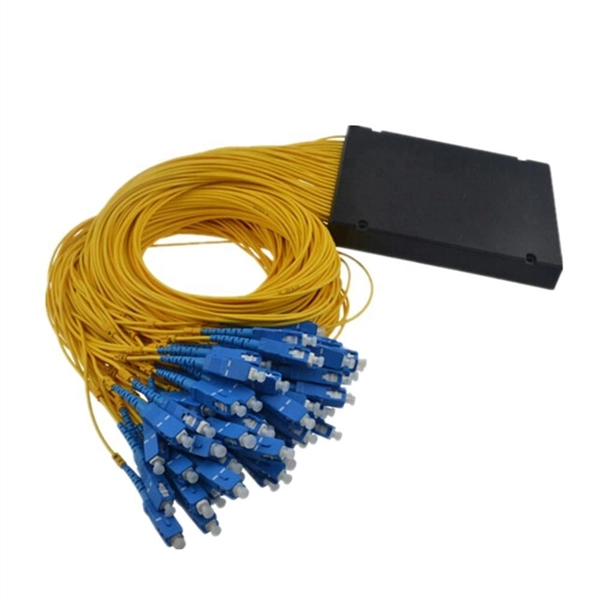
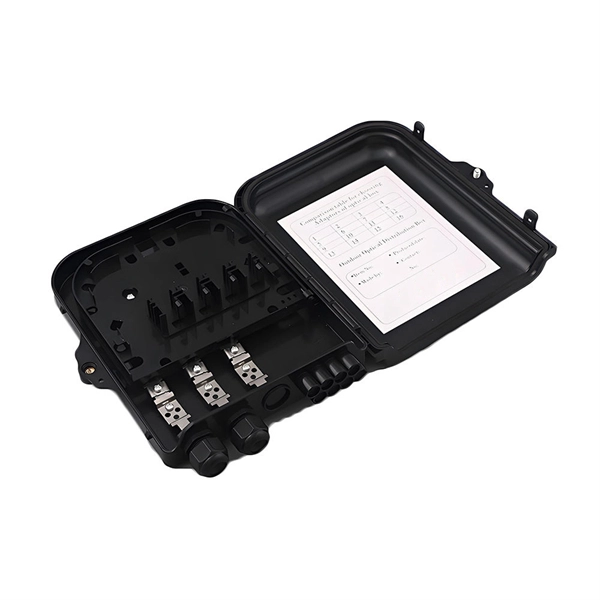
In this video, I walk you through my personal method of prepping and installing a 1:16 fiber optic splitter inside a sealed, weatherproof distribution box getting it ready for field deployment at a site. This is the way I've found to be clean, efficient, and reliable based on my experience in the. Optical splitters offer a cost-effective and dependable solution across various fiber optic applications. Also known as optical splitters, fiber splitters, or beam splitters, these devices are integrated waveguides ensuring wide bandwidth and minimal loss in high-frequency applications. They. How to install the splitter distribution box is the important information we need to know. This article includes the following: 1. Install the fixture 2. Ground the installation system 1. Have any questions? Talk with us directly using LiveChat. Fiber optic cable s transmit data using light signals, allowing for faster and more efficient data transfer compared to traditional copper cables. In the world of fiber optics, a crucial component for distributing signals is the fiber optic splitter box.
[PDF]
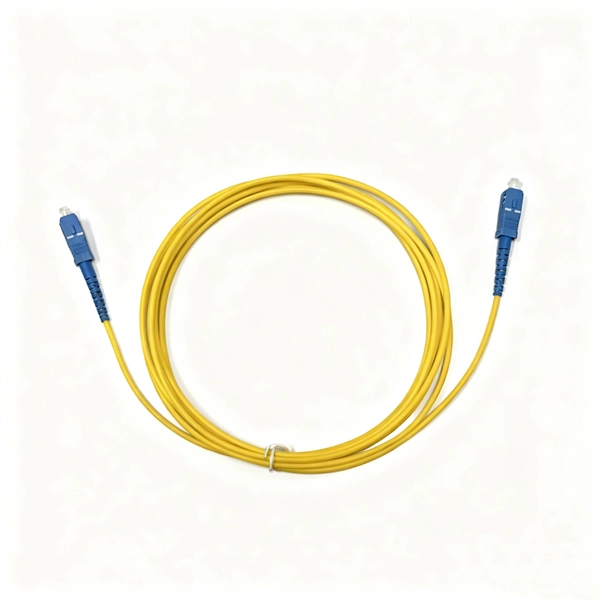
Search results of Top 2 Cabling and Fibre Optics Companies in Papua New Guinea, near me. Listings are verified with accurate business information. Our Engineering Services team provides expert design and planning for high voltage and low voltage transmission lines, as well as distribution line systems. We specialize in optimizing the layout and ensuring the reliability of power transmission through advanced engineering techniques. We also. Cetelnet is proud to be a trusted fiber optic supplier Papua New Guinea, offering high-quality materials, expert consultation, and end-to-end infrastructure support to telecom operators, government agencies, and private enterprises. East Coast NetLink provides fiber optics connectivity solutions for businesses and organizations in Papua New Guinea. We offer high-speed, reliable and secure internet access, data transmission and cloud services through our extensive network of fiber optic cables and equipment. Our fiber optics.. Started back in 1983, Cable House is a recognized name engaged in manufacturing and supplying wide range including Hose Clamps, Cable Ties, Crimping Tools, Cable Tray, Industrial Connectors and more, to the national as well as the international market.
[PDF]
Typical rates range from $75 to $180 per hour per technician, with on-site time often dominating the total. Hidden costs include traffic control, trench restoration, and post-repair verification testing. Prices for fiber optic repair vary by issue type, location, and required work. This guide lays out cost expectations, with clear low–average–high estimates and regional nuances. Includes fusion/splice, testing, and basic materials. This guide provides practical cost ranges in USD with. In the United States, fiber optic repair typically costs a few hundred to several thousand dollars, depending on the scope of the fault, distance of the fiber run, and required components. The cost to fix a fiber line often hinges on the fault type, distance, and response time, with price ranges reflecting differing crews and materials.
[PDF]
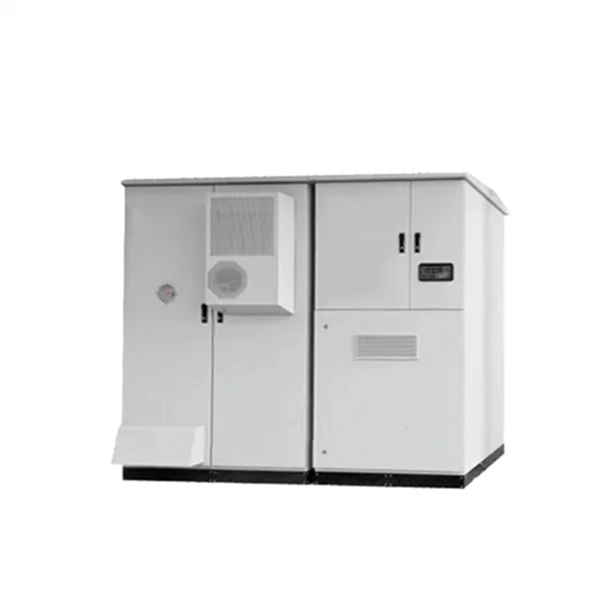
Set up your Fiber Optic system with care. Do not make sharp bends. This helps signals stay clear and go farther. Make a plan to check your network often. Regular checks and cleaning help you find problems early. Fixing issues early keeps your. Fiber optic internet transmits data using pulses of light traveling through thin glass strands. The strength of this incoming signal must be measured precisely to ensure high-speed, reliable connectivity. The standard unit for measuring this optical power is the decibel-milliwatt, or dBm. Fiber optic networks are celebrated for their speed and reliability, but even the best systems can encounter problems. When issues like signal loss, slow speeds, or intermittent connectivity arise, systematic troubleshooting is key. This guide will walk you through diagnosing and resolving common. Signal loss in Fiber Optic networks can make data slow. You should fix it fast to get speed and stability back. > You can solve this with simple steps. However, various factors can cause signal degradation, leading to performance issues and reduced network reliability. They offer higher bandwidth, allowing more data to be sent simultaneously. The light-based communication system doesn't interfere with electromagnetic fields, reducing the risk of data corruption. However, in real-world installations, whether underground, aerial, or in harsh industrial environments, fiber cables can and do fail. Understanding the common causes of.
[PDF]
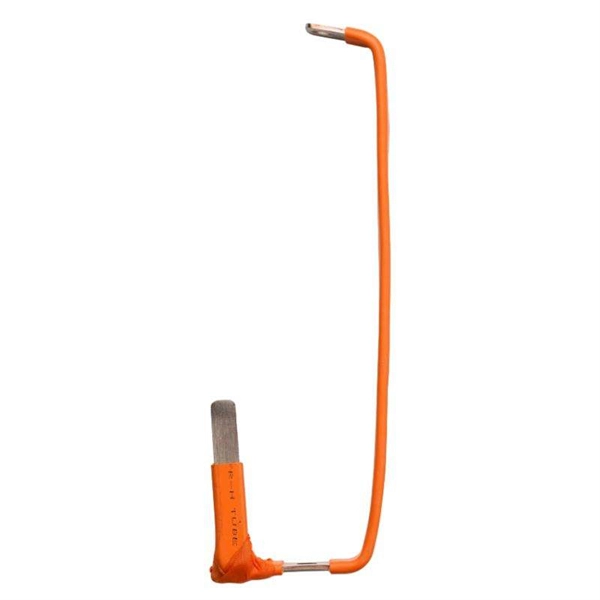
Learn how to install a fiber distribution cabinet step by step, including mounting, cable routing, grounding, and testing for FTTH networks. The installation of a fiber distribution cabinet involves five key steps: site selection, cabinet mounting, cable routing, fiber splicing, and grounding +. This step is very simple, we only need to install brackets on both sides of the optical fiber distribution box, and then fix the brackets to the designated position of the rack with screws. It should be noted that before installing the optical fiber distribution box, the installation direction of. Keeping this page as a placeholder for now. Have any questions? Talk with us directly using LiveChat. Read and understand this procedure (as well as the instructions provided with related assemblies) before beginning an installation. Do not discard this instruction; keep it on hand for future reference. Familiarize yourself to understand the unit's placement in your network. The 1U fiber optic distribution box is used as an example to introduce its structure. Three adapter panels can be installed on the front panel of this fiber optic distribution. Fiber Distribution Hub Installation Procedure - Optical Cable Corporation Products Fiber Copper Hybrid Cabinets, Racks, Enclosures Deployable Solutions Industries Oil & Gas Mining Industrial BroadcastAV Military Commercial Enterprise library & Support Contact Resources About OCC News Careers.
[PDF]
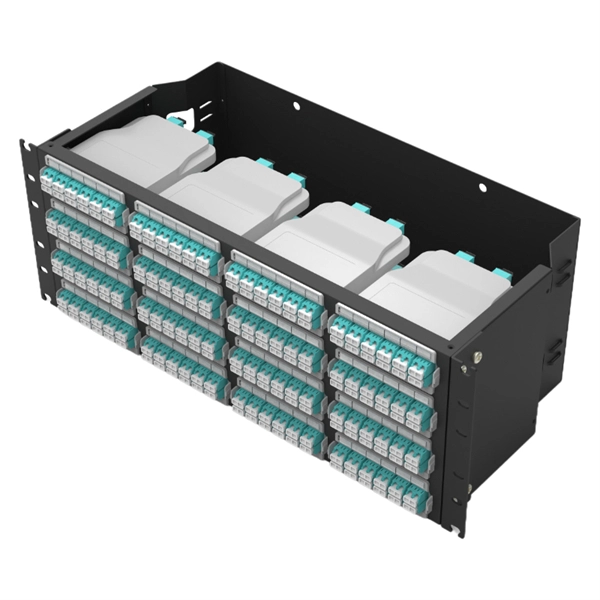
This article will guide you through the process of troubleshooting fiber optic connections, with a focus on ensuring proper TX and RX alignment and how to correctly switch patch cables to resolve issues. Fiber optic networks are celebrated for their speed and reliability, but even the best systems can encounter problems. When issues like signal loss, slow speeds, or intermittent connectivity arise, systematic troubleshooting is key. This guide will walk you through diagnosing and resolving common. Fiber optics is a technology that utilizes thin strands of glass or plastic, called optical fibers, to transmit data in the form of light pulses. These compact devices can encounter issues that affect network performance. Troubleshooting fiber optic transceivers requires a systematic approach to identify and resolve problems effectively. These networks are the backbone of modern data transmission, offering incredible speeds and bandwidth. However, even the most robust systems can. When your fiber optic network stops working, begin with a structured approach. First, check the basics—look for power issues on your optical network terminal and inspect all cables for visible damage. Many fiber internet problems come from dirty connectors or loose plugs, not major faults. Power. Encountering peculiar issues is inevitable when utilizing a Fiber Optic Transceiver. This article will help you troubleshoot a fiber optic module.
[PDF]
Fiber optic pigtails are roughly divided into two categories: Multimode and single-mode fiber pigtails. Multimode pigtails consist of 62. 5 or 50-core multimode fiber optic cables that are terminated with multimode connectors. To classify them further, they can be subdivided into OM1. This guide covers everything: what fiber optic pigtails are, how they differ from patch cords, which connector and polish type to specify, how to choose between mechanical and fusion splicing, and the real-world applications where pigtails are the right call. Whether you're building out an ODF. A fiber optic pigtail is a short length of optical fiber —typically 0. 5m to 2m—that has a factory-terminated connector on one end and bare fiber on the other end. The connector end is polished and tested under factory conditions, ensuring low insertion loss and high return loss. The bare fiber end. Understanding the different models and characteristics of fiber pigtails can help users better match system requirements in practical applications and ensure efficient and stable fiber optic communications. The connector end can be linked directly to network equipment, while the exposed end can be spliced to another fiber optic cable. In this comprehensive guide, we explore the different types of fiber optic pigtails available, including MU, LC, SC, FC, DIN, APC, and UPC.
[PDF]
With a variety of kit options available, you can choose between the easy-to-use Quick Clean™ Cleaners, the convenient cleaning cube/card, and the best optic solvent pen to clean both patch cords and fiber.
[PDF]
A variety of optical fiber connectors are available, but SC and LC connectors are the most common types of connectors on the market. Typical connectors are rated for 500–1,000 mating cycles. The main differences among types of connectors are dimensions and. An optical fiber connector is a device used to link optical fibers, facilitating the efficient transmission of light signals. They come in various types like SC, LC, ST, and MTP, each designed for specific. Fiber connector types LC, SC, FC, ST, MTP, and MPO are widely used in past and present. What are the differences between them? Who is the most popular one? Find the answer in the article. What is a Fiber Connector? The optical fiber connector is a kind of detachable passive optical component used. Fiber optic cable assembly quality hinges on selecting the right connector type—most commonly LC, SC, or ST—to match device ports and installation environment. When selecting the appropriate optical module for a network application, one crucial factor to consider is the type of fiber connector it employs. Fiber optic connectors are used to the mechanical and optical means for cross connecting fibers. There have been many types of connectors developed for fiber cable. With the demands of different application scenarios.
[PDF]
The evolution of fiber optic transmission systems has seen advancements such as dense wavelength division multiplexing (DWDM), coherent transmission technology, modulation format improvements, increased transmission speeds (e., 100 Gbps, 400 Gbps), and the adoption of. The winding journey of fiber optics is a story of persistent progress. From Daniel Colladon's 1841 demonstration of light guidance in water to recent advances empowering multi-terabit infrastructure, researchers continuously pushed the boundaries of optical communication. Early steps like total. Created by the Fiber Optic Association as an educational project to help document the history of the development of fiber optics for communications. Dates, of course, are often approximate, as putting a firm date on the introduction of a new technology is often impossible! the most important. Discover the latest developments in fiber-optic communications with the newest edition of this leading textbook In the newly revised fifth edition of Fiber-Optic Communication Systems, accomplished researcher and author, Dr. Agrawal, delivers brand-new updates and developments in the. The evolution of fiber optic networks has been a steady and methodical journey of technological advancements that have revolutionized the way we communicate and transfer data. From its inception as a theoretical concept in the 1960s, fiber optics has undergone significant developments, resulting in.
[PDF]
Interactive anomalies of pipelines represent important contributors to pipeline incidents, but monitoring interactive anomalies is challenging. This paper presents an approach to monitor interactive bend.
[PDF]