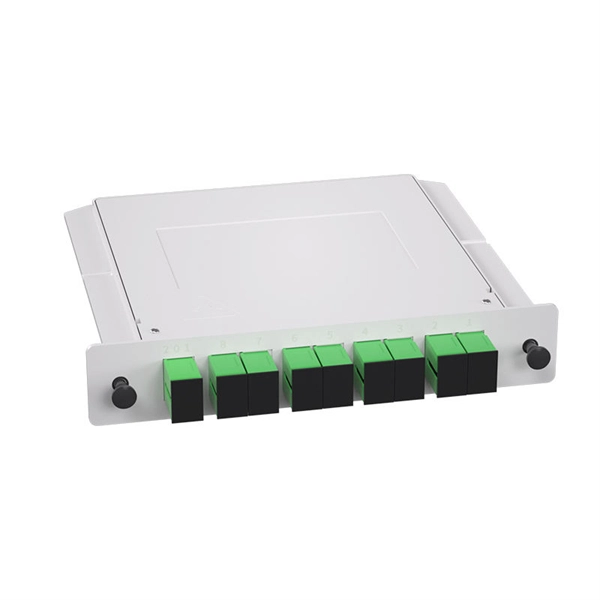
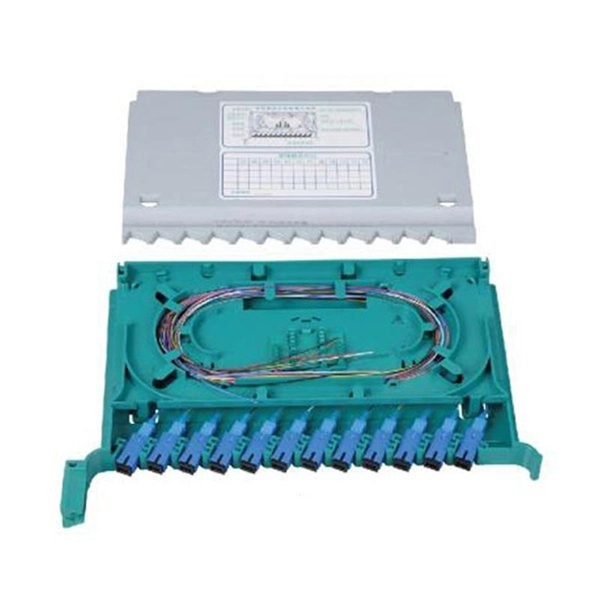
Fiber optic patch panels are enclosures that act as a distribution hub for fiber cable. A bulk (multi-strand) fiber cable enters the patch panel and then each fiber strand is separated into individual strands or pairs of strands. It acts as a hub for organizing splices and patch cords, streamlining fiber management and preserving signal integrity. These individual strands will then connect to electronic devices. A patch panel, including fiber patch panels and Ethernet patch panels, is a passive network device that centralizes, terminates, and organizes multiple copper or fiber cables. Serving as the interface between permanent cabling and active equipment, it provides clearly labeled ports that make. Structured cabling is a standardized system to help you organize and install the cables and hardware that connect your different devices to your network (including computers, servers, cameras, or any other smart gadgets). This article explores the structure, functionality, types, and benefits of fiber optic patch panels. What's the Fiber Optic Patch.
[PDF]
Optical fiber cold splice technology is based on the use of mechanical connectors to join two fiber-optic cables. These connectors are designed to align and join the fibers together in a precise and secure manner. This guide covers everything: what fiber optic pigtails are, how they differ from patch cords, which connector and polish type to specify, how to choose between mechanical and fusion splicing, and the real-world applications where pigtails are the right call. The connectors used in cold. Most fibers can be mechanically stripped without the aid of chemicals or heat. The recommended cleaning solvent for connectors and tools is isopropyl alcohol (reagent grade, 99% or beter). Do not use acetone for cleaning. They directly affect insertion loss, return loss, reliability, and long-term network stability. In this guide, we break down the most common optical fiber. In this beginner-friendly guide, we'll explain what it is, why the “APC” matters, the different types you can buy, how to select the right model, and how to install and test it correctly. What is an SC/APC Fiber Optic Adapter? An SC/APC fiber optic adapter is a passive mechanical interface used to. FASTConnect® field-installable connectors are factory pre-polished connectors that completely eliminate the need for hand polishing in the field. Proven mechanical splice technology ensuring precision fiber alignment, a factory pre-cleaved fiber stub and a proprietary index-matching gel combine to.
[PDF]
Yes, Fiber to the Home (FTTH) is essentially the same as Fiber Optic Internet. Both terms refer to an internet connection that uses fiber optic cables to deliver data directly to your residence, offering superior speeds and reliability compared to traditional copper-based. “Fiber to the home” describes the use of fiber optic cable to deliver broadband internet from a central location directly to private residences. In an FTTH network, fiber cable is used over the “last mile” in place of lower bandwidth DSL and coaxial wires. Fiber to the home is one of many. Fiber to the home (FTTH) is the most widely known and used variation of fiber optic access infrastructure within the broader Fiber to the x (FTTx) classification. Still, a number of other terminologies and architectures exist including fiber to the premises (FTTP), fiber to the node (FTTN), fiber. This advanced technology delivers fiber optic internet services directly to residences, enabling faster upload and download speeds, smoother video conferencing, and seamless multimedia streaming. When discussing fiber connectivity, it's important to understand the different types of fiber internet. The FTTH Council Europe aims at advancing ubiquitous full fibre-based connectivity to the whole of Europe, with the vision that fibre connectivity will transform the way people live, do business and interact, connecting everyone, everything, everywhere. The internet has become indispensable to.
[PDF]
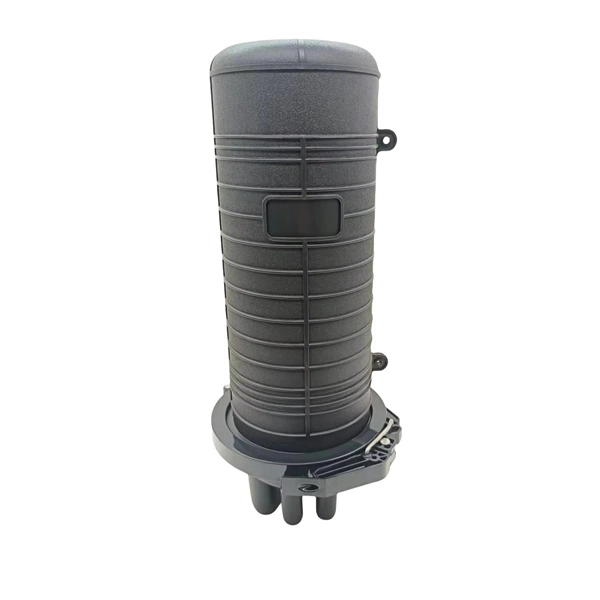
Used in applications ranging from residential FTTH (Fiber to the Home) to large-scale industrial telecom networks, splice trays vary in design, capacity, and price depending on functionality and environment. Modern telecommunications depend on ftth cable tray as basic building blocks for fast data transfer over great distances. These devices and systems use light to transport data and provide better dependability and bandwidth than conventional copper connections. They are indispensable in many. Optical fiber cable trays are essential components in modern electrical and telecommunications infrastructure. Used across data centers, industrial facilities, commercial buildings, and telecom networks, these trays provide structured, secure, and organized pathways for fiber optic cables. They include the following: Fiber reinforced cable trays have superior strength and, at the same time, are lightweight. This comes as a result of the fiber materials that are reinforced with plastics, which are also known as FRP. Main cost drivers include cable grade (indoor vs outdoor, armoured), distance, and labor for trenching, splicing, and termination. These structures, typically made from materials such as steel, aluminum, or fiberglass, are designed to support and protect cables, wires, and. In the realm of electrical equipment and supplies, fiber optic cable management trays play a crucial role in ensuring organized and efficient cable management.
[PDF]
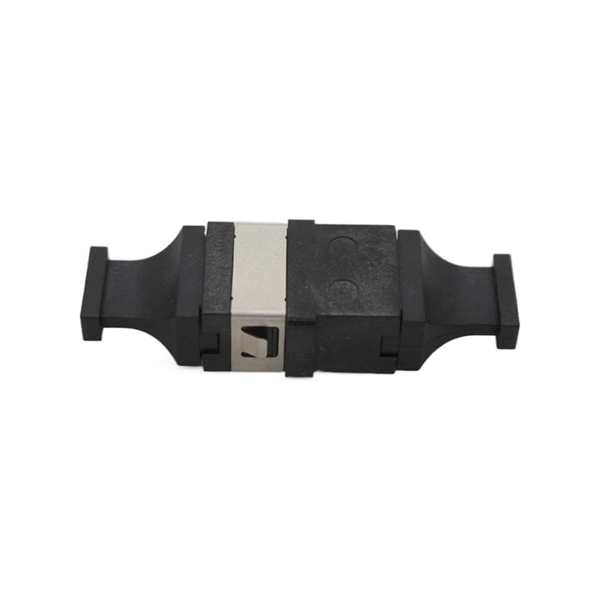
Optical Distribution Frame (ODF) is a critical component of fiber optic networks that provides a centralized point for terminating, splicing, and managing optical fibers. It acts as a distribution and consolidation point, facilitating the efficient routing and organization of fiber. In the complex architecture of fiber optic networks, the Optical Distribution Frame (ODF) serves as the linchpin for organizing, protecting, and distributing optical signals. Whether in data centers, telecom central offices, or enterprise network rooms, ODFs enable efficient fiber management. Whether you're building a central office, data center, or FTTx distribution network, understanding the right ODF configuration can greatly enhance your network's performance, flexibility, and longevity. As fiber optic infrastructure expands to meet the demands of cloud computing, streaming, and. Optical Distribution Frames (ODF) are indispensable components in optical communications networks. They provide efficient fiber optic management, connectivity, and protection. It is usually a compact and structured framework composed of a steel shell and internal fiber splice tray as the main.
[PDF]
A new 640-mile fiber optic cable network in Niger, financed by the African Development Bank Group for around $50 million, was completed earlier this month. Niger has taken a major step forward in improving the country's broadband connectivity and regional digital integration by completing provisional acceptance of the fibre-optic sections built under the Trans-Sahara Optical Fibre Backbone Project (TSB) – a project financed by the African Development. The project has two major components: first, the construction of a 1,031-km national and cross-border fibre-optic network; and secondly, the installation of a Tier III national data centre. While submarine communications cables are used to connect countries and continents to the Internet, terrestrial fibre optic cables are used to extend this connectivity to landlocked countries or to urban centers within a country.
[PDF]
Fiber optic cable length measurement depends on the context and desired precision. Several methods exist, ranging from simple approximations to highly accurate techniques used in manufacturing and installation. Visual Optical Length Tester (VOLT): This device employs a "round-robin" method. Despite the intense need for precise calibration of optical fibers, the process traditionally requires making significant sacrifices in cost or precision. To combat this issue. Fiberlink 6658 Optical Length Tester offers a unique, low-cost alternative for users who need to measure the length of optical fibers. Fiber installations are. The document discusses various methods for measuring optical fiber length, including Optical Time Domain Reflectometry (OTDR) and Fresnel reflection techniques. It details the components of OTDR, the principle of backscatter measurements, and various fiber preparation and measurement techniques. Rather than purchase certification. The OTDR measures the time it takes for the light to return, which helps determine the fibre length and the loss over its span. Set the proper test parameters: Choose the.
[PDF]
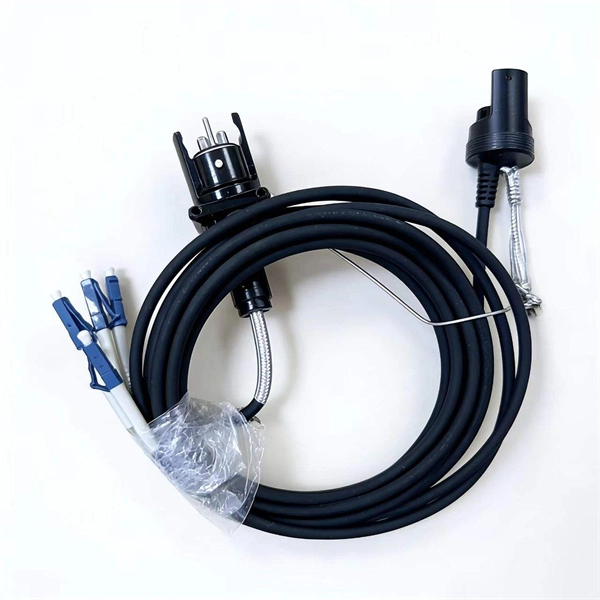
These are the outdoor fiber optic cables you see strung along telephone poles (aerial), installed inside an underground duct, or even buried directly below ground. Only distribution pole lines have underbuilt communication cables. Primary electric is the top wires on a pole line. You can get a general idea of the amount of voltage on aerial wires by the. Fiber optic cables for outdoor applications are engineered to withstand the more demanding conditions seen outside, from environmental extremes to mechanical forces. It is widely used in the construction of communication networks. Overhead fiber optic cable is an optical cable installed on poles. This overhead laying method can save a lot of construction costs and shorten the construction. Deploying fiber above ground on poles or towers removes the need for underground digging and is particularly useful when the ground is uneven, rocky or both. Aerial installation is generally much less costly than underground construction also. Fiber in a duct solutions have a major aesthetic. Have you ever walked on the street and noticed the fiber cables hanging on poles overhead? These cables are called aerial fiber cables and are commonly used for outside plant (OSP) installation on poles. Aerial fiber cables are designed to withstand harsh environments, preventing damage to nature.
[PDF]
This high-performance Polarization Maintaining (PM) Fiber Patch Cord is engineered for precision-critical optical systems. Using Panda-type PM fibers and carefully aligned connectors, it ensures stable signal integrity even under rigorous environmental changes. Wavelengths covering altogether 360nm to 1800 nm - each fiber with an operational wavelength range of about 100-300 nm. Polarization-maintaining, single-mode fiber cable (PM fiber cable) with Gaussian intensity distribution and low-stress fiber connectors. Corning offers the broadest portfolio of PANDA PM fibers from wavelengths of 400-1550 nm and designs such as High NA and Flame Retardant coatings. These cables are available from stock and feature a high-quality polish, which leads to a typical return loss of 50 dB. Available in customized connector. Fibercore's industry leading polarization maintaining fiber (PM fiber), is designed for high performance interferometric and plarimetric sensors, integrated optics and communications.
[PDF]

Commonly referred to as figure 8 cable, figure 8 fiber cable, figure 8 aerial cable, self-supporting figure 8 cable, or simply figure 8 optical cable, this ingenious structure combines optical fibers with an integrated messenger wire in a distinctive “8” cross-section. This self-supporting design. When laying loops of fiber on a surface during a pull, use “figure-8” loops to prevent twisting the cable. The figure 8 puts a half twist in on one side of the 8 and takes it out on the other, preventing twists. Use this procedure for pulling from one end: 1. Pull the cable out of the conduit or. If you have learned to terminate optical fiber with an adhesive/polish termination method, you are familiar with polishing in a figure 8 pattern. If you are installing long outside plant (OSP) cables, you may have to “figure 8” the cable at an intermediate pulling point. Let's examine both of them. Figure 8'ing Fiber Optic Cable – Step-by-Step In this video, fiber optic technician Rick Larson walks you through the step-by-step process. Its name comes from its unique 8 - shaped cross - section. This special design is not only distinctive but also brings practical benefits. It simplifies installation and routing. Figure-8 fiber optic cable installation refers to a specific method of aerial installation for fiber optic cables. This design allows the cable to be.
[PDF]
Buyers typically pay for fiber optic cable on a per-foot or per-meter basis, plus materials, labor, and permits where applicable. Fiber-optic cable materials typically cost $1 to $6 per linear foot, depending on fiber count and cable type. Commercial building installations with 100-200 network drops generally range from $15,000 to $30,000. Single-mode fiber costs less per foot than multimode fiber, but it requires more. Buyers typically pay for fiber optic cable by length, fiber type, and installation complexity. Main cost drivers include cable grade (indoor vs outdoor, armoured), distance, and labor for trenching, splicing, and termination. Understanding cost ranges helps buyers budget. Single-mode fiber (OS2): This is the industry workhorse. In 2025, the base glass price has stabilized. You are looking at $0. The price swing usually depends on the fiber count (e., 12-core vs 96-core) and brand. Generic. This guide outlines the major factors that influence fiber optic cable costs and provides practical tips for estimating pricing in bulk or project-based scenarios. Content 1 What's the Typical Price Range? 2 1. Fiber Count and Cable Construction 3 2. The price landscape varies from basic drop cables to enterprise backbone runs, with per foot and per reel pricing common in estimates. This guide presents cost ranges.
[PDF]
Whether you need singlemode, armored, or indoor plenum, this guide gives you the exact cost per foot of fiber optic cable — including installation — so you can budget without guesswork. Data aggregated from Q1 2026 contractor invoices across Texas, Ohio, and North Carolina. Homeowners and businesses typically pay for fiber optic cable installation based on distance, conduit needs, and labor. The main cost drivers include material type, run length, trenching or aerial work, and any required permits or inspections. This guide provides clear cost estimates, price ranges. Whether you're running fiber to a home or a data center, here's exactly what contractors are charging in 2026. What is the real cost of fiber optic cable per foot in 2026? After analyzing 40+ U. fiber projects, we've assembled current material rates, labor burdens, and hidden fees. Whether you. Fiber-optic cable materials typically cost $1 to $6 per linear foot, depending on fiber count and cable type. Commercial building installations with 100-200 network drops generally range from $15,000 to $30,000. Single-mode fiber costs less per foot than multimode fiber, but it requires more. Buyers typically pay for fiber laying by combining material costs, labor time, and permitting plus trenching or aerial support fees. The price ranges reflect both ongoing improvements in fiber deployments and regional differences in permitting and crew rates.
[PDF]
Buy Professional Video Fiber Optic Cables from top brands like Camplex, Tactical Fiber Systems, FieldCast and Canare, all at unbelievable prices. Camplex CMX-NEMA-MTPDUO Breakout Boxes allow for 12 channel fiber optic cable adaption from opticalCON MTP NO12FDW-A connectors to 6 single mode opticalCON duo NO2-4FDW-1-A chassis mount connectors. Lightweight NEMA polycarbonate boxes include dust caps for dust and weather resistance and include. The LA-Series is specially designed for applications that demand reliable performance in harsh environment installations. The cable construction incorporates a variety of packaging technologies that allow for operation in extremely low temperatures, mechanically abusive installations, and highly.. SMPTE Standard (SMPTE ST 311) compliant cables for camera. Hybrid Electrical and Fiber-Optic Camera Cable for studio and broadcast use. Single-mode, ITU-T G. A2 low bending loss and low water-peak fiber. Abrasion-resistance Jacket enhance the adaptability to all studio and. The 3K. 93C Series connectors are the only connectors in the world that are fully compatible with the SMPTE, ARIB and EBU standards. It has a life of more than 20,000 times of plugging and unplugging, and has excellent performance with an insertion loss of only 0. 93C series. CommScope bundles hybrid cabling to your custom specifications, using our high-performance fiber-optic, unshielded twisted pair and coaxial cables.
[PDF]
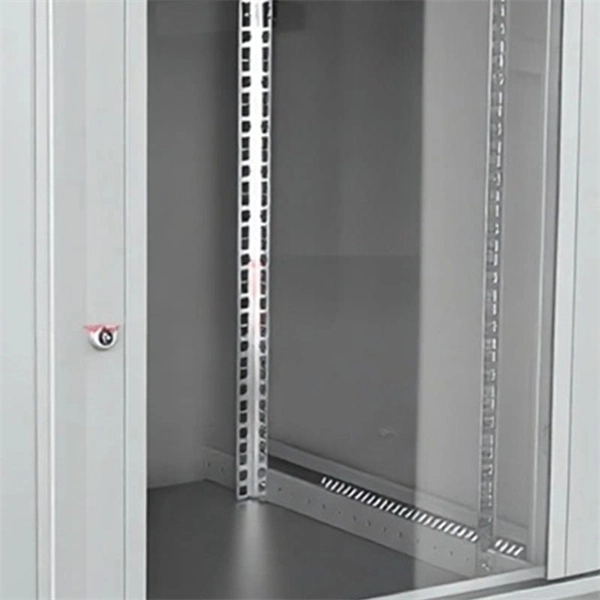
Fiber optic switches utilize specialized ports such as XFP, SFP, CFP, SFP+, or QSFP+ to connect to fiber optic cables. These ports aren't directly compatible with the cables themselves; they require transceiver modules. SFP/SFP+ Modules: Small Form-factor Pluggable (SFP) modules are transceivers that connect the switch to the fiber optic cables. The choice between SFP and SFP+ depends on the network speed requirements, with SFP+ supporting higher speeds (up to 10 Gbps). Fiber Optic Patch Panels: These are used to. Choose an SFP module based on the fiber optic cabling that will be connected to the network switches. Always integrate duplex (two strand) fiber optic cabling or higher strand counts. The process requires understanding the type of fiber optic port on your switch and selecting the appropriate transceiver module. Always. I wish to connect (single mode) fibre optic cable to Fibre optic switch ( DIN-rail mounted) directly without using patchl panel or patch cords. I would also like to know what precautions should be taken during cable terminations. This is due to no or less space available for patch panels in my. The process of connecting fiber optic cables to network switches involves meticulous attention to detail and adherence to industry best practices to ensure reliable data transmission and seamless network connectivity. Before commencing the connection process, it is essential to ascertain the.
[PDF]
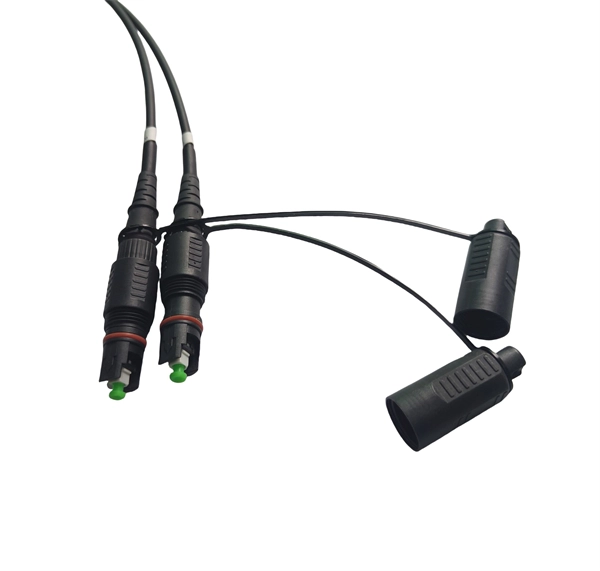
Most modern fiber-enabled network switches require an SFP transceiver module featuring a duplex (two strand) multimode OM3 or duplex single mode OS2 connection with LC connectors. Direct attach cables with pre-terminated SFP connections may also be used. Download the. In this article, we'll explain how to connect multiple Ethernet switches using fiber optic cables and the equipment required for this to work. Network topology refers to the way in which the links and nodes of a network are arranged in relation to each other. Download the Application PDF SFP transceiver. Choose an SFP module based on the fiber optic cabling that will be connected to the network switches. Always integrate duplex (two strand) fiber optic cabling or higher strand counts. So all PCs connected to each switch would reach the LAN/WAN from the other switch. The connection between two or more Ethernet switches in a certain way (Uplink port, etc. ) is called the cascade. Connecting a fiber optic switch involves several steps, ensuring compatibility between the switch's ports and the fiber optic cable. The process requires understanding the type of fiber optic port on your switch and selecting the appropriate transceiver module. Fiber optic switches utilize.
[PDF]