One year after US President Donald Trump returned to the White House and revived the "maximum pressure" sanctions on Iran from his first term, available data show the country's energy exports remain largely intact. Today, the Department of State is acting to deny the Iranian regime funds it uses to conduct its malign activity. We are sanctioning approximately 40 individuals, entities, and vessels involved in the trade of Iranian energy products that generates hundreds of millions of dollars of revenue for the. Travel Advisory Level 4: Do Not Travel Travel Advisory Level 4: Do not travelto Iran due to the risk of terrorism, unrest, kidnapping, arbitrary arrest of U. citizens, and wrongful detention. Our four core capabilities bring clarity to the kinetic: S&P Global Energy Platts delivers pricing and. For nearly two decades, ImportGenius has set the standard in global trade data, providing businesses with the insights to stay ahead. We offer access to U. customs import and export records at the bill of lading level and access to trade data across multiple continents. Data from the commodity intelligence firm Kpler, seen by Iran International, show. With the world still reeling from the effective closure of the Strait of Hormuz, through which approximately one fifth of global oil is shipped, Iran's ballistic missile attacks on Qatar's LNG infrastructure have sent global energy markets into turmoil. Prior to this attack, the effect of the war.
[PDF]
Use this Raman amplifiers buying guide to compare major types, define selection criteria, and find suppliers: Professional purchasing of high-value photonics products is a substantial responsibility, where a structured decision-making process is essential. RP Photonics offers a. Our Raman amplifiers leverage internally developed, state-of-the-art 14xx pump lasers, internally developed intelligent algorithms for autonomous gain control, and robust safety features to deliver network-ready solutions. The first-order Raman amplifier uses 14xxnm laser as the Raman pump to amplify C-band or C+L band signals, effectively compensating for signal. PacketLight's PL-1000R is designed for distributed Raman amplification applications, cost-effectively extending the optical link power budget and significantly improving OSNR. The PL-1000R enables long distance DWDM solutions and facilitates the transport of 100G/200G/400G and 800G wavelengths over. Nuphoton Technologies, Inc. is a pioneer in fiber lasers and fiber amplifiers with applications covering industrial, defense, aerospace, biomedical, telecommunications and research areas.
[PDF]
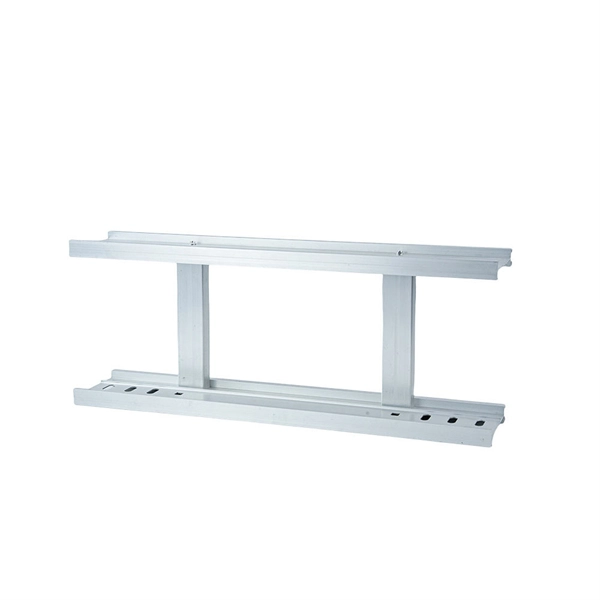
Fiberglass trays are the least effective at dealing with heat. Fiberglass cable tray loses 10% of its rated strength at temperatures as low as 100°F. Eaton's B-Line series fiberglass cable tray systems provide an economical support system with superior strength at room temperatures and dependable load bearing capabilities at continuously elevated temperatures. While fiberglass cable tray systems utilize a heat-cured resin that doesn't melt at. Choosing fiberglass cable trays for elevated-temperature environments requires moving beyond supplier claims. Your assurance as an engineer should be based on evidence, specifically the Air Thermal Aging Test Report. You don't need to be a materials expert. You need to know how to evaluate three. Our trays are manufactured from Fiberglass Reinforced Plastic (FRP) using high-grade resins to ensure outstanding corrosion resistance, mechanical strength, and electrical insulation. FRP Cable Trays are a superior alternative to conventional steel or aluminum trays, particularly in aggressive. Fiberglass Ultra-Sleeve High-Temperature Sleeving is a protective sleeve that is ideal for those areas where your cable runs through a particularly harsh environment of flash heat or flame, chemical or mechanical abuse.
[PDF]
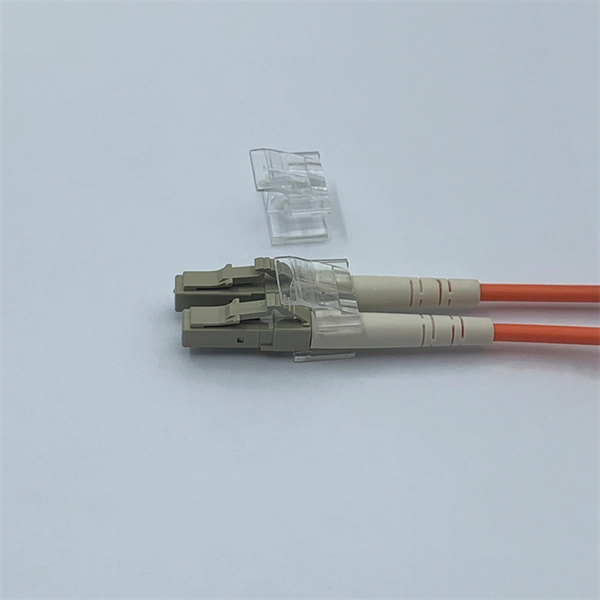
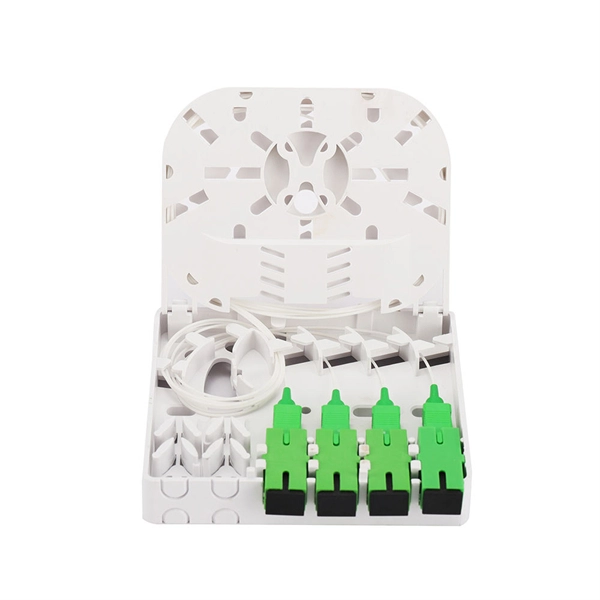
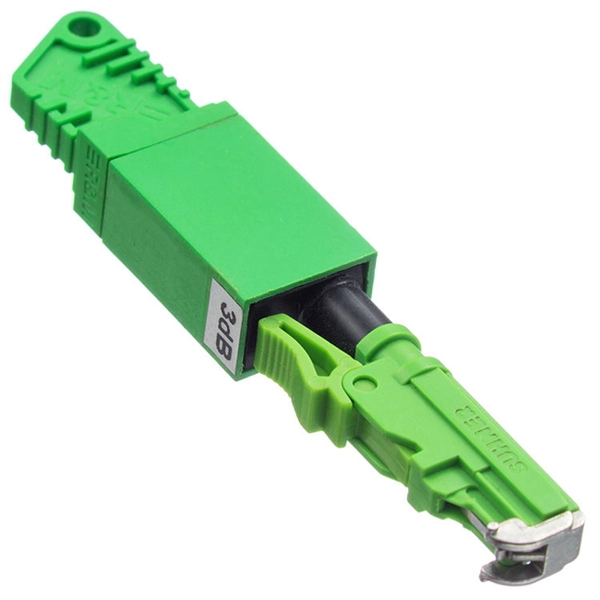
These connectors have a universal termination kit that includes all the components needed for installation. The instructions provided describe the assembly procedure for installing the connectors, including identifying the components, preparing the fiber, and assembling. FASTConnect® field-installable connectors are factory pre-polished connectors that completely eliminate the need for hand polishing in the field. Proven mechanical splice technology ensuring precision fiber alignment, a factory pre-cleaved fiber stub and a proprietary index-matching gel combine to. Comes in a pack of 6 connectors. Comparable to OCC part number FXC-ST8-6 and Corning part number 95-200-51. FAST Connectors are compatible with 250 µm and 900 µm optical fibers, as well as 4. 8 mm (SC only) cordage. A factory-installed wedge clip (included. FAST Connectors are designed for use with single-mode or multimode fiber optic cable and come in SC, ST, and LC configurations. ead these instructions carefully before proceeding. Different termination options after cleaving the fiber are provided for each fiber type ys wear eye protection.
[PDF]
Grounding in cable trays allows electrical leakage from the outer surfaces of the conductors to be channeled into the tray. It helps to safely direct dangerous currents that may result from electrical faults to the ground. Cable tray may be used as the Equipment Grounding Conductor (EGC) in any installation where qualified persons will service the installed cable tray system. There is no restriction as to where the cable tray system is installed. The metal in cable trays may be used as the EGC as per the limitations. Enhanced safety: Grounding provides a safe path for fault currents to flow, significantly reducing the risk of electric shock to personnel and preventing damage to equipment due to overvoltage or insulation failure. It also safeguards against fire hazards caused by excessive heat generated during. that system to lose its UL Classification. If you take what UL states literally, ANY cut to tray (ladder or wi e) would cause a loss of UL Classification. The methods and materials used may vary depending on the structure of the installation. However, the main principle should always be to ensure safe and effective grounding. These systems provide an efficient and adaptable solution for managing a wide range of cables, including power cables, control cables, Ethernet, and fiber optic lines. The flexibility and scalability of cable trays make them an ideal choice for environments where cable density and organization can.
[PDF]
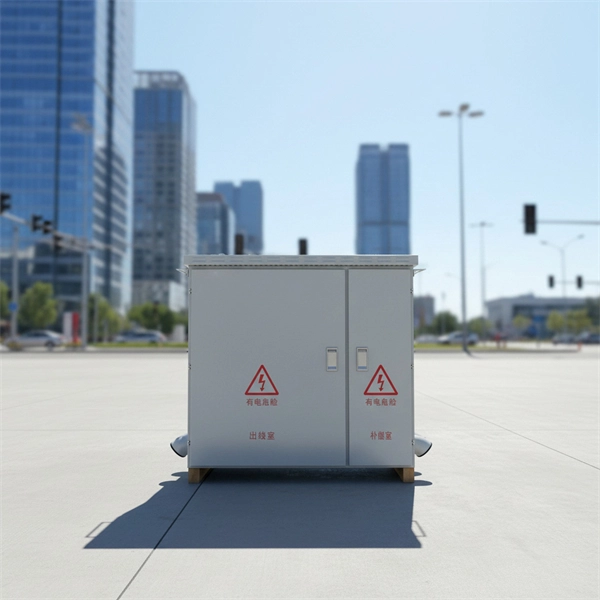
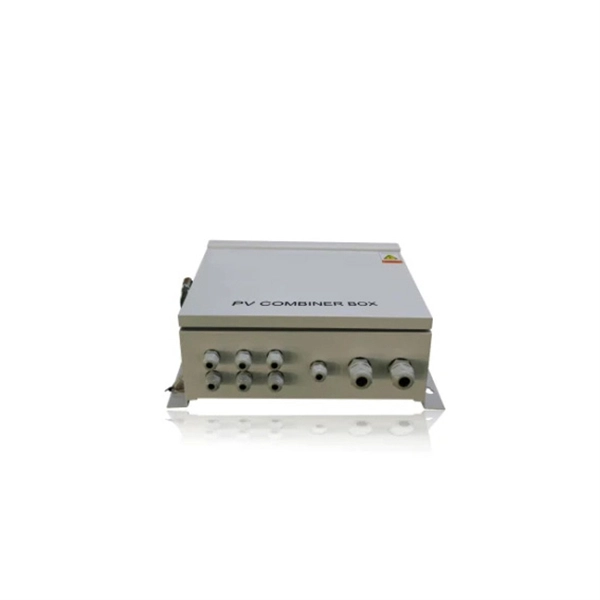
On the US market, a 5. 26 mm 2 (10 AWG) ground wire must be used, and in all other markets a 6 mm 2 must be used. Grounding of the units: Attach a ground wire from one of the threaded studs (A) at the bottom of the housing, to the mounting plate (B). Power from factory ground must be installed by a qualified electrician. Each DISTRIBUTION BOX and controller must be grounded. In the low-voltage three-phase four-wire neutral point directly grounded line, the construction unit should. Repeated grounding can be grounded directly from the neutral line or from the housing of the zeroing device. It looks like two lines, and in fact they are all together. The main functions of repeated grounding are as follows; (1) Reducing the ground voltage of the leakage device housing. In the. Today, we're diving deep into the world of distribution box grounding, breaking down the standards, and shining a light on those sneaky mistakes that even experienced electricians sometimes make. Good equipment grounding ensures personnel safety. Most North American distribution systems have a neutral that acts as a return conductor and as an equipment. This paper is intended to address how grounding system effectiveness affects each of these goals. Key Words - Grounding, Earthing, Safety, Surge Protec-tion, NESC, Neutral-to-Earth Voltage, Ground Currents, Stray Voltage. This paper is intended to give an overview of the vari-ous relationships.
[PDF]
Cable tray grounding wire is the safety connection that links your electrical system's cable tray to the ground. This provides a safe path for any stray electrical currents to flow safely into the earth, avoiding damage to your equipment and reducing the risk of electric shocks. There is no restriction as to where the cable tray system is installed. The metal in cable trays may be used as the EGC as per the limitations. Cable tray may be used as the Equipment Grounding Conductor (EGC) in any installation where qualified persons will service the installed cable tray system. Consider it as an emergency electricity exit. The main purpose of. Grounding in cable trays is an important practice to increase electrical safety and prevent hazards in case of faults. The methods and materials used may vary depending on the structure of the installation. However, the main principle should always be to ensure safe and effective grounding. It involves connecting cable trays to the facility's grounding system, providing a low-impedance path for fault currents and protecting personnel.
[PDF]
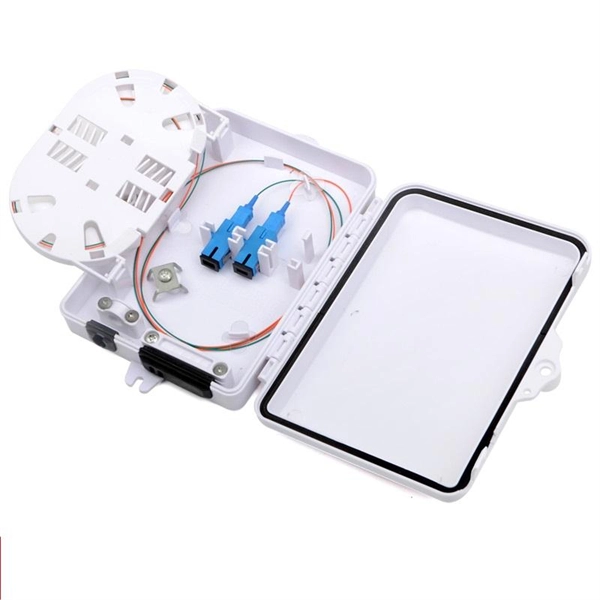
Grounding of the units: Attach a ground wire from one of the threaded studs (A) at the bottom of the housing, to the mounting plate (B). The ground resistance between. This section applies to grounding of transmission and distribution lines and equipment for the purpose of protecting employees. Note to paragraph (a): This section covers. Learn what OSHA requires for electrical grounding in general industry and construction, and what violations can cost you. OSHA's grounding requirements are spelled out primarily in two sets of regulations: 29 CFR 1910 Subpart S for general industry workplaces, and 29 CFR 1926 Subpart K for. Power from factory ground must be installed by a qualified electrician. Each DISTRIBUTION BOX and controller must be grounded. On the US market, a 5. 26 mm 2 (10 AWG) ground wire must be used, and in all other markets a 6 mm 2 must be used. The lockout/tagout procedure must consider several factors, one of which is grounding. Sometimes, installing temporary protective grounding is necessary. Whether you're a seasoned pro or just starting out, this comprehensive guide will give you practical.
[PDF]
Industry standards such as the NEC (National Electrical Code) Article 770 and NFPA 70 provide binding requirements, while standards from IEEE and TIA offer additional guidance. When a fiber optic cable contains any of the following metallic elements, each must be bonded and grounded according to. NEC 2026 Article 750 consolidates grounding and bonding requirements for all limited-energy systems. Learn what changed, proper bonding methods, IBT requirements, and common mistakes to avoid. Grounding and bonding requirements for fire alarm, security, communications, and other limited-energy. This recommended practices document is a comprehensive manual for optical fiber construction and testing. Here are some highlights from Part IV of Article 770. The Code Making Panels (CMPs), composed of volunteers with full-time jobs, struggle to standardize and clarify terminology. Part I of Art. Although these are not current-carrying conductors, how and where you install them can affect “the practical safeguarding of persons and property from hazards arising from the use of. Understanding NEC Article 770 is the key to ensuring that optical fiber cables and raceways are installed safely, legally, and efficiently. This section of the National Electrical Code specifically addresses the unique characteristics and hazards associated with transmitting light for control.
[PDF]
National Electrical Code (NEC) allows up to three grounding conductors to terminate under one lug on a grounding bus, provided it is listed for such use. This is covered under section 110. Correct grounding of services depends upon understanding the definition and role of the grounded conductor. The neutral conductor is typically the grounded conductor connected to the system's neutral point, carrying current under normal operation. Grounding electrode conductors must be connected at. Sometimes if I have a 3 or 4-gang plastic nail-on switch box that has a bunch of NM cables, when I'm making up the box rather than using a big blue wire-nut for my grounds I'll separate the grounds into 2 groups and use red/tan wirenuts instead, especially if there's 2 circuits in the box. This configuration may not comply with current electrical. Learn how to connect equipment grounding conductors to receptacles and keep their continuity in boxes. The basic rule achieves this through an equipment grounding jumper; four exceptions. A grounding terminal or grounding-type device on a receptacle, cord connector, or attachment plug may not be used for purposes other than grounding. (b) Branch circuits — (1) Identification of multiwire branch circuits. When conductors are spliced inside a box or terminated to.
[PDF]
Natural stone countertops like granite can typically withstand temperatures up to 500°F before showing signs of damage, while engineered quartz might begin to discolor or crack at temperatures as low as 300°F. In this complete countertop heat resistance comparison, we'll explore which countertop materials compare best, how much heat they can take, and which ones offer the most durability, low maintenance, and superior heat resistance. Many homeowners place hot pots and pans on the counter without. The answer is yes, and no. Quartz countertops can take a beating. However, they are not indestructible and can suffer if you put pots and pans over 300° on the counter. The polymer resins protect the stone from. While many surfaces offer some level of heat resistance, only a few can truly withstand high temperatures without damage. In this complete guide, we'll break down: A comprehensive performance analysis for modern kitchens. Safety ratings for placing hot pans directly on the surface. In a bustling kitchen, stray pans and pots can easily destroy sensitive surfaces, resulting in expensive repairs or replacements. They typically exhibit no indications of damage even when exposed to temperatures as high as 800 degrees Fahrenheit. While this is the case, you should know that this isn't always the case.
[PDF]
The generally accepted and code-compliant height for switches is typically 48 inches (4 feet) from the finished floor to the top of the switch box. This standard helps ensure accessibility and consistency across installations. While the National Electrical Code (NEC) doesn't specify a mandatory standard outlet height for most general-use receptacles, established industry best practices and accessibility laws provide clear guidance. The NEC (Article 210. 52) specifies where receptacles must be placed (spacing along walls, required. The commercial electrical code requires switches at 42 to 48 inches and receptacles at 18 inches above finished floor in most applications. This height is an ergonomic choice, aligning well with the average reach.
[PDF]
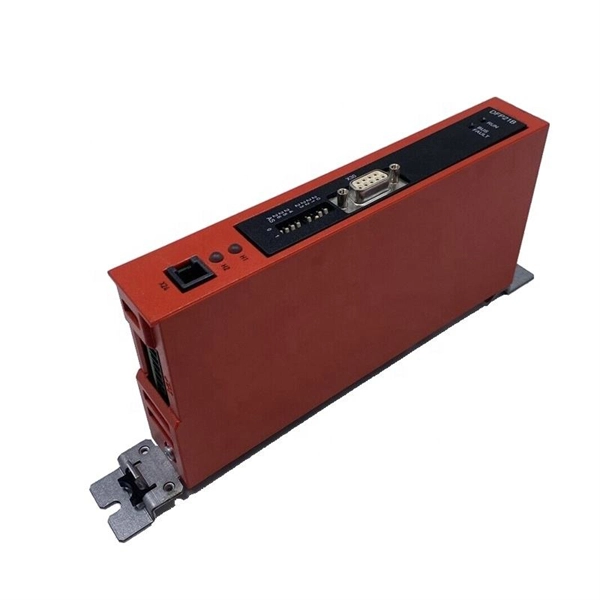
This document defines a test standard to determine the ability of a cable to withstand the effects of temperature cycling by observing changes in attenuation. See IEC 60794-1-2 for a reference guide to test methods of all types and for general requirements and definitions. UNIVER TCC-1000 / TCC-2000 Series Temperature Cycling Chamber UNIVER TCC-1000 and TCC-2000 Series Temperature Cycling Chambers are specially designed to perform temperature cycling tests on optical fiber cables, evaluating the stability of optical attenuation under varying temperature conditions. Optical fibre cables - Part 1-201: Generic specification - Basic optical cable test procedures - Environmental test methods - Temperature cycling, method F1 - cables having a combination of both optical fibres and electrical conductors. Throughout this document, the wording "optical cable" can also include optical fibre units, microduct fibre units, etc. This procedure tests the ability of the component to. The International Electrotechnical Commission (IEC) is the leading global organization that prepares and publishes International Standards for all electrical, electronic and related technologies. The technical content of IEC publications is kept under constant review by the IEC. Please make sure.
[PDF]
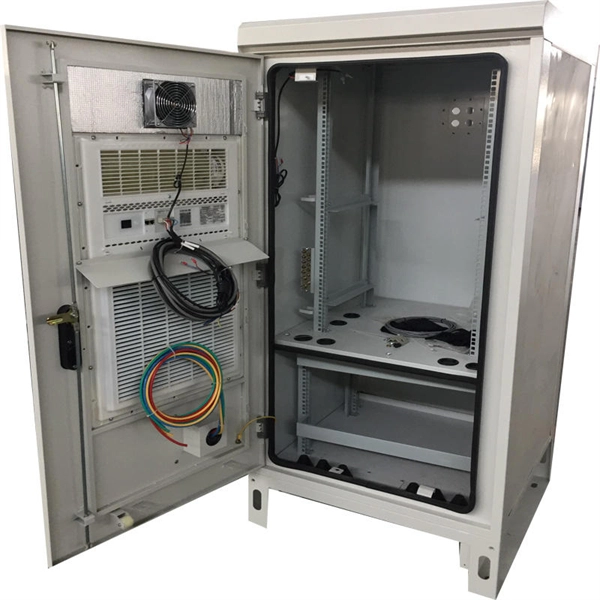
Available in red silicone (Shore A 70 ±5) for a rigid fit or natural silicone (Shore A 45 ±5) for extreme flexibility, the dual-use caps/plugs withstand temperatures up to 600 degrees F. Designed for applications in automotive, aerospace, and industrial manufacturing, they offer. Minor Rubber offers high quality molded tapered bellows for industrial use. We specialize in manufacturing tapered bellows for electronics, aerospace, healthcare, construction, transportation, and defense applications. We serve the OEM and replacement part markets, and provide inventory for. These high temperature Tapered Caps & Plugs are typically used for threaded or unthreaded studs or holes. They offer all the versatility of Essentra's traditional tapered polyethylene parts with the higher temperature and corrosion resistance properties of silicone material. Flexible material allows these plastic plugs to seal threaded and non-threaded openings. Special high temperature resistant vinyl material withstands up to 475°F (246°C). High. Keep dust and coatings out of threads and prevent damage during shipping and storage One cap fits a range of diameters Choose from our selection of high-temperature round caps, hollow high-temperature tapered plugs, high-temperature tapered plugs, and more. Same and Next Day Delivery.
[PDF]
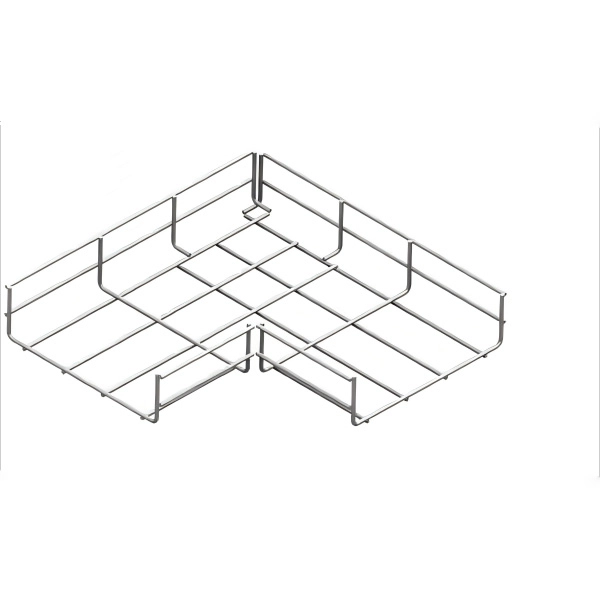
In this Shorts video, watch a step-by-step demo of installing riser bus bars and terminating MW cable joints for industrial electrical systems. Learn pro techniques for secure, durable connections and flawless finishing. Perfect for electricians, engineers, and electrical. Busbars are the unsung heroes of electrical panels, ensuring reliable power distribution and minimizing clutter. If you've ever wondered how to achieve a flawless busbar installation, you're in the right place. This guide will walk you through every step of the process, from selecting the right. These guidelines govern the busbar processing and installation procedures for all low-voltage switchgear and power distribution enclosures manufactured by our facility. The principles outlined herein encompass a comprehensive range of busbar fabrication techniques, including but not limited to. NOTE: Repeat the above operations each time a switchboard cubicle is placed. For standard torque values, refer to Standard Tightening Torques and comply with the specified torque values. Currently, Thor is the Technical Department Manager at Weisho Electric Co. Every step is crucial when installing high and low voltage. Learn how to install TE Connectivity's Raychem high voltage busbar insulation tape (HVBT). It is a heat-shrinkable, adhesive-coated tape which provides insulation enhancement and protection against accidentally induced flashover. Video is not currently available for playback.
[PDF]