Confidently deploy cybersecurity and edge computing applications in power, transportation, oil and gas and other networks with harsh environments. Our communications equipment meets and exceeds industry standards for reliability, availability and performance of mission-critical. The Cisco ® Catalyst IR1101 Rugged Series Router or IR1101, is Cisco's most compact, FirstNet Capable ™ industrial router. Designed in a highly modular form factor makes it an ideal solution for remote asset management across multiple industrial vertical markets. The IR1101 has an integrated 9. Use. Military rugged routers with up to 10G transmission speeds for both fiber and copper ports. Our routers offer Layer 3 routing capabilities including: virtual LANS (VLANS), traffic prioritization/QoS, IPv4/IPv6 support, bandwidth aggregation, security, multicasting, and management. Their small-size. Ranked No. 2 globally, Huawei routers are the preferred choice for 70% of carriers and enterprise network Named Accounts (NAs). Huawei is a leader and a major contributor in the IP standards field. Huawei's YunShan software is the culmination of 17 years of innovation. Current estimates value the market at over $1. 5 billion annually, with projections indicating a compound annual growth rate (CAGR) exceeding 8% through 2028. This enterprise high density Router has natural heat dissipation method, 1001 M to 1500 M suggested wavelength and 2400 M wireless rate.
[PDF]
The fundamental principle behind fiber optic temperature sensors is the use of light to measure temperature. These sensors typically employ a phenomenon known as the Raman Effect, where light scattered by molecules in a medium varies depending on the medium's temperature., thermocouples, RTDs), fiber optic sensors offer significant advantages such as immunity to electromagnetic interference. This article explores the different types of Fiber Optic Sensors, their working principles, and various applications. We'll delve into Intrinsic, Extrinsic, and Hybrid fiber optic sensors, explaining how they function. A sensor is a device that measures a physical quantity and converts it into a. Fiber optic sensors represent a cutting-edge technology used in a variety of industries to detect and measure changes in physical parameters such as temperature, pressure, vibration, and strain. These sensors harness the principles of light transmission through optical fibers to monitor conditions. Three sensors presented make use of non-contact vibration measurement method with plastic fiber using distinct designs, improvement of the sensor response and advantages of one sensor over the other for diverse applications. Rayleigh scattering-based phase optical time domain reflectometry (OTDR) for vibration and.
[PDF]
According to the different operating temperature range of FBG produced by DCYS, it can be divided into: Standard Fiber Bragg Gratings (operating temperature range from -40°C to above 100°C). High-temperature resistant Fiber Bragg Gratings (operating. Fiber Bragg grating (FBG) sensors have emerged as advanced tools for monitoring a wide range of physical parameters in various fields, including structural health, aerospace, biochemical, and environmental applications. Low-temperature. Abstract—Various types of high temperature fibre Bragg gratings (FBGs) for sensing applications, are briefly reviewed, discussing their various figures of merit and performance. References are provided to currently available commercial grade high temperature FBG sensors. Keywords—Fibre Bragg. They can reach over 500°C at significant depths in addition to the extreme pressures. Due to their small size, capacity to be multiplexed into high density distributed. FBG temperature sensors are investigated for cryogenic, ambient, high-temperature and ultrahigh-temperature environments. Interrogation techniques encompasses optical interferometry, optical edge filtering, time division multiplexing, optical spectrum analysis (OSA) and wavelength division.
[PDF]
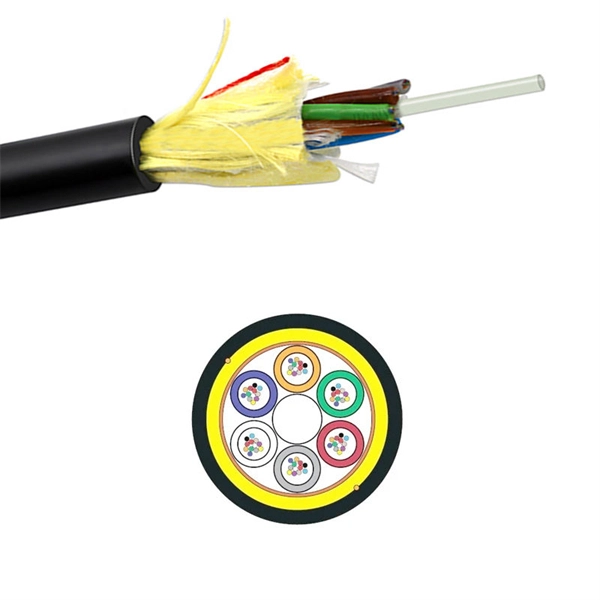
Distributed temperature sensing (DTS) measures temperature distribution over the length of an optical fiber cable using the fiber itself as the sensing element. Unlike traditional electrical temperature measurement (thermocouples &. Distributed temperature sensing (DTS) measures temperature distribution over the length of an optical fiber cable using the fiber itself as the sensing element. Unlike traditional electrical temperature measurement (thermocouples & RTD), the length of the fiber optic cable is the temperature sensor. Distributed temperature sensing can provide thous. Yokogawa DTSX3000 measures temperature and distance over the length of an optical fiber using the Raman scatter principle. A pulse of light (laser pulse) launched into an optical fiber is scattered by fiberglass molecules as it propagates down the fiber and exchanges energy with lattice vibrations. As the light pulse scatters down the fiber optic c. All light interacts with matter! For example, imagine standing in a pitch-black garage with no external light source. Inside this garage is a bright red sports car. Needless to say, you cannot see the sports car or the color of the sports car itself. However, when you turn on the lights to the garage, you can immediately see the light source reflec.
[PDF]
The Fiber to the X (FTTX) market in South Korea encompasses a range of deployment types, primarily including Fiber to the Home (FTTH), Fiber to the Building (FTTB), Fiber to the Curb (FTTC), and Fiber to the Node (FTTN). The South Korea fiber optics market size reached USD 125. 8 Million by 2033, exhibiting a growth rate (CAGR) of 10. 77% during 2025-2033. The market is expanding due to rising investments in high-speed internet infrastructure and 5G. As per Market Research Future analysis, the South Korea fiber optic components market size was estimated at 1300. 9 $ Million in 2025 to 3529. 49 $ Million by 2035, exhibiting a compound annual growth. South Korea Fiber Optics market currently, in 2023, has witnessed an HHI of 3285, Which has increased slightly as compared to the HHI of 2348 in 2017. The market is moving towards concentrated. Herfindahl index measures the competitiveness of exporting countries. The range lies from 0 to 10000. This article traces the history of South Korea's fiber optic network development, highlighting key milestones and technologies, including GPON ONU, EPON ONU, XPon ONU, and various other ONU configurations. 5% during the forecast period, driven by increasing demand, AI integration, and expanding regional adoption. Taihan Fiberoptics Co., based in South Korea, is a leading manufacturer specializing in.
[PDF]
Natural stone countertops like granite can typically withstand temperatures up to 500°F before showing signs of damage, while engineered quartz might begin to discolor or crack at temperatures as low as 300°F. In this complete countertop heat resistance comparison, we'll explore which countertop materials compare best, how much heat they can take, and which ones offer the most durability, low maintenance, and superior heat resistance. Many homeowners place hot pots and pans on the counter without. The answer is yes, and no. Quartz countertops can take a beating. However, they are not indestructible and can suffer if you put pots and pans over 300° on the counter. The polymer resins protect the stone from. While many surfaces offer some level of heat resistance, only a few can truly withstand high temperatures without damage. In this complete guide, we'll break down: A comprehensive performance analysis for modern kitchens. Safety ratings for placing hot pans directly on the surface. In a bustling kitchen, stray pans and pots can easily destroy sensitive surfaces, resulting in expensive repairs or replacements. They typically exhibit no indications of damage even when exposed to temperatures as high as 800 degrees Fahrenheit. While this is the case, you should know that this isn't always the case.
[PDF]
This video shows 2D wave simulations of optical fibers and presents differences between single-mode and multi-mode light propagation. more Audio tracks for some languages were automatically generated. Learn more. This applet is called FIMOC (fiber-optic mode online calculator). With it you will be able to calculate and visualize the propagating modes of any step-index fiber of your choice. If you want to go directly to the software, scroll to the bottom, but if you are interested in where these modes come. Optical fiber sensors have attracted significant interest in the sensing field. This paper presents a C-shaped optical fiber sensor sensitivity enhancement through design. RP Fiber Power is a powerful software for simulation, design and optimization of fiber devices — in particular, fiber amplifiers and lasers as well as other types of waveguide lasers (and even many bulk lasers), but also fiber couplers, multi-core fibers, helical core fibers, tapered fibers and. In this proposed workflow, we couple Ansys Mechanical TM with Ansys Lumerical TM, creating an innovative workflow that can detect the position of a random mechanical strain along an optical fiber. In this proposed workflow, DFOS utilizes standard single mode optical fiber as a sensing element. 1Department of Mechanical and Aerospace Engineering, University of Texas at Arlington, 500 W.
[PDF]
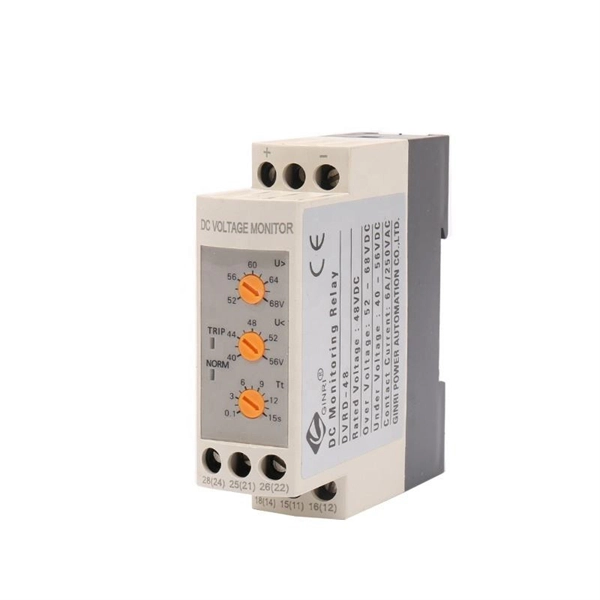
The os3150 and os3155 are rugged, spot-weldable optical strain gage based on fiber Bragg grating (FBG) technology, with optional integrated temperature compensation. The os3100 Optical Strain Gage is designed to make fiber handling easy and sensor installation fast and repeatable. Its stainless steel carrier holds the FBG in tension, using no epoxy. SCAIME has developed a complete range of fibre-optic strain gauges for monitoring complex structures. Since there are no. What are Optical Strain Sensors? Optical strain sensors (or strain gauges) are sensors for compressive and/or tensile mechanical strain (deformation) which are based on optical technology — in most cases, on fiber optics. They can be based on different operation principles as explained in the. Fiber Bragg grating strain gages can be delivered pre-laminated for measuring strain on stiff surfaces. They are suitable for being fixed easily onto the measurement object, like concrete beams, or rocks. These sensors possess great sensitivity and reliability, which explains their growing popularity across various engineering and monitoring applications. The fiber optic strain gauge is directly attached onto the.
[PDF]
With a variety of kit options available, you can choose between the easy-to-use Quick Clean™ Cleaners, the convenient cleaning cube/card, and the best optic solvent pen to clean both patch cords and fiber.
[PDF]
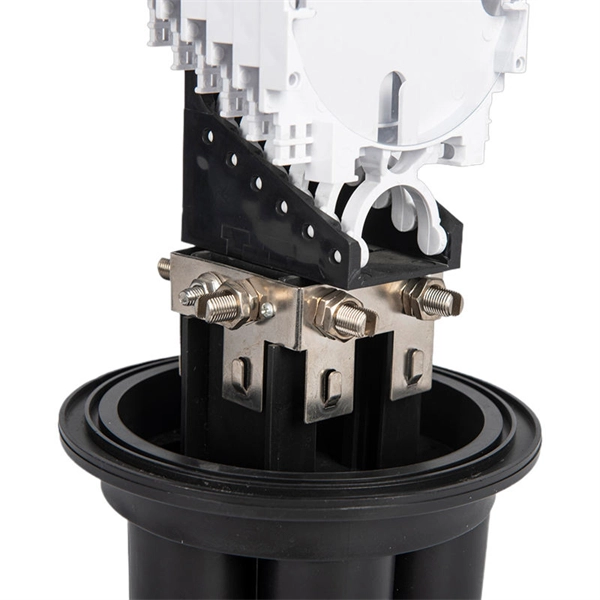
This paper aims to elucidate recent advancements in fiber-optic sensors across different domains, specifically in health, smart home, and smart industry. It particularly emphasizes their integration with various technologies such as machine learning (ML) and the Internet of. If 5G is the neural conduction of the digital age and AI the super brain, fiber sensing serves as the quietly growing peripheral nerves. In 2023, a group from California Institute of Technology, collaborating with Google, achieved the world's first commercial submarine cable-based second-level. Fiber optic sensing has emerged as a cornerstone of modern photonics, enabling high-precision, real-time monitoring in harsh and remote environments. Recent breakthroughs in materials science, laser technologies, and signal demodulation algorithms have expanded the frontiers of this field, driving. Fiber optic sensors utilize optical fibers to measure various physical and chemical properties such as temperature, pressure, strain, and even the presence of specific substances. This. Fiber optic cables form the basis of the infrastructure that provides the high speed, low latency and large data capacity required by IoT. What is IoT and How Does It Work? The internet of things (IoT) is a network where smart devices and sensors communicate with each other over the internet.
[PDF]
Our tool provides an evaluation matrix (automatically filled with your inputs from the suppliers section) and place for inserting your comments. You can generate a PDF to document (a) your criteria, (b) the found suppliers and (c) your evaluation results. Fiber optic sensors are advanced sensing devices that use optical fibers to detect and measure physical, chemical, or environmental parameters such as temperature, strain, pressure, vibration, and more. These sensors are categorized based on their operational principles, measurement functions, and. Pricing (USD) Filter the results in the table by unit price based on your quantity. Fibre Optic Sensors are available at Mouser Electronics. Mouser offers inventory, pricing, & datasheets for Fibre Optic Sensors. It analyzes the light pattern which is used to provide the information about the physical properties, size and position of the object from the sensor. A tariff of 8% may be applied if shipping to the United States. These devices are most commonly used in factory automation environments. Fiber optics feature two distinct components, an amplifier and sensor heads. The amplifier contains "the brains". PacketLight NetworksTM specializes in developing and manufacturing advanced DWDM and OTN equipment for the transport of data, voice, and video over fiber optic networks. Their products offer comprehensive optical layer transport solutions, including muxponders and transponders, and support secure.
[PDF]
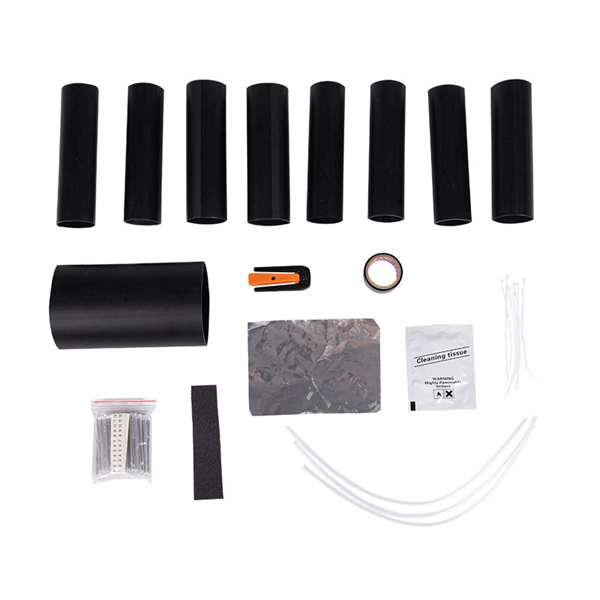
Main Purpose: 6-core fiber optic distribution box, widely used in FTTH project, easy to construct and provide good protective operation. Fiber optic terminal junction boxs are designed to provide a safe and organized solution for managing fiber optic cables in indoor and outdoor. FBR-11606 Fiber-Optic Distribution Box, 6-Core is a high quality product by Bud Industries used for electronic enclosure applications. The HTB8009 6 Ports FTTH Termination Box is a compact, multi-functional distribution enclosure specially designed for final fiber termination at the user end in fiber-to-the-home (FTTH) applications. Built from UV-resistant ABS material, the box combines durability with a sleek form factor, making. The structure of the product is compact, which can meet the needs of various optical cable installation, convenient construction and reliable sealing. Water-proof design with IP65 portection level. Integrated with splice cassette and cable management system. The type of installation for 6 core distribution box is wall-mounted. The entry size of the. Max. Capacity Gcabling is a leading fiber box manufacturer & supplier. We can manufacture and supply a wide range of fiber termination boxes with 20+ years of experience.
[PDF]
The price per foot includes the fiber itself, connectors, and basic installation factors, with main drivers being cable type, distance, and any required conduit or termination hardware. This article outlines cost expectations, price ranges, and practical savings. Fiber-optic cable materials typically cost $1 to $6 per linear foot, depending on fiber count and cable type. Commercial building installations with 100-200 network drops generally range from $15,000 to $30,000. Single-mode fiber costs less per foot than multimode fiber, but it requires more. Typically, per drop fiber cabling prices range from $250 – $1000 per drop depending on the type of fiber (OM2, OM3, OM4, or OM5), multi or single mode, PVC or plenum, average drop length, and also the number of fibers in each cable. This. Whether you need singlemode, armored, or indoor plenum, this guide gives you the exact cost per foot of fiber optic cable — including installation — so you can budget without guesswork. Data aggregated from Q1 2026 contractor invoices across Texas, Ohio, and North Carolina. The installation type you choose and the layout of your property determine the total labor and materials needed for your project. Cost for fiber cabling projects.
[PDF]
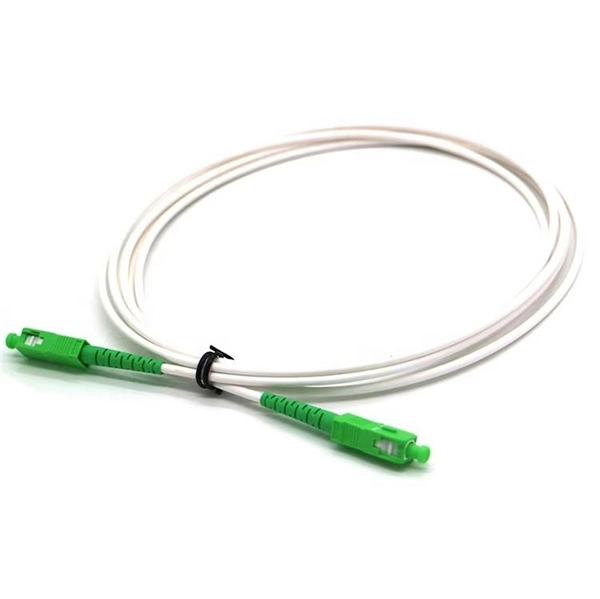
Prices typically range from about $0. 50 per foot for fiber optic cable and basic installation, depending on indoor vs outdoor routing, distance, and terrain. Commercial building installations with 100-200 network drops generally range from $15,000 to $30,000. Single-mode fiber costs less per foot than multimode fiber, but it requires more. Buyers typically see a wide range in fiber cost per foot depending on cable type, installation method, and terrain. The main cost drivers include cable type (single-mode vs multimode), whether the run is indoors or outdoors, trenching or direct burial requirements, and labor time. This guide presents cost ranges in USD and highlights how per-foot pricing translates to total project costs for typical. The Fiber Broadband Association has partnered with Cartesian to research the cost of deploying fiber and provide insight on how these costs are evolving over time. In preparing this second edition of the Fiber Deployment Cost report, Cartesian gathered inputs from a wide variety of firms building. 1) Proofing and Placement - Per foot pricing for proofing and placement of approximately 1,856,332 ft (351. 864F Prysmian non-armored ribbon cable (24 Fibers per ribbon) into existing empty. conduit (price includes the provision of redline documentation, fiber cable. Buyers typically pay for the cable itself, termination hardware, and professional installation. The following guide outlines typical costs, with practical ranges in USD.
[PDF]
The answer has to do with the connector endface polish, or the angle of connection, and the good news is connectors also follow industry-standard color codes. Fiber connectors are often used as the terminations of optical fiber cables to provide non-permanent connections between fiber-coupled devices (a kind of removable fiber joints). They are used in a similar manner as electrical connectors. This allows for quickly connecting and disconnecting of fiber optic cables without splicing. The connector features a ferrule, the connector end piece that holds and secures the fiber and aligns it for light. The fiber connector is called a fiber optic or optical fiber connector. A link's transmit signal (Tx) must match its corresponding receiver (Rx) at the other end. Although it may seem obvious, fiber optic polarity is a frequent source of confusion and. Fiber optic patch cables consist of the connectors on the ends of the fiber cable. The options on these cables dictate the fiber type, connector type, polarity, and polish type. The fiber types are SMF (Single-mode fiber) and MMF (multimode fiber). The most common connector types are LC, SC. The fiber connector types, sometimes referred to as terminations, link fiber optic cables together through terminals, switches, adapters, and patch panels, by bridging the gap between their internal glass fibers that transmit the data down the length of the cable. The ferrule, a cylindrical.
[PDF]