While there are situations when you will have to route cable through structural members such as studs, joists, and rafters, the job is much easier if you can run the cable along the surfaces of these frames. When you have a situation where you need to run cable through. Running new wiring within existing, finished walls of a wood-framed structure is a common necessity for home upgrades, whether for installing low-voltage data and audio cables or for extending line-voltage electrical circuits. Another is to conceal the cords and cables within the walls. This guide will help you learn how to run low voltage cables through the wall using low voltage boxes and face plates. To learn how to add. Many home improvement projects require you to install new electrical cables inside finished walls. The process is often called "snaking" or "fishing," with good reason. Cables often must be bent, slithered and coaxed around stud spaces and through small holes in the framing. Click on any image to see a larger version. When installing an electrical box, drill a hole in the floor between the studs on the same side as the electrical box. Staple down the wire right above the hole and. Method One: In order to cut the panel correctly, you first need to make the right measurements. Mark this distance on the panel you will be using. Make sure to mark this from the top.
[PDF]
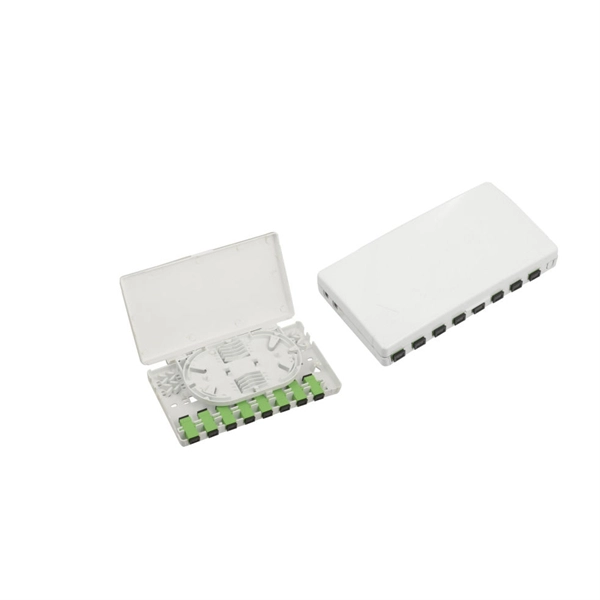
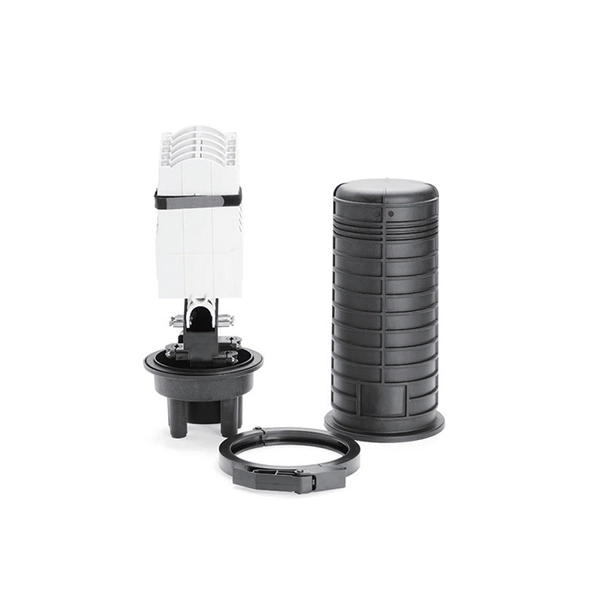
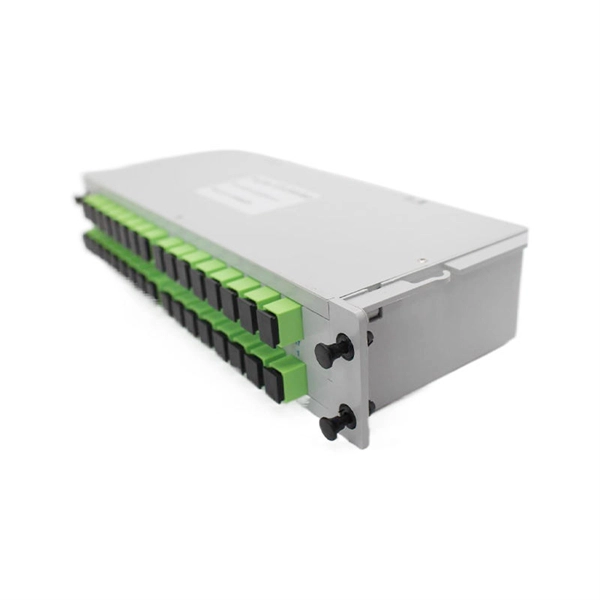
Please view our full RLH price list and contact us at info@fiberopticlink. com if you have any questions or special project needs. An ODF (Optical Distribution Frame) patch panel is a critical component in modern communication networks, serving as a central hub for managing, connecting, and protecting optical fiber cables. These panels ensure efficient signal transmission, simplify network maintenance, and support scalability. Consolidate your fiber optic connections in industrial environments with our DIN rail patch panel, with a modular design and tool-free installation save space and simplify deployment. Fiber Optic Patch Panels and Splice Boxes are critical products for the organization and management of fiber optic networks. They can also be used in outdoor cabinets or anywhere with 19“ or 21“ technology installed. Need help? Explore fiber patch panels for network infrastructure.
[PDF]
The adapter is instrumental in interfacing devices with fiber optic networks by converting optical signals to electrical signals, and vice versa. This guide covers adapter types, selection criteria, cleaning tips, FAQs, and B2B customization options to help businesses build reliable and scalable fiber networks. Fiber optic adapters may be small, but. Fiber optic networks rely on specialized cables that are designed to transmit data using light signals. Unlike traditional copper-based networks, fiber optic cables are made of ultra-thin strands of glass or plastic called optical fibers. These fibers are incredibly efficient at transmitting light. What is a Fiber Optic Network Adapters? A fiber optic network adapters, synonymous with a fiber optic NIC (Network Interface Card) or transceiver, is an intermediary that facilitates the connection between devices and fiber optic networks. They have a single fiber connector (simplex), dual fiber connector (duplex) or sometimes four fiber connector (quad) versions. Here's a detailed explanation of its usage: Fiber adapter panels house fiber optic adapters, which are essential for connecting fiber optic cables. They play a crucial role in linking optical fibers together, allowing for seamless transmission of data across vast distances. Whether you are setting up a new network or upgrading your existing one, understanding the.
[PDF]
Integrated optical switching delay line (OSDL) chip, which is composed of optical switches cascaded with optical waveguides of different lengths, has the merits of ultra-wide delay bandwidth, very high delay accu.
[PDF]