Prices typically range from about $0. 50 per foot for fiber optic cable and basic installation, depending on indoor vs outdoor routing, distance, and terrain. Commercial building installations with 100-200 network drops generally range from $15,000 to $30,000. Single-mode fiber costs less per foot than multimode fiber, but it requires more. Buyers typically see a wide range in fiber cost per foot depending on cable type, installation method, and terrain. The main cost drivers include cable type (single-mode vs multimode), whether the run is indoors or outdoors, trenching or direct burial requirements, and labor time. This guide presents cost ranges in USD and highlights how per-foot pricing translates to total project costs for typical. The Fiber Broadband Association has partnered with Cartesian to research the cost of deploying fiber and provide insight on how these costs are evolving over time. In preparing this second edition of the Fiber Deployment Cost report, Cartesian gathered inputs from a wide variety of firms building. 1) Proofing and Placement - Per foot pricing for proofing and placement of approximately 1,856,332 ft (351. 864F Prysmian non-armored ribbon cable (24 Fibers per ribbon) into existing empty. conduit (price includes the provision of redline documentation, fiber cable. Buyers typically pay for the cable itself, termination hardware, and professional installation. The following guide outlines typical costs, with practical ranges in USD.
[PDF]
Abstract: Detecting partial discharges in cable joints is critical for timely defect identification and reliable transmission system operation. The electric field distribution of the optical fiber-implanted cable joint was simulated, followed by electrical performance tests, demonstrating that optical fiber implantation had a negligible effect on the electrical properties of the cable joint. A platform utilizing Mach–Zehnder–Sagnac. The results show that the average sensitivity of the sensor in the 10 kHz–80 kHz range is 71. 0 dB higher than that of the piezoelectric transducer, with a maximum signal-to-noise ratio of 65. To improve the long-term reliability and sensitivity of the sensing system, a novel method for cable joint monitoring based on implanting optical fibers. However, there is an industry gap in the literature about the highly sensitive fiber optic-based PD solution based on the acoustic emission principle. This paper aims to fill such an industry gap. In this paper, the fiber optic-based PD sensing (OptiFender) technology is applied to monitor the PD.
[PDF]
Total number of cores = Number of branches × Number of cores per branch If there are no branches, the number of branches equals one. For example, an MTP®-8 trunk cable with four branches and eight cores per branch has a total of 32 cores (4 × 8 = 32). For example, if you have three optical fiber access switches, you need to have three cores. (actually use a four core optical cable) This is because apart from one-core optical fiber, there are basically no optical cables with an odd number of cores, such as three-core, five-core, etc. It is worth. Fiber cores are the heart of fiber optic cables, transmitting light signals that carry data. Made from either high-quality glass or plastic, the core plays a critical role in determining the cable's performance. The total number of cores for a 1pc fiber patch cable is calculated as the number of. One key factor is the number of cores, which impacts how much data you can transmit. Single-mode: A. Common fiber cores include 1 core, 2 cores, 6 cores, 8 cores, etc., and there are many types. This article will focus on the number of fiber cores, introducing their respective characteristics and usage scenarios. Of course, this is a general situation, and it can be considered as follows: 1.
[PDF]
This step-by-step guide aims to provide a comprehensive understanding of the techniques and considerations involved in successfully connecting optical fibers, offering invaluable insights for professionals and enthusiasts in the field. In high-speed data networks, the seamless integration of fiber optic cables with SFP (Small Form-Factor Pluggable) modules is critical for reliable signal transmission. SFP transceivers bridge electrical and optical signals, making them indispensable in data centers, telecom networks, and. Proper connection of fiber optic cables is essential to harness these benefits fully, as even minor errors can lead to significant performance issues like signal loss. This article will guide you through the necessary tools, materials, and methods on how to connect fiber optic cables effectively. This section describes how to install optical transceivers on the SFP or SFP+ ports and connect them to the ports of the peer device using optical fibers according to the network plan. The USG supports both 1 Gbit/s, 10 Gbit/s, and 40 Gbit/s optical modules. The optical modules at both ends are. There are many types of fiber optic connectors, including SC, LC, FC, ST, D4, MU, MT/MPO, etc. These connectors can be divided into single-mode and multi-mode fiber optic connectors according to their structure and purpose. In this tutorial.
[PDF]
Active Optical Cables simplify high-speed networking by embedding tiny optical transceivers directly into the cable ends. Inside one compact assembly, electrical signals convert to light pulses, travel through the fiber core, then reconvert to electrical form—eliminating separate. When traditional copper cables hit their physical limits, Active Optical Cables (AOCs) emerge as the superior solution for demanding, high-bandwidth applications. These change electrical signals into optical signals and back. This gives. Active optical cable (AOC) is a high-performance communication cable used for short-range multi-lane communication and interconnected applications. Unlike traditional fiber-optic cables, which require external transceivers to send and receive signals, AOC cable have the necessary transceivers integrated. Thanks to the intricate design of Active Optical Cables, which allows for flexibility and gives an extra advantage of unmatched stability. Alt Text: A Group of AOC Cables with Different Connectors In the following paragraphs, you will be broadly enlightened about every aspect of the cutting-edge. Active Optical Cables (AOCs) are an innovative type of data transmission technology that has come forth to fill the gap between the old copper cables and the ever-advancing fiber optics. Unlike the traditional methods, AOCs are explicitly structured to provide long-distance connecting devices to.
[PDF]
Search results of Top 2 Cabling and Fibre Optics Companies in Papua New Guinea, near me. Listings are verified with accurate business information. Our Engineering Services team provides expert design and planning for high voltage and low voltage transmission lines, as well as distribution line systems. We specialize in optimizing the layout and ensuring the reliability of power transmission through advanced engineering techniques. We also. Cetelnet is proud to be a trusted fiber optic supplier Papua New Guinea, offering high-quality materials, expert consultation, and end-to-end infrastructure support to telecom operators, government agencies, and private enterprises. East Coast NetLink provides fiber optics connectivity solutions for businesses and organizations in Papua New Guinea. We offer high-speed, reliable and secure internet access, data transmission and cloud services through our extensive network of fiber optic cables and equipment. Our fiber optics.. Started back in 1983, Cable House is a recognized name engaged in manufacturing and supplying wide range including Hose Clamps, Cable Ties, Crimping Tools, Cable Tray, Industrial Connectors and more, to the national as well as the international market.
[PDF]
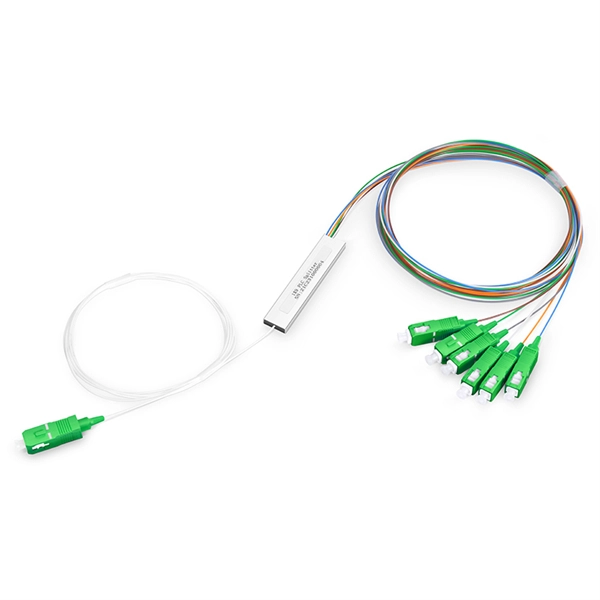
Assess cable damage, identify bent or kinked sections, and determine length of damage before applying straightening techniques using wire strippers, cable straightener tools, and needle-nose pliers. Assessing cable damage is the first crucial step in treating and preventing future. Straightening wires prevents unsightly kinks if you're making jewelry, or makes them easier to organize and work with for any other project. If you need to straighten out a wire, there are a couple of ways you can do it using a few tools. Within just a few minutes, you can make the wire's bends and. In this video I'll show you How to Remove Kinks From Cables and straighten your cable again. In this video I will show you one of these methods and that is by using hot water. This will relax the cables. more In. Anyone who has tried straighten wire by hand knows how frustrating it can be. One common method is to fix one end and tighten the other end in a drill chuck. Apply tension to the wire while turning the drill slowly. You wouldn't need any chemicals and products or even exert that much effort at all. I use several useful tricks in doing.
[PDF]
Fibre Channel is standardized in the of the International Committee for Information Technology Standards (), an (ANSI)-accredited standards committee. Fibre Channel started in 1988, with ANSI standard approval in 1994, to merge the benefits of multiple physical layer implementations including, and. Fibre Channel was designed as a to overcome limitations of the SCSI and HIPPI physic.
[PDF]

Venezuelan and Iranian authorities announced this weekend the signing of an agreement to build a fiber optic factory in the South American country, more specifically in La Guaira, a State just 30 kilometers north of Caracas and home to the country's gateway Simón Bolívar Airport. Photo: La Guaira EEZ Home La Guaira The first production line for manufacturing cables arrives in La Guaira. The rest of the machinery to put the plant. The Islamic Republic of Iran has extended its export of advanced technology to the heart of Latin America with the establishment of a fiber optic plant in Venezuela. This strategic move is part of Iran's broader objective to expand its technology diplomacy and showcase its advanced technical capabilities on an international scale. The. The new plant, named Venefibra, represents an effort in the pursuit of technological sovereignty and economic diversification. Photograph: Radio Miraflores. Guacamaya, July 10, 2025. Venezuela has received a significant boost to its.
[PDF]
Interactive anomalies of pipelines represent important contributors to pipeline incidents, but monitoring interactive anomalies is challenging. This paper presents an approach to monitor interactive bend.
[PDF]
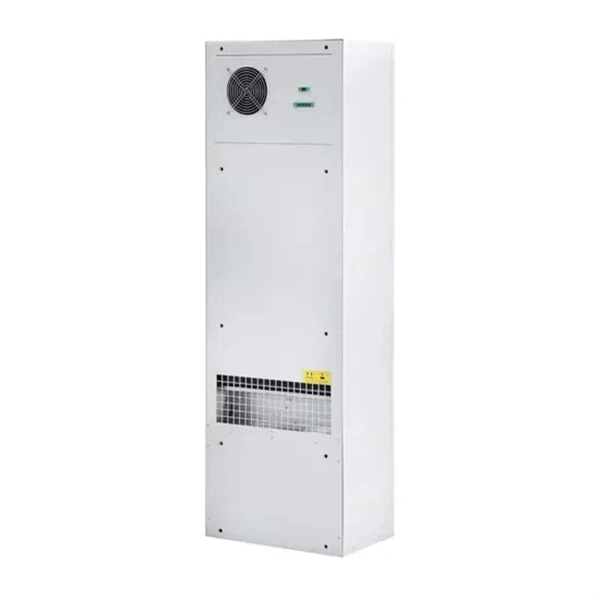
This video makes connecting your fiber optic cable to your router a breeze! We'll guide you through the entire process step-by-step, ensuring a smooth and hassle-free experience. Our Experts are helping user's, who are facing issues with their tech gadgets like. In this guide, we'll walk you through how to connect a fiber optic cable to a router safely and efficiently. Why Use Fiber Optic Internet? Before diving into the setup, let's quickly recap why fiber optics are worth the effort: Lightning-fast speeds (up to 1 Gbps or higher). This comprehensive guide combines industry standards with field-tested practices to ensure you achieve a rock-solid. Setting up a fiber internet connection requires understanding key hardware components and following a specific connection sequence to establish your home network. This guide details the necessary physical and digital steps to connect your fiber line and activate your internet service. If you. Connecting a fiber optic cable to a router might seem daunting at first, but with the right tools and a bit of patience, it's a straightforward process. Here's a step-by-step guide to help you through it. Check compatibility: Before you begin, make sure your router supports fiber optic connection. Not all routers can connect directly to a fiber cable, so it is important to verify this information before continuing.
[PDF]
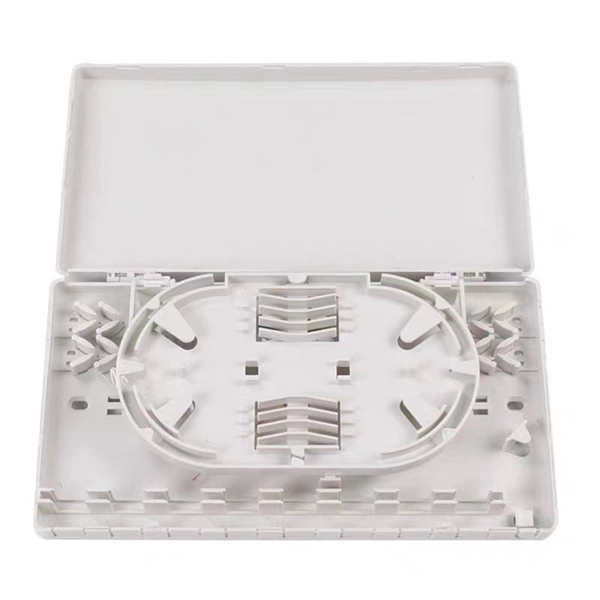
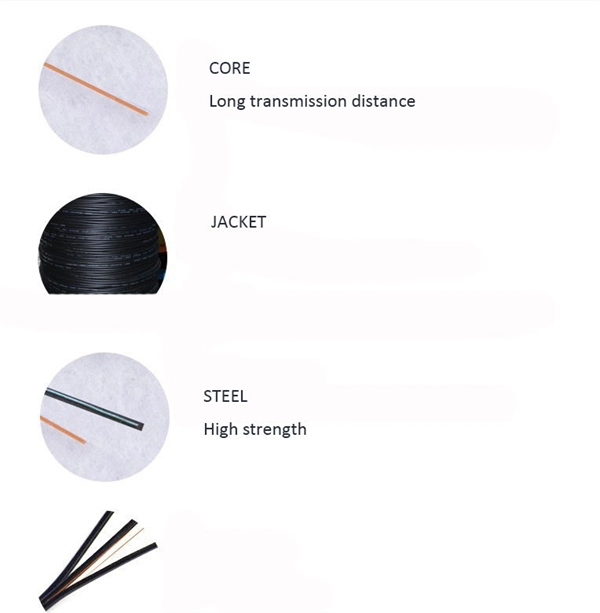
MGTSVFlame retardant optical cable for cable mining, capable of accommodating4to288Core, can be used for various overhead, pipeline, buried and other laying, widely used in mining. Still deciding? Get samples first! Order sample Still deciding? Get samples first! Order sample Every payment you make on Alibaba. com is secured with strict SSL encryption and PCI DSS data protection protocols Claim a refund if your order doesn't ship, is missing, or arrives with product issues. MGXTSV type optical fiber cable is metallic strength member,central tube filling type,with steel wire-polyethylene bonded sheath,blue flame retardant PVC sheathed communication outdoor optical cable. Check each product page for other buying options. Need help? Online shopping for Fiber Optic Cables from a great selection at Electronics Store. Fiber optic cable is designed to transmit data using light signals instead of electricity, making it faster, more secure, and immune to electromagnetic interference compared to traditional copper cables. It consists of a central loose tube, 12 phosphated steel wire.
[PDF]
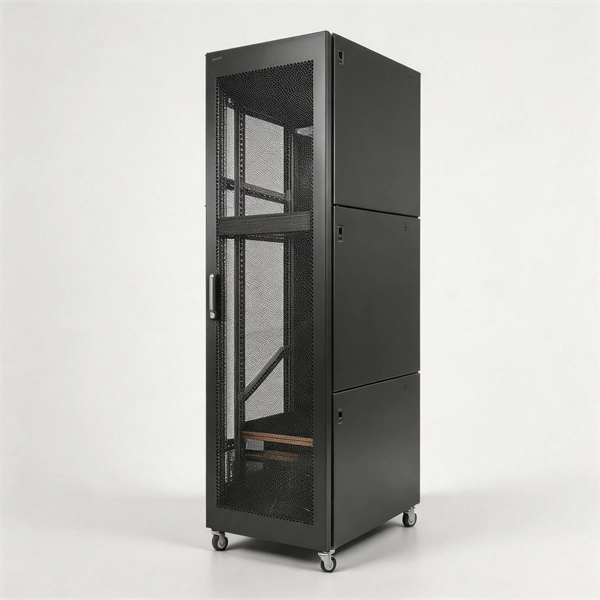
The average OM3 fibre cable price in Australia typically ranges between $0. 20 AUD per metre, depending on the jacket material, core count, and whether the cable is indoor-rated, outdoor-rated, or suitable for both. In this breakdown, we'll explore the price of fibre optic cable by type, focusing on OM3, OM4, and singlemode (SM) variants — including when and why to use each. If you're looking for a comprehensive overview of what affects overall cables price, refer to our Fibre & Network Cables Price Guide. Our fibre is manufactured to the highest grade with stringent quality guidelines. With an extensive range of fibre leads and fibre patch. FS offers full range of fibre optic adapters/couplers with good repeatability and changeability for mating two ends of a fibre optic cable with high precision. Choose the fibre type, mode, core count and colour you need, and we'll cut it to the length you specify in our local Melbourne facility. Fibre optic cables (also called optical fibre. Fibre Optic Cable – Apollo Technology Fibre optic cable plays a key role in fast and reliable dat Fibre optic cable plays a key role in fast and reliable data networks across Australia. This category highlights a wide range of fibre solutions supplied by Apollo Technology. The range includes loose.
[PDF]
A2: According to EIA/TIA-598, the fiber optic cable color code defines the jacket color codes for different fiber types (SMF or MMF). Fiber optic color codes provide the essential identification framework that enables fiber technicians and network professionals to manage complex optical network installations efficiently. This standardized fiber optic color coding system helps prevent costly connection errors while dramatically. Understanding fiber‑optic color codes is essential for any technician tasked with installing, maintaining, or troubleshooting modern fiber networks. By adopting the TIA/EIA‑598C standard, you gain a universal “language” of colors that speeds identification, reduces miswiring, and enhances safety. The TIA-598-D standard defines a standardized color-coding system that engineers and technicians rely on to identify different types of fiber optic cables, connectors, and individual fibers. Designed for durability and reliability, the sleeves are constructed with an inner EVA meltable adhesive tube, and a polyolefin heat shrink outer tube. The strength member within the sleeve is made of. Color codes are used in fiber optics to identify fibers, cables and connectors. This coding system is the EIA/TIA-598 standard developed by the Electronic Industries Alliance (EIA) and the Telecommunications Industry.
[PDF]
45 Jobs Laying Optic Fiber Cable jobs available on Indeed. Apply to Lineperson, Splicer, Optical and more!. Building a fiber optic network is a highly technical yet vital process that enables communities and businesses to access high-speed, reliable fiber optic internet. From the initial site survey to the final fiber to the home (FTTH) connection, every stage requires careful planning, coordination, and. Optical Fiber Cable Engineering Construction: A Comprehensive Operation Guide 1. Introduction Optical Fiber Cable engineering construction refers to the process of designing, planning, executing, and maintaining communication system infrastructure by deploying optical cables and associated. At the FOA, we're mainly concerned with communications fiber optics - telco, CATV, LAN, industrial, etc., but fiber optics are also used in medical or nondestructive testing inspection and lighting. Even within communications applications, we have applications that differ widely in usage and in. Starting with site surveys and permissions, to installing fiber optic cable and emphasizing the process as a key stage in mastering fiber optic installation, to the careful handling of cables and high-stakes splicing, each stage is critical. Discover the exact steps, adhere to stringent safety. The Fiber Optic Association, Inc. The method covers the steps from receiving the materials on the installation site and cable pulling as per the approved shop drawings.
[PDF]