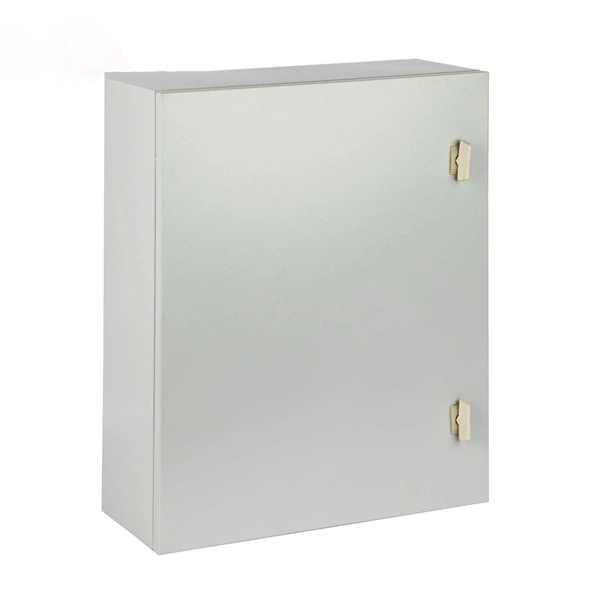
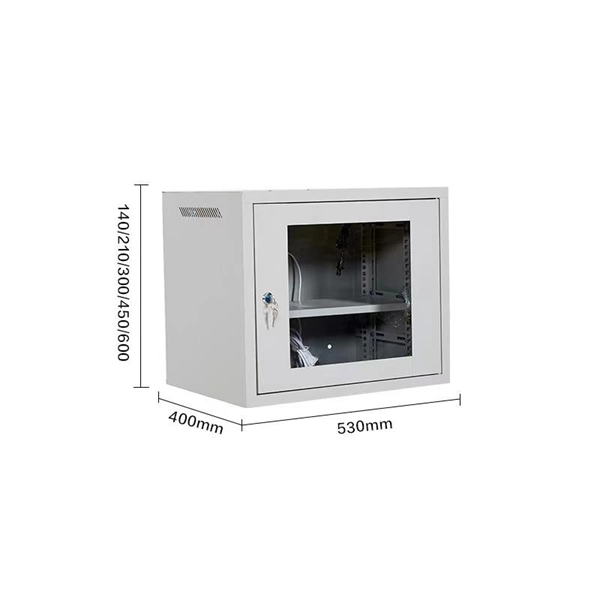
Designed to accommodate various equipment types, this 6U rack cabinet suits data centers, IT rooms, audio/video gear, and home offices, making it an ideal solution for diverse user needs. $. Barbados' leading IT, Computer & Consumer Electronics Superstore Retailer. This compact 6U enclosure maximizes storage while occupying minimal space, making it perfect for setups where. Part NO. Features: connected by four corner to ensure the stability; cable entry from the top cover and bottom panel; emovable side doors for easy installation and maintenance. Read more!. VEVOR 6U Wall Mount Network Server Cabinet, 15. 5" Deep, Server Rack Cabinet Enclosure, 200 lbs Max. Cabinets are used for storing routers, patch panels, switches and a wide variety of networking equipment and accessories.
[PDF]
Picking up the best router for fiber internet isn't just about going to the market and choosing one of the best wireless routers. Instead, you need to carefully look at its specs, performance, and the type of securit.
[PDF]
To increase the security of your network, consider adding one of the following 10 hardware firewalls which are suitable for home and small business networks. I have carefully selected the following devices ba.
[PDF]
It can also describe a unit that is 1U high and half the depth of a 4-post rack (such as a network switch, router, KVM switch, or server), such that two units can be mounted in 1U of space (one mounted at the front of the rack and one at the rear).OverviewA rack unit (abbreviated U or RU) is a unit of measure defined as 1+3⁄4 inches (44.45 mm). It is most frequently used as a measurement of the overall height of, as well as the height of eq. The rack unit size is based on a standard rack specification as defined in -310. The specifies a standard rack unit as the unit of height; it also defines a similar unit, (HP), used to measure the width o. A typical full-size rack is 42U, which means it holds just over 6 feet (180 cm) of equipment, and a typical "half-height" rack is 18U–22U, which is around 3 feet (91 cm) high. The mounti.
[PDF]

This guide aims to provide a comprehensive overview of the entire process of designing and installing network cabling systems. We will walk you through each step—from understanding the basics and selecting the right components to planning, installation, and maintenance. An in wall network cabinet is a special type of enclosure that fits inside your wall. Unlike traditional floor-standing racks, these cabinets are recessed, which means they don't take up valuable floor space. They're designed to hold important networking equipment such as switches, patch panels. A cabinet or rack must belong to one of the following types: Standard 19-in. four-post EIA cabinet or rack, with mounting posts that conform to English universal hole spacing per section 1 of ANSI/EIA-310-D-1992. See Reference Perforated Cabinet. The aim is a secure, maintainable and scalable operation of the network environment. Step-by-step guide: In this way, patch panels, switches, cable routing and documentation are. Selecting the right network rack and cabinet types is crucial for accommodating your equipment and ensuring efficient airflow. For more information, see Requirements Specific to Perforated. Server racks, from a strict technical point of view, are designed to house computers that are dedicated to serving out data and the associated uninterruptible power supplies (UPS) to keep them running in the event of power failure. Often server racks are deep and are 23” wide, although 19” wide.
[PDF]
The modern world relies heavily on electrical and communication cables that must be managed and supported across vast distances in commercial and industrial settings. A cable tray is an organized support structure designed to secure and route these insulated electrical cables. In the electrical wiring of buildings, a cable tray system is used to support insulated electrical cables used for power distribution, control, and communication. Cable trays are used as an alternative to open wiring or electrical conduit systems, and are commonly used for cable management in. Whether you're planning a new office setup or upgrading your existing network, the choice of a cable tray system plays a significant role in ensuring the reliability and scalability of your structured cabling solution. It acts as a. en completely installed, without damage either to conductors or structural system use maintain spacing or to keep cables in place when the tray is ect the minimum bend ra-dius for cables as they exit the bottom of the cable tray. A rung spacing of 6 to 9 inches (150 to 230 mm) is preferable when. Explore various cable tray types and sizes for electrical installations. Learn about ladder, perforated, solid-bottom, wire mesh, and channel trays in this complete guide. What is Cable Tray Systems? 1.
[PDF]
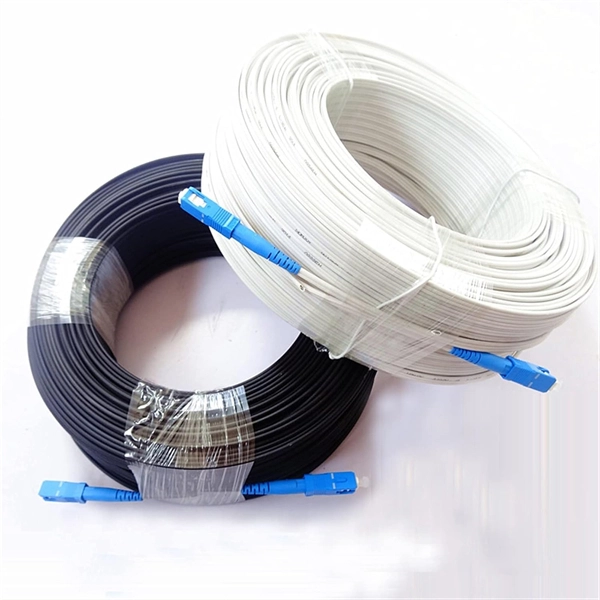
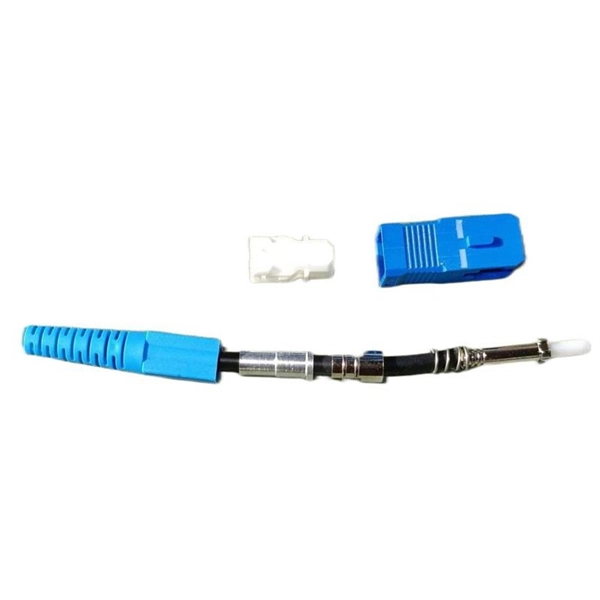
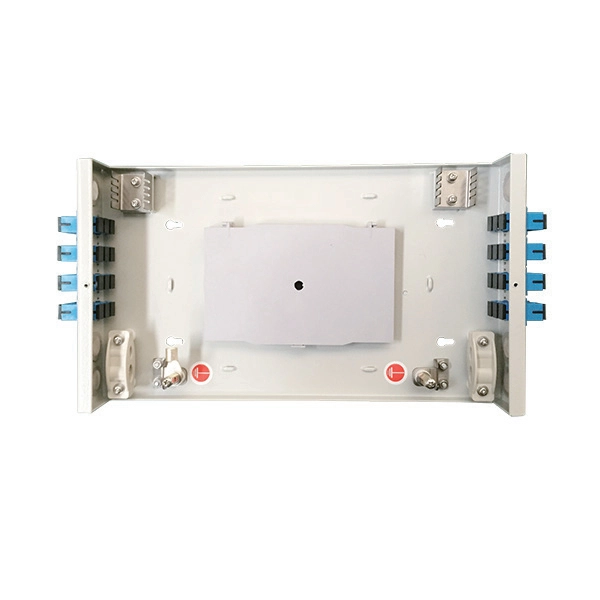
A fiber to Ethernet converter, often called a media converter, is a networking device that converts light signals from fiber optic cables into electrical signals used by Ethernet cables. This allows you to connect devices that use different types of cabling, such as a computer. An ONT, or Optical Network Terminal, is a device that converts fiber optic signals from your Internet provider into Ethernet signals that your devices can use. It's a key part of any Fiber to the Home (FTTH) setup. If your home uses cable Internet instead of fiber, you don't need an ONT. You'll use. For networking scenarios where the standard 100-meter reach of copper Ethernet cables (UTP or STP) is insufficient, Ethernet media converters for extended distance connectivity present a professional solution to extend connectivity. Connection Relationship: Step 1: Access outdoor fiber optic cables into fiber terminal box for the purpose of splicing the optical fiber cable and fiber optic.
[PDF]
In the ring distribution network, differential relays, which rely on communication between the protection relays, are used for the underground cable protection. To guarantee cable protection when communication is failed, an auxiliary protection by using directional overcurrent. The use of ring circuits in 6 – 35 kV distributed electrical networks can improve the reliability of power supply. An increase in the load power and the share of distributed generation and renewable energy sources causes the redistribution of the power flow during the operation of an electrical. The selected protection principle affects the operating speed of the protection, which has a significant im-pact on the harm caused by short circuits. The faster the protection operates, the smaller the resulting ha-zards, damage and the thermal stress will be. Further, the duration of the voltage. ABSTRACT: Over current protection is the simplest form of power system protection of distribution line. In. The purpose of this study is to investigate the coordination of overcurrent relay in different types of the distribution network, which are radial, ring, and interconnected distribution system during line to ground fault occurrence at the bus. Usually, this refers to medium-voltage networks, since they are protected by numerical relay devices, as opposed to low-voltage networks, where utility operators allocate.
[PDF]
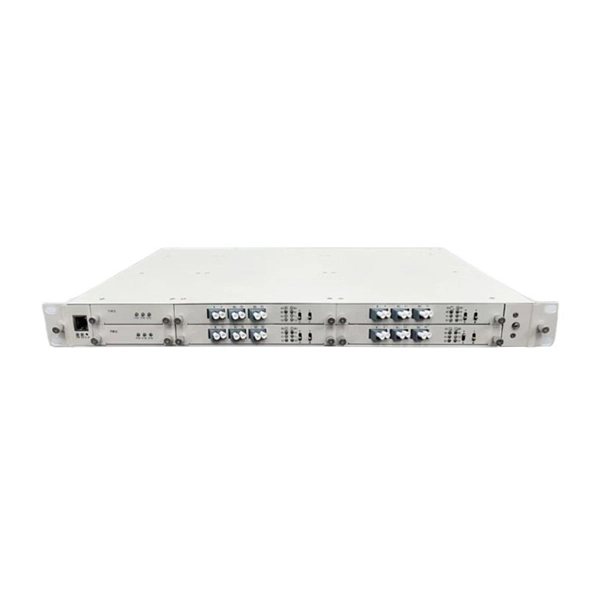
Insert a compatible SFP transceiver into the converter's port, making sure it matches the network's media type and speed. Then, connect one end of the fiber cable to the transceiver and the other to the appropriate port on a switch, router, or another media converter. Fiber media converters translate copper's electrical signals into fiber's optical signals, and back again. This allows networks to extend beyond the 100 m copper limit while gaining higher bandwidth and resistance to electromagnetic interference. In the illustrated setup, each LAN links to a. A fiber media converter is a networking device that allows you to convert a signal from one medium to another. This allows you to connect devices that use different types of cabling, such as a computer. While fiber optic ports are becoming increasingly common on networked electronics, the majority of connected devices still rely on RJ45 twisted pair connections. To help bridge the copper-fiber divide, media converters and transceiver modules (also known as SFPs or mini-GBICs) are often required. Use Fiber Media Converter in Your Network Media converters today are widely deployed in all. It is a device used to convert fiber optic cables to Ethernet cables to provide better connectivity. It is necessary to convert fiber optic signals to Ethernet signals because many network devices can only communicate with Ethernet signals. Fiber optic cables are known for the unmatched speed.
[PDF]
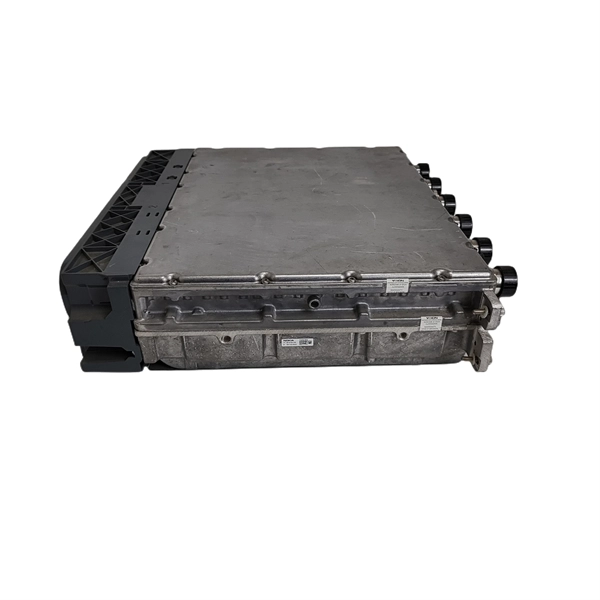
Q: Is a network rack worth it for a home network? A: Absolutely. If you have more than just a modem and router—think a switch, NAS, patch panel, or UPS—a small wall-mount rack organizes and protects your investment, ensuring reliability. A networking rack, often referred to as an equipment rack, stands as a foundational component in the realm of network infrastructure. Crafted from durable metal, its primary role is to securely house and systematically organize a variety of networking devices. This setup is designed for. At some point, the question becomes practical rather than technical: do you actually need a server rack at home? The answer is not automatically yes. But it is also not limited to enterprise IT environments. The racks are typically made of steel or aluminum for durability and strength and are designed to be. While server racks are engineered to support mission-critical, heat-intensive computing environments, network racks prioritize cable routing, switch management, and patch panel accessibility. Learn more about how airflow affects server performance in our detailed guide on how airflow works inside a. If you're new to networking or wondering whether you need a network cabinet, this beginner's guide will help you understand what they are, how they work, and why they are more important than ever in 2025. These racks enable efficient space utilization, proper ventilation, and organized cable management—critical for maintaining reliable.
[PDF]
In this guide, we'll explore top network rack options like the TECMOJO 12U Open Frame Network Rack and the ECHOGEAR 10U Network Rack. We will also cover features to consider, such as size, mounting style, and additional accessories. The 42U AV rack mount comes with thermostat, LCD screen, cooling fans, dust-tight cable entries, powerbar, casters, shelf, and fully locking cabinet doors and side panels. Ubuy works hard to protect your security and privacy. Our advanced payment security system ensures confidentiality by. Rack para servidor My Connection 8u. ULTIMOS! New and used Network Server Racks for sale in Montevideo, Uruguay on Facebook Marketplace. Find great deals and sell your items for free. A network rack is essential for organizing and securing your IT and AV equipment. Whether you need a wall-mounted or floor-standing rack, the right choice can make a big difference in your setup.
[PDF]
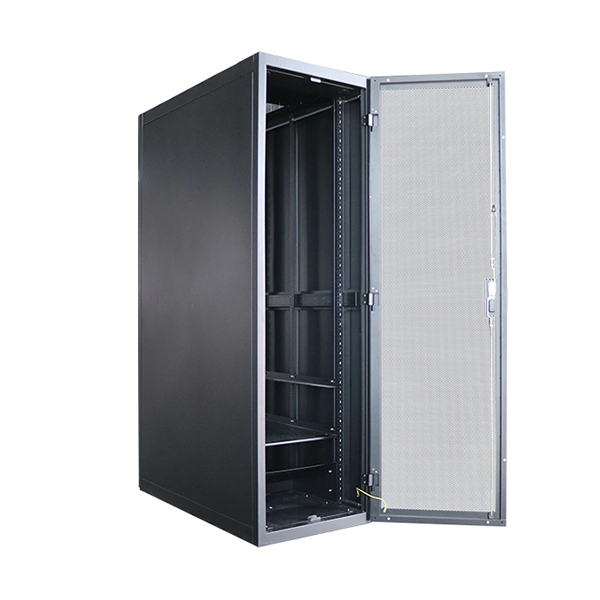
A server rack is a standardized metal enclosure designed to mount IT equipment—servers, switches, routers, PDUs, UPS systems, storage devices, patch panels, and cable managers—using vertical rails spaced according to the EIA-310 19-inch standard. What is a Server Rack? A server rack is specially designed to store various networking devices, which can effectively organize, manage, and protect network equipment including servers, network switches, routers, UPS, storage devices, etc., ensuring the stable and reliable operation of equipment. There are three primary rack types - open-frame racks, enclosed cabinets, and wall-mount racks, each suited for. The server rack is designed to house, organize and secure servers, networking equipment and other IT hardware. It provides efficient cable management, air flow and physical protection for sensitive electronic devices. Learn more about how airflow affects server performance in our detailed guide on how airflow works inside a. Hot and cold air containment systems designed to maximize cooling predictability, capacity, and efficiency at the rack, row or room level. Intelligent air containment solutions that protect critical IT equipment and personnel. Server racks come in a variety of sizes and configurations, ranging from small desktop units to large floor-standing.
[PDF]
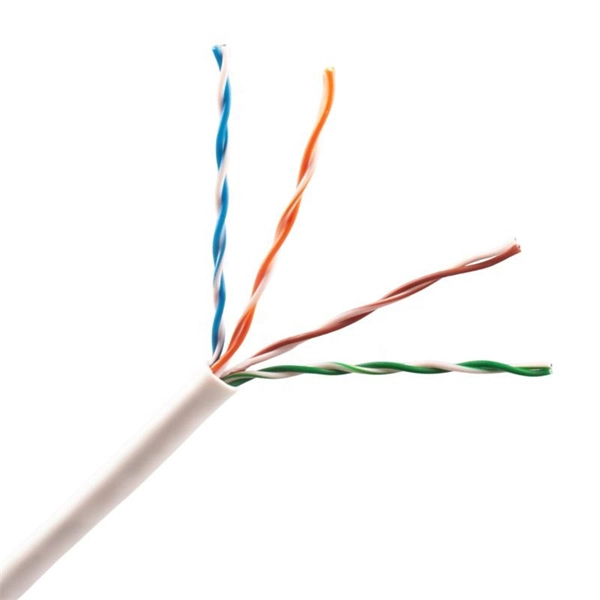
A server rack typically draws between 10-60 amps, depending on its power density, hardware type, and configuration. Most standard racks use 20-30A circuits at 208/240V, while high-density setups with GPUs or blade servers may require 50A+ circuits. Understanding kilowatts per rack (kW/rack) is important for businesses using colocation. It helps improve efficiency and control costs. Just like virtual CPUs (vCPUs) relate to physical CPUs in cloud computing, kW/rack defines power use per server rack. This impacts colocation pricing, energy use. While a standard rack uses 7-10 kW, an AI-capable rack can demand 30 kW to over 100 kW, with an average of 60 kW+ in dedicated AI facilities. Modern infrastructures typically rely on rack-level Power Distribution Units (PDUs), industrial CEE connectors, and. Data centers can have dozens of racks, meaning that the need for power increases drastically. Thus, tech staff and maintenance employees should take time and effort to calculate the amount of the required power to feed one rack and an entire center, taking into account average server rack power. A server rack is a framework designed to house multiple pieces of computing equipment-primarily servers, networking devices, and storage systems. Since each piece of equipment consumes electricity to operate, the total power drawn by the rack can vary significantly based on the type and density of.
[PDF]
Galvanized Mesh Tray 100/85 (the price is per meter) Galvanized Mesh Tray 300/85 (the price is per meter) Cover Width 50/0. 8 for a 200 Mesh. The Israeli cable trays market is a critical component of the nation's industrial and construction infrastructure, serving as the backbone for organized and secure cable management across diverse sectors. is one of the trustworthy Cable Tray Manufacturers In Israel that is here to fulfill all your wire mesh and netting tools needs. We believe in building fruitful business partnerships. Every buyer chooses us first because of our excellent finishing and high-quality. Brilltech Engineers Pvt. Our durable, high-quality trays come in various sizes and styles to fit any. Cable tray pricing depends on materials, coatings, size, supplier margins, and order quantity —plus hidden costs like shipping and installation. This guide breaks down everything buyers need to know, from price trends to cost-saving tips. The average cable tray price per meter ranges from $2 to. Specialized/Sigma Factory for Steel Products (SFSP) was first established in KSA in 1989 and has been expanding ever since through a variety of products and through its geographical presence. Production at the factory is observed using modern practices of manufacturing methods in the steel.
[PDF]
It is a networking tool called an aggregation switch that enables the consolidation of several network connections into a single link. This makes it possible to boost bandwidth and improve network efficiency. What Is an Aggregation Switch? An aggregation switch is a network device that consolidates traffic from multiple access switches, wireless access points, or other edge devices and forwards it. An Aggregation or "Top-of-Rack" switch is designed to connect everything in a rack at high speeds, then have an even bigger pipe out to the rest of the network. The Pro Aggregation does this with it's SFP28 25Gbps ports. The regular Aggregation switch is best used to connect all devices in a rack. Learn about aggregated Ethernet interfaces, LACP, and LAG. 3ad link aggregation enables you to group Ethernet interfaces to form a single link layer interface, also known as a link aggregation group (LAG) or bundle. Amounts or summary statistics are used in place of atomic data rows, which are often collected from several sources when data is aggregated. In place of groups of observed aggregates, summary. Function: Connection point for all devices on a segment of segment of a network that breaks down and absorbs the data flow between all of the connected devices rather than flooding it to all connected devices. Sophisticated routing options. Fault Tolerance and High.
[PDF]