The 1/4"-28 stainless steel cone point machine screw can be tightened to ensure a proper connection when holding down cable covers. Stainless steel cover clip for Swage Ladder Tray, fits any tray width. Stock information temporarily unavailable. Cablofil Wiremesh Cable Tray concept based upon performance, safety and economy three qualities which make Cablofil Wiremesh Cable Tray system preferred by installers. Cablofil adapts to the most complex configurations, and its structure gives maximum strength for minimum weight. The ease of. Click 'Check delivery dates' to find extra stock and lead times. Find similar products by selecting one or more attributes. Introducing a cable tray fixing clamp by RS PRO - One of a series of cable tray accessories designed to create the ultimate solution for safe and efficient cable routing. The AISI 300 Series represents by far the largest group. The various types within this alloy group are derived from the traditional 18/8 composition (18% Cr/8% Ni). The structure even consists at ambient temperature. The Clean Tray Stainless Steel Cable Tray is designed to protect rated cabling in applications that require frequent washdown. A variety of sloped-top fittings with front, inside or outside cover options allows for highly-customized runs using standard catalog product and supports directional.
[PDF]
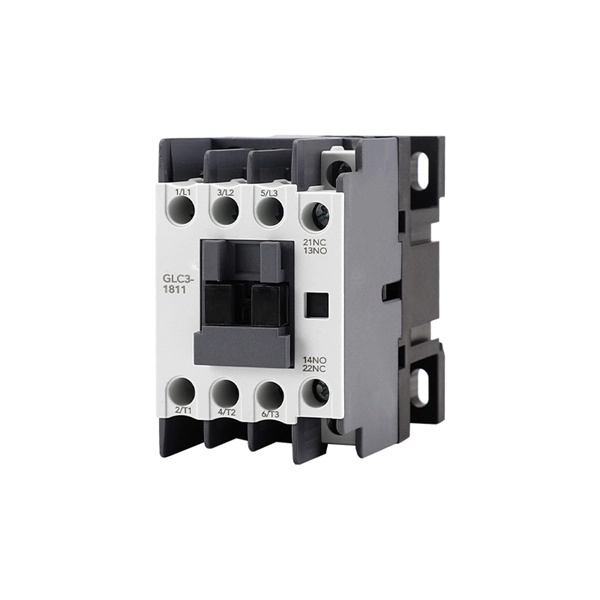
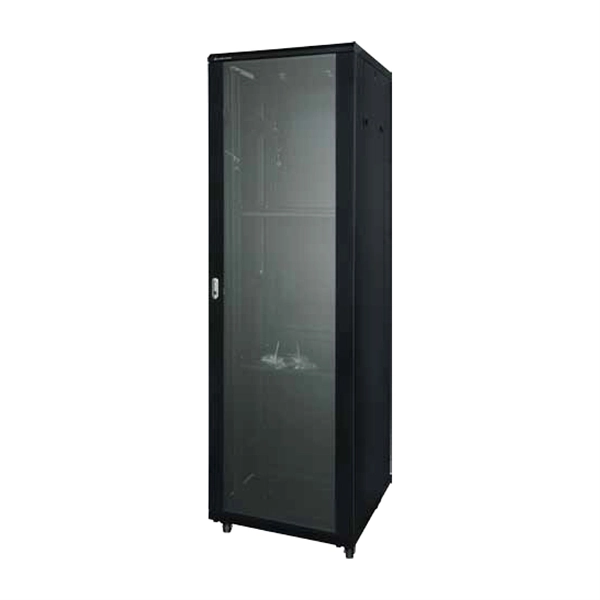
Open Frame Rack: A rack structure without doors or side panels, allowing easy access and better airflow. A data center server rack is the physical foundation of modern IT infrastructure, enabling the organized installation of servers, switches, PDUs, UPS systems, and structured cabling. There are three primary rack types - open-frame racks, enclosed cabinets, and wall-mount racks, each suited for. Understanding data center racks, chassis, and their differences is crucial for efficient server deployment. This guide clarifies common terminology confusion and design implications. Modern data center racks house multiple server chassis in standardized dimensions, enabling efficient space. IT racks are the backbone of any data center, housing critical infrastructure like servers, networking equipment, and storage devices. Whether you are designing a new setup or optimizing an existing one, understanding key IT rack terminologies is essential. This article provides an overview of the. A server rack, also known as a server cabinet, is a specialized metal frame structure designed to store and organize IT equipment. It supports hardware, enhances cooling, and ensures efficient power distribution. This guide covers everything you need for. Recommended (Suitable for all four classes; explore data center metrics in this paper for conditions outside this range. Classes A3, A4, B, and C are.
[PDF]
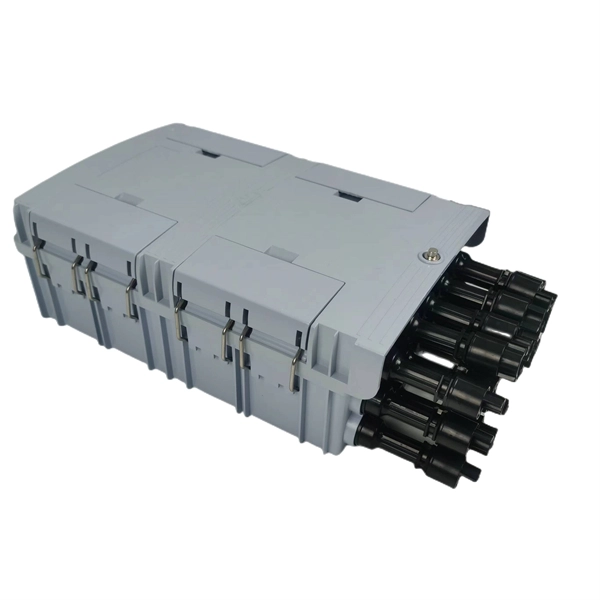
From 42u to 48u, our seismic server racks and cabinets can hold their own against the Earth. Need additional stability, consider adding optional bolts or brackets for reinforcement. NEBS GR 63-Core certified zone 4 cabinets for earthquake prone or areas subject to regular vibrations, such as airports, factories and high rise buildings. Solid sided construction, 2 pair of fully adjustable mounting rails, Seismic bolt down base with cable access holes, top panel with cable. Discover premium seismic racks at Server Racks Online, engineered to protect your critical equipment in earthquake-prone and high-vibration environments. Our seismic racks meet strict industry standards, offering robust construction and enhanced stability to safeguard IT, server, and network. SR42UBZ has been designed and tested to meet Telcordia GR-63-CORE Network Equipment & Building Systems (NEBS) requirements for Zone 4 Seismic Earthquake Environments. It is designed for secure, high density server and networking applications in IT environments that are earthquake prone or subject. EnviroGuard's Rack Series seismic flooded battery racks conform to UBC standards and are certified to meet IBC 2012 standards for essential facility applications. Designed with provisions. Emcor's seismic qualified enclosures are designed to meet or exceed the Telcordia NEBS Zone 4 testing objectives and earthquake requirements.
[PDF]
Server racks are not merely a solution for storing data, they help in constituting the core of security, organization, and efficient IT infrastructure. Businesses are making great use of data storage and seamless.
[PDF]
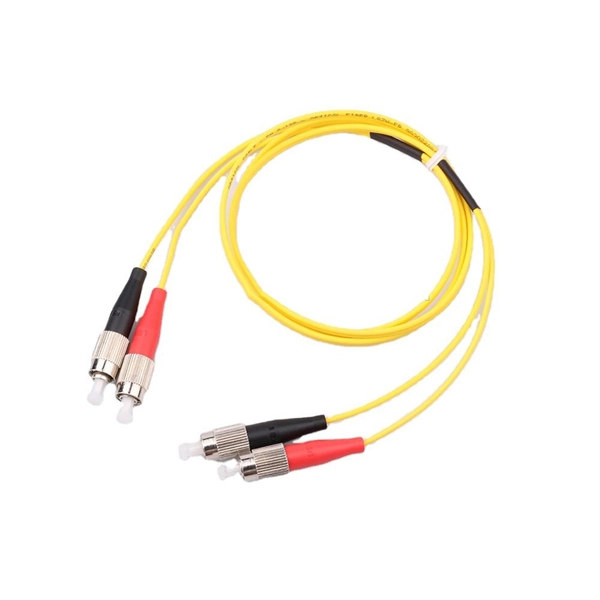
Air-based cooling is the most traditional and widely used method, relying on fans and air circulation to remove heat from server racks. Techniques like hot aisle/cold aisle configurations, where racks are arranged to separate hot and cold airflows, enhance the efficiency of. Keep your server rack cold by managing airflow effectively. Use blanking panels to cover empty spaces, arrange cables to keep airflow clear, use hot/cold aisle containment strategies, and employ rack mount cooling solutions like exhaust fans, vents, liquid cooling, or heat exchangers for the best. Server cooling presents challenges unique to the environment that a rack is in. Server racks are designed to help manage airflow and keep the temperature at operating specifications. Choosing the right type of fans and positioning them properly allows data center managers to bring cool air in from. Server racks can get hot fast. When the heat isn't managed well, it can slow down your servers, cause shutdowns, or even damage your equipment. Over time, this can lead to costly problems. In this guide, we'll explain why server rack cooling is important and show you how to keep your servers cool. Need Help Cooling a Hot Rack? Tripp Lite rack fans are designed for the needs of the IT department. With a variety of options available, you'll want to make certain the one you select offers efficient airflow and low noise levels. From the Tupavco Rack Mount Fans to the AC Infinity.
[PDF]
An Optical Distribution Frame (ODF) is a dedicated unit designed to organize, terminate, and interconnect fiber optic cables. It brings together fiber splicing, patching, and cable routing in a single structure, while shielding sensitive connectors and splices from mechanical. This complete guide explores everything you need to know about ODFs — from their structure, types, and key components, to installation best practices and modern design trends. Whether you're building a central office, data center, or FTTx distribution network, understanding the right ODF. An Optical Distribution Frame (ODF) is the central hub for fiber splicing, termination, patching, and cable protection in modern optical networks. Think of it as a big shelf where all your fiber cables come together, each tucked into a slot. The goal is to provide easy access, clear labeling, and fast repairs. This guide demystifies ODF, exploring their design, core functions, types, and how they.
[PDF]
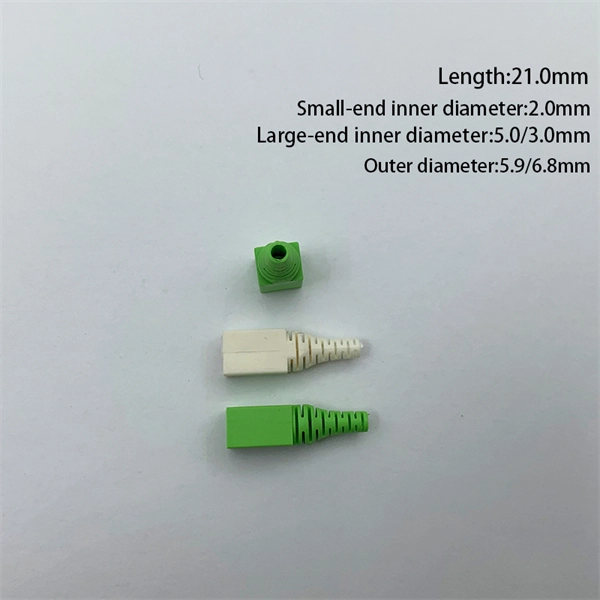
In the electrical wiring of buildings, a cable tray system is used to support insulated electrical cables used for power distribution, control, and communication. Cable trays are used as an alternative to open wiring or electrical conduit systems, and are commonly used for cable management in commercial and industrial construction. They are especially useful in situations. TypesSeveral types of tray are used in different applications. A solid-bottom tray provides the maximum protection to cables, but requires cutting the tray or using fittings to enter or exit cables. A deep, solid enclosure for cables i. Common cable trays are made of galvanized,, aluminum, or glass-fiber reinforced plastic. The material for a given application is chosen based on where it will be used. Galvanized tray may b. Combustible cable jackets may catch on fire and cable fires can thus spread along a cable tray within a structure. This is easily prevented through the use of fire-retardant cable jackets, or coatings applied to i.
[PDF]
Enefit has developed a new web-based map application that provides an overview of all addresses where it is possible to connect to a high-speed fibre optic internet network. The process of masterplanning is creating a comprehensive plan that outlines the overall strategy for designing and implementing the network. Permission planning is the process of obtaining the necessary permits and approvals from local and national government agencies in order to proceed with the. An Optical Distribution Frame (ODF) is the central hub for fiber splicing, termination, patching, and cable protection in modern optical networks. As data centers, enterprises, telecom operators, and smart-building infrastructures deploy increasingly dense fiber links, ODFs provide the structured. The production site in Tallinn, Estonia, is at the forefront of assembly, proudly standing as the largest fiber optic termination facility in the Baltic and Scandinavia.
[PDF]
With key (included) turn the Earth lock clockwise (Fig 1). The Earth cover will pop open. Take the Earth cable end connector (not included) and plug into the Earth socket. The Powersafe connectors are mechanically keyed to prevent connection errors. In this video, the entire power distribution box is removed including electrical connections on the bottom. Enjoy kind human being of planet Earth. As for the opening of the equipment and the connection, see PDU INSTALLATION MANUAL (downloaded from www. This manual is developed for the. duct, please dispose the pro ormal operation due to poor manufacture quality. A paid repair will be provided if the warranty period expires. For any damage due to one of the following situations, a paid repair duct, please dispose the pro ype, a “R” is added after the Specification. It takes power from one source and spreads it out. PDUs are very important for managing power well. They are used in places like data centers and server rooms. 6 Earthing of power distribution box (optional) position, or to the green display (2) (dependent on the protective element). Close the inspection window. Ensure all connections are tight and secure. Look for any signs of burnt or damaged wiring. Testing Test the grounding system.
[PDF]

Find out how you can install cable trays faster and easier with our innovative patented product Hermi® Fast Joint. In the video, you will be able to see a comparison between using Fast Joint or bolts and nuts to connect two cable trays. Article Summary: A compliant cable tray installation requires a thorough understanding of NEC Article 392, proper structural support, and precise installation techniques. This guide covers the critical steps, from selecting the right electrical cable tray and performing accurate cable fill. Whether you're building a commercial setup or upgrading an industrial plant, proper cable tray installation ensures neat wiring, safe access, and easy maintenance. But before you lay the first tray or clamp down a single cable, you need a solid plan. This guide breaks down the process step by step. Here is a step-by-step guide on how to install a standard metal cable tray system (e., ladder or perforated type). Before starting, ensure you have. In order to begin the job, trace a straight line where the trays will pass. This is most appropriately done using a laser level. It casts a clear light beam on the ceiling or wall that will enable an individual to determine whether the course is completely straight before any holes are drilled. The key requirements for cable tray installation include: Incorrect installation can lead to overheating, cable damage, or system failure.
[PDF]
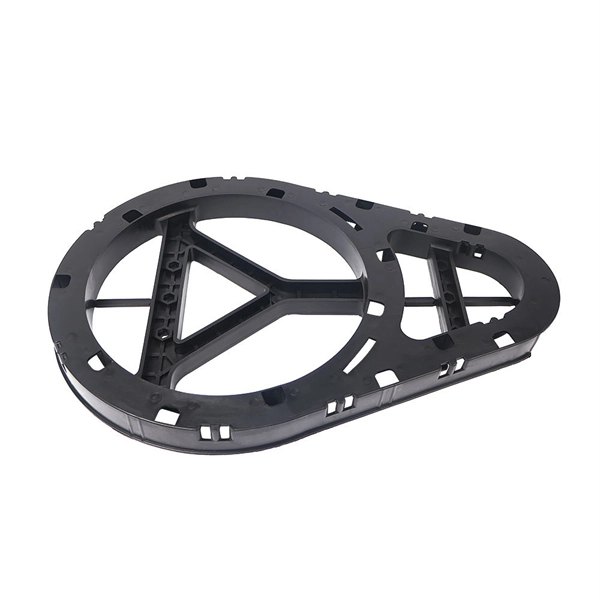
Cable management systems come in several types: raceways contain cables in rigid channels, horizontal managers segment connections at specific rack heights, vertical panels organize cables along the rack's length, and D-rings secure cables with minimal obstruction. Ready your network for the High Speed Migration CommScope offers a variety of easy-to-install frames, racks and cabinets specially engineered for network equipment and fiber cable management. Eaton offers cost-effective options for rack cable management (RCM-plus) for network closet and server applications. The RCM-plus solution provides greater network rack density with increased cable capacity. The RCM plus solution is designed to provide maximum network rack density and is available. Our vast selection of cabinets, thermal management, racks, enclosures for data centers, telecommunications equipment rooms, and enterprise cabling applications help optimize space, reduce energy consumption, and enhance network reliability. Each option has specific. It is a fully adjustable, ruggedized solution. There are a number of ways to attach the cable management arm to different types of equipment.
[PDF]