SAXONBURG, PA, October 28, 2025 (GLOBE NEWSWIRE) – Coherent Corp. (NYSE: COHR), a global leader in photonics, today announces the launch of its next generation polarization-maintaining optical fiber, engineered to deliver superior performance and reliability for the. SAXONBURG, PA, October 28, 2025 (GLOBE NEWSWIRE) – Coherent Corp. This advanced fiber is designed to. At the heart of this advanced technology lies Polarization maintaining fibe r —a specialized optical fiber engineered to preserve the polarization state of light, a capability that standard single-mode fibers lack. As coherent communications demand precise control over light's polarization to. Polarization maintaining (PM), all-fiber amplifiers offer the benefits of alignment free and environmentally stable operation. To achieve high output powers, particularly in pulsed operation, it is necessary to balance the need to reduce deleterious nonlinear effects, often through the use of large. tion assisted by digital signal processing (DSP). The objective of this tutorial chapter is to briefly review the operating principles of state-of-the-art ong-haul coherent optical communications systems. Due to limitations in space, it focuses mainly on coherent optical systems usin major.
[PDF]
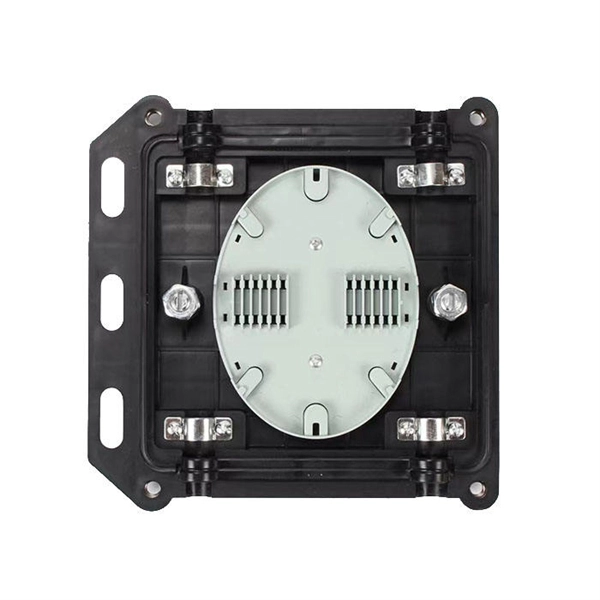
In this guide, you will find a chronological description of the fusion splicing process, the principal technical standards, and answers to the real-life questions network engineers and procurement teams may have. Splicing fiber optic cable is an extremely important phase for making dependable, high-speed communication infrastructures. Regardless of the type of fiber network you're deploying, be it for telecom, enterprise data centers, or smart city infrastructure, fusion splicing provides the benefits of. This is where fiber optic cable splicing—the process of creating a permanent, high-performance join between two fiber ends—becomes critical. For network managers and technicians, a poor splice can lead to significant signal degradation, network downtime, and costly troubleshooting. At Turn-Key. So in essence, fiber optic splicing is a process used to join two separate fiber optic cables together. There are numerous use cases for fiber optic splicing. Ensure Your Splicing Tools are Clean – #2. And tools used for fiber fusion: fusion splicer; fiber cleaver; cable stripper; fiber optic stripper; alcohol;. Splicing with fusion splicers, in particular, has become an attractive method to quickly and easily connect fiber optic fibers. Using the proper tool allows to connect the individual fibers of fiber optic cables extremely professionally. However, there are a few points to keep in mind during the.
[PDF]
This guide breaks down the five core components of a fiber optic cable — from the specification package to the actual installation considerations. You will also learn how different aspects of the product can affect budget and design. ■ The Five Key Parts of a Fiber . Fiber optic cables are designed to provide high-speed, no-signal-loss, and EMI-free communication in telecommunication, powergrid, datacenter, broadband, and industrial applications. Each optical cable is constructed using a precise combination of optical fibers, strength members, buffer tubes. How does 6W market outlook report help businesses in making decisions? 6W monitors the market across 60+ countries Globally, publishing an annual market outlook report that analyses trends, key drivers, Size, Volume, Revenue, opportunities, and market segments. The material composition determines the fiber's performance, including how far and how fast data can travel. The choice of material is an engineering decision driven by the need to. But are you wondering what materials fiber optic cables are made of? The most common materials are glass and plastic. To transmit information, a datalink converts an analog electronic signal—a telephone conversation or the output of a video camera—into digital pulses of laser light.
[PDF]
Even when splicing identical fibers together, if they are not perfectly aligned, optical power will be lost and attenuation across the splice will exist. The performance of a fiber optic splice is determined by a number of factors, including the quality of the fiber, the cleanliness of the splice, and the techniques used to make the splice. Intrinsic factors, such as the refractive index of the fiber, are those that are inherent to the fiber itself. Fiber optic cable splicing is the process of joining two fibers end-to-end to create a continuous optical path. In PON and FTTx networks (e., FTTH, FTTP, FTTM), splicing is essential for extending cables, repairing breaks, or connecting backbone and distribution lines. To protect these vulnerable. Fiber loss, also called fiber optic attenuation or attenuation loss, refers to the loss of signal between input and output. Losses can be introduced by various means such as intrinsic material absorption, scattering, bending, connector loss and more. The absorption is caused by the absorption of the light and conversion to heat by molecules in the glass. Primary absorbers are residual OH+ and dopants used to modify the refractive index of the glass. Unlike using connectors, which are designed for frequent connection and disconnection at patch panels, splicing creates a permanent, stable joint with minimal light loss. This process is fundamental to building and.
[PDF]
For oil and gas pipeline monitoring applications, this paper proposed a dual-parameter fusion distributed fiber optic sensor system that enables distributed temperature and distributed vibration measurements in a single fiber. Distributed Temperature Sensing (DTS) systems provide temperature information for accurate thermal monitoring, fire detection, and condition assessment by utilizing standard fiber optic cables. These fiber optic systems precisely measure the temperature profile of an asset by interpreting the. The Praetorian Fiber Optic Sensing System can be installed on a buried or unburied pipeline and can immediately detect pipeline leakage, ground disturbances, manual and machine excavation, theft, hot tapping and vehicle movement. Once detection occurs, the system alerts the operator or security personnel to the exact location of the disturbance in the pipeline. This type of real-time intelligent. Utilizing a distributed fiber optic temperature measurement system to monitor pipelines in real-time 24/7, comprehensively grasping the temperature signal changes of the pipeline. Through the fiber-scattering spectrum time domain detection combined.
[PDF]

Fiber optic switches utilize specialized ports such as XFP, SFP, CFP, SFP+, or QSFP+ to connect to fiber optic cables. These ports aren't directly compatible with the cables themselves; they require transceiver modules. SFP/SFP+ Modules: Small Form-factor Pluggable (SFP) modules are transceivers that connect the switch to the fiber optic cables. The choice between SFP and SFP+ depends on the network speed requirements, with SFP+ supporting higher speeds (up to 10 Gbps). Fiber Optic Patch Panels: These are used to. Choose an SFP module based on the fiber optic cabling that will be connected to the network switches. Always integrate duplex (two strand) fiber optic cabling or higher strand counts. The process requires understanding the type of fiber optic port on your switch and selecting the appropriate transceiver module. Always. I wish to connect (single mode) fibre optic cable to Fibre optic switch ( DIN-rail mounted) directly without using patchl panel or patch cords. I would also like to know what precautions should be taken during cable terminations. This is due to no or less space available for patch panels in my. The process of connecting fiber optic cables to network switches involves meticulous attention to detail and adherence to industry best practices to ensure reliable data transmission and seamless network connectivity. Before commencing the connection process, it is essential to ascertain the.
[PDF]
A 4-core fiber optic cable is a type of cable that contains four individual optical fibers within a single protective jacket. These fibers are used to transmit data as light signals, offering high-speed data transfer capabilities over long distances with minimal loss. This guide covers everything you need to know about 4 core fiber, including its internal structure, TIA standard color coding, and how to choose the right type. They are used to connect final user to FTTH or GPON line. Jera is a direct manufacturer who supply a wide range product for. This cable can be used for LAN and WAN backbones, telecom access lines, fibre to business and fibre to the building or the homme connections. It is equally suited for installation in ducts and on trays. This cable features a 0. 15mm corrugated steel armour which makes it rodent proof. OM3 and higher. A TOSLINK optical fiber cable with a clear jacket. What is a 4 Core Optical Cable? A 4 Core Optical Cable is a fiber optic cable that contains four individual optical fibers within a single. Unlike copper wires, which are limited by lower data transmission speeds, shorter transmission distances, and higher susceptibility to electromagnetic interference, fiber optic cables offer unparalleled performance and can cover much greater distances without bumping up against signal degradation.
[PDF]
It can also be used to replace existing ground wires in old overhead high-voltage transmission systems, add optical communication lines, conduct short-circuit currents, and provide lightning protection. Special structures can be customized according to user needs. IEC. Optical fiber composite overhead ground wire (OPGW) 1. Application OPGW is mainly applied in communication line of newly constructed high voltage transmit electricity system with 35 KV or above, or replacement of existing ground wire of previous overhead high voltage transmit electricity system. worldwide quality standards. Prysmian has a built-in multi-step quality assurance programme, which covers the entire production process from cable design and raw materials purchasing, to final inspecti tion for any single project. Optical Ground Wire (OPGW) cables are advanced composite overhead conductors that combine the functions of a ground wire and optical fiber communication within a single integrated solution. Installed at the top of high-voltage and. Fibre Optic Overhead Group Wire Optical Ground Wire (OPGW) is used in power utility for dual function as a ground or static wire and a path for transmission of voice, video or data signals through optical fibres allowing for fast, reliable and cost effective installations. It is mainly used for communication lines of 110kV, 220kV, 500kV, 750kV and newly built overhead high-voltage.
[PDF]
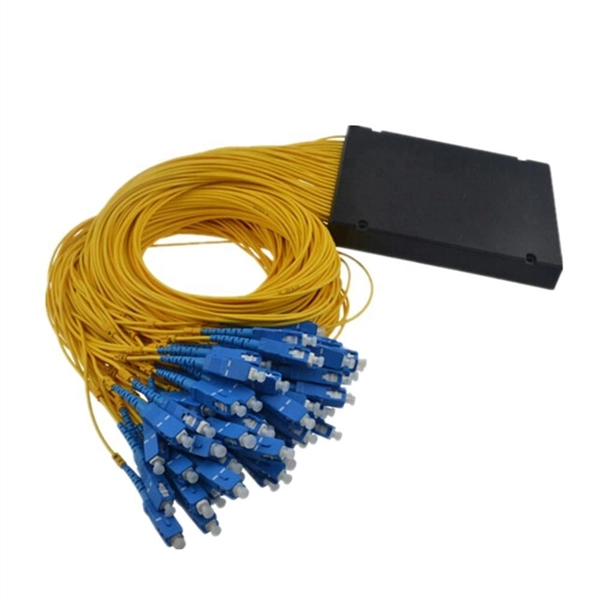
This step-by-step guide aims to provide a comprehensive understanding of the techniques and considerations involved in successfully connecting optical fibers, offering invaluable insights for professionals and enthusiasts in the field. In high-speed data networks, the seamless integration of fiber optic cables with SFP (Small Form-Factor Pluggable) modules is critical for reliable signal transmission. SFP transceivers bridge electrical and optical signals, making them indispensable in data centers, telecom networks, and. Proper connection of fiber optic cables is essential to harness these benefits fully, as even minor errors can lead to significant performance issues like signal loss. This article will guide you through the necessary tools, materials, and methods on how to connect fiber optic cables effectively. This section describes how to install optical transceivers on the SFP or SFP+ ports and connect them to the ports of the peer device using optical fibers according to the network plan. The USG supports both 1 Gbit/s, 10 Gbit/s, and 40 Gbit/s optical modules. The optical modules at both ends are. There are many types of fiber optic connectors, including SC, LC, FC, ST, D4, MU, MT/MPO, etc. These connectors can be divided into single-mode and multi-mode fiber optic connectors according to their structure and purpose. In this tutorial.
[PDF]
ExxonMobil Guyana's fibre optic cable has landed, Guyana Vice President Bharrat Jagdeo said during a December 28 press conference. Ongoing construction of an offshore command centre at Ogle, East Coast Demerara, is expected to conclude this year. Prime Minister Bridgadier (Ret'd) Mark Phillips commissioned a new multi-billion-dollar direct submarine fibre-optic cable, marking a historic moment for the region and closing the long-standing digital gap between the coastland and the hinterland. The milestone ushers in gigabit-speed. ENet has completed a transformative multibillion dollar telecommunications project, landing the first ever direct submarine fiber‑optic cable to Bartica. This pioneering investment brings state-of-the-art fiber connectivity and 5G mobile service to the hinterland town, connecting Bartica directly. – PM Phillips says no region will be left behind in Guyana's digital transformation IN a ground-breaking development for Guyana's hinterland connectivity, Prime Minister Brigadier (Ret'd) Mark Phillips on Wednesday hailed the commissioning of the first-ever direct submarine fibre-optic cable to. Prime Minister Brigadier (Ret'd) the Honourable Mark Phillips hailed the commissioning of the first direct submarine fibre-optic cable to Bartica as a transformative development that brings the hinterland town in line with the capital city's digital capabilities. Speaking at the commissioning.
[PDF]
Fiber optic "cable" refers to the complete assembly of fibers, other internal parts like buffer tubes, ripcords, stiffeners, strength members all included inside an outer protective covering called the jacket. Cable provides protection for the optical fiber or fibers within it appropriate for the environment in which it is installed. You will also learn how different aspects of the product can affect budget and design. ■ The Five Key Parts of a Fiber Optic Cable A fiber optic cable. A fiber optic cable consists of five basic components: the core, the cladding, the coating, the strengthening fibers, and the cable jacket. When searching for a fiber optic cable, we need to pay attention not only to the connectors, such as SC to ST fiber cable, LC to SC fiber patch cable, or SC to. A TOSLINK optical fiber cable with a clear jacket. These cables are used mainly for digital audio connections between devices. This advanced cabling solution allows fast, secure data transfer and telecom over long distances. Understanding the components within a fiber optic cable enables. While fiber optic cable itself is cheaper than an equivalent length of copper cable, fiber optic cable connectors and the equipment needed to install them have typically been more expensive than their copper counterparts.
[PDF]
Merriam-Webster defines it as a “humorous internet slang term” meaning “to outclass,” typically used to describe someone as far more attractive than another. While forecasts are more uncertain in the spring and the strength of the upcoming warming phase remains very uncertain, NOAA is forecasting a 1-in-3 chance of a super El Niño by October, November and December. A super El Niño is defined as water temperatures being at least 2°C above average over. At its core, “mogging” is about comparison: when one person significantly outshines another in looks, physique, or even life status. Being “mogged,” on the other hand, means being on the losing end of that comparison. However, it does have some meaning depending on how it is used. Teens will often say 67 while making a hand gesture as if they're weighing things on a balance. Saying 67 with that hand gesture can mean “so-so” or “about”, but the emote can. While “SYBAU” sounds like the name of a luxury car or some new technology software, it's far from that. ICYMI, “SYBAU” is a Gen Z internet slang term that's popping up all over social media. Whether it's used in the caption of a TikTok, plastered in the comment section, or sent to you by your.
[PDF]
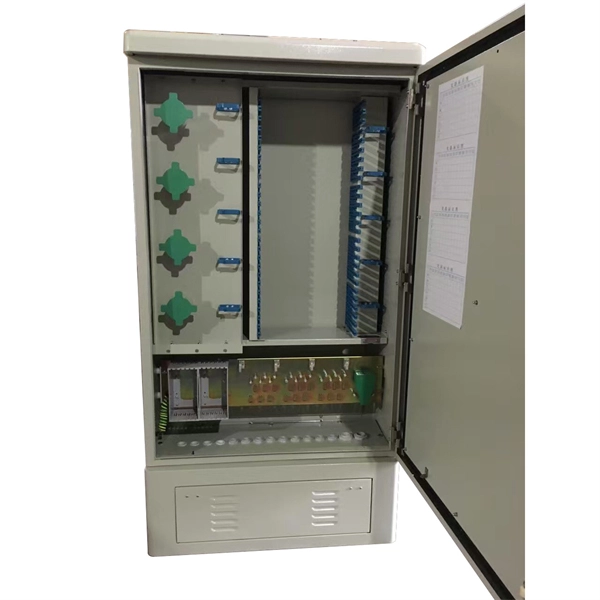
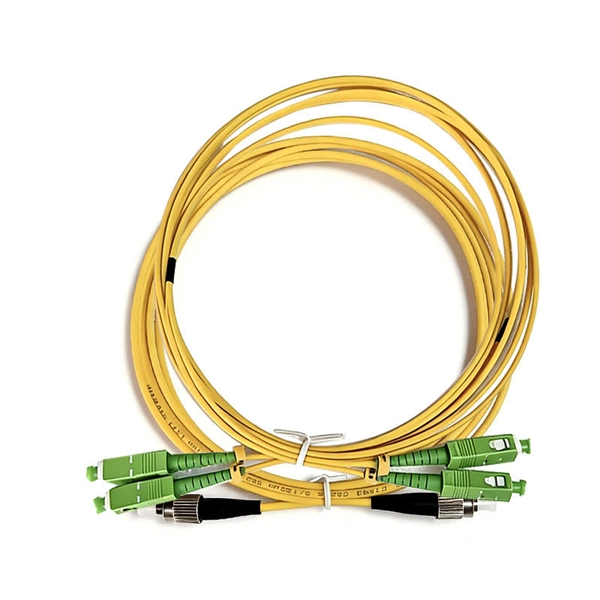
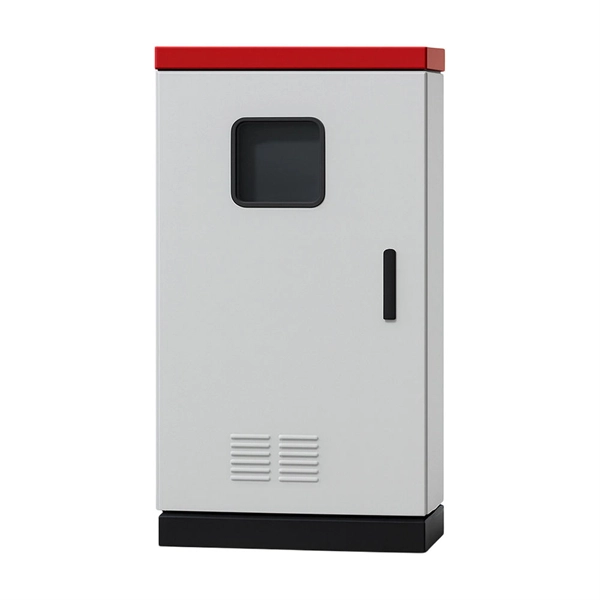
After an optical cable arrives at the user's end, it is fixed in the terminal box. Then, the optical cable core and pigtail are welded in the terminal box. These boxes are similar to MDF in telephone exchange.
[PDF]
This simple step resolves many issues with sfp optical transceivers in access switches and core routers. Test with a known-good module or patch cable. If the issue persists, suspect either the switch port or external fiber path. Read TX/RX power, bias current, voltage, and. Optical transceivers play a crucial role in modern data communication networks, enabling the transmission and reception of optical signals across fiber-optic cables. However, like any other electronic component, optical transceivers can encounter issues that may affect network performance. This guide. This guide provides a deep technical overview of how to troubleshoot sfp optical transceivers and other optical transceivers module types effectively in 2025. These compact devices convert electrical signals to optical signals and vice versa, enabling data transmission over fiber optic cables. We'll discuss how to identify the issue, possible causes of optical transceiver issues, troubleshooting steps, and. Have you ever experienced an unexpected network outage due to the failure of an SFP/SFP+ optical transceiver? Network outages can bring your ability to communicate and work to a halt, and your IT team will likely be frantically looking for a solution. It is important to understand how to.
[PDF]
The majority of high-performance telecommunications fibers are manufactured using ultra-pure silica glass, which is silicon dioxide ($text {SiO}_2$). This material forms the two fundamental components of the fiber: the inner Core and the surrounding Cladding. An optical fiber, or optical fibre, is a flexible glass or plastic fiber that can transmit light from one end to the other. To ensure the light signal remains. Single-mode fiber is made from a super-thin fiber core of glass or plastic, through which only one ray of light can travel at a time. This makes it ideal for long-distance data transmission, as there is very little signal loss over distance. However, single-mode fiber requires specialized equipment. Fiber optic cables are made up of a core, cladding, and protective layers, with materials chosen based on the application requirements. What is an optical fiber? It's more than just a piece of glass or. An optical fiber is a single, hair-fine filament drawn from molten silica glass. These fibers are replacing metal wire as the transmission medium in high-speed, high-capacity communications systems that convert information into light, which is then transmitted via fiber optic cable.
[PDF]