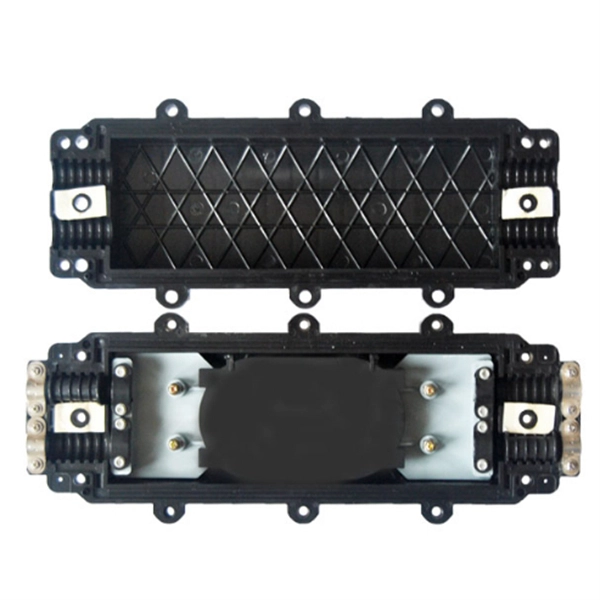
They shield 72 fragile optical fibers from harsh elements. Internal trays organize 4 cable ends for safe routing. Each closure offers 99. 9% protection against water. Additionally, the enclosure is crush-resistant, designed for 16 splice holders. They withstand temperatures of 176. Fiber optic splicing is a foundational process that directly dictates the performance and reliability of data transmission. The goal is to create a connection so precise that it minimizes signal loss and reflection. Two primary methods exist:. This guide is written to provide a complete and engineering-oriented understanding of fiber optic splice closures—from basic concepts and. A splice box (also known as splice distributor) is a housing in which fiber optic cables begin or end. The main components of a splice box are the splice cassette that picks up the fibers and. All product-related documents, such as certificates, declarations of conformity, etc., which were issued prior to the conversion under the name Pepperl+Fuchs GmbH or Pepperl+Fuchs AG, also apply to Pepperl+Fuchs SE. The fiber optic dome splice closure is well-suited for splicing, distributing variable optical cables, and splitting. The solid box shell and the main structure are built to withstand harsh environments. The dome closure also protects fiber optic cables from vibration, impact, stretching, twisting.
[PDF]
Fiber optic splicing metal box for 8 adaptors SC simplex, LC duplex or E2000. Wall mounting enabled. All products' documentation is published in PDF (Portable Document Format), which requires Adobe Reader (ver. 5 and newer) software for viewing. Though we pay utmost attention, we cannot guarantee. Every payment you make on Alibaba. com is secured with strict SSL encryption and PCI DSS data protection protocols Claim a refund if your order doesn't ship, is missing, or arrives with product issues. The HAILE 8 Optical Fiber Termination Box P1-8-FC is an essential fiber optic distribution frame designed to manage and protect fiber optic cables in various networking environments. This termination box is equipped with 8 ports that support FC connectors, making it ideal for high-performance. Fiberlink provides fiber optic splice box products for FTTH solution, including fiber terminal box, fiber splice enclosure, optical distribution box. FBR-11607 Fiber-Optic Distribution Box, 8-Core is a high quality product by Bud Industries used for electronic enclosure applications.
[PDF]
OPGW cable joint box installation involves several key stages: selecting the appropriate location, preparing both the cable and the joint box, splicing fibers, and sealing the joint box properly. Adhering to these steps ensures optimal performance and longevity of the telecommunications system. Optical fiber junction boxes are essential components in outdoor optical fiber cable installations. In this article, we will discuss the necessary steps and best practices. The Indoor/Outdoor Splice Box is a wall-mounted, indoor/outdoor fiber splice enclosure for centralized splice-only applications. These boxes are well suited as optical cable splice collection points for MDU (Multi-Dwelling Unit) residential fiber network applications, MTU (Multi-Tenant Unit). The installation of an optical cable junction box is crucial in ensuring the integrity and performance of optical networks. As we enter 2024, adhering to best practices not only enhances system reliability but also mitigates potential issues that can affect customer experiences. Installing a fiber optic splice closure efficiently and effectively requires attention to detail and. AFL's SB01 splice enclosure provides protection from all types of elements. From weather to bullets, the iron and steel construction requires no additional protective covering. Furnished with four plugged cable ports (2 aluminum and 2 plastic) for either All-Dielectric Self-Supporting (ADSS) or.
[PDF]
The core principle of fiber optic splicing is to achieve low-loss, high-strength junctions between fiber ends. This involves three key steps: preparation, alignment, and bonding. Let's break it down technically:. At the core of this system's precision and reliability are Fiber Optic Splice Boxes—the unsung heroes that house and protect the delicate junctions where fiber cables are joined. The integrity of these enclosures is paramount to network performance. This guide optimizes the original text by delving. A splice box (also known as splice distributor) is a housing in which fiber optic cables begin or end. Key Functions Typical Applications ZION FTB Highlights In essence: The Fiber Terminal Box is an end-user termination device for small-scale distribution. ■ What Is a Fiber. Fiber optic cables are the lifeline of modern telecommunications, delivering high-speed data with minimal loss. However, installing and maintaining these networks requires seamless connections between fiber segments—a process known as fiber optic splicing. Understanding how it works is essential for anyone interested in telecommunications or network infrastructure. Essential for mending faults or scaling networks, splicing underpins the backbone of contemporary communications. In this comprehensive guide.
[PDF]
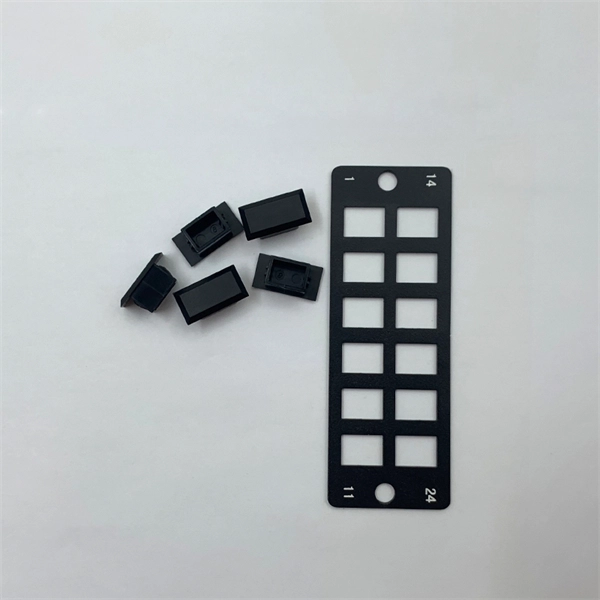
A splice box (also known as splice distributor) is a housing in which fiber optic cables begin or end. Fiber optics are fanned out in splice boxes that are situated at the end of fiber optic transmission paths. It typically consists of two parts: an outer housing and an internal structure. The main components of a splice box are the splice cassette that picks up the fibers and. The fiber optic dome splice closure is well-suited for splicing, distributing variable optical cables, and splitting. The solid box shell and the main structure are built to withstand harsh environments. The dome closure also protects fiber optic cables from vibration, impact, stretching, twisting. Home » Professional Insights » Fiber Optic Splice Closure: A Complete Guide to Types, Structure, Applications, and Selection In real fiber optic networks, cables are rarely installed as one continuous, uninterrupted length. Along transmission routes—whether in access networks, metro networks, or. Big space for managing pigtails or splitters. The 12 Port Fiber Distribution Box can connect up to 2 optical cables, providing space for distributors and 12 fuses. It is equipped with 12 SC adapters and can work in outdoor environments. Data communication networks. Horizontal fiber optic splice closures, also known as optical cable splice boxes, play an important role in the communications industry. It is a must-have device in the construction of optical cable line projects.
[PDF]
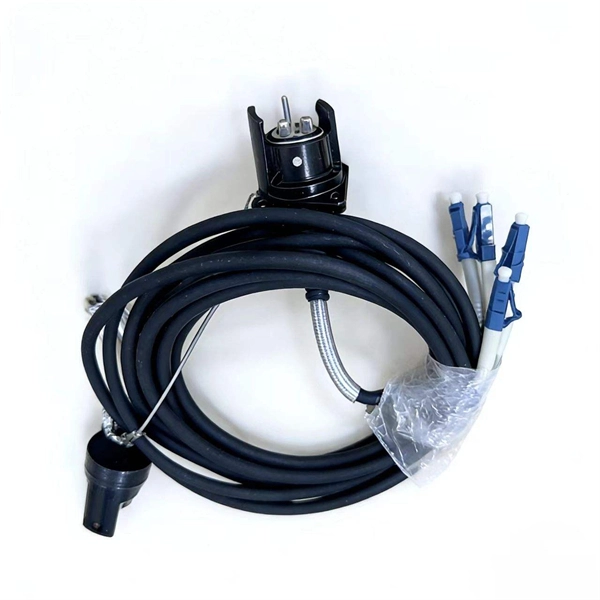
This involves splicing the fiber drop cable to the fiber optic termination box, which is usually located on the outside of your house. Next, use a fusion splicer to splice the cable to the connector . For the Corning FASTACCESS fiber optic cable, I will show you how to remove the jacket and prep the cable for terminations. Think of it as the equivalent of connecting the dots in a complex puzzle; without proper termination, the whole system can break down. The fiber termination box is an interface between the fiber cable from the line side and the pigtails to be passed to the fiber distribution frame. A fiber pigtail is a specific hardware connection used for cable termination. Thus, a fiber termination box is used to terminate the optical fiber. Work with our experts to build the best solution for your environment. Our team will make sure the configuration is tailored to your needs and will provide a detailed quote. Email us using the Request a Quote below, or give our team a call. Additionally, you will need a fiber optic termination box, a drop cable, a messenger wire, and various connectors, including SC/APC, LC/APC, or ST/APC connectors, depending on your service provider. It is imperative that certain procedures be followed in the handling of these cables to avoid damage and/or limiting their usefulness. The information contained in this manual should serve as a guide to proper.
[PDF]
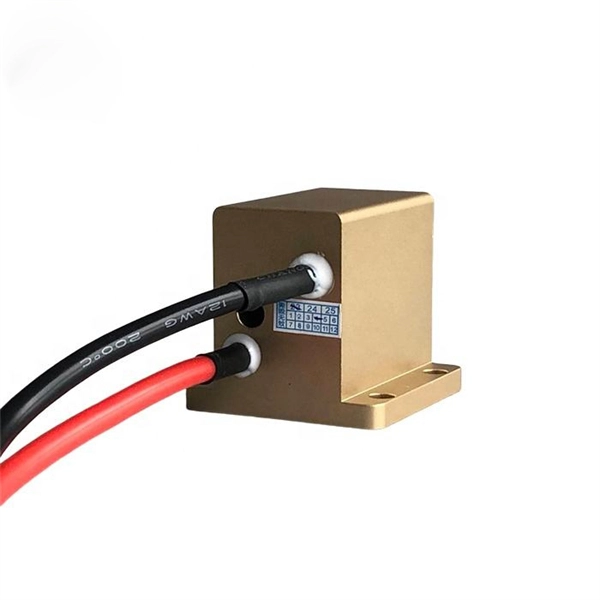
There are temporary splices that use a sleeve and index matching jell but they are expensive and if you don't prepare the fibre ends properly they won't work anyway. The correct fix will probably be a Field Tech with a fusion splicer and cleaver which is thousands of dollars worth. The most detailed cold splicing prodcedures for broken fiber optic cable. You can source the fiber optic cables or other cabling products from the manufacturer supplier at factory prices on site: https://www. more The most detailed cold splicing prodcedures for broken. Fiber optic joints or terminations are made two ways: 1) splices which create a permanent joint between the two fibers or 2) connectors that mate two fibers to create a temporary joint and/or connect the fiber to a piece of network gear. Either joining method must have three primary characteristics. Before splicing or connecting, clean the stripped and cleaved fiber ends using alcohol and lint-free wipes to remove dust, oil, or other contaminants. Clean fiber ends ensure low-loss, reliable connections. For network managers and technicians, a poor splice can lead to significant signal degradation, network downtime, and costly troubleshooting. At Turn-Key. Whether you are building a new backbone, restoring service after damage, or upgrading an existing route, disciplined fiber optic splicing techniques determine signal integrity, longevity, and operational uptime. These terminations must be of the right style, installed in a.
[PDF]
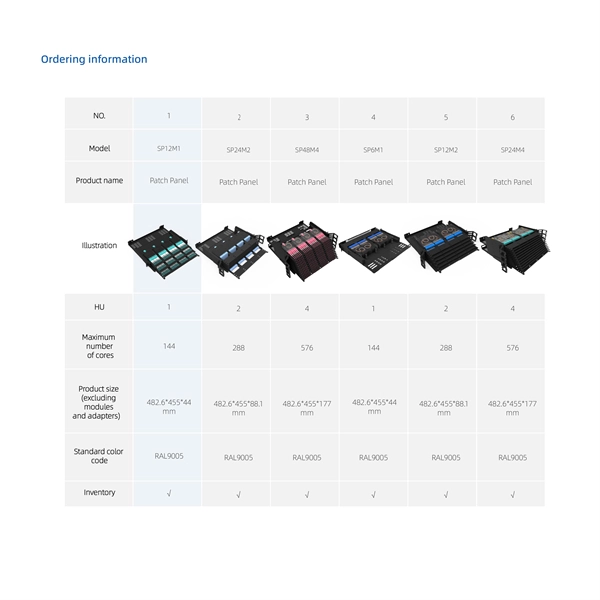
This AutoCAD DWG file shows a detailed layout for a fiber distribution terminal. It covers cable management, component positioning, and network planning, providing a clear guide for engineers and designers to implement organized and efficient fiber optic systems. For network planners and telecommunication engineers, the 24-Core Fiber Optic Distribution Box (FDB) is a foundational component in Fibre-to-the-X (FTTx) network deployment. MechStream is excited to offer the definitive drawing of this high-capacity distribution hub as a vital free download. This. Download CAD block in DWG. Fiber optic network design (896. 83 KB). Search by part number or description such as CAT5, CAT6, OSP, etc. Sort by any of the table headers. Use the drop down menu to filter by product category and type. Sort by any. 24T Fiber Optic Patch Panel AutoCAD Block AutoCAD drawing featuring detailed plan and elevation views. AutoCAD drawing featuring detailed plan and elevation views of a 24T Fiber Optic Patch Panel. This exclusive resource, alternatively recognized as a fiber distribution panel or optical. Fiber optic distribution in a metrobus station. Already Subscribed? Free download Optical fiber in DWG format or CAD block.
[PDF]
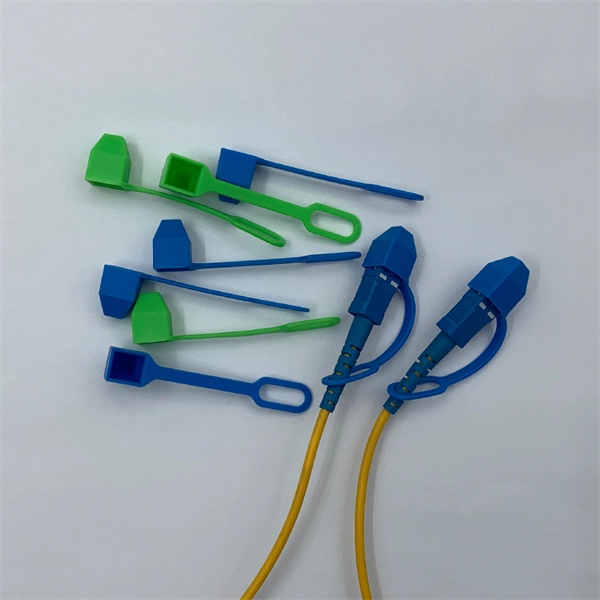
One important component is the outer jacket of the cable. Outer jackets can be made from a number of materials, and generally speaking, the jacket materials can work with any fiber cable type. That means that choosing the right cable jacket is often. This article explains the differences between LSZH, HDPE, and LDPE cable sheaths, and how to select the right option based on real deployment conditions. What Is a Cable Sheath and Why It Matters 🔍 The cable sheath is the outer protective layer of a fiber optic cable. So the material of the fiber optic cable outer sheath must be able to withstand the sun and rain, and not crack due to ultraviolet radiation. Structurally, a fiber cable comprises the core, cladding, coating, strength member, and outer jacket. The fiber jacket protects against moisture, UV exposure, chemicals, and mechanical abrasion. At the same time, it must have. An optical fiber cable is composed of many strands of coated glass optical fibers. Optical fibers are extremely thin strands of ultra-pure glass designed to transmit light signals from a transmitter to a receiver. These light signals represent encoded electrical signals that include video, audio.
[PDF]
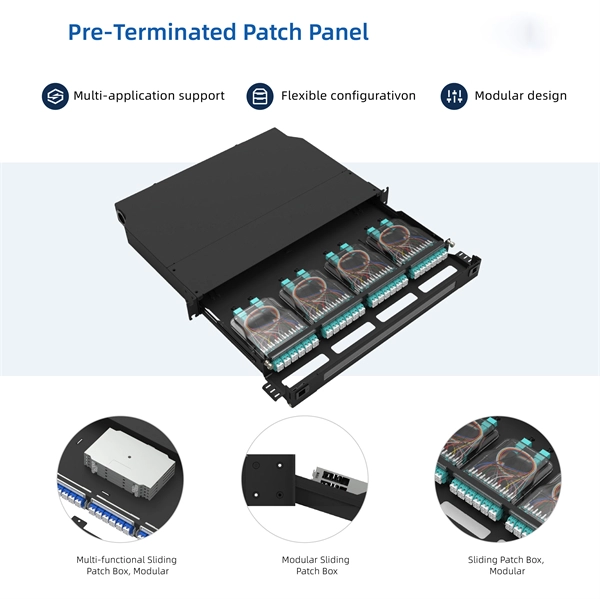
Home and business fiber optics projects typically range from a few hundred to several thousand dollars, depending on run length, fiber type, and labor needs. The main cost drivers are materials, installation time, and environmental factors that affect trenching, conduit, and terminations. The installation type you choose and the layout of your property determine the total labor and materials needed for your project. You should account for permit. The initial cost of installing fiber optic cables can vary depending on the chosen installation method and specific project requirements. Total Project Costs: For commercial installations, expect costs ranging from $5,000 to $20,000 per mile for underground projects and from $40,000 to $60,000 per. Quick Answer: How Much Does It Cost to Install Fiber Optic Cable? The cost to install fiber optic cable ranges from $1. 50 to $42 per foot, with installation costs accounting for 60-80% of total project expenses. According to the Fiber Broadband Association's 2025 report, median costs are $8 per. The reality is terminating copper and terminating fiber are very different. The fee is almost entirely what it cost to visit your house. ATT likely loses money on the interaction. Hi u/GalacticKirby, we'd be glad to address your inquiry about moving your ONT. This comprehensive guide breaks down the factors influencing pricing, average expenses, and tips to get the best value in 2025.
[PDF]
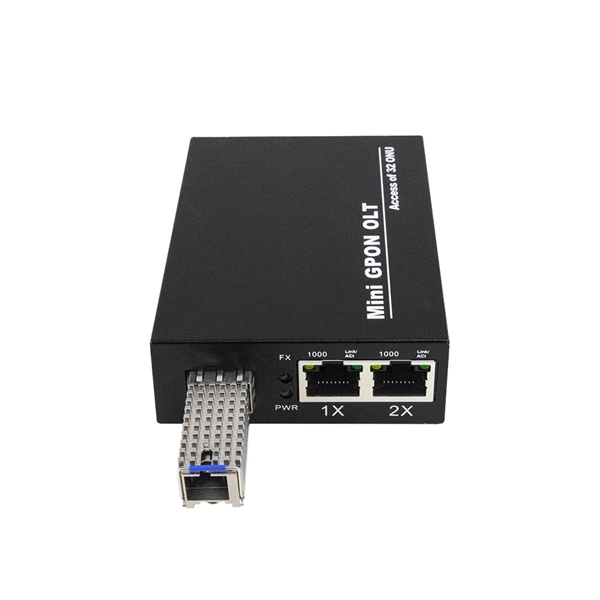
Optical fiber cold splice technology is based on the use of mechanical connectors to join two fiber-optic cables. These connectors are designed to align and join the fibers together in a precise and secure manner. This guide covers everything: what fiber optic pigtails are, how they differ from patch cords, which connector and polish type to specify, how to choose between mechanical and fusion splicing, and the real-world applications where pigtails are the right call. The connectors used in cold. Most fibers can be mechanically stripped without the aid of chemicals or heat. The recommended cleaning solvent for connectors and tools is isopropyl alcohol (reagent grade, 99% or beter). Do not use acetone for cleaning. They directly affect insertion loss, return loss, reliability, and long-term network stability. In this guide, we break down the most common optical fiber. In this beginner-friendly guide, we'll explain what it is, why the “APC” matters, the different types you can buy, how to select the right model, and how to install and test it correctly. What is an SC/APC Fiber Optic Adapter? An SC/APC fiber optic adapter is a passive mechanical interface used to. FASTConnect® field-installable connectors are factory pre-polished connectors that completely eliminate the need for hand polishing in the field. Proven mechanical splice technology ensuring precision fiber alignment, a factory pre-cleaved fiber stub and a proprietary index-matching gel combine to.
[PDF]
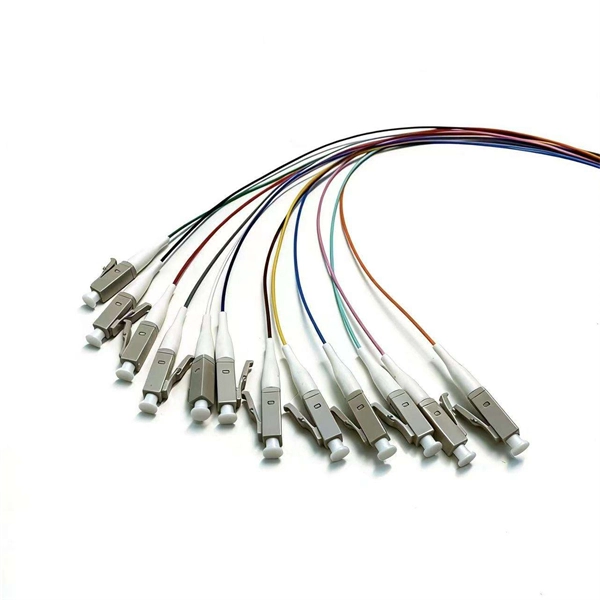
The junction box supports, organizes, and protects optical fibers while ensuring their minimum bending radius is not exceeded. It's rated IP65 and provides entry for all cables, including number tags for tube and fiber identification. No reviews yet Certificates:CE,. Customized logo (+ from +$0/piece/Min. order: 100 pieces). Glenair manufactures and supplies fiber optic junction boxes incorporating backshells, fiber media protection conduit, and electrical and optical connectors in both catalog and Mil-Spec variants. The offering includes turnkey fiber media routing and termination with Glenair signature connectors and. Outdoor Fiber Optic Distribution Box is widely used as a termination point for feeder cable to connect with drop cable. The fiber splicing,splitting, distribution can be done in this box,and meanwhile it provides solid protection and menagemant for FTTX network. Can be used indoor or outdoor. ABS. The ADSS/OPGW Metal Junction Box, also known as a splicing box or Metal Joint Junction Box, is designed to house fiber core splices for outdoor intermediate optical cables. It connects trunk cables like OPGW to patch panels in control rooms. The FDB-48 is suitable for indoor or outdoor FTTX applications that support up to 48.
[PDF]
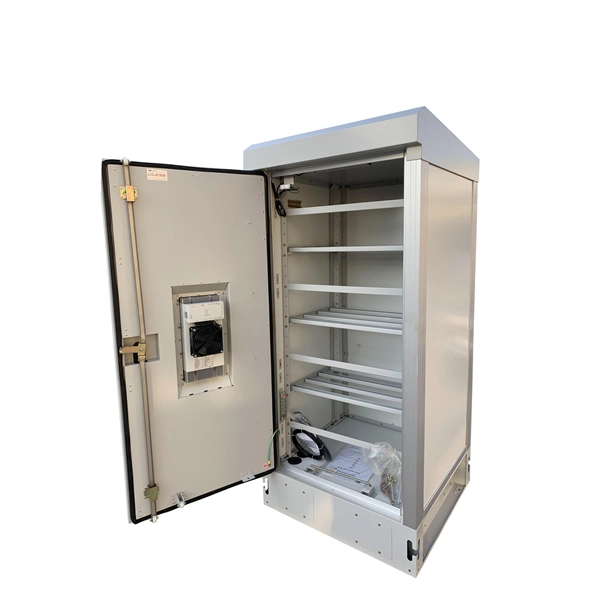
IEC 62790:2020 describes safety requirements, constructional requirements and tests for junction boxes up to 1 500 V DC for use on photovoltaic modules in accordance with class II of IEC 61140:2016. This document applies also to enclosures mounted on PV-modules containing electronic circuits for. The International Electrotechnical Commission (IEC) is the leading global organization that prepares and publishes International Standards for all electrical, electronic and related technologies. The technical content of IEC publications is kept under constant review by the IEC. Please make sure. Photovoltaic (PV) modules and components are products which have to withstand the diverse effects of extreme conditions during their lifetime. The wide range of climatic conditions and possible mechanical stresses must be taken into account when designing a PV component. Displaying title 46, up to date as of 5/07/2026. Choosing an item from citations and headings will bring you directly to the content.
[PDF]
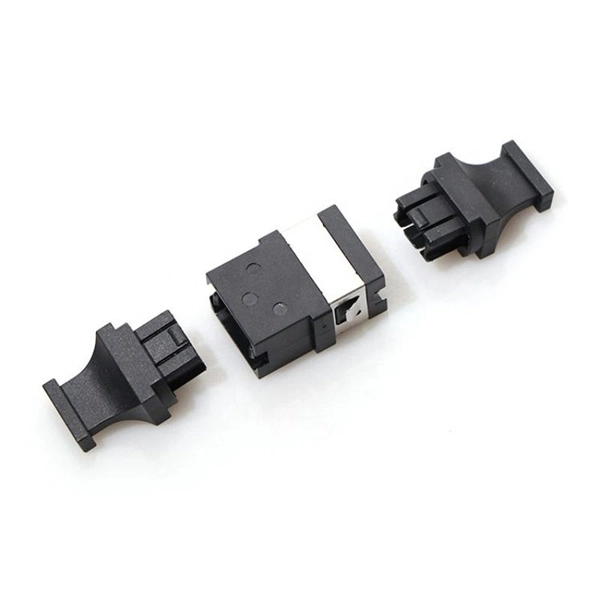
Mechanical splicing is a method of connecting two optical fibers without using heat or a fusion machine. Instead, it uses a small plastic or metal device to hold the fiber ends tightly together. A special index-matching gel is often used inside the splice to help light pass through the connection. You can manually splice the fiber patch cord with the help of the Procedure shown in the video. Now you can splice your patch cord. For network managers and technicians, a poor splice can lead to significant signal degradation, network downtime, and costly troubleshooting. At Turn-Key. This wikiHow article teaches the process of manually splicing patch cords and fusion splicing two fiber optic strands together in an 11-step process. The video also demonstrates how to fix a cut or. Fiber cable splicing is a critical step in building reliable fiber optic networks. Whether in data centers, telecom rooms, or outdoor FTTx deployments, proper splicing inside a fiber enclosure ensures low signal loss, long-term stability, and easy maintenance. This guide explains what fiber cable. In this guide, we cover the basics of fiber optic splicing, how to perform splicing using two different methods, and finally some best practices to perform good fiber splicing. What is Fiber Optic Splicing and Why is it Needed? – #1. Use and Maintain Your.
[PDF]
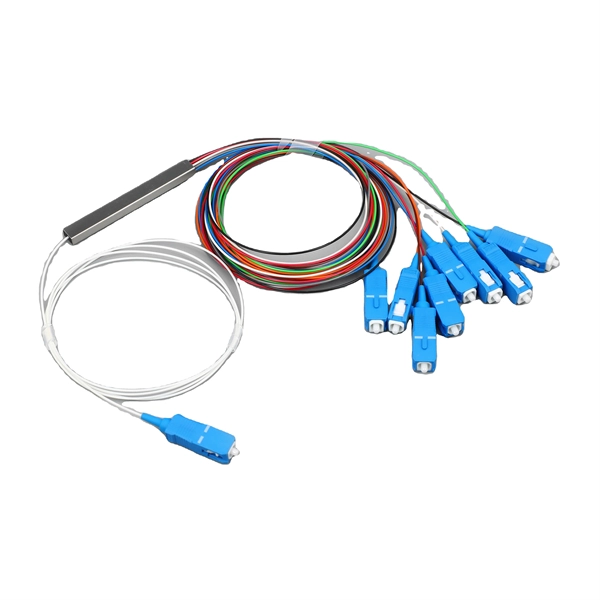
This video provides a step-by-step guide on how to efficiently install optical splitter into a fiber terminal box, demonstrating a professional and reliable deployment for optical distribution network solution ( https://www. com/c/optical-distribu. We'll also share tips to minimize signal loss and ensure optimal performance. What Is a Splitter and Why Cascade Them? A splitter divides a single input signal into. When employing the first-level splitting method in a residential network, optical splitters offer flexibility for indoor or outdoor installation. Indoor options encompass locations like the community's central computer room, building's weak current well, or floor wiring box. Optical cables can be. If you have fiber optic cable inside your home, it is possible to install a cable into the home input then split the signal so you can connect the signal to two different television hookups. Insert one end of the fiber optic cable into the "In" port accessible through your wall. The splitter box contains a splitter, which is a passive optical device that divides the incoming light signal. How to install and use fiber optic cable splitter? In fact, the installation of the fiber optic cable splitter is very simple, because it is already a cable terminal product, mainly to see whether it is with a fiber connectors or not, and the packaging type. For example, plc splitter without.
[PDF]