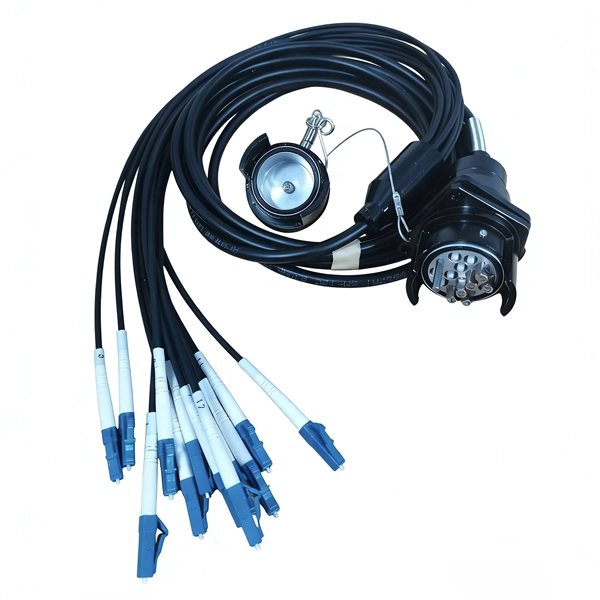
Drawing on IEC standards and industry research data, it outlines the coverage of mainstream outdoor fiber optic cable types, selection criteria, and best practices for installation, providing a systematic reference for outdoor fiber optic cable deployment. This document serves as a guide for outdoor fiber optic cable selection and installation for professionals in the telecommunications industry. Fiber optic cables for outdoor applications are engineered to withstand the more demanding conditions seen outside, from environmental extremes to mechanical forces. These are the outdoor fiber optic cables you see strung along telephone poles (aerial), installed inside an underground duct, or even. Outdoor fiber optic cables transport data and communications signals over long distances while enduring extreme environments. Whether you're linking buildings, running broadband in rural areas, or building 5G infrastructure, the right cable matters. It affects performance, maintenance, cost, and reliability. Our team will make sure the configuration is tailored to your needs and will provide a detailed quote. Email us using the Request a Quote below, or. hing, conduit and temp rature variations. The Outside Plant cable. These cables are thoroughly tested designed for installation in pathways that are subjected to wide product line offers 6 and 12 fibers per and verified to Telcordia GR 20 a loose tube cables and hybrid design o ts to specific.
[PDF]
The drop cable connects your home, the patch panel organizes the network, the splice keeps connections seamless, and the optical splitter shares the signal with your neighbors. The fiber drop cable is what makes a true fiber-to-the-home (FTTH) connection possible. It's the final link in the chain that ensures you're getting the full, unfiltered power of fiber internet, not a mix of fiber and older technology. From the street to your living room, every piece of the fiber. To begin, the standard definition of splicing in optical fiber is joining two fiber optic cables together. The other, more common, method of joining fibers is called termination or connectorization. Splicing is most commonly used in the field but has application in cable assembly houses. Infield. In many applications of fiber optics, it is necessary to connect fiber ends (terminations) in some way such that light from one fiber can get into the other fiber without losing too much of its optical power. This creates a permanent and low-loss connection. Both techniques have their advantages and are suited for different applications, but understanding which method to use can greatly impact the network's. Many installations involve splitting the fibers in a cable or dropping a small fiber count cable from a large backbone cable. Backbone cables of 144-288 fibers are common and larger ones are becoming more common too. Drop cables are often only 2-12 fibers, meaning most fibers are continuing.
[PDF]
The price per foot includes the fiber itself, connectors, and basic installation factors, with main drivers being cable type, distance, and any required conduit or termination hardware. This article outlines cost expectations, price ranges, and practical savings. Fiber-optic cable materials typically cost $1 to $6 per linear foot, depending on fiber count and cable type. Commercial building installations with 100-200 network drops generally range from $15,000 to $30,000. Single-mode fiber costs less per foot than multimode fiber, but it requires more. Typically, per drop fiber cabling prices range from $250 – $1000 per drop depending on the type of fiber (OM2, OM3, OM4, or OM5), multi or single mode, PVC or plenum, average drop length, and also the number of fibers in each cable. This. Whether you need singlemode, armored, or indoor plenum, this guide gives you the exact cost per foot of fiber optic cable — including installation — so you can budget without guesswork. Data aggregated from Q1 2026 contractor invoices across Texas, Ohio, and North Carolina. The installation type you choose and the layout of your property determine the total labor and materials needed for your project. Cost for fiber cabling projects.
[PDF]
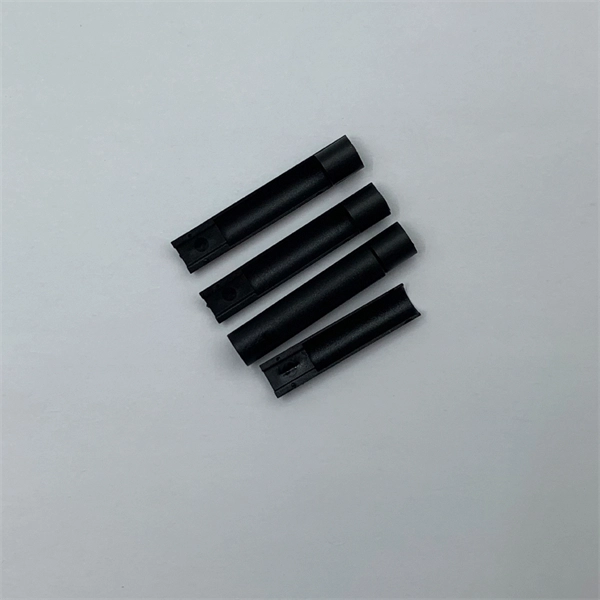
Since fiber-optic cables use light to transfer data instead of electricity they actually generate less heat than traditional cables! This absence of heat makes them less likely to catch fire and less of a fire hazard than normal metal wires. A rigorous analysis of optical power density, thermal ignition mechanisms, and the role of Automatic Laser Shutdown in preventing fire hazards in EDFA-amplified fiber networks. Article Inspiration This article was inspired by the Fiber Optic Association (FOA) March 2026 Newsletter — Seen On The. Myth #1 – Fiber-optic cables are a fire hazard. The general assumption is simple: once installed, the cable does its job – transmitting data from point A to B – and that's it. Understanding the safety hazards that go with fiber optic cable is critical for those who install or maintain fiber optic systems. As electrical professionals, most of us take fiber optic (FO) safety for granted. Since fiber optic cable carries no electricity, we don't worry about electrocution. This means they won't produce sparks or arcs that could ignite a flammable atmosphere. In a Class I Division 1 or Zone 1. Fiber-optic cables are the backbone of modern connectivity—powering 5G networks, global internet backbones, and data center interconnections with near-light-speed data transmission. While these cables are engineered for durability (with some rated to last 25+ years), they are not invulnerable.
[PDF]
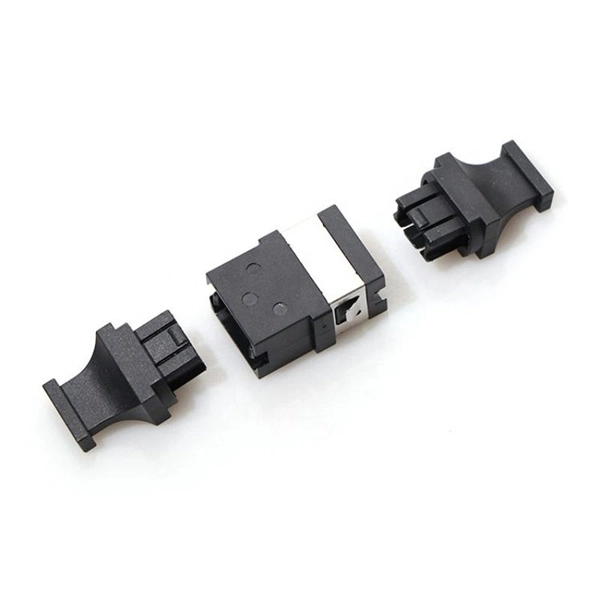
A shortage of fiber-optic cable equipment is blamed on AI data center demands as well as US protectionism. Warnings about a US fiber crunch that could slow down broadband deployment have intensified since the summer. Very recently, Mitch Landrieu, senior advisor to president and White House infrastructure coordinator made a statement that says, “Just like president Franklin Delano Roosevelt's Rural Electrification Act made a historic investment in rural areas bringing electricity to nearly every home in. According to 2022 data from the United States International Trade Commission, U. manufacturing capacity met only about 53% of the country's demand for optical fiber, the core component of fiber optic cable. currently relies heavily on imports to meet the increasing demand. That's a problem, considering fiber optics are the backbone of modern communications, powering everything from global internet. From a splicer's standpoint, ribbon cable is “much more user friendly and much more organized” because multiple fibers are bonded together. In August, Incab America, a Texan maker of fiber-optic cable, notified customers. However, a significant paradox exists: despite its immense benefits, fiber optic infrastructure is not universally available. This article aims to dissect the multifaceted reasons behind this uneven distribution, providing a comprehensive overview of the challenges and potential solutions for.
[PDF]
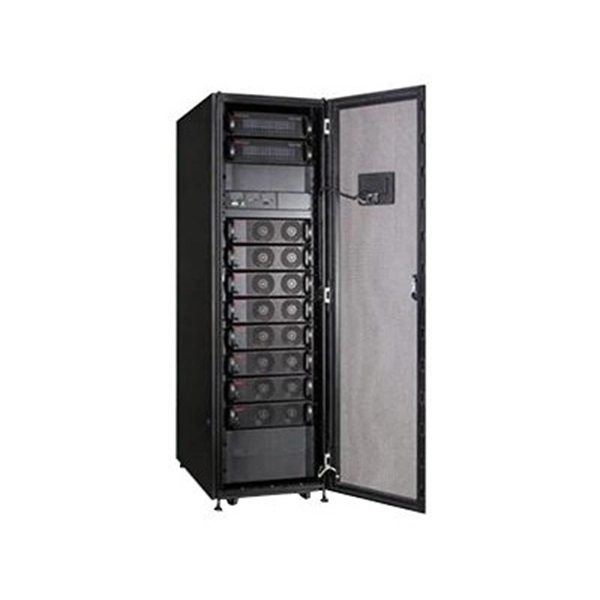
The other side of the pigtail is open and is connected to a fiber optic cable. This creates a stable and reliable connection between network equipment. They are the bridge between fiber optic cables in the field and the equipment or patch panels that manage them. By combining factory-installed connectors with spliced bare fiber, pigtails ensure that network installers can create fast, reliable, and cost-effective terminations. DINTEK supplies this equipment, but the pigtails can also be. In the intricate ecosystem of fiber optic networks, two components play a critical role in ensuring seamless connectivity: patch cords and pigtails. A fiber optic pigtail is a type of fiber optic cable with only one end that has a factory-terminated connector and the other end exposed as bare fiber. When compared to field-installed rapid. Today, I'll show you how to pick the right patch cord or pigtail — step by step. You plug it into a switch, router, or patch panel. It's ready to use out of the box. A pigtail is for splicing.
[PDF]
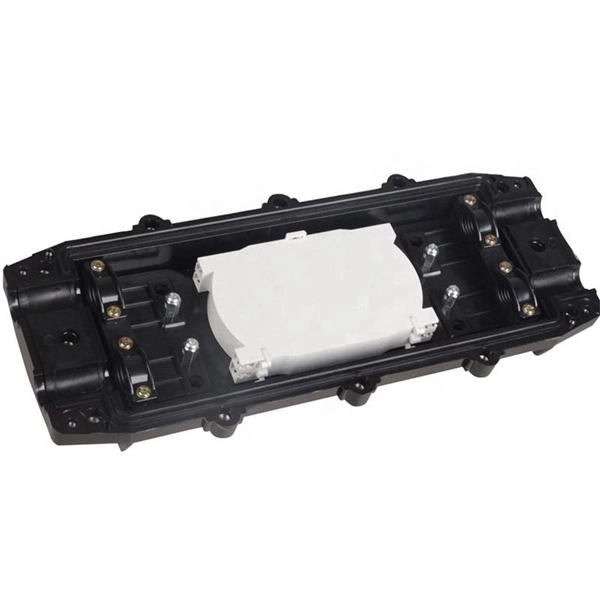
List of Top Verified Cabling and Fibre Optics Companies in Jordan, Near Me. Last updated May 2026. TechLine, a large-scale factory founded in Jordan in 2016, is situated in the Al Qastal industrial area of Amman. It holds ISO 9001:2008 certification, marking a milestone as the inaugural establishment of its kind in the Middle East. As part of a private investment consortium alongside Amwaj. Complete FTTx passive equipment - from fiber cables to distribution systems - plus reliable energy infrastructure, engineered with precision and trusted quality. Techline offers a. IT infrastructure and security solutions with quality commitment. Leading IT solutions in software, hardware, and networking. Complete networking solutions and services. Telephone: (5606205/3) Main Objectives: Manufacturing electric, power cables, and telephone wires. Let Optical Fiber Cables sellers contact you. No Time to Search? Post Your Buy Requirement to Suppliers Worldwide. Best prices, bulk discounts, trusted deals at go4WorldBusiness. Under the valuable guidance of Ziad Al-Omoush International Company for wires and cables manufacturing is now one of a fast growing company in the Hashemite Kingdom of Jordan with brand image of JOCAB. JOCAB manufactures a wide range of quality cables of high performance conforming to INTERNATIONAL.
[PDF]
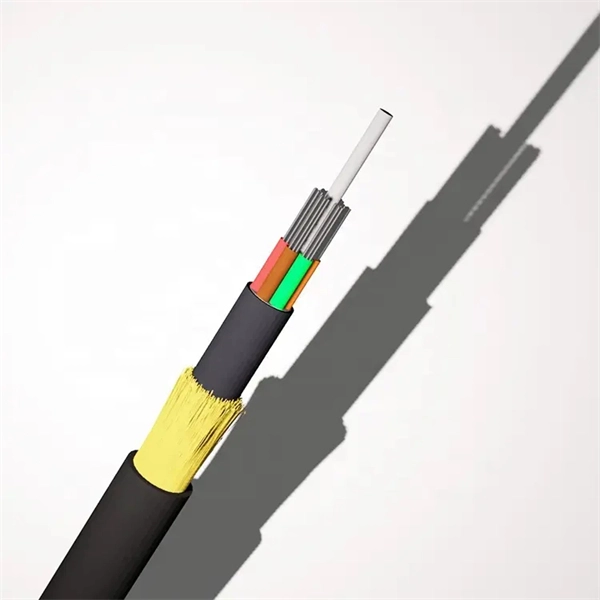
While fiber itself is constructed of thin, fragile filaments of glass, fiber cables that are laid outdoors are built for durability. Fiber optic internet represents a significant leap forward in broadband technology, offering speeds and reliability far exceeding traditional cable or DSL connections. Unlike older technologies that rely on electrical signals transmitted through copper wires, fiber optics use thin strands of glass. Unlike traditional copper wires that carry electrical signals, fiber optics use thin strands of glass or plastic to transmit data as pulses of light. This fundamental difference is the key to its superior speed, bandwidth, and reliability. The light signals travel at near the speed of light. Installing fiber optic cables underground involves far more than digging trenches and placing cables. It forms a critical backbone for modern communication networks across both urban and rural environments. Unlike traditional copper systems, fiber optic cables require specialized handling techniques and precise installation methods to. In our digital age, high-speed internet and reliable communication networks are powered by fiber optic cables, which transmit data as light signals at incredible speeds. However, the performance of fiber optic technology depends heavily on proper fiber optic cable installation.
[PDF]
The 12-Core configuration of the MTP cable refers to the number of fibers within a single connector. This design allows for efficient data transmission and is particularly well-suited for high-density applications where space optimization is critical. According to the IBDN standard, we generally recommend using 12 cores for the communication room in each building, and 24 cores for the building room. Of course, this is a general situation, and specific words may consider according to the following criteria. Number of wiring points and switches. Optical fiber cables are used to transmit large amounts of data over long distances. In this article, we will discuss the differences between these two cables in terms of their. However, if there were no cores, fiber optic cables would be useless. The reason is that cores are basically hidden components located that receive the light signals. Don't worry, in this guide, we'll discuss in detail what the fiber optic core is and its role in data transmission. Moreover, we'll. Among the various types of fiber optic cables available, the 12 core fiber optic cable is a common choice for many applications due to its balance of capacity and flexibility. Made from either high-quality glass or plastic, the core plays a critical role in determining the cable's performance. Multimode fiber optic cables can carry multiple light modes or signals, making them ideal for.
[PDF]
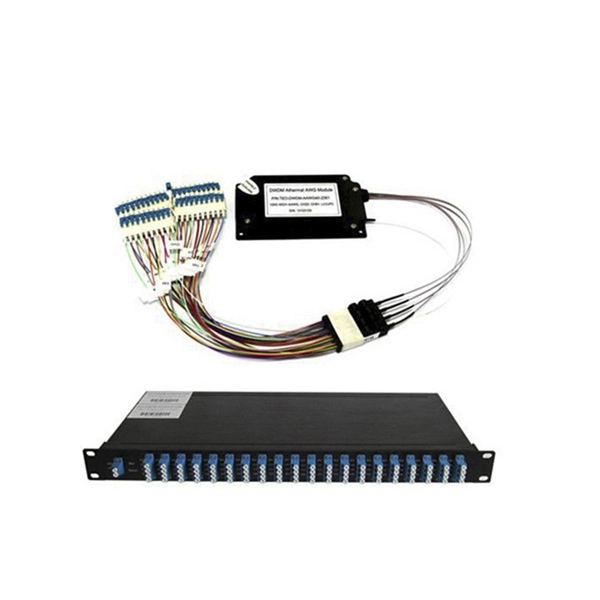
Learn the key difference between pigtail and jumper cables: only one end of a pigtail connects, while both ends of a jumper feature connectors. Similar to coaxial cable, but without mesh shielding, for jumper. When it comes to fiber optics, we naturally think of patch cords and pigtails. Usually people don't know the difference between the two. Let's find out together. Carrier-grade single-mode fiber patch. The Fiber Optic Patch Cord, also referred to as a fiber optic patch cable or fiber jumper, is a specialized cable designed for transmitting data signals using light waves in fiber optic communication systems. It is worth noting that fiber pigtails and patch cords are not the same concept. The main difference between fiber optic patch cords and fiber optic pigtails is that only one end of the fiber optic pigtail has an active connector, and both ends of. Jumper cables and portable jumper boxes are both tools used to revive a vehicle with a dead battery, but they have distinct differences despite sharing a similar end-goal. And with a plethora of purchasable options in both camps, it can be difficult to decide which way to spend your pretty pennies.
[PDF]
Indoor fiber optic cables represent the backbone of modern connectivity, driving performance improvements and meeting the rising demands of digital communication. Indoor fiber cable is the backbone of modern communication networks within buildings, providing the high-speed data transmission necessary for everything from business operations to home entertainment. As our reliance on fast, reliable internet connectivity grows, so does the importance of. Cabling for FTTx networks more commonly consists of indoor vertical cabling systems in order to connect buildings and distribute high-speed internet directly to users. They are. From high - rise office towers to residential complexes, indoor optical fiber cables play a crucial role in powering high - speed internet, reliable telephone systems, and high - definition video surveillance. The importance of indoor optical fiber cables cannot be overstated. Unlike their outdoor counterparts, which are built to withstand harsh environmental conditions, indoor cables prioritize flexibility, ease of installation, and superior performance in. A fiber-optic cable uses long, thin strings of flexible glass to transmit data in the form of light. A fiber-optic cable holds this string in its center, allowing light to pass through the glass. The sender device converts data into light. These cables are designed specifically for indoor use, featuring lightweight construction and flexible designs that make.
[PDF]

CDI has been manufacturing Optical media since 1987 and was one of the first Compact Disc manufactures in the world. This aims to be a complete list of optical disc manufacturers, including pre-recorded/pressed/replicated, record-able/write-once and re-writable discs. This list is not necessarily complete or up to date - if you see a manufacturer that should be here but is not (or one that should not be here but. Also, please take a look at the list of 109 fiber optic cable manufacturers and their company rankings. Here are the top-ranked fiber optic cable companies as of May, 2026: 1. Charlton Precision Products, Inc. WIN SOURCE ELECTRONICS, 3. Megladon Manufacturing Group, Ltd. What Is a Fiber Optic. L&M Optical Disc was formed in 1998 by a partnership between CDI of Israel and DXB Video Tapes of Brooklyn, NY. DXB has been in business 1985 and is one of the largest independent. ---------------------------------------------------------------------------------------- c0 #giveaway #freebie #jewellery #coupons #ccfrnds #blackfriday_#cybermonday #accessories #pbloggers #dolls #blackfriday_#sale #menswear #giftideas #garden #freestuff #madeinusa #like2 stocking_stuffer #prizes. Cables.
[PDF]
Mechanical splicing is a method of connecting two optical fibers without using heat or a fusion machine. Instead, it uses a small plastic or metal device to hold the fiber ends tightly together. A special index-matching gel is often used inside the splice to help light pass through the connection. You can manually splice the fiber patch cord with the help of the Procedure shown in the video. Now you can splice your patch cord. For network managers and technicians, a poor splice can lead to significant signal degradation, network downtime, and costly troubleshooting. At Turn-Key. This wikiHow article teaches the process of manually splicing patch cords and fusion splicing two fiber optic strands together in an 11-step process. The video also demonstrates how to fix a cut or. Fiber cable splicing is a critical step in building reliable fiber optic networks. Whether in data centers, telecom rooms, or outdoor FTTx deployments, proper splicing inside a fiber enclosure ensures low signal loss, long-term stability, and easy maintenance. This guide explains what fiber cable. In this guide, we cover the basics of fiber optic splicing, how to perform splicing using two different methods, and finally some best practices to perform good fiber splicing. What is Fiber Optic Splicing and Why is it Needed? – #1. Use and Maintain Your.
[PDF]
In the latest Optical Fibre and Cable Market Outlook, CRU examines the recent acceleration in fibre pricing and the tightening supply conditions emerging in early 2026. The Middle East optical fiber cables market is a critical infrastructure pillar underpinning the region's ambitious digital transformation and economic diversification agendas. After an extended period of subdued pricing in several regions, optical fibre prices are rising sharply alongside sustained demand. The Middle East Active Optical Cable Market is valued at USD 275 million, based on a five-year historical analysis. This growth is primarily driven by the increasing demand for high-speed data transmission in data centers and telecommunications, alongside the rising adoption of advanced. According to Cognitive Market Research, the Middle East and Africa optical fiber Market Size was USD XX Billion in 2023 and is set to achieve a market size of USD XX Billion by the end of 2031 growing at a CAGR of XX% from 2024 to 2031. Note: A = Actual data, E = Estimated data, P = Projected data. With the growing demand for high-speed internet, businesses and homeowners alike are looking for affordable, high-quality options. But prices can vary widely.
[PDF]
The charts below quickly compare single-mode and multimode fiber optic cables. OS2 fiber is the best option for long distances, with transmission rates over 10 GB and distances of up to 200 km. OS1 can onl.
[PDF]