Residual current protection (RSD/RCCB/RCBO): Detects leakage current and cuts off power to reduce electric shock risk. Earthing connection: Ensures proper grounding to maintain safety and system stability. These. A distribution box uses MCBs, RCDs, and busbars to protect circuits, prevent shocks, and ensure safe power distribution in homes and buildings. You use a distribution box to divide electrical power into smaller circuits. This box keeps your home or building safe from electrical dangers. Circuit Protection With circuit breakers or fuses, it protects circuits from overload and short circuits. If a fault occurs, the. The main function of a Distribution Box is to act as a central hub. The single, thick cable bringing power from the utility company enters this box. Inside, the power is split into multiple, smaller circuits that run to different areas—like the kitchen, bedrooms, lighting, and air conditioning.
[PDF]
That solution is a parallel feeder distribution system. Using parallel feeders means you're not forcing a huge electrical load through one single point. Instead, this setup intelligently splits the power, giving you a stable and reliable parallel service without. Primary distribution systems consist of feeders that deliver power from distribution substations to distribution transformers. A feeder usually begins with a feeder breaker at the distribution substation. Many feeders leave substation in a concrete ducts and are routed to a nearby pole. In. In the 2017 NEC, parallel conductors inside an auxiliary gutter must be grouped together to prevent current imbalance in the paralleled conductors due to inductive reactance. Code Change Summary: A new code section provides requirements for parallel conductors in an auxiliary gutter. Parallel. Special considerations AC wiring parallel inverter/charger systems 6. Phase rotation 3-phase inverter/charger systems This chapter covers AC electricity generation, distribution, cable sizing and the AC wiring of inverter/charger systems. Power generation The generator in a power station.
[PDF]
In this video we are showing a complete Construction Site Electrical Distribution Panel setup. This includes MCCB, MCB, DB boxes, cable management, earthing and load distribution for machines. This. Through a real-world project scenario, we explore how structured connectors, IP67 plug systems, and modular distribution cabinets create safer, faster, and more reliable temporary electrical infrastructure. Temporary Power Should Never Mean Temporary Safety Construction sites rely heavily on. Insulation Tools: Ensure that wires and cables are properly insulated to prevent electric shocks. Training and education are key components of safe temporary electrical installations on construction sites. Workers need to be aware of the risks and know how to handle electrical equipment safely. Overhead Cables: Overhead supply from the supply point or metering point to the distribution boards on the site should be of a robust pattern. These regulations place a requirement on every employer to assess every work activity in order to identify any hazard that employees or any other person might encounter as a result of the work being carried out. HSE document INDG 163 gives advice on these regulations. The Provision and Use of work. If it's done poorly, you risk short circuits, fire hazards, or system failure. Done right, it ensures safety, compliance, and long-lasting performance. Choose the right box based on.
[PDF]
The Box Fill Calculator is an essential electrical installation tool that determines the maximum number of conductors, devices, and fittings that can be safely installed in electrical boxes according to National Electrical Code (NEC) standards. Plan devices by location with clear gang strategies and packing options built‑in. Enter outlets, switches, low‑voltage, fans, and junctions per space including spare allowance. Auto‑pack calculates 4‑, 3‑, 2‑gang mixes, minimizing wall clutter and box count. Instantly see totals per room and. Calculate electrical box fill capacity and ensure NEC compliance for proper wire management and electrical safety. Calculate electrical box fill per NEC 314. 16, including conductors, devices, clamps, and grounding. Ensure your installations are safe and code-compliant. 16 mandates these calculations to prevent overcrowding, which can. It takes the incoming power and safely distributes it to different circuits throughout your building. Whether in a home or an industrial facility, this box keeps your electrical setup organized, functional, and efficient. However, the key to a safe and reliable system lies in proper installation.
[PDF]
Ensure safe placement: install in dry, accessible areas with good ventilation and at appropriate height (typically ~1. Practice good wiring: secure grounding, neat cable management, proper insulation, and correct wire gauge and breaker size. Include protection devices like breakers, fuses, and. The National Electrical Code (NEC) requirements might seem like bureaucratic red tape, but they're more like the safety rails that keep everything running smoothly and prevent dangerous surprises. "Getting your distribution box installation right isn't just about passing inspection - it's about. Strictly speaking, the word “Distribution Box (D-box)” can refer to two categories: electrical distribution boxes and septic tank distribution boxes. This article mainly talks about the first one. An electrical distribution box, also known as a power distribution box, panelboard, or consumer unit. NEC (National Electrical Code) Article 314 provides strict requirements for these installations, and for good reason. This guide breaks down everything homeowners need to know about outdoor electrical junction boxes in plain English. You'll learn what they are, why they're required, the difference. The installation requirements and specifications of Distribution box involve many aspects, including site selection, fixing method, wiring specifications and safety protection. Whether it is residential buildings, commercial facilities or industrial sites, the.
[PDF]
NEC (National Electrical Code) Article 314 provides strict requirements for these installations, and for good reason. This guide breaks down everything homeowners need to know about outdoor electrical junction boxes in plain English. 💡 Specification Insight: NEC 312. 2 requires outdoor distribution boxes to have rain-tight enclosures when installed in. Advanced Drainage Systems, Inc. (ADS) Distribution Box distributes effluent from the septic tank into various sewer and drain pipes. The effluent then flows into the leach field. Made of high density polyethylene (HDPE), the distribution box is designed to last the life of the drainage system. Discover AZE's premium outdoor enclosures designed for superior weatherproof protection and NEMA-rated durability. Trust. PREMIUM CONSTRUCTION POWER DISTRIBUTION BOX: Crafted by WESTERN, the 6506TLSX Temp power box features a durable blend material for long-lasting performance in demanding environments. Need help? Browse power distribution boxes with circuit breaker protection and multiple outlet configurations. You'll learn what they are, why they're required, the difference. Each enclosure delivers dependable IP65–IP68 sealing for outdoor and industrial use, with options for plastic waterproof distribution box housings and DIN rail waterproof electrical distribution box configurations to suit diverse wiring requirements. AT Series: Compact and value-focused; ideal for.
[PDF]
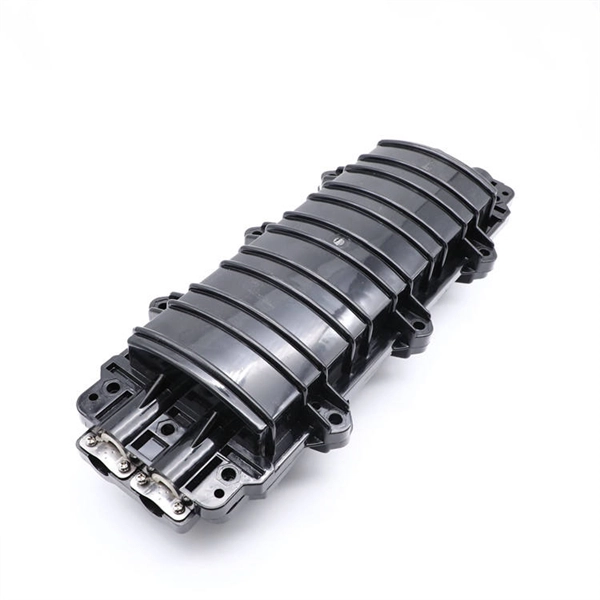
In network cabling, outdoor connections generally use fiber optic cables. When these optical fibers are installed or laid out, a Fiber Termination Box, or FTB, is used to distribute and protect the optical fiber link.
[PDF]
It receives power from the main electrical supply and divides it into separate circuits, each protected by circuit breakers or fuses. The primary purpose of a distribution box is to provide a safe and organized way to control electrical circuits. In this guide, we'll break down the 12 main types of distribution boxes in a way that's easy to understand. We'll chat about what each one does, where it shines, and then dive into how to choose the perfect box for your needs. Plus, we'll sprinkle in some practical tips to make sure you're not. A distribution box, also known as a power distribution box or electrical distribution box, is used to distribute electrical power safely to multiple circuits. It helps organize, protect, and control electrical connections in residential, commercial, and industrial electrical systems. It acts like a hub or traffic controller, managing power flow to different areas or devices. What is the distribution box? A. Electrical systems power our homes, offices, and industrial facilities, but behind every reliable electrical setup lies a crucial component that often goes unnoticed: the distribution box. This essential piece of equipment serves as the nerve center of your electrical system, managing power flow.
[PDF]
Calculate and select the right number and spacing of cables for junction boxes using NEC guidelines to ensure safe, code-compliant electrical installations. Electrical clearances set the minimum safe distances for panels, overhead lines, pools, and buried wiring — and ignoring them has real consequences. 7* Class A and Class X circuits using physical conductors (e., metallic, optical fiber) shall be installed such that the outgoing and return conductors, exiting from and returning to the control unit, respectively, are routed separately. The outgoing and return (redundant) circuit conductors. Above finished grade or sidewalks, or from any platform or projection from which they might be reached. (If these areas are accessible to other than pedestrian traffic, then one of the other conditions applies). This step keeps your project safe and. In this guide, we'll break down everything you need to know to install a distribution box correctly and confidently. Choose the right box based on environment (indoor/outdoor), load capacity, and durability. Check for proper IP/NEMA ratings and material quality. Ensure safe placement: install in. When looking into electrical panel clearance safety, you need to start by looking at the requirements put in place by the national electric code, or NEC. The relevant section of the national electric code here is NEC 110. This set of code identifies how much clearance is needed around any type.
[PDF]
Above finished grade or sidewalks, or from any platform or projection from which they might be reached. (If these areas are accessible to other than pedestrian traffic, then one of the other conditions applies). Ex: Parallel phase and neutral conductors can be installed in individual underground nonmetallic raceways (Phase A in raceway 1, Phase B in raceway 2, etc. ) as permitted by 300. 5 (I) Ex 2 if the installation complies with 300. Power conductors rated 1,000V or less can occupy the same. Switchboards and panelboards are often called “the guts” of a premises wiring system. Article 408 covers the requirements for switchboards and panelboards that control power and lighting circuits (Fig. For. According to the NEC, there are four types of branch circuits: 1. Appliance (2-wire circuit): Supply energy to one or more appliance outlets. They have not permanently connected luminaires unless these luminaires are part of the appliances – e., deep fryer, vacuum cleaner, toaster oven, coffee. The most common distribution primaries are f our-wire, multi-grounded systems: three-phase conductors plus a multigrounded neutral. Listed below are new code-related questions and.
[PDF]
We recommend a 'clear space' of 3 ½ inches high, and 4 inches wide on self-mailer pieces. This space is used to display the delivery address, postage, and return address. For folded self-mailers, the fold must be on the bottom or leading edge of the piece. According to the USPS mailing requirements, you have a standard range of dimensions for all your self-mailers. The standard sizes for your self-mailers are mentioned in the table below. Note: It is worth noting that it is okay for your business to use a self-mailer with 0. 009 thickness as long as. The NEC requirements for flush-mounted box installations can be found in Sec. First-Class Mail: 13 ounces. Periodicals: 20 ounces for pieces prepared under 201. A conduit body is a removable-cover section of a conduit system that provides access at junctions or termination points. Article 314 applies to: These. Done right, it ensures safety, compliance, and long-lasting performance. In this guide, we'll break down everything you need to know to install a distribution box correctly and confidently. Choose the right box based on environment (indoor/outdoor), load capacity, and durability. Check for proper. for disconnects, and meter socket enclosures. Notice that these rules cover the cabinets and enclosures that contain electrical equipment su h as panel boards— not the equipment itself ided with a fra for disconnect d telescoping w rfere with succes rs hub, or conn more than 1⁄4 in.
[PDF]
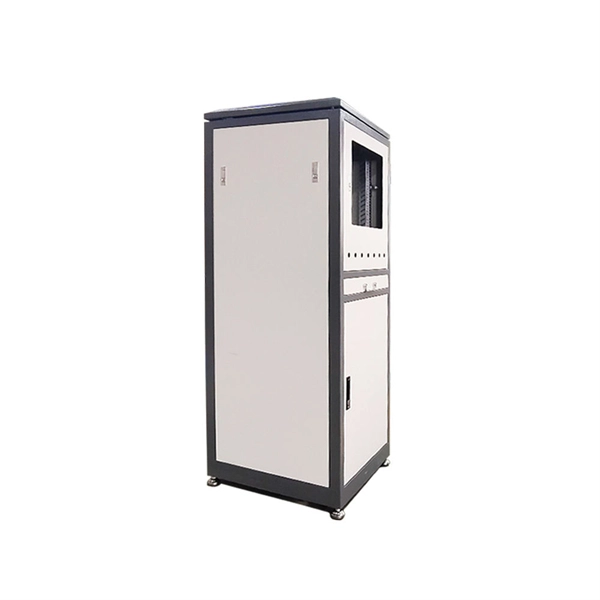
We're your trusted supplier of electrical enclosures across Africa — factory direct, custom design, fast shipping, robust quality. Nijsha Enterprise is a leading manufacturer of high-quality power distribution boxes. Our boxes are designed to provide reliable and efficient distribution of electrical power in a wide range of commercial and industrial applications. Power distribution is a crucial aspect of any electrical system. LAIWO offers a full range of distribution boards and consumer units including metal consumer units, EV garage units, TP&N distribution boards, plastic enclosures and MCB metal boxes. As the grid extends and industries upgrade, the need for durable, weatherproof, and safe enclosures grows. As a factory. With years of experience, Rising Switchgear delivers innovative electrical panel and distribution box solutions, ensuring safety and efficiency for various applications in the electrical industry. Designed with precision engineering and crafted from high-quality materials, our distribution box ensures seamless. Our core business is manufacturing quality electrical enclosures. These range from smaller wall-mount enclosures to larger floor-standing panels and multi-tiered MCCs (Motor Control Centers). We also manufacture custom copper busbars, EX enclosures, perforated sheets and our own locks and hinges.
[PDF]
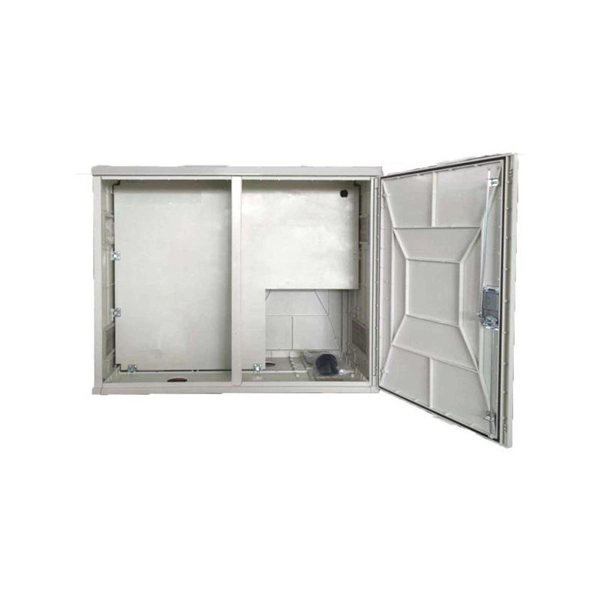
Flush-mounted breaker box solutions for Mongolia's electrical installations, offering reliable power distribution and space-efficient integration for modern buildings. Inner Mongolia Ruitong Power Equipment Co. was established in 2021 and is located at C1-18, Yixing International Expo Park, Dongsheng District, Ordos City, Inner Mongolia. As a comprehensive service provider, the company specializes in the sales of wires & cables, electrical equipment. Inner Mongolia Caizheng Electrical Equipment Manufacturing Co. Specializes in the production and sales of high and low voltage complete sets ofequipment, building electrical, cable and wire. Located on Jingjiu Road in. Electrical equipment. Nuclear equipment Substations, electric. Looking. At "Mandakh Duuren" LLC, we stay sensible to identify customers' needs and inquiries, provide the best electrical solution based on the highest standards and accurate market research data, offer the newest technology and installation methods, deliver economic benefits to customers, complete our. AUTHORIZED DISTRIBUTOR OF CMI ELECTRICAL Mongol Erdem LLC is only Authorized distributor of CMI Electrical products in territory of Mongolia. CMI Electrical specializes in the manufacture and distribution of electrical cables and associated components for industrial, mining, infrastructure.
[PDF]
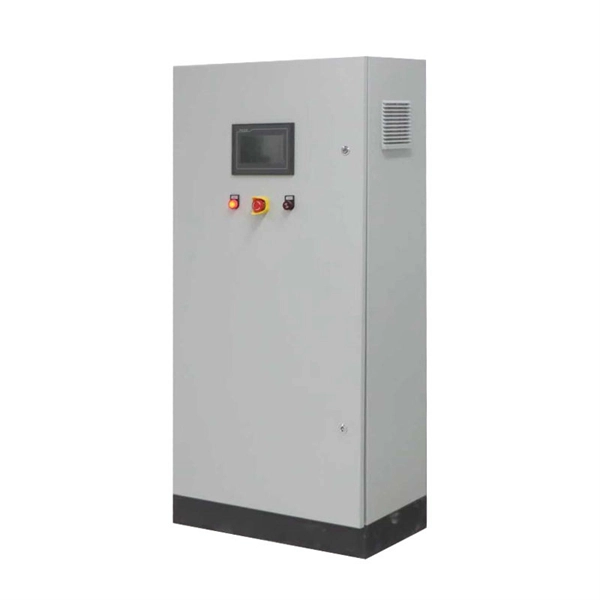
This guide aims to demystify the process of estimating these costs, offering a practical approach to navigate through the complexities of fibre network maintenance. Whether you're a homeowner curious about potential charges or a business looking to manage expenses, this guide will equip you with. In the dynamic landscape of modern communication, Fiber Termination Boxes (FTBs) play a pivotal role in ensuring the efficiency and reliability of fiber optic networks. From homes to data centers, understanding the basics of FTBs, including their installation and maintenance, is essential for. What is a Fiber Optic Distribution Box? A fiber optic distribution box, also known as a fiber optic terminal box or fiber optic termination box, is a device used to connect and manage fiber optic cables in a network. It serves as a central point for fiber optic cable termination, splicing, and. This fiber optic installation method statement covers the termination of fiber optic cables with patch panel, network distribution cabinet NDC and door junction box but can be applicable for any kind of network installations. Roles and Responsibilities: The electrical manager shall be responsible. A fiber termination box is the standard instrument used in fiber optic networks to connect, secure, and protect optical fibers at the terminating point. We will also discuss how to install fiber termination boxes and maintain them. 2 What is a Fiber.
[PDF]
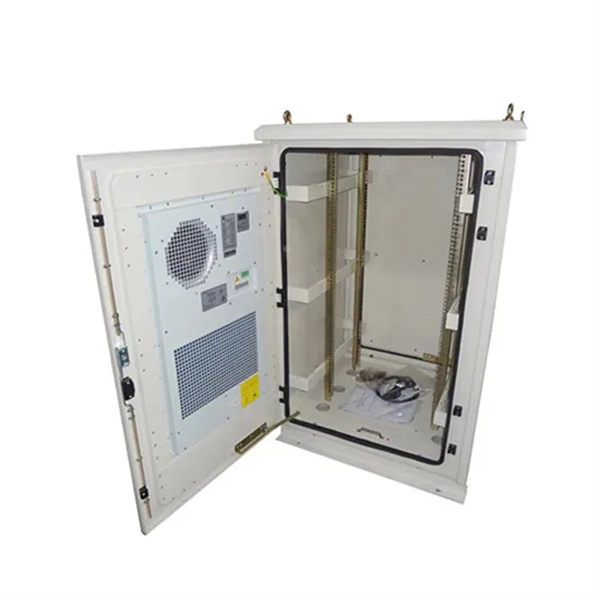
In this video, I'll show you how to install a weatherproof outdoor electrical box — safe, secure, and code-compliant. The in-ground installation for CANTEX PVC junction boxes is also simple, but always be sure to follow all national and regional electrical codes when installing any electrical junction box. Article 314-29 of the National Electrical Code states that listed junction boxes may be buried without. An electrical junction box is a protective housing designed to enclose and shield electrical wire connections or splices. For outdoor installations, the box must defend these sensitive splices against moisture, dust, temperature fluctuations, and physical impacts. It takes the incoming power and safely distributes it to different circuits throughout your building. Whether in a home or an industrial facility, this box keeps your electrical setup organized, functional, and efficient. However, the key to. Make the most of outdoor spaces with permanent, weathersafe power. Learn our complete installation process from start to finish. Watch our video to learn more. Wiring an outdoor circuit is not always difficult. Here are some methods to get power from inside your home to an outside appliance or receptacle not fastened to the house (e., pole mounted lantern), or to a detached building (e.
[PDF]