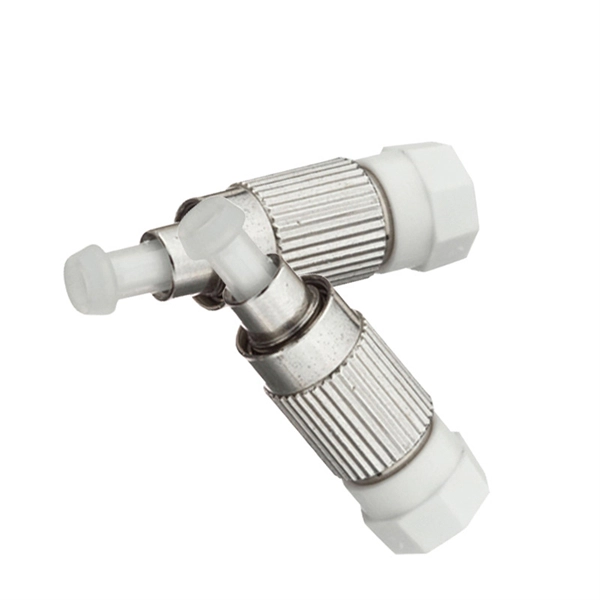
Use pigtails when connecting multiple wires to a single terminal, upgrading outlets or switches, or managing crowded electrical boxes. Pigtails play a crucial role in ensuring safe and efficient connections within electrical systems, especially when dealing with multiple wires or limited space. Understanding what a pigtail is and how it works can make your wiring projects smoother and safer. ” This method is especially useful when connecting wires to devices such as switches, outlets, and junction boxes, allowing. Proper using pigtails breaks this chain. By creating independent pathways, technicians isolate problems without shutting down complete circuits. Commercial buildings using this method report 83% faster troubleshooting times. The National Electrical Code mandates continuous neutral connections in. Optical fiber pigtails are short optical fibers used to connect fiber optics with other equipment (such as optical modules, splitters, etc. ), typically used in fiber optic networks. With advantages such as low insertion loss, high return loss, good interchangeability, and repeated plugging. A pigtail in electrical wiring is a short length of conductor used to transition from a bundle of multiple circuit wires to a single termination point, such as a device terminal or fixture connection. This technique is often employed when three or more wires need to be joined, ensuring that the.
[PDF]
Learn what the NEC requires for junction boxes, from box fill calculations and grounding to outdoor use and fire-rated wall installations. The National Electrical Code (NEC), published as NFPA 70, sets minimum safety standards for electrical junction boxes in residential and. The National Electrical Code (NEC) governs electrical junction box rules. These rules define when you must install a box, how large it must be, how you must install it, and how inspectors evaluate compliance. The NEC code of junction box keeps your electrical work safe and reliable. You must use approved materials, choose the right size box, and make sure you ground everything correctly. Always install your boxes where you can reach them later. Many people miss these steps and face problems during. Learn key electrical code requirements for junction boxes, including sizing, grounding, materials, and clearance to ensure safety and efficiency. Whether it's a. NEC 314. 28: Requires junction boxes to be made of non-combustible materials like stainless steel, aluminum, or UV-resistant plastic. 16: Dictates volume size in cubic inches, requiring 18 cu in for 3 to 6 conductors and 20 cu in for 7 to 8 conductors. 26: Mandates a minimum. A junction box protects wire connections from physical damage, reduces shock and fire risks, and allows electricians to inspect or repair wiring later.
[PDF]