Welcome to our channel @Electricalgenius In this video, we'll take you through a detailed step-by-step guide on wiring a home distribution DB (Distribution Board) box. Learn how to install a distribution box safely and correctly. Covers wiring, placement, standards, and expert tips for a compliant setup. It takes the incoming power and safely distributes it to different circuits throughout your building. This article details the process of installing them, which helps you comprehend distribution boxes. This page contains wiring diagrams for a service panel breaker box and circuit breakers including: 15amp, 20amp, 30amp, and 50amp as well as a GFCI breaker and an isolated ground circuit. This diagram illustrates some of the most common circuits found in a typical 200 amp circuit breaker service. An electrical panel box, also known as a breaker box or a distribution board, is a crucial component of any electrical system. It serves as a central hub for distributing electricity throughout a building, ensuring that power is delivered safely and efficiently to all the required locations. You can find electric panels inside cabinets, behind refrigerators, or inside clothes closets in older homes. Current National Electrical Codes (NEC) allow none of these locations. Electrical panels.
[PDF]
For most homes, a 100-amp main is sufficient to handle all electrical needs; however, many new-home builders now install 150-amp or 200-amp services to ensure plenty of capacity. Electrical service panels rated at 60 amps or lower are undersized for contemporary needs. From residential 100-amp panels to massive 600 amp main distribution panels in commercial facilities, this comprehensive guide will help you understand distribution board types, sizing calculations, and installation requirements to make informed decisions about your electrical infrastructure. What. An electrical panel, often called a breaker box or load center, serves as the primary distribution point for all the power entering a home. The single most important specification of this panel is its amperage rating, which defines the maximum safe electrical current the system is engineered to. The maximum amperage that a service panel may deliver at one time is marked on the main breaker. It receives power from the utility company and distributes it to various circuits throughout your home. Each circuit powers specific areas or appliances. A sub panel, or sub panel box, extends the functionality of the main load center by distributing power to a specific area or structure away from the main. Commonly referred to as the Fuse Box, Breaker Panel, or Electric Panel, the Load Center is the heart of the electrical system in any building.
[PDF]
One way you could do it, is to use all black wire, with the number of tape bands to tell apart phases. Such as 1-band violet for Phase A, 2-band violet for phase B, and 3-band violet for phase C. The standard electrical wire color code mandated by the National Electrical Code (NEC) is a critical safety system for licensed electricians. For typical building AC circuits (commonly up to 600 volts nominal), the NEC specifies identification rules for grounded conductors (neutral), requirements. Electrical wiring color codes are a standardized system that tells electricians—and you—the specific job of every wire in the circuit. Getting this language right is the difference between a light that works and a dangerous situation involving short circuits, electrical shocks, or even fires. The table below gives a quick snapshot of the most common electrical wire colors you can see at home. This is a general reference, not a substitute for proper testing. If you need more detailed information, continue reading this article. Using the correct wiring color codes is crucial for identifying line, neutral, and ground wires, which saves time, simplifies maintenance and troubleshooting, and ensures the safety of. Wiring color codes are the wires' colors used to connect electrical devices and circuits. The colors help us determine each wire's function and purpose. Note:- Different countries have different wiring color codes. It makes it easier and safer to.
[PDF]
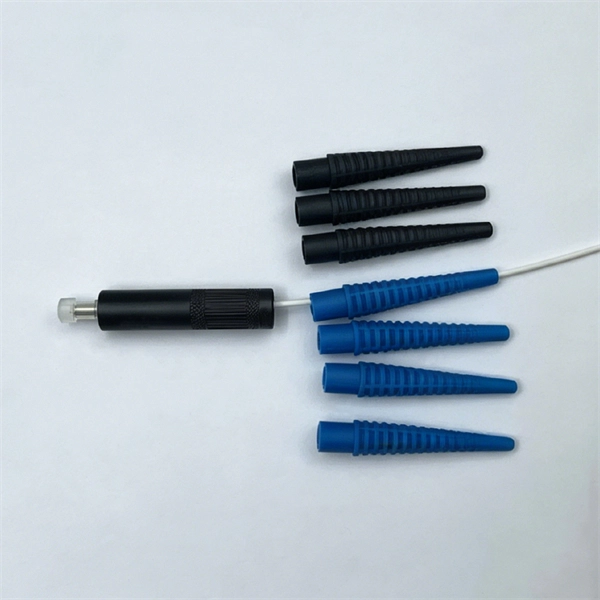
Each wire must connect to its appropriate terminal: Live wires (red or brown) connect to the MCB's live terminal. Neutral wires (black or blue) go to the neutral bus bar. Welcome to our channel! In this video, we'll walk you through the process of wiring a home distribution box with a detailed connection diagram. Whether you're an electrician or a DIY enthusiast, this guide will. This guide provides step-by-step instructions for connecting a distribution box and highlights key factors to consider during installation. What Is a Distribution Box? A distribution box, also known as an electrical distribution board, is a critical component in electrical systems. In Single Phase supply (230V in UK, EU and 120V & 240V in the US & Canada), there are two (one is Line (aka Phase, Hot or Live) and the other one is Neutral) incoming cables from the utility poles to the kWh energy. A distribution board or distribution box is where the main power supply is distributed to multiple loads. And all the switching and protective devices are installed in the distribution box. Single Phase Distribution Box generally consists of Double Pole MCBs, Single Pole MCBs, and RCCBs.
[PDF]
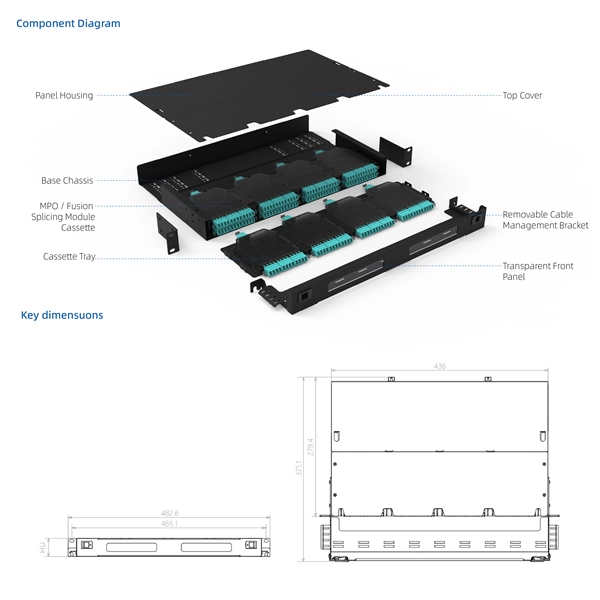
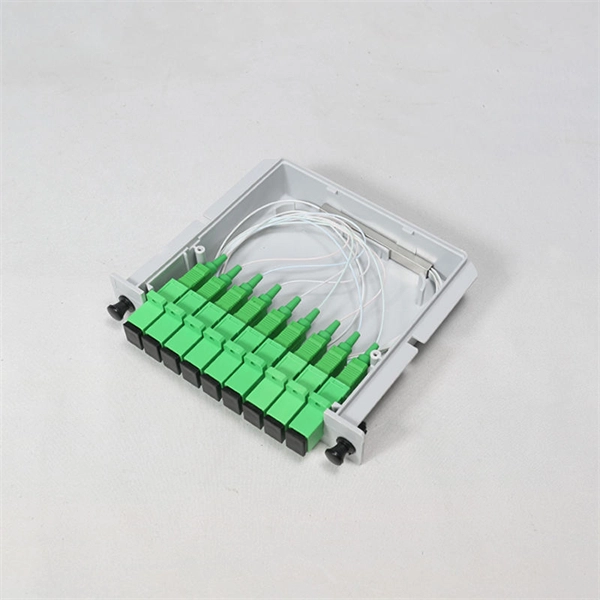
This device provides a centralized location for terminating and connecting fiber optic cables, ensuring reliable and efficient connectivity between network components. The importance of a distribution box cannot be overstated. They protect delicate fibers from external factors and minimize signal. The Fiber Optic Distribution Box plays a critical role in the aggregation, branching and protection of fiber optics, particularly in FTTH (fiber-to-the-home), LANs and MANs. A fiber distribution box. In modern optical communication networks, especially FTTH (Fiber to the Home) systems, the fiber distribution box plays a crucial role in ensuring stable, efficient, and reliable signal distribution. But for those new to fiber deployment, questions often arise — what is a fiber box and how does it. Fiber optic distribution boxes, also known as fiber distribution hubs (FDHs), are a critical component in optical communication networks. They act as consolidation points, enabling efficient connections and distribution of fiber optic cables. This article will provide an overview of fiber.
[PDF]
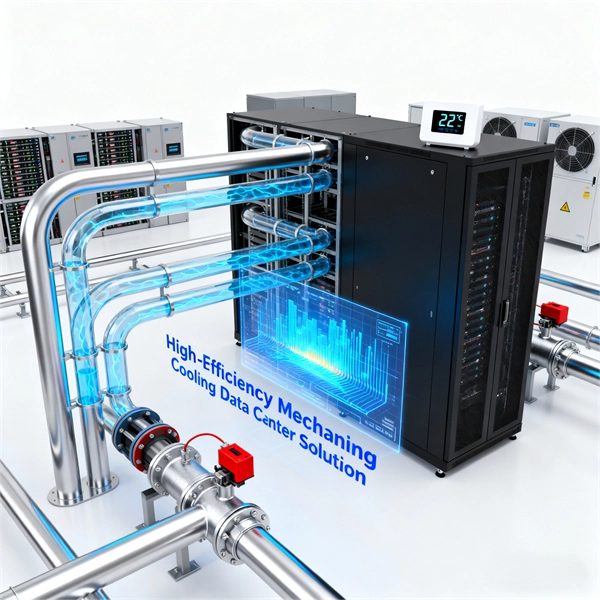
On the US market, a 5. 26 mm 2 (10 AWG) ground wire must be used, and in all other markets a 6 mm 2 must be used. Grounding of the units: Attach a ground wire from one of the threaded studs (A) at the bottom of the housing, to the mounting plate (B). Attach a second grounding wire from the mounting. The correct connection method of Distribution box grounding wire mainly includes the following steps: 1. Find the grounding bar or PE bar Open the distribution box and find the position marked with the grounding plate or PE letter. The basic rule achieves this through an equipment grounding jumper; four exceptions. An equipment grounding conductor passing through the box without a splice is not required to be joined inside the box to others that are spliced in the box. 148 addresses the continuity of equipment grounding conductors and their attachment in boxes. Not all boxes are metal or provide. Correct grounding of services depends upon understanding the definition and role of the grounded conductor. The neutral conductor is typically the grounded conductor connected to the system's neutral point, carrying current under normal operation. Whether you're a seasoned pro or just starting out, this comprehensive guide will give you practical.
[PDF]
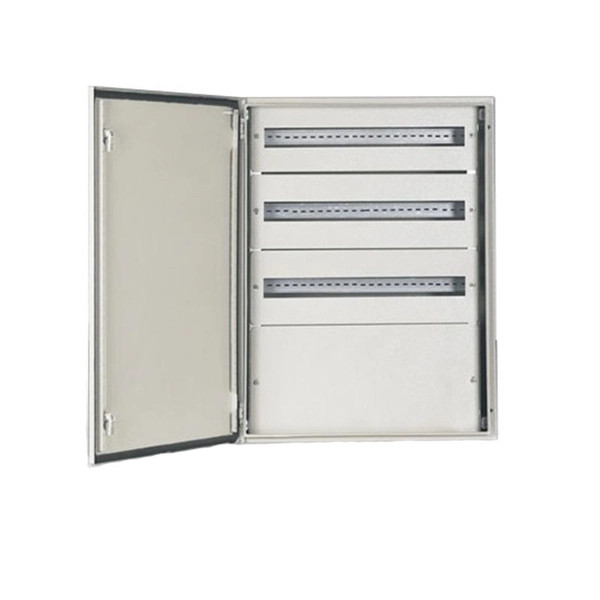
Browse enclosures designed for easy installation and cooling of enclosed equipment. Crafted from durable pre-galvanized steel, these boxes are designed to house wiring devices such as switches or outlets. With RACO's Switch Electrical Boxes, convenience is key. The device mounting holes are pre-tapped to. Power and Low Voltage Box For New Construction, Nail On. Low Voltage Side Provides Combination 1/2" and 3/4" Knockout. This intelligent fire emergency lighting system utilizes a centralized power controller distribution box, complying with the GB-17945-2010 standard, and provides over 90 minutes of emergency runtime. The system comprises an emergency lighting controller, a centralized power supply (EPS), and. Electrical Junction Box, Ventilated Design, Cable Grommets, Indoor/Outdoor Use with Mounting Panel & Hinged Cover. (Grey Cover, 13"x13"x5. 1") Need help? Streamline your home wiring and media setup with low voltage panel boxes. “Value After Rebate*” is the price or sale price minus the future rebate discounts. Valid on merchandise; excludes purchase of gift cards, rentals. For new construction and retrofit projects! Arlington's convenient combo box has power and low voltage openings in the same box, saving you time and money. LVD2, designed for new construction, comes with nails in place, ready for attachment to wood studs. Holes in the front flanges allow for screw.
[PDF]
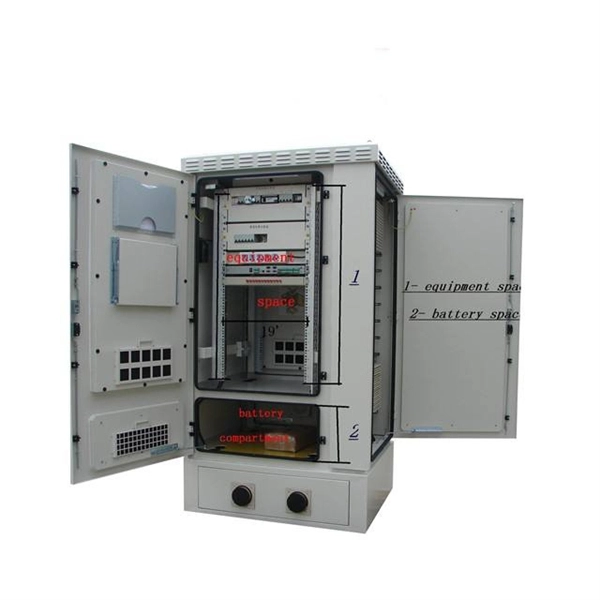
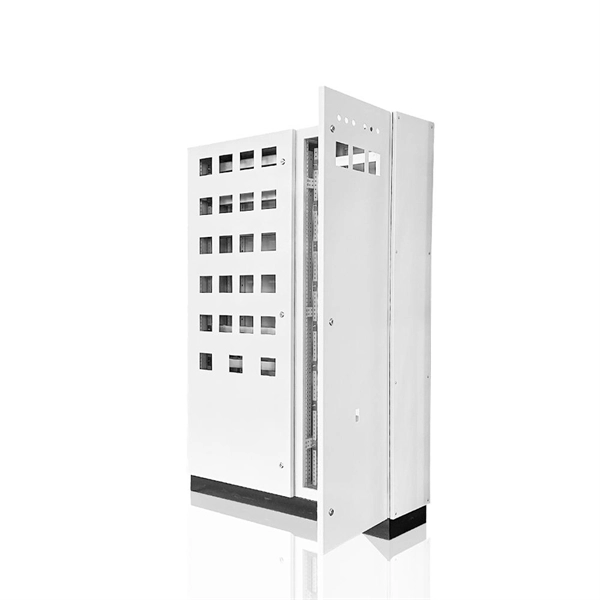
This ultimate guide explains what a distribution box does, its internal components, common types, real-world applications, and how to select the right DB Box for your project. For procurement professionals, electrical contractors, and project managers, choosing the right Distribution Box (DB Box) is a critical decision that directly impacts system safety, reliability, and long-term operating costs. Several distribution boxes are designed for specific use in offices or industries. Main Distribution Board (MDB) 2. But what exactly is a power distribution box, and why is it so essential in our daily lives? The DB panel board controls the flow of electricity. identification number (NIIN) sequence, of all National stock numbers (NSN) appearing in the listings, followed by l st in alphameric squen e, of all par numbers appearing in the listing. National sto k number and part number are c oss-referenced to each illustration figure a d item number ap di. The Secondary Distribution Box (SDB) receives power from Main Power Distribution box via an extender cable and provides a central power distribution to feed normal branch circuits to the electric floor modules through snap-on extender cables. It helps control and distribute electricity to different areas. Inside, you'll find parts like circuit breakers and fuses that protect the system from problems like overloads and short circuits.
[PDF]
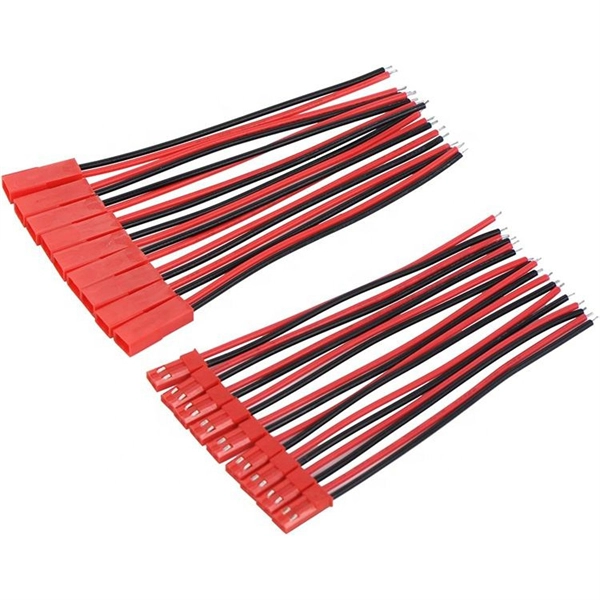
This document states the requirements for the manufacturing of pole mounted service distribution boxes for split prepayment metering. The designs of the boxes are similar for the various applications. The options include the following: 2. Supporting Clauses. PPS has been extensively audited and has worked closely with Eskom's design department. We are an approved vendor of all Eskom-type metering and distribution enclosures. All online orders will be dispatched from our central warehouse. Shop ARB's range of robust and efficient distribution boards, ensuring reliable power distribution and safety in your electrical setups. We offer a variety of sizes and materials to meet your specific needs, whether you require weatherproof enclosures for outdoor use or sturdy metal boxes for indoor installations. Our products. Resi 9 MP plastic modular enclosures put you in control until the job is finished. Ideally suited for the residential sector, hospitality, and small business sectors, it will fit into any existing setting regardless of your working environment.
[PDF]
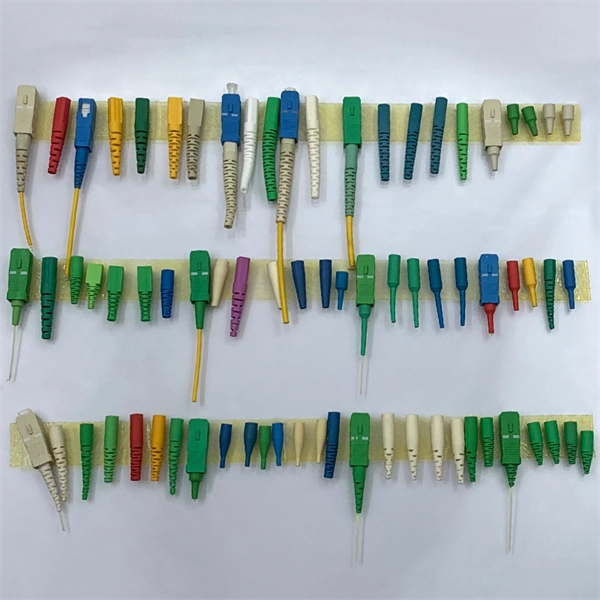
It is typically used to house and protect electrical components and distribute power or signals. Also known as a distribution board, it's responsible for distributing the electrical power throughout the home or building with which it's used. What is the distribution box? A. A distribution box, often simply called a DB, is a crucial component in any electrical installation. Think of it as the heart of your building's electrical system. Today, electrical systems are essential for homes and industries. But what exactly is a power distribution box, and why is it so essential in our daily lives? The DB panel board controls the flow of electricity. The distribution box has the characteristics of small volume, easy installation, special technical performance, fixed position, unique configuration function, unrestricted site, common application, stable and reliable operation, high space utilization rate, small land occupation, and environmental. What is a Power Distribution Box? Electrical distribution boxes are used in commercial and residential buildings and are part of the electrical system, also known as switchboards.
[PDF]
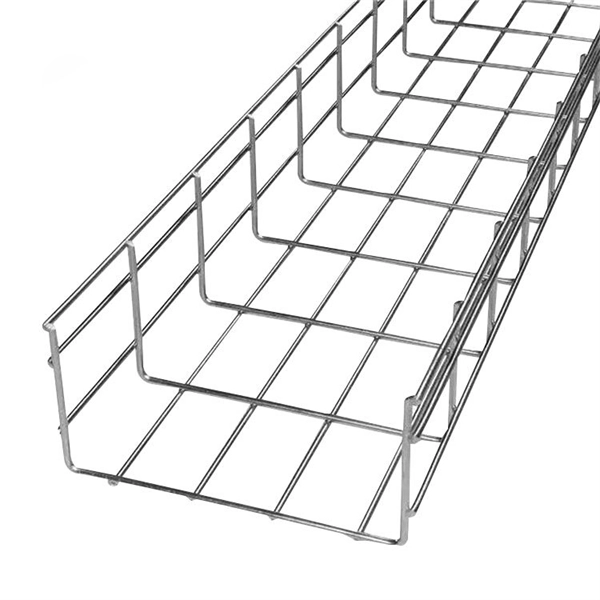
In this video, we take you through the step-by-step installation of Optical Distribution Frames (ODF) and Optical Fiber Patch Panels—key components in setting up a robust fiber optic network. At Eman Communications, we specialize in delivering high-quality installations that ensure opt. more In. Fiber optic patch panels are mostly mounted in 19 inch relay racks, but they can also be mounted on freestanding rails, in cabinets and also on walls. The fiber optical patch panel is convenient for people to easily access the optical fiber cable in the panel. Keeping this page as a placeholder for now. Have any questions? Talk with us directly using LiveChat. An ODF is a centralized platform designed for terminating, cross-connecting, and managing optical fibers. It ensures fiber management is structured, minimizes signal loss, and provides accessibility for maintenance and future expansion. ODF Rack/Cabinet: Physical frame housing all terminations and. To connect fiber optic cables to a patch panel, users must follow a specific procedure that ensures proper connectivity and signal transmission. Here is a step-by-step guide on how to connect fiber optic cables to a patch panel. Step 1: Gather the Tools and Equipment The first step in connecting.
[PDF]
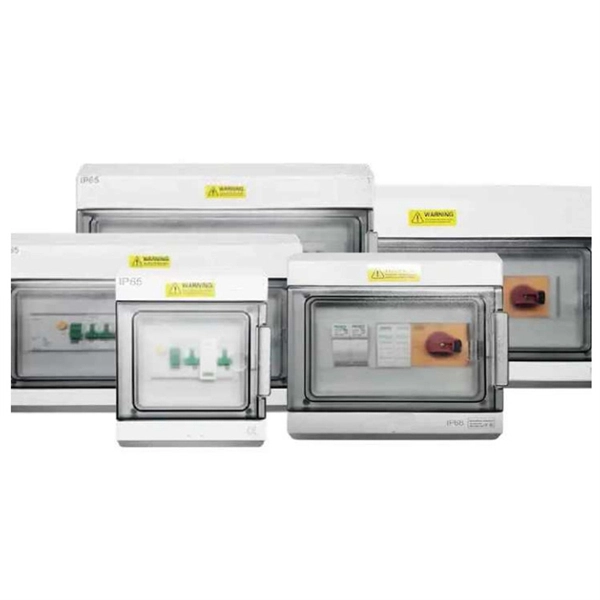
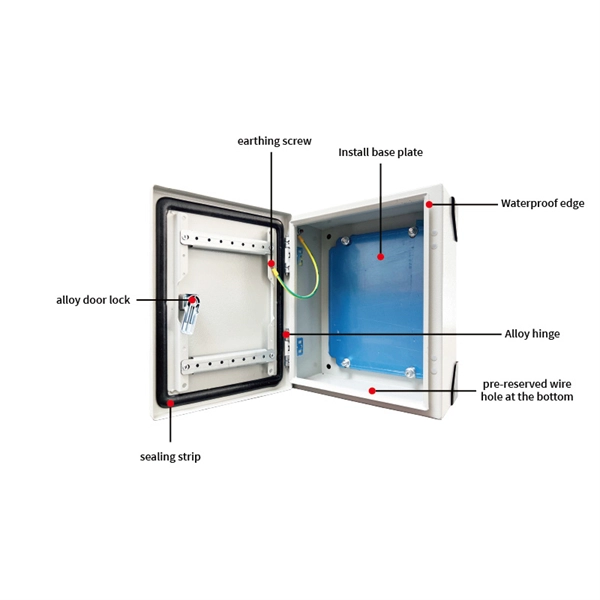
In this step-by-step tutorial, we'll cover: ✅ Tools you need ✅ Safety precautions ✅ Mounting the box ✅ Wiring tips ✅ Final checks Perfect for beginners, DIYers, and electricians who want a clear installation guide. more Learn how to properly install an electrical box safely. An electrical distribution box, also known as a power distribution box, panelboard, or consumer unit, is the core of an electrical system. It has three categories: residential, commercial and industrial electrical distribution boxes, all of which play important roles in their respective electrical. In this guide, we'll break down everything you need to know to install a distribution box correctly and confidently. Choose the right box based on environment (indoor/outdoor), load capacity, and durability. Check for proper IP/NEMA ratings and material quality. It serves as a central hub for distributing electricity throughout a building, ensuring that power is delivered safely and efficiently to all the required locations. In this video, we'll walk you through the process of wiring a home distribution box with a detailed connection diagram. Whether you're an electrician or a DIY enthusiast, this guide will help you understand the basics of home electrical distribution. What is Distribution Board? Distribution board.
[PDF]
The proper installation of a distribution box involves placing it at the right height to ensure safety and convenience. 7 meters) high makes it easily accessible without the need to bend or stretch excessively. This height also safeguards the box from potential. Choose the right box based on environment (indoor/outdoor), load capacity, and durability. Check for proper IP/NEMA ratings and material quality. Ensure safe placement: install in dry, accessible areas with good ventilation and at appropriate height (typically ~1. Practice good wiring: secure. OUTLETS INSTALLED LOWER THAN 15" AFF (FORWARD REACH) AND 9" AFF (SIDE REACH) ARE IN VIOLATION OF ADA. EXIT SIGNS SHALL NOT BE INSTALLED IN A MANNER THAT THE SIGN WILL BLOCK FIRE ALARM VISUAL DEVICES. FOR LIGHTING FIXTURES MOUNTING HEIGHTS SEE SCHEDULE AND DRAWINGS. 48" TO. NEC Article 314 establishes requirements for the installation and use of electrical boxes, conduit bodies, fittings, and handhole enclosures. A conduit body is a removable-cover section of a conduit system that provides access at junctions or termination points. Article 314 applies to: These. Dedicated Space: Dedicated electrical space is required for panel from the floor to a height of 1. Mounting Height: Mounting height of panelboards should not higher than 6 ft 7in. (2 meters) above the floor. Ground-mounted foundations should be 50 to 100 mm above ground level. When flused installed in the wall, the bottom is 1.
[PDF]
A grid networks consist of an interconnected grid of circuits, energized from several primary feeders through distribution transformers at multiple locations. Grid networks are typically featured in.
[PDF]
A cable pull pit (also called a cable pulling chamber or pull box) is an essential component of underground electrical and telecommunication systems. Tackling outdoor electrical projects, especially anything involving burying wires, can feel overwhelming. The thought of digging trenches, placing equipment correctly, and hiding wires away makes many assume it's strictly a job for professionals. These pits reduce friction and tension in. This document is published to provide specifications, information, and guidance to assist developers in planning for and obtaining proper and prompt electric facilities to serve underground developments in the FirstEnergy Service territory. The requirements detailed in this document address conduit. NEC Article 314 establishes requirements for the installation and use of electrical boxes, conduit bodies, fittings, and handhole enclosures. A conduit body is a removable-cover section of a conduit system that provides access at junctions or termination points. Article 314 applies to: These. An underground pull box, often called a handhole, manages and maintains buried utility lines. We carry an array of traffic rated underground pull box sizes and specifications, including Quazite boxes made from.
[PDF]