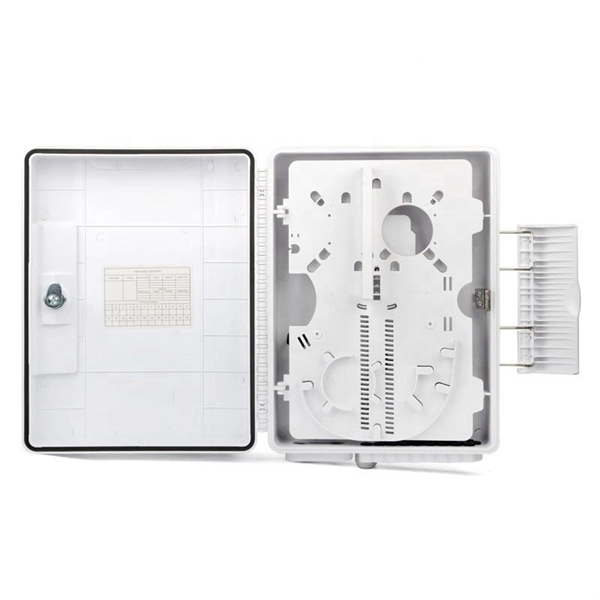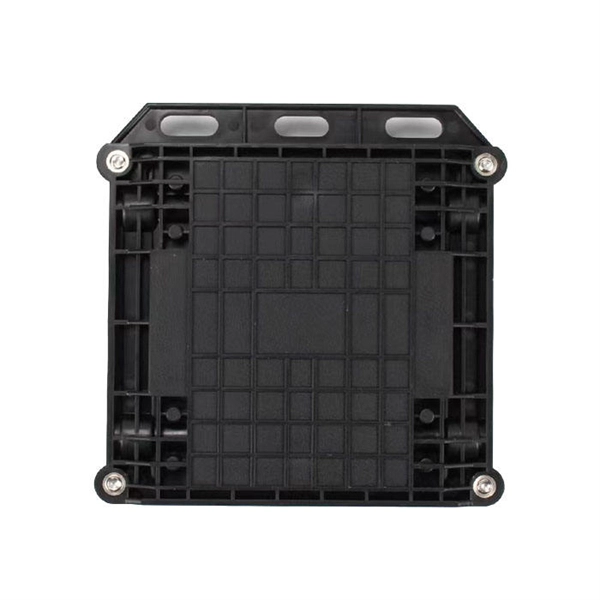
Home distribution boxes typically handle single-phase power supplies and contain 6 to 24 circuits. They include standard circuit breakers for lighting, outlets, and major appliances like water heaters and air conditioning units. You lower the chance of circuits getting too hot or overloaded when you pick the right box for your needs. You leave space for safety devices like circuit breakers and surge protectors. A distribution box, also known as a distribution board, electrical panel, or breaker box, is an enclosure that houses electrical components responsible for distributing electricity throughout a building. It receives power from the main electrical supply and divides it into separate circuits, each. Your circuit count leads directly to the box size. Most homes need: Future-Proofing: Add 20% extra circuit spaces upfront. Future solar panels or EV chargers won't require expensive upgrades. Its primary roles are distribution, protection (using devices like. Residential Settings: For homes, a distribution box should manage basic circuits for lighting, outlets, and common appliances. A smaller, compact box with standard circuit breakers is typically sufficient for household needs, where power demand is relatively low. Whether you're upgrading your home's electrical service, designing a commercial facility, or managing an industrial power system, selecting and sizing the right.
[PDF]
In Canadian service entrance panelboards the main switch or circuit breaker is located in a service box, a section of the enclosure separated from the rest of the panelboard, so that when the main switch or breaker is switched off no live parts are exposed when servicing the branch circuits.OverviewA distribution board (also known as panelboard, circuit breaker panel, breaker panel, electric panel, fuse box or DB box) is a component of an that divides an electrical power feed into subsidiary. North American distribution boards are generally housed in enclosures, with the positioned in two columns operable from the front. Some panelboards are provided with a door covering th. This picture shows the interior of a typical distribution panel in the United Kingdom. The three incoming phase wires connect to the busbars via a main switch in the centre of the panel. On each side of the panel are two.
[PDF]
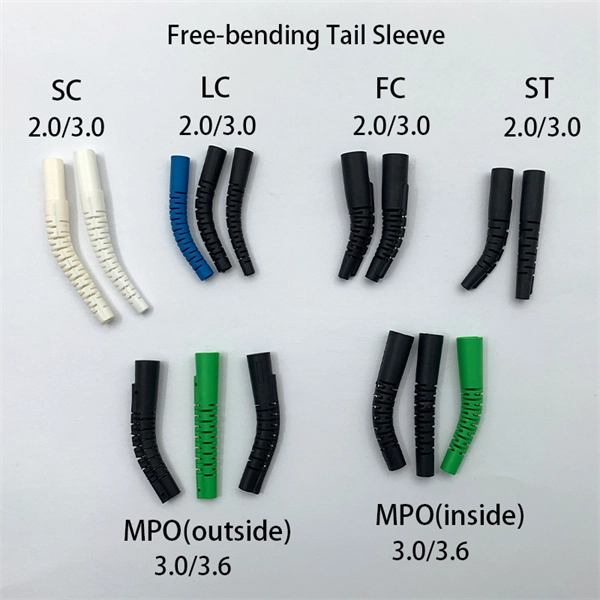
The five causes are: a settled or tilted box, outlet clogs from solids carryover, root intrusion or crushed laterals, cracked or deteriorated box structure, and a saturated drainfield that mimics D-box symptoms. A septic distribution box (D-box) is a concrete or plastic junction that evenly distributes wastewater from your septic tank to all drainfield lateral lines. When it fails, symptoms include uneven wet spots in the yard, slow indoor drains, and sewage odors. Fixes range from jetting clogged outlets. Septic tank distribution boxes play a crucial role in the functionality of a septic system. They serve as the intermediary between the septic tank and the drain field, ensuring that effluent is evenly distributed across the leach lines. When it fails — and it will eventually — the consequences can reach $30,000. Here's what every septic owner needs to know. This component receives partially treated liquid waste, known as effluent, from the septic tank's outlet pipe. The box's primary function. A septic system fails for various reasons: poor design or installation, overuse, septic tank overflow or even just the age of the system. Your leach field can even lose the oxygen rich soil conditions required for.
[PDF]
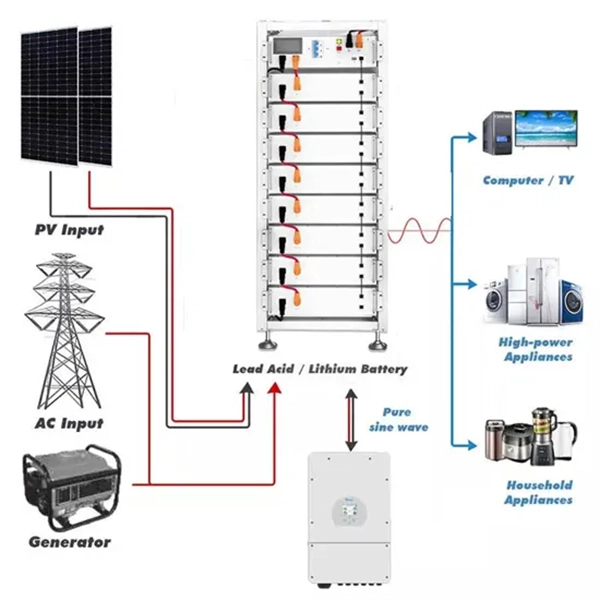
Distribution boxes act as important junctions, ensuring uniform effluent distribution to prevent system overload. Signs of issues include odors, slow drainage, and standing water. Regular inspection and maintenance are key. The outlet pipe's location is critical for proper flow. A septic distribution box (D-box) is a concrete or plastic junction that evenly distributes wastewater from your septic tank to all drainfield lateral lines. When this critical component becomes blocked, wastewater may back up into the home, flood the drainfield, or contaminate surrounding soil and. Diagnose problems at the septic system drop box: procedures for troubleshooting leaks, smells, or backups & flooding in the septic system D-box. Septic system D box installation, specifications, inspection, diagnosis, and repair: in this article series about septic system drop boxes we describe the. Septic tank distribution boxes play a crucial role in the functionality of a septic system. When it fails — and it will eventually — the consequences can reach $30,000. Here's what every septic owner needs to know.
[PDF]
Check the electrical load and ensure that the sensors do not exceed the 10 Amp maximum. Check each wire for damage that may lead to a short. Check the tightness of electrical connections along the power. Understanding how to safely and effectively test a breaker box with a multimeter is a crucial skill for any homeowner or electrician. Regular testing can help identify potential problems, prevent electrical hazards, and ensure the reliable operation of your electrical system. Ignoring this vital. When devices in your new box don't work, you start by testing the circuit. You will want a voltage tester (doesn't need to be a voltmeter) for this job. The very cheapest one you can find at a local hardware store (or online) will work great. In the merger we can see a red wire and a black wire connect the red wire to the megger's line terminal and then. This article summarizes inspection of the building electrical panel, main panel, or electrical distribution and sub panels. A continuity tester is the simplest tool for the specific task of checking for continuity.
[PDF]
A distribution box, also known as a distribution panel or board, is a cabinet that holds electrical parts used to supply power to multiple circuits within a system. It acts as the central point where electricity distribution is managed inside a building. A distribution boxes is an essential device that manages the safe and efficient flow of electrical power throughout different areas of a building or facility. It is commonly used in homes, offices, and industrial settings to control and protect electrical circuits. Understanding its significance. The distribution panel, frequently called a breaker box or service panel, functions as the nerve center for a structure's entire electrical system. This metallic enclosure receives the incoming power supply from the utility company and organizes it for use throughout the building. From powering homes and industrial facilities to supporting medium-voltage infrastructure, these enclosures ensure safe, efficient, and reliable power distribution. Today, electrical systems are essential for homes and industries.
[PDF]
Grounding of the units: Attach a ground wire from one of the threaded studs (A) at the bottom of the housing, to the mounting plate (B). The ground resistance between. This section applies to grounding of transmission and distribution lines and equipment for the purpose of protecting employees. Note to paragraph (a): This section covers. Learn what OSHA requires for electrical grounding in general industry and construction, and what violations can cost you. OSHA's grounding requirements are spelled out primarily in two sets of regulations: 29 CFR 1910 Subpart S for general industry workplaces, and 29 CFR 1926 Subpart K for. Power from factory ground must be installed by a qualified electrician. Each DISTRIBUTION BOX and controller must be grounded. On the US market, a 5. 26 mm 2 (10 AWG) ground wire must be used, and in all other markets a 6 mm 2 must be used. The lockout/tagout procedure must consider several factors, one of which is grounding. Sometimes, installing temporary protective grounding is necessary. Whether you're a seasoned pro or just starting out, this comprehensive guide will give you practical.
[PDF]
The average roughness of the explosion-proof joint surface does not exceed 6. The Code of Federal Regulations (CFR) is the official legal print publication containing the codification of the general and permanent rules published in the Federal Register by the departments and agencies of the Federal Government. The Electronic Code of Federal Regulations (eCFR) is a. Explosion-proof enclosures are used by such facilities to ensure the safe housing of electrical components that could cause a spark and ignite these gases in the atmosphere. What Is An Explosion Proof Box or Enclosure? They are a cast aluminum or iron box that can withstand a heavy-duty explosion. Explosion proof distribution boxes and electrical enclosures are critical components for ensuring safety in hazardous environments. In this article, we will explore three key aspects:. From oil & gas refineries to chemical plants, power generation facilities, and offshore platforms, explosion proof enclosures and certified ex equipment play a vital role in protecting people, assets, and operations. Rather than treating this enclosure as a simple accessory, engineers. 1、 The basic requirements for the shell are (1) non explosive performance (explosion-proof performance). The explosion-proof type of shell is mainly designed based on the principle of gap explosion-proof. In actual products, the shell and door structures can be roughly divided into two types.
[PDF]
MNS is a low-voltage switchgear assembled in the factory using standard modules. It is suitable for AC 50/60Hz, rated operating voltage below 660V, and rated current up to 6300A in power distribution systems, used for power distribution, conversion, control, and reactive power. Our Specialized Scope Of Work We Provide Engineering Design, Material Supply, Construction, Testing & Commissioning and Operation/ Maintenance Services for 230kV, Conventional and G. 66kV, 33kV, 11kV, Conventional and G. Overhead Transmission Line up to 230kV. MNS. ABB Low Voltage Products division supports a range of customers, connecting, protecting and automating critical business processes – including power and energy distribution – to improve the reliability & efficiency of their activities. Tun Naing of Ministry of Electricity. Our Strength is Quality; Our Quality is Strength. Myanmar Enercon Solutions was incorporated in Feb 2017. Enercon products has been in Myanmar since 10 years ago. The purpose of setting up an office in Myanmar is to provide existing customers better pre and post sales services. As a principle, we support our local customer by participating in. Asia Power Quality Electric Co. was established in 2014, located in Yangon, Myanmar. We are importing and distributing of High Voltage and Medium Voltage Power Products & Systems, Low Voltage Power Products & Systems and Industrial Automation Products manufactured by ABB. We are entrusted as.
[PDF]
An inclosure specifically designed to mount electrical control equipment for operation of generator sets, motor-generators, and the like, such as mode switches, circuit breakers, voltmeters, regulators, terminals and/or terminal boards and the like. New: A brand-new, unused, unopened, undamaged item in its original packaging (where packaging is. Packaging should be the same as what is found in a retail store, unless the item was. The primary number used to identify an item of production or a range of items of production, by the manufacturer (individual, company, firm, corporation, or Government activity) which controls the design, characteristics, and production of the item by means of its engineering drawings. At Orbit NSN, we offer an expansive inventory of Distribution Box components by Northrop Grumman Space And Mission Systems Corp, including part number ALH-100635, and many others. It is primarily designed to distribute electrical power from one or more primary power. Image shown is a representation only. Exact specifications should be obtained from the product data sheet. Order today, ships today. ALH 279L SS 1250 – Handle from Austin Hardware. Pricing and Availability on millions of electronic components from Digi-Key Electronics. This publication contains the following new or updated information. This list includes substantive updates only and is not intended to reflect all changes. 40 ft)] or 10 [10 m (32. 81 ft)] for standard cable lengths.
[PDF]
Overview: The VCS HUB8 is a speaker distribution hub that mounts in a structured wiring cabinet or on the wall. It connects between the speaker-level output of an amplifier or receiver and the Niles volume controls, allowing you to adjust the sound level of each pair of speakers. Removable. Open box: An item in excellent, new condition with no wear. The item may be missing the original. Tube kits consist of reflectors and bracket assemblies, tube assemblies (5- and 10-foot straight tubes, L-tubes, and U-tubes as requ andards Association (CSA) for outdoor or non-residential indoor spaces. Standard heaters are. Amazon. com Return Policy: Amazon. com Voluntary 30-Day Return Guarantee: You can return many items you have purchased within 30 days following delivery of the item to you. You can find out more about the. The Synopsys VCS® functional verification solution is the primary verification solution used by a majority of the world's top semiconductor companies. VCS provides the industry's highest performance simulation and constraint solver engines. VCS' simulation engine natively takes full advantage of. If a VCS hardware component contains covered software that is executed by its primary processing unit, does that make all software-based components on that primary processing unit covered software, simply because it physically resides on the same unit? What is VCS and VCS hardware? What does.
[PDF]
In this video, we'll walk you through the process of wiring a home distribution box with a detailed connection diagram. Whether you're an electrician or a DIY enthusiast, this guide will help you understand the basics of home electrical distribution. What is Distribution Board? Distribution board. An electrical panel box, also known as a breaker box or a distribution board, is a crucial component of any electrical system. It serves as a central hub for distributing electricity throughout a building, ensuring that power is delivered safely and efficiently to all the required locations. Distribution Board or DB is an electricity supply system or a common enclosure that distributes the electrical power feed into subcircuits. It includes isolator, RCCB (Residual current circuit breaker) or RCD (Residual-current device) devices, protective fuses or MCB's (Miniature Circuit Breaker). A distribution board or distribution box is where the main power supply is distributed to multiple loads. And all the switching and protective devices are installed in the distribution box. Single Phase Distribution Box generally consists of Double Pole MCBs, Single Pole MCBs, and RCCBs. In the following tutorial, we will show how to wire 120V single-phase and 240V split-phase circuit breakers and loads inside a residential main panel. The figure below shows a typical breaker panel used for 120V and 240V circuits. Three conductors enter the main panel from the energy meter and main.
[PDF]
Customize MOQ of Stainless Steel manufacturer from Papua New Guinea, deal with top Stainless Steel verified suppliers. We offer precision cutting services using advanced waterjet and plasma technology. We cut mild steel, stainless steel, aluminium, and specialty materials with accuracy and efficiency. Our FRAMECAD® system is the fastest and most efficient way to design and build strong, durable, steel-framed. Pacific Steel Fabricators are your trusted partner in delivering high-quality steel products and innovative construction solutions across Papua New Guinea. With a commitment to excellence, we specialize in the design, fabrication, and supply of steel components tailored to meet diverse construction. PNG Online business directory and yellow pages. Atlas Steel PNG is the biggest supplier of structural steel, reinforcing steel, merchant steel, pipes and plates in Papua New Guinea with manufacturing and sales operations in Port Moresby and Lae. A wide range of steel products including nails and screws, fencing, reinforcing mesh, roofing. “Situated in Port Moresby, NSC specialises in steel fabrication to any specification as well as supplying a comprehensive range of merchant steel. Below is a selection of some of the most popular categories we stock. Can't see what you are looking.
[PDF]
In this step-by-step tutorial, we'll cover: ✅ Tools you need ✅ Safety precautions ✅ Mounting the box ✅ Wiring tips ✅ Final checks Perfect for beginners, DIYers, and electricians who want a clear installation guide. more Learn how to properly install an electrical box safely. An electrical distribution box, also known as a power distribution box, panelboard, or consumer unit, is the core of an electrical system. It has three categories: residential, commercial and industrial electrical distribution boxes, all of which play important roles in their respective electrical. In this guide, we'll break down everything you need to know to install a distribution box correctly and confidently. Choose the right box based on environment (indoor/outdoor), load capacity, and durability. Check for proper IP/NEMA ratings and material quality. It serves as a central hub for distributing electricity throughout a building, ensuring that power is delivered safely and efficiently to all the required locations. In this video, we'll walk you through the process of wiring a home distribution box with a detailed connection diagram. Whether you're an electrician or a DIY enthusiast, this guide will help you understand the basics of home electrical distribution. What is Distribution Board? Distribution board.
[PDF]
For most homes, a 100-amp main is sufficient to handle all electrical needs; however, many new-home builders now install 150-amp or 200-amp services to ensure plenty of capacity. Electrical service panels rated at 60 amps or lower are undersized for contemporary needs. From residential 100-amp panels to massive 600 amp main distribution panels in commercial facilities, this comprehensive guide will help you understand distribution board types, sizing calculations, and installation requirements to make informed decisions about your electrical infrastructure. What. An electrical panel, often called a breaker box or load center, serves as the primary distribution point for all the power entering a home. The single most important specification of this panel is its amperage rating, which defines the maximum safe electrical current the system is engineered to. The maximum amperage that a service panel may deliver at one time is marked on the main breaker. It receives power from the utility company and distributes it to various circuits throughout your home. Each circuit powers specific areas or appliances. A sub panel, or sub panel box, extends the functionality of the main load center by distributing power to a specific area or structure away from the main. Commonly referred to as the Fuse Box, Breaker Panel, or Electric Panel, the Load Center is the heart of the electrical system in any building.
[PDF]