This guide aims to provide a comprehensive overview of the entire process of designing and installing network cabling systems. We will walk you through each step—from understanding the basics and selecting the right components to planning, installation, and maintenance. An in wall network cabinet is a special type of enclosure that fits inside your wall. Unlike traditional floor-standing racks, these cabinets are recessed, which means they don't take up valuable floor space. They're designed to hold important networking equipment such as switches, patch panels. A cabinet or rack must belong to one of the following types: Standard 19-in. four-post EIA cabinet or rack, with mounting posts that conform to English universal hole spacing per section 1 of ANSI/EIA-310-D-1992. See Reference Perforated Cabinet. The aim is a secure, maintainable and scalable operation of the network environment. Step-by-step guide: In this way, patch panels, switches, cable routing and documentation are. Selecting the right network rack and cabinet types is crucial for accommodating your equipment and ensuring efficient airflow. For more information, see Requirements Specific to Perforated. Server racks, from a strict technical point of view, are designed to house computers that are dedicated to serving out data and the associated uninterruptible power supplies (UPS) to keep them running in the event of power failure. Often server racks are deep and are 23” wide, although 19” wide.
[PDF]
A Network Cabinet, often interchangeably called a server rack, is a physical frame or enclosure designed to house and organize various types of network hardware and accessories. This includes routers, switches, servers, patch panels, and other networking equipment. Not only a simple storage unit, a network cabinet is a key player in safeguarding and organizing critical network equipment. Whether you're setting up a new office or streamlining an existing network, understanding the importance, types, and usage of network cabinets is crucial. In this. Whatever location you choose, make sure it has adequate ventilation and is easily accessible. Once you've chosen the location, the next step is to select the right wiring cabinet. There are various options available, ranging from simple wall-mounted enclosures to larger floor-standing cabinets. Together, these reduce downtime by 18% and keep your IT infrastructure running smoothly. Let's explore each category in detail. When you set. Network server cabinets are the backbone of modern IT infrastructure, housing critical components that enable data processing, storage, and communication. The primary purpose of a network cabinet is to provide a centralized location where all. A network cabinet plays an essential role in the data center. Network cabinet helps improve cable management, physical security, ease of installation, etc. This article provides a simple guide to.
[PDF]
Q: Is a network rack worth it for a home network? A: Absolutely. If you have more than just a modem and router—think a switch, NAS, patch panel, or UPS—a small wall-mount rack organizes and protects your investment, ensuring reliability. A networking rack, often referred to as an equipment rack, stands as a foundational component in the realm of network infrastructure. Crafted from durable metal, its primary role is to securely house and systematically organize a variety of networking devices. This setup is designed for. At some point, the question becomes practical rather than technical: do you actually need a server rack at home? The answer is not automatically yes. But it is also not limited to enterprise IT environments. The racks are typically made of steel or aluminum for durability and strength and are designed to be. While server racks are engineered to support mission-critical, heat-intensive computing environments, network racks prioritize cable routing, switch management, and patch panel accessibility. Learn more about how airflow affects server performance in our detailed guide on how airflow works inside a. If you're new to networking or wondering whether you need a network cabinet, this beginner's guide will help you understand what they are, how they work, and why they are more important than ever in 2025. These racks enable efficient space utilization, proper ventilation, and organized cable management—critical for maintaining reliable.
[PDF]
ADT used to require professional installation for all security systems, but the latest ADT Plus system now allows either DIY or professional installation, much like SimpliSafe. It still includes best-in-class equi.
[PDF]
In this guide, we'll explore top network rack options like the TECMOJO 12U Open Frame Network Rack and the ECHOGEAR 10U Network Rack. We will also cover features to consider, such as size, mounting style, and additional accessories. The 42U AV rack mount comes with thermostat, LCD screen, cooling fans, dust-tight cable entries, powerbar, casters, shelf, and fully locking cabinet doors and side panels. Ubuy works hard to protect your security and privacy. Our advanced payment security system ensures confidentiality by. Rack para servidor My Connection 8u. ULTIMOS! New and used Network Server Racks for sale in Montevideo, Uruguay on Facebook Marketplace. Find great deals and sell your items for free. A network rack is essential for organizing and securing your IT and AV equipment. Whether you need a wall-mounted or floor-standing rack, the right choice can make a big difference in your setup.
[PDF]
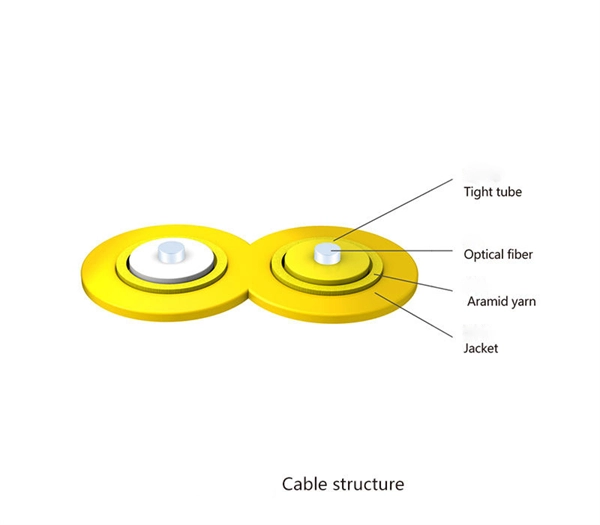
The modern world relies heavily on electrical and communication cables that must be managed and supported across vast distances in commercial and industrial settings. A cable tray is an organized support structure designed to secure and route these insulated electrical cables. In the electrical wiring of buildings, a cable tray system is used to support insulated electrical cables used for power distribution, control, and communication. Cable trays are used as an alternative to open wiring or electrical conduit systems, and are commonly used for cable management in. Whether you're planning a new office setup or upgrading your existing network, the choice of a cable tray system plays a significant role in ensuring the reliability and scalability of your structured cabling solution. It acts as a. en completely installed, without damage either to conductors or structural system use maintain spacing or to keep cables in place when the tray is ect the minimum bend ra-dius for cables as they exit the bottom of the cable tray. A rung spacing of 6 to 9 inches (150 to 230 mm) is preferable when. Explore various cable tray types and sizes for electrical installations. Learn about ladder, perforated, solid-bottom, wire mesh, and channel trays in this complete guide. What is Cable Tray Systems? 1.
[PDF]
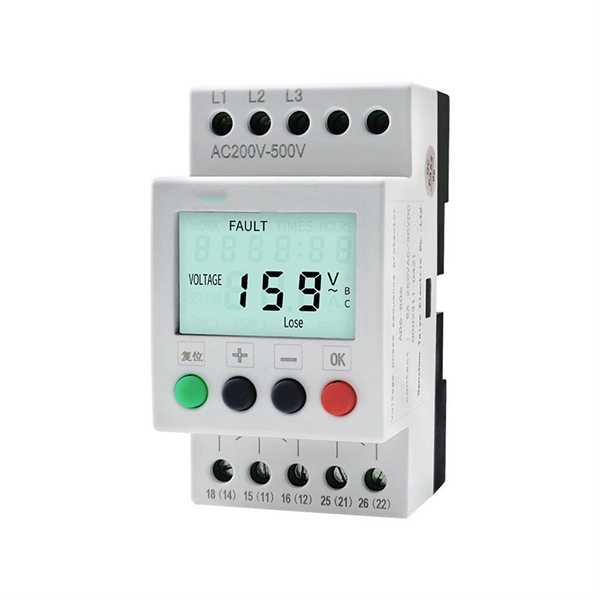
In the ring distribution network, differential relays, which rely on communication between the protection relays, are used for the underground cable protection. To guarantee cable protection when communication is failed, an auxiliary protection by using directional overcurrent. The use of ring circuits in 6 – 35 kV distributed electrical networks can improve the reliability of power supply. An increase in the load power and the share of distributed generation and renewable energy sources causes the redistribution of the power flow during the operation of an electrical. The selected protection principle affects the operating speed of the protection, which has a significant im-pact on the harm caused by short circuits. The faster the protection operates, the smaller the resulting ha-zards, damage and the thermal stress will be. Further, the duration of the voltage. ABSTRACT: Over current protection is the simplest form of power system protection of distribution line. In. The purpose of this study is to investigate the coordination of overcurrent relay in different types of the distribution network, which are radial, ring, and interconnected distribution system during line to ground fault occurrence at the bus. Usually, this refers to medium-voltage networks, since they are protected by numerical relay devices, as opposed to low-voltage networks, where utility operators allocate.
[PDF]
In this paper, we experimentally demonstrate a digital signal processing (DSP)-enabled 50G on–off keying passive optical network (PON) using cost-effective O-band 10G directly modulated laser and 10G aval.
[PDF]
It can also describe a unit that is 1U high and half the depth of a 4-post rack (such as a network switch, router, KVM switch, or server), such that two units can be mounted in 1U of space (one mounted at the front of the rack and one at the rear).OverviewA rack unit (abbreviated U or RU) is a unit of measure defined as 1+3⁄4 inches (44.45 mm). It is most frequently used as a measurement of the overall height of, as well as the height of eq. The rack unit size is based on a standard rack specification as defined in -310. The specifies a standard rack unit as the unit of height; it also defines a similar unit, (HP), used to measure the width o. A typical full-size rack is 42U, which means it holds just over 6 feet (180 cm) of equipment, and a typical "half-height" rack is 18U–22U, which is around 3 feet (91 cm) high. The mounti.
[PDF]
To increase the security of your network, consider adding one of the following 10 hardware firewalls which are suitable for home and small business networks. I have carefully selected the following devices ba.
[PDF]
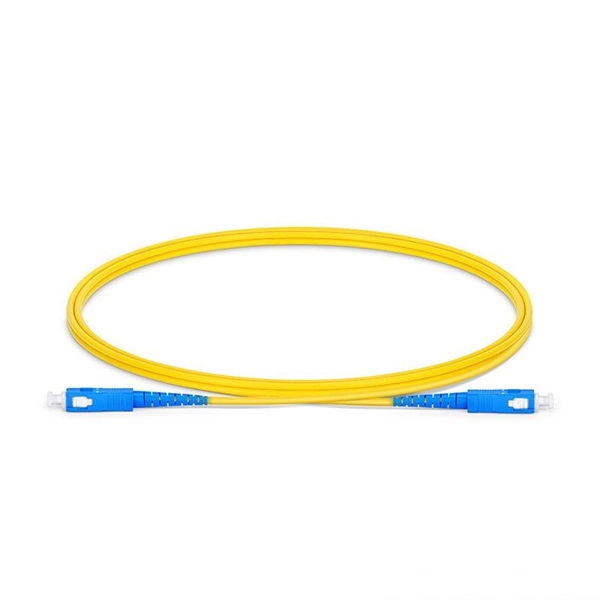
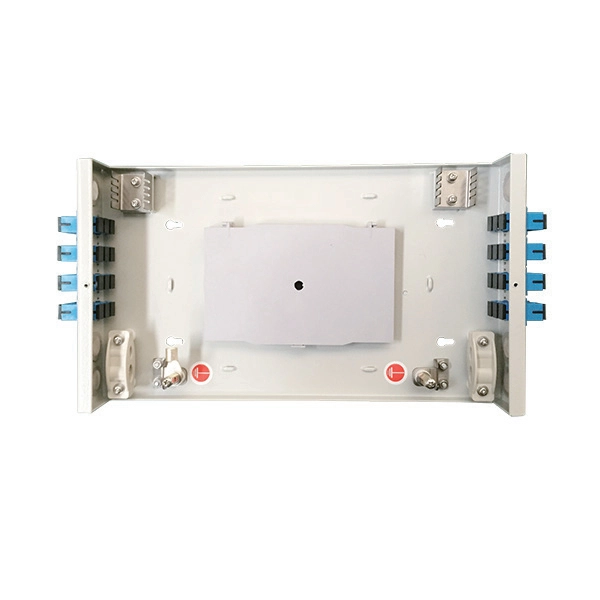
The adapter is instrumental in interfacing devices with fiber optic networks by converting optical signals to electrical signals, and vice versa. This guide covers adapter types, selection criteria, cleaning tips, FAQs, and B2B customization options to help businesses build reliable and scalable fiber networks. Fiber optic adapters may be small, but. Fiber optic networks rely on specialized cables that are designed to transmit data using light signals. Unlike traditional copper-based networks, fiber optic cables are made of ultra-thin strands of glass or plastic called optical fibers. These fibers are incredibly efficient at transmitting light. What is a Fiber Optic Network Adapters? A fiber optic network adapters, synonymous with a fiber optic NIC (Network Interface Card) or transceiver, is an intermediary that facilitates the connection between devices and fiber optic networks. They have a single fiber connector (simplex), dual fiber connector (duplex) or sometimes four fiber connector (quad) versions. Here's a detailed explanation of its usage: Fiber adapter panels house fiber optic adapters, which are essential for connecting fiber optic cables. They play a crucial role in linking optical fibers together, allowing for seamless transmission of data across vast distances. Whether you are setting up a new network or upgrading your existing one, understanding the.
[PDF]
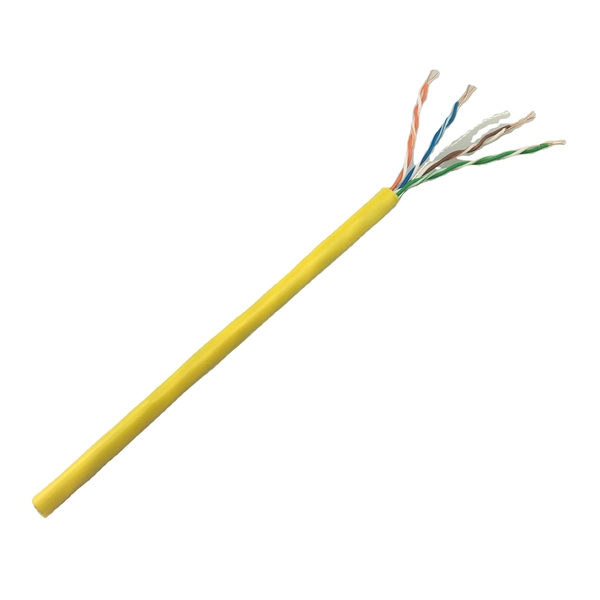
In this guide, we will walk you through the process of setting up a network switch, from selecting the right equipment to connecting and testing the network. Ethernet switches, also called network switches, connect multiple devices via Ethernet cables. In contrast, a router connects your local area network (LAN) to the internet's. A practical, current guide to planning, pulling and terminating Cat6/Cat6A cable — tools, techniques, testing and labeling for reliable results. By Thomas McCormack • Updated Mar 17, 2026 • 12 min read • Lead Technician and Engineer, Data Wire Solutions Disclosure: Some links may be affiliate. With an Ethernet cable, you can hardwire your devices to your network, providing fast and efficient. Your ethernet switch doesn't come with any ethernet cables, so you want to have some on hand when setting up your switch. You'll need one cable to connect your ethernet switch and router together (assuming you want to provide your devices with an ethernet connection to the internet), and an. A network switch is a crucial component in any modern network, enabling seamless communication between devices. By the end of this tutorial. Connecting a network switch involves physically connecting devices using Ethernet cables and configuring them as needed, ultimately expanding your network connectivity and improving network performance. Connecting a network switch is a foundational skill for anyone managing a home or small business.
[PDF]
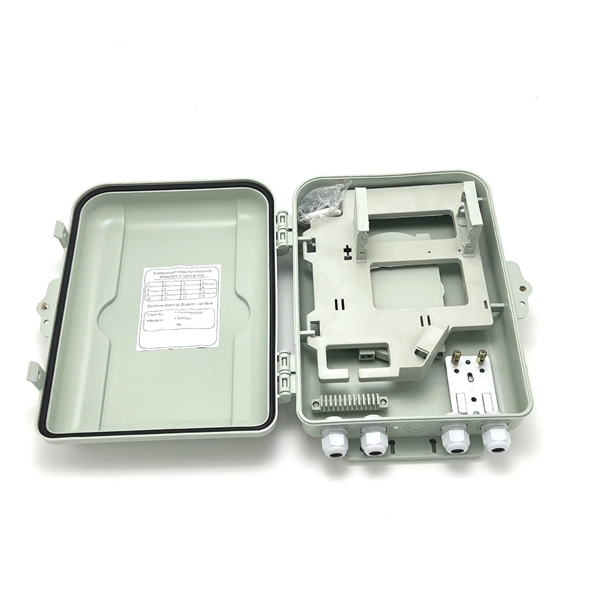
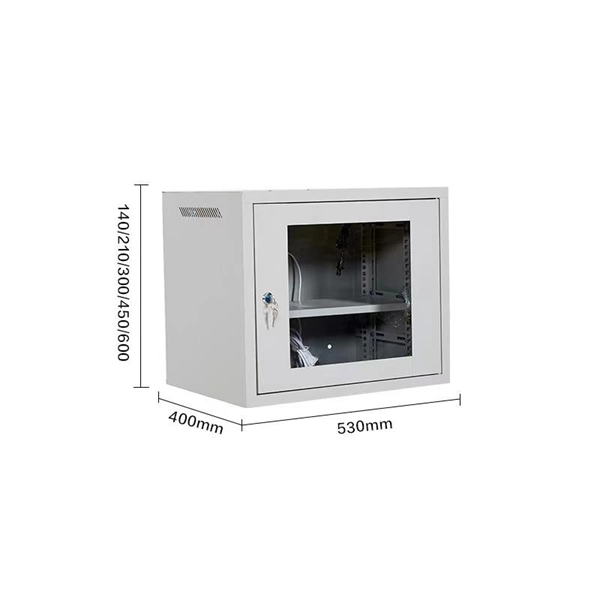
Network cabinets are enclosed systems designed to securely store, organize, and protect networking and IT equipment such as switches, routers, patch panels, servers, power strips, and cable management components. Ground-Mounted Load Capacity, with Locking Glass Door Side Panels, for IT Equipment, A/V Devices VEVOR 9U Wall Mount Network Server Cabinet, 15. 5" Deep, Server Rack Cabinet Enclosure, 200 lbs Max. Whether you're setting up a new office or streamlining an existing network, understanding the importance, types, and usage of network cabinets is crucial. These cabinets are widely used in server rooms, network wiring closets, industrial. Network Racks and Cabinets are essential for any network. From. Our vast selection of cabinets, thermal management, racks, enclosures for data centers, telecommunications equipment rooms, and enterprise cabling applications help optimize space, reduce energy consumption, and enhance network reliability. FlexFusion™ Cabinets XG offer a unique universal platform.
[PDF]
Identify and compare relevant B2B manufacturers, suppliers and retailers Max. AZE designs, manufactures, and supplies a comprehensive range of indoor and outdoor IT infrastructure solutions, including server racks, network cabinets, NEMA-rated waterproof enclosures, Battery Energy Storage Systems (BESS), PDUs, KVM switches, and copper and fiber connectivity products. The company is a leading Mexican manufacturer with over 50 years of experience in the storage systems market, specializing in the manufacturing and distribution of high-quality and innovative racks tailored to meet.
[PDF]
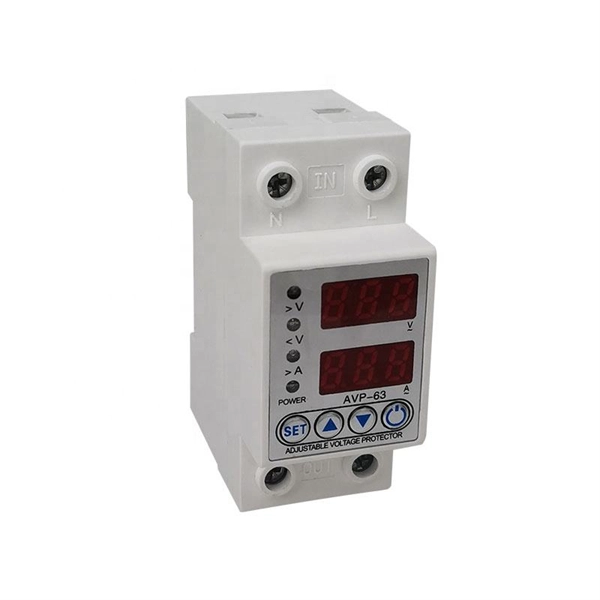
This guide will provide you with a detailed Cat 6 socket wiring diagram, outlining the necessary steps and components required for a successful installation. If you want to install a classic network socket, you must first strip the Cat. A special stripping tool for data cables is used here – for example, the Stripper No. Use side A to remove the protective jacket. 35, you can shorten the network cable (Cat. 7) a little bit, if required. If you have too much cable left, it will be harder to. Learn how to wire a distribution box step by step! This video shows real on-site footage of electrical installation, demonstrating safe and standardized wiring methods used by professionals. 5mm² wires, and the air conditioning circuit can use 2. Connection method: Each switch takes a wire from the incoming point and connects it to the incoming end of the switch, or uses parallel connection to reduce the difficulty. Learn how to install a distribution box safely and correctly. Covers wiring, placement, standards, and expert tips for a compliant setup. A distribution box is the heart of any electrical system. It takes the incoming power and safely distributes it to different circuits throughout your building. Understanding the wiring diagram of an electrical panel box is essential for electricians and homeowners alike, as it allows them to troubleshoot any electrical issues, carry out repairs, or make additions to the system.
[PDF]