Various optically switched architecture prototypes, based on the above optical switches, have been proposed to demonstrate the potential of optical data center networks. Optical data center networks are mainl.
[PDF]
Port aggregation allows you to group multiple physical ports into one unit. Port aggregation is useful for implementing load balancing and provides a redundant link backup. By aggregating. All UniFi Switches support aggregation, except USW-Flex, USW-Flex-Mini and USW-Ultra. Port aggregation is not supported on most UniFi Gateways; it is only supported on the EFG, UXG Enterprise, UDM Pro, UDM SE and UDM Pro Max. Because of this, you should not aggregate two ports connected from a. In computer networking, link aggregation is the combining (aggregating) of multiple network connections in parallel by any of several methods. Link aggregation increases total bandwidth beyond what a single connection could sustain, and provides redundancy where all but one of the physical links. A Link Aggregation Group (LAG) optimizes the usage of switch ports by linking a group of ports to form a single, logical, higher-bandwidth link. Aggregating ports multiply the bandwidth and increase port flexibility for Sophos Switch. Network administrators typically use this technique to increase backbone capacity between switches or to support high-speed data pipelines for servers. By establishing a.
[PDF]
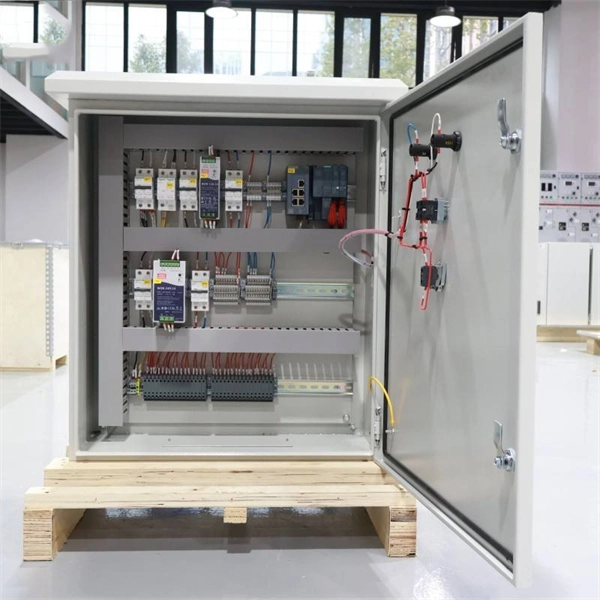
Port aggregation can increase maximum throughput, and allow for network redundancy. It does this by splitting traffic across multiple ports instead of forcing clients to use a single uplink port on a switch. Note that these performance improvements will only occur when multiple clients are passing. Did you know that fixed broadband speeds in the United States now average over 150 Mbps? Many connections stall because of single-port limits. This leaves users stuck in the slow lane. That's where ethernet port aggregation comes in. It combines multiple ports into one link to boost speed and cut. An Aggregation or "Top-of-Rack" switch is designed to connect everything in a rack at high speeds, then have an even bigger pipe out to the rest of the network. The regular Aggregation switch is best used to connect all devices in a rack. Port aggregation allows you to group multiple physical ports into one unit. The following list details the basic. You can configure a mixed rate of link speeds for the aggregated Ethernet bundle. Link speeds of 10GbE, 40GbE, and 100GbE are supported. This is commonly done to provide increased bandwidth between the switches and redundancy in the event of one of the links failing. How Much Total Bandwidth is.
[PDF]
Control signal choices for fiber optic switches include RJ-45, RS232, RS422, and TTL. Common switch features include rack mountable and LED indicators. An important environmental parameter to consider for fiber optic switches i. Control signal choices for fiber optic switches include RJ-45, RS232, RS422, and TTL. Common switch features include rack mountable and LED indicators. An important environmental parameter to consider for fiber optic switches is the operating temperature. Fiber optic switches can interface with two types of cables: 1. single mode 2. multimode Single modeis an optical fiber that will allow only one mode to propagate. The fiber has a very small core diameter of approximately 8 µm. It permits signal transmission at extremely high bandwidth and allows very long transmission distances. Multimodedescribes. Important switch performance parameters to consider when searching for fiber optic switches include: 1. wavelength range 2. number of input ports 3. number of output ports 4. switching time 5. insertion loss 6. polarization dependent loss 7. cross-talk 8. data rate 9. switching voltage The wavelength range specifies the wavelength range the switch.
[PDF]

How to connect multiple switches in a network with clear steps and tips for effective setup and configuration. Where two directly connected PCs in different ip networks are able to ping each other if their network interfaces have their own ip address set as a gateway address too. Scenario 2 Where two or more Cisco switches are connected to a single common switch, each has a VLAN interface configured with a. In my organization, we have 2 networks. A network for staff and another network for public Wi-Fi. I will have to use a switch, because there is a computer that has to be connected to the staff network there also. You can daisy chain them, star link them, cascade them, cluster them or stack them. That is because they offer specific benefits that many modern network designers find. In the world of networking, Ethernet switches are integral components that provide the necessary interconnects for our devices. Sometimes, one switch is not enough to meet our needs, whether in terms of port number, specific functionalities, or both. Thus, multiple Ethernet switches are connected. Whether you are expanding your network, creating redundancies, or optimizing data flow, understanding how to connect network switches is a fundamental skill for any network administrator or enthusiast. In this guide, we will explore these two approaches and provide you with the necessary details to make an informed.
[PDF]
The generally accepted and code-compliant height for switches is typically 48 inches (4 feet) from the finished floor to the top of the switch box. This standard helps ensure accessibility and consistency across installations. While the National Electrical Code (NEC) doesn't specify a mandatory standard outlet height for most general-use receptacles, established industry best practices and accessibility laws provide clear guidance. The NEC (Article 210. 52) specifies where receptacles must be placed (spacing along walls, required. The commercial electrical code requires switches at 42 to 48 inches and receptacles at 18 inches above finished floor in most applications. This height is an ergonomic choice, aligning well with the average reach.
[PDF]
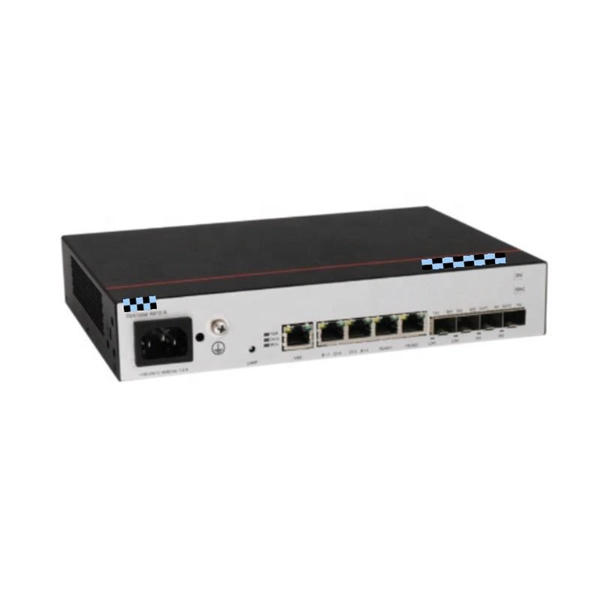
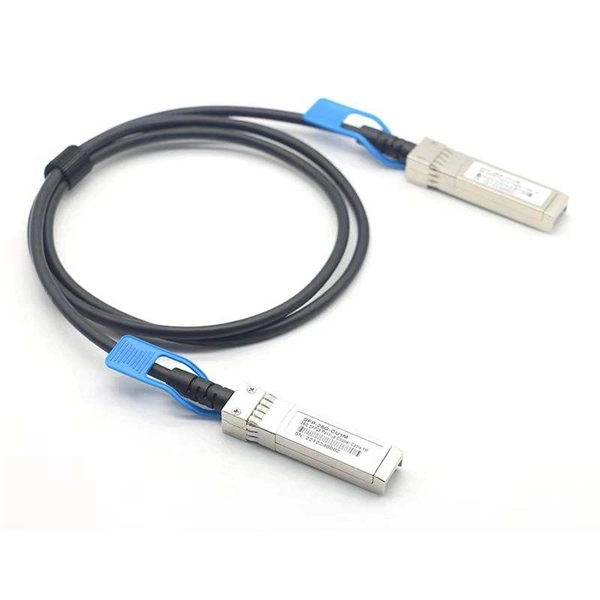
Routers and switches need to use optical modules and fiber patch cord to realize the interconnection between network devices. Usually, Gigabit switch can be matched with gigabit optical module and 10 Gigabit optical module. Optical switching represents a fundamental technological evolution, shifting data routing from the domain of electrons to the realm of photons, or light. This transition allows data to remain in its native optical form as it travels through fiber optic networks, eliminating the need for. Optical switches are devices that route light signals from one path to another without converting them into electrical signals first. They're a core component in fiber-optic networks, where data travels as pulses of light through glass fibers. Every time that light needs to change direction or jump. An SFP (Small Form-factor Pluggable) module is a hot-swappable transceiver used in switches, routers, servers, and telecom equipment to transmit data over fiber or copper connections. Different SFP modules support different: That's why selecting the correct model matters. Think of it as the “translator” for your network equipment, converting electrical signals into optical signals. Switch optical modules, which convert electrical signals to optical signals and vice – versa, and optical interfaces, which serve as the physical connection points, play a pivotal role in determining the speed, distance, and reliability of data transmission.
[PDF]
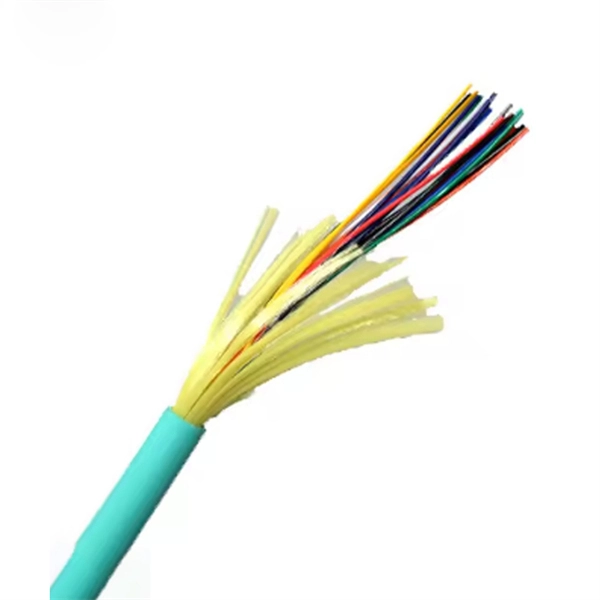
Fiber optic cables are, like their name suggests, a cable that uses light, rather than electricity to transmit information. They're made from silica glass fibers about the same width as a human hair, which all.
[PDF]