It is 827 kilometres (514 mi) long and was activated in 2013. It has cable landing points at Sopu, a suburb of Nukuʻalofa in Tonga, and Suva, Fiji. The project was funded by Asian Development Bank and the World Bank. With reliable digital connectivity vital to Tonga's economy, the AIFFP is working with partners to provide critical redundancy for Tonga's undersea cable network. We're working with the Governments of Tonga and New Zealand to build a new international undersea telecommunications cable to Tonga. The. The Tonga-Fiji Submarine Cable System (also known as Tonga Cable) is a 827km fiber optic submarine cable system linking Nuku'alofa, Tonga and Suva, Fiji, and connects to the Southern Cross Cable Network at the Suva Cable Landing Station in Fiji. The financial and economic analyses. Tonga Cable Limited is a public enterprise, we are 80% owned by the Government, providing reliable, safe and affordable high speed internet as its core service. Tonga Cable Limited was formed in November 2009, with approval of Government of Tonga, to build and manage a submarine fibre optic cable. In my previous analysis from August 2024, I explored the vulnerability of Tonga's fiber optic submarine cable infrastructure, proposing satellite broadband as a more resilient connectivity solution. Recent events have only reinforced that assessment. As reported on Matangi Tonga, Tonga's domestic.
[PDF]
Ans.The main purpose of the cable tray is to keep the cable and wire safe and secure. These trays keep wires in place and make it easier for maintenance personnel to monitor and find wiring-related components. Ans.The Cable Management Market is predicted to grow at a CAGR of 10.76 percent over the next five years. Ans.Cable trays provide flexibility in wiring system design, simplicity, and lower installation costs. In facilities wherein the gear is added, removed, or transferred, cable trays provide a flexible advantage. Explore More: 1. Fiber Optic Cable Manufacturing Companies In India - 10 Best Manufacturers 2. Cables: Top Manufacturers, Suppliers & Expor.
[PDF]
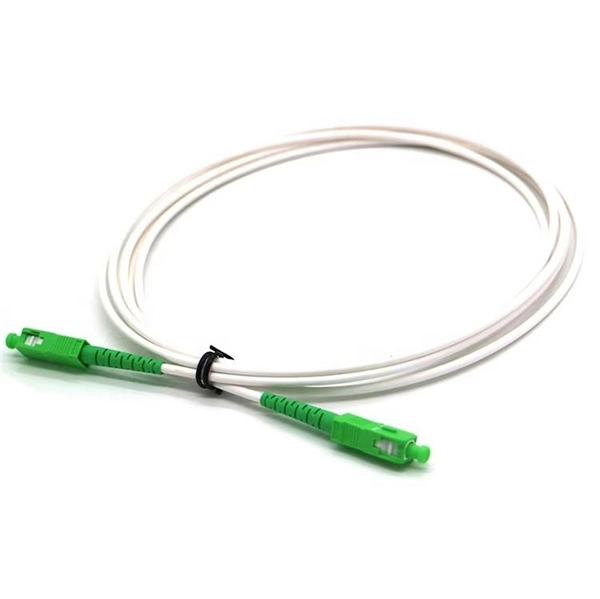
Prices typically range from about $0. 50 per foot for fiber optic cable and basic installation, depending on indoor vs outdoor routing, distance, and terrain. Commercial building installations with 100-200 network drops generally range from $15,000 to $30,000. Single-mode fiber costs less per foot than multimode fiber, but it requires more. Buyers typically see a wide range in fiber cost per foot depending on cable type, installation method, and terrain. The main cost drivers include cable type (single-mode vs multimode), whether the run is indoors or outdoors, trenching or direct burial requirements, and labor time. This guide presents cost ranges in USD and highlights how per-foot pricing translates to total project costs for typical. The Fiber Broadband Association has partnered with Cartesian to research the cost of deploying fiber and provide insight on how these costs are evolving over time. In preparing this second edition of the Fiber Deployment Cost report, Cartesian gathered inputs from a wide variety of firms building. 1) Proofing and Placement - Per foot pricing for proofing and placement of approximately 1,856,332 ft (351. 864F Prysmian non-armored ribbon cable (24 Fibers per ribbon) into existing empty. conduit (price includes the provision of redline documentation, fiber cable. Buyers typically pay for the cable itself, termination hardware, and professional installation. The following guide outlines typical costs, with practical ranges in USD.
[PDF]
Established in 2002, HighJoule (HJ Group) is a leading and professional energy storage company in China, dedicated to providing efficient, intelligent, and green energy storage solutions for global customers. <br/> The company owns two well-known sub-brands: Huijue and LZY. Founded in 2002, Huijue Group is a high-tech service provider integrating intelligent energy storage equipment and computer intelligent network communication system integration and application. Huijue Network's products are exported to Europe, North America, Southeast Asia and other countries and. Huijue Group, founded in 2002, is a leading technology innovation company in the field of energy storage systems. The company is dedicated to becoming a leader in the. Premier producer of solar energy storage solutions & Site-specific Products, excelling in quality & efficiency. Huijue's solar energy storage solutions are tailored for maximum efficiency and site-specific requirements. The group owns 6 wholly-owned subsidiaries and 4 major production bases located in Shanghai, Yangzhou, Haian, and.
[PDF]
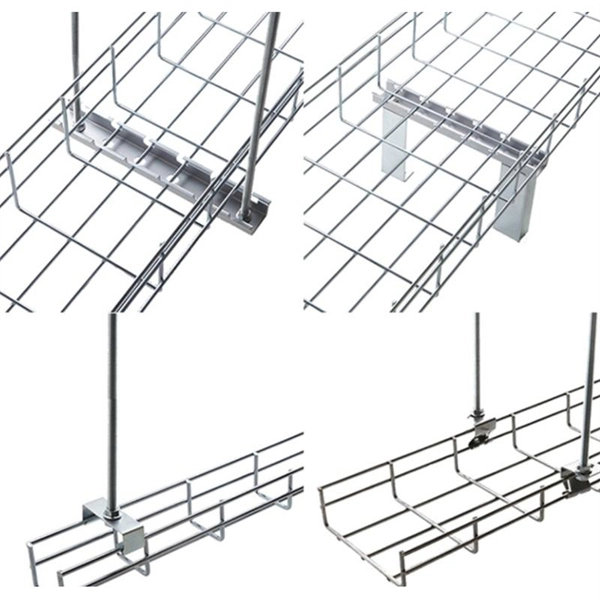
Discover our wide range of High-Quality Cable Trays that are manufactured in Kenya. Our Cable Trays Provide an economical and effective method of protecting, supporting, and transporting cables in commercial & industrial installations. Available in Galvanized . Galvanized cable tray systems support reliable electrical installations across Kenya's growing infrastructure projects. Contractors choose galvanized cable tray products for durability and corrosion resistance. Therefore, developers rely on these systems in commercial and industrial buildings. Available in Galvanized, Powder coated, or both. The main. Buy Galvanized cable trays in Kenya from Hubtechshop in Nairobi, Kenya 25mm x 50mm Galvanized cable trays for Metallic Trunking brings out a stylish finish when it comes to structured cabling either for the power of for data cables as they create a path in a building where these cables pass. Duff Engineering is your trusted provider of premium cable trays in Kenya. We offer competitive Cable trays prices in Kenya to suit various industrial and commercial applications. Cable trays can be mounted onto a wall or suspended from a ceiling to provide a track that allows cables and wires to be routed around a building in an easily maintainable manner. Often made of galvanized or stainless.
[PDF]
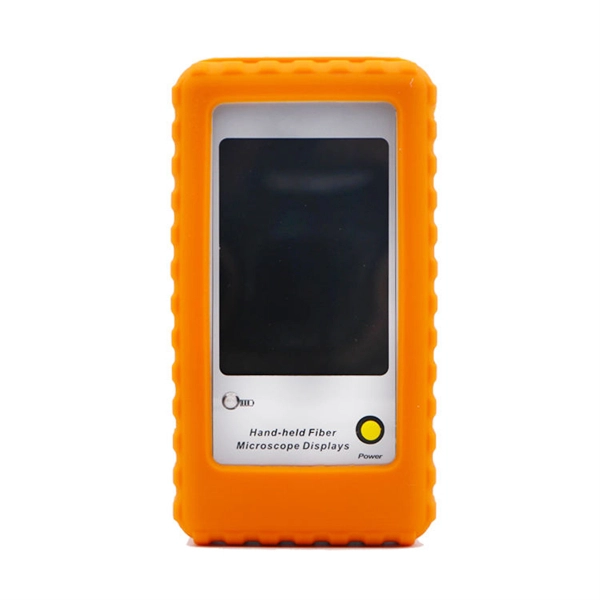
Optical splitters enable a signal on an optical fiber to be distributed among two or more fibers. Since fiber splitters contain no electronics nor require power, they are an integral component and widely used in most fiber-optic networks. A fiber optic splitter is a passive optical component that divides a single incoming optical signal into two or more outgoing signals, or combines multiple incoming signals into one. Unlike active devices (which require power), splitters operate without electricity, relying solely on the physics of. Optical cables, also known as fiber optic cables, consist of thin strands of glass or plastic fibers surrounded by a protective casing. These fibers transmit data as light signals, which are converted into electrical signals at the receiving end. The benefits of optical cables are numerous. A fiber-optic splitter, also known as a beam splitter, is based on a quartz substrate of an integrated waveguide optical power distribution device, similar to a coaxial cable transmission system. Its primary role is in Passive Optical Networks (PON), which are the foundation of. A fiber broadband provider typically determines and overall split ratio for the network, such as 1x32 or 1x64, and uses combinations of splitters to meet that ratio with each PON port. 1x32 splits were common in North America for G-PON architectures. As XGS-PON continues to be adopted, some service.
[PDF]
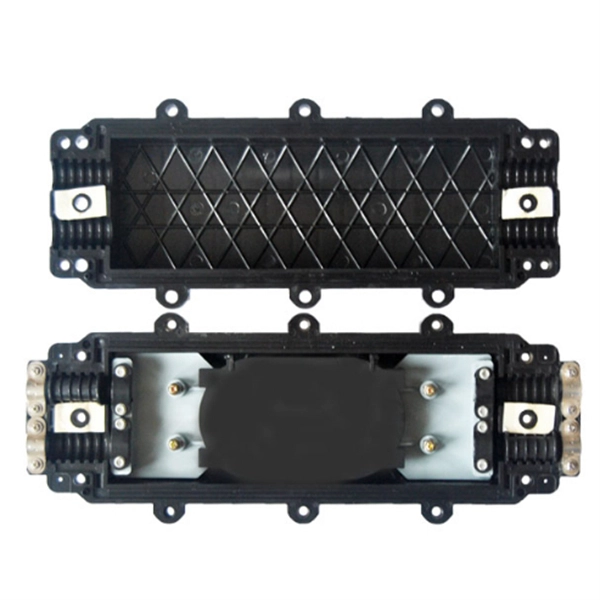
OPGW cable joint box installation involves several key stages: selecting the appropriate location, preparing both the cable and the joint box, splicing fibers, and sealing the joint box properly. Adhering to these steps ensures optimal performance and longevity of the telecommunications system. Optical fiber junction boxes are essential components in outdoor optical fiber cable installations. In this article, we will discuss the necessary steps and best practices. The Indoor/Outdoor Splice Box is a wall-mounted, indoor/outdoor fiber splice enclosure for centralized splice-only applications. These boxes are well suited as optical cable splice collection points for MDU (Multi-Dwelling Unit) residential fiber network applications, MTU (Multi-Tenant Unit). The installation of an optical cable junction box is crucial in ensuring the integrity and performance of optical networks. As we enter 2024, adhering to best practices not only enhances system reliability but also mitigates potential issues that can affect customer experiences. Installing a fiber optic splice closure efficiently and effectively requires attention to detail and. AFL's SB01 splice enclosure provides protection from all types of elements. From weather to bullets, the iron and steel construction requires no additional protective covering. Furnished with four plugged cable ports (2 aluminum and 2 plastic) for either All-Dielectric Self-Supporting (ADSS) or.
[PDF]
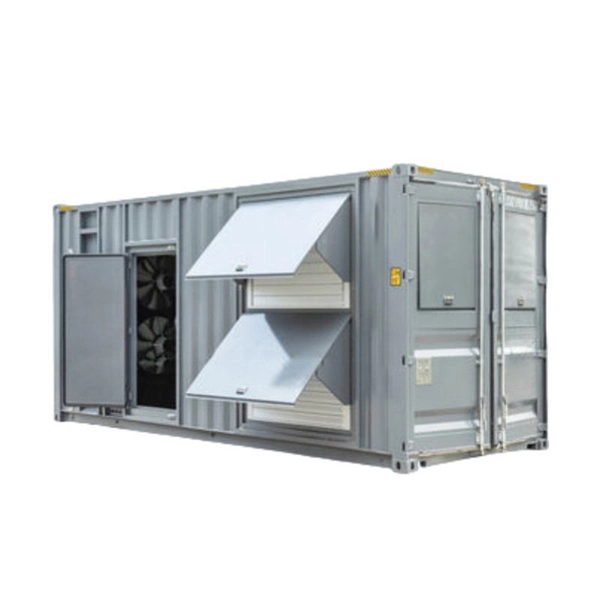
High-quality 8 Core ADSS Fibre Optic Cable (4KM) designed for FTTH, backbone, and outdoor aerial installations. Durable, lightweight, and weather-resistant – ideal for long-distance communication networks in Kenya. Buy Now!. Armored fiber optic cables are built for strength and reliability, making them the preferred choice for outdoor, underground, and industrial fiber installations in Kenya and East Africa. Buy Now! The Fibre FTTH ADSS 8Core Cable (4KM) is built to deliver high-speed. A 8-core multimode outdoor fiber optic cable is designed for use in outdoor environments to transmit data over short to medium distances with multiple fiber strands. This fiber optic cable has low dispersion and attenuation. Each core is. 8 Core Multi-mode Fiber Out Door Cable – Ksh/ 130 Per Metre | 8 Core Single Mode Outdoor Fiber Cable- 120. 8 core Multimode | Singlemode Armored Fibre Cable per Metre is effective for building backbone applications, the duct grade unitube cable range has been designed to be lightweight and compact. Looking, for Fiber Optic ADSS Cables in Kenya, or in Eastern African countries. We are the number one company selling and distributing fiber optic cables from 12F, 24F, 48F, 96F, 144F. We are located in Mombasa Road next to Panari hotel. Designed for outdoor applications, it offers excellent reliability and is ideal for installations where aerial.
[PDF]
All efforts have been made to incorporate all relevant up to date information available, any discrepancies or need for addition or deletion is felt necessarily may please be intimated to this office for further i.
[PDF]
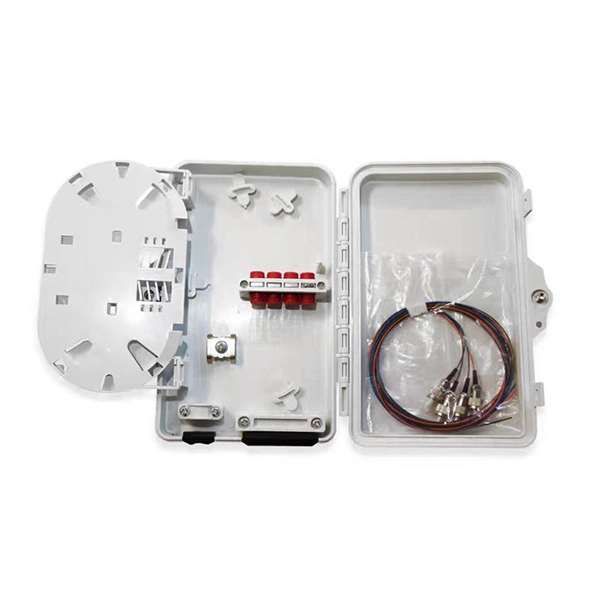
olution for projects of all sizes. It also allows for easy access to cables, which simplifies th no specialis rdance with the NEMA requirements. The data displayed is based on physical test results of a 600 wide sec. Keep your cables safe and organized with Brilltech Engineers Pvt. We offer top-notch Galvanized Cable Trays in Papua New Guinea. These metal trays, coated with a special zinc shield, resist rust and last a long time, even in tough environments. They keep your wires tidy, cool, and protected. ng; Power, Data, and Audio Visual. A quick and easy system to install without the need for specialised tools or equipment, makes it a first choice for Comm solution that works for your job. This tray is stocked in a range of Pre-Galv and Hot Dip Galv finishes, which can also be powder coated and. As one of the best Galvanized Cable Tray Manufacturers in Papua New Guinea, we are trusted by people not only within the boundaries but even beyond that. Our custom-based products are able to match up your distinct needs. is a trusted brand that you can rely on. We have a well-equipped manufacturing unit with all the advanced resources to cater to your distinct requirements as per your industry preferences. Being one of. Jeetmull Jaichandlall (P) Ltd. We believe in building fruitful business partnerships. Every buyer chooses us first because of our excellent finishing. There are no reviews yet. against firm orders only and are non-returnable.
[PDF]
Fibre Channel is standardized in the of the International Committee for Information Technology Standards (), an (ANSI)-accredited standards committee. Fibre Channel started in 1988, with ANSI standard approval in 1994, to merge the benefits of multiple physical layer implementations including, and. Fibre Channel was designed as a to overcome limitations of the SCSI and HIPPI physic.
[PDF]

This interactive submarine cable map shows global undersea and underwater fiber optic cables connecting continents and countries worldwide. Explore cable routes, landing stations, system status and infrastructure updates. This visualization shows the growth of the undersea cable network, global internet peering capacity, and the distribution of IP addresses via BGP announcements over time. Use the controls at the top to play the animation or step through year by year. For more details and insights, please read this. Deep Sea Laying System will dominate with a 59. 0% market share, while digital communication infrastructure will lead the application segment with a 64. The offshore fibre optic cable lay market is valued at USD 3. 0 billion in 2025 and is forecasted to reach USD 6. 5 billion by 2035. Fibre-optic Link Around the Globe (FLAG) is a 28,000-kilometre-long (17,398 mi; 15,119 nmi) fibre optic mostly- submarine communications cable that connects the United Kingdom, Japan, India, and many places in between. As digital economies expand and geopolitical tensions shape technological dependencies, undersea cables emerge not. The global Offshore Fibre Optic Cable Lay market size is expected to reach $ 4745 million by 2031, rising at a market growth of 7. 8% CAGR during the forecast period (2025-2031). Offshore Fibre Optic Cable Lay refers to the process of installing fibre optic cables on or beneath the seabed to enable.
[PDF]
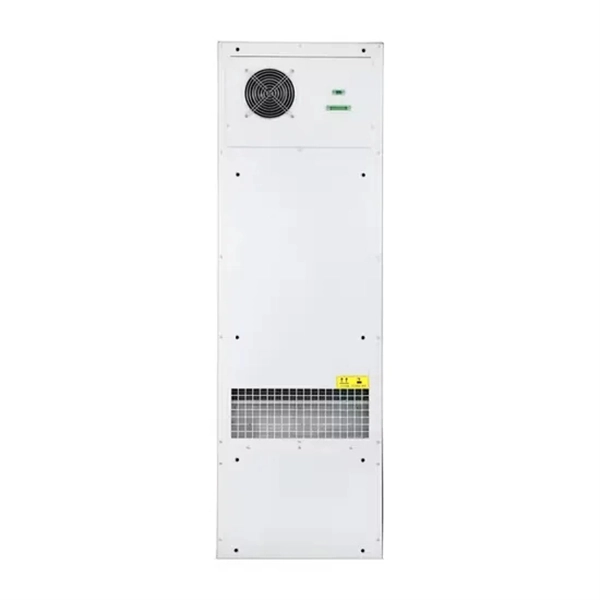
We terminate fiber optic cable two ways - with connectors that can mate two fibers to create a temporary joint and/or connect the fiber to a piece of network gear or with splices which create a permanent joint between the two fibers. Proper connection of fiber optic cables is essential to harness these benefits fully, as even minor errors can lead to significant performance issues like signal loss. These terminations must be of the right style, installed in a. Running fiber internally involves extending this high-speed link from the service entry point to a centralized location, such as a dedicated media closet or network rack. This DIY effort is undertaken to maximize performance, improve aesthetics, or relocate the Optical Network Terminal (ONT) to a. In this video, we'll guide you through preparing and terminating fiber optic cables using SimplyFiber products, known for their high quality, ease of use, and reliability. more Audio tracks for some languages were automatically generated. Two types of splices are used in fiber optic cabling one is Mechanical the other is Fusion. Whether you're installing a new network, expanding an existing one, or. But here's the thing: how you connect fiber optic cable really matters. A shaky connection means weaker signals, dropped streaming, or slow uploads. Get the hookup right, and you'll enjoy streaming, gaming, and video calls without interruptions.
[PDF]
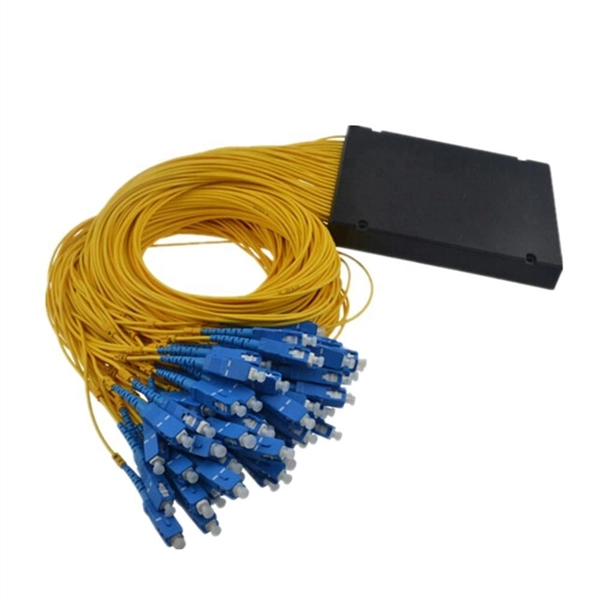
This step-by-step guide aims to provide a comprehensive understanding of the techniques and considerations involved in successfully connecting optical fibers, offering invaluable insights for professionals and enthusiasts in the field. In high-speed data networks, the seamless integration of fiber optic cables with SFP (Small Form-Factor Pluggable) modules is critical for reliable signal transmission. SFP transceivers bridge electrical and optical signals, making them indispensable in data centers, telecom networks, and. Proper connection of fiber optic cables is essential to harness these benefits fully, as even minor errors can lead to significant performance issues like signal loss. This article will guide you through the necessary tools, materials, and methods on how to connect fiber optic cables effectively. This section describes how to install optical transceivers on the SFP or SFP+ ports and connect them to the ports of the peer device using optical fibers according to the network plan. The USG supports both 1 Gbit/s, 10 Gbit/s, and 40 Gbit/s optical modules. The optical modules at both ends are. There are many types of fiber optic connectors, including SC, LC, FC, ST, D4, MU, MT/MPO, etc. These connectors can be divided into single-mode and multi-mode fiber optic connectors according to their structure and purpose. In this tutorial.
[PDF]
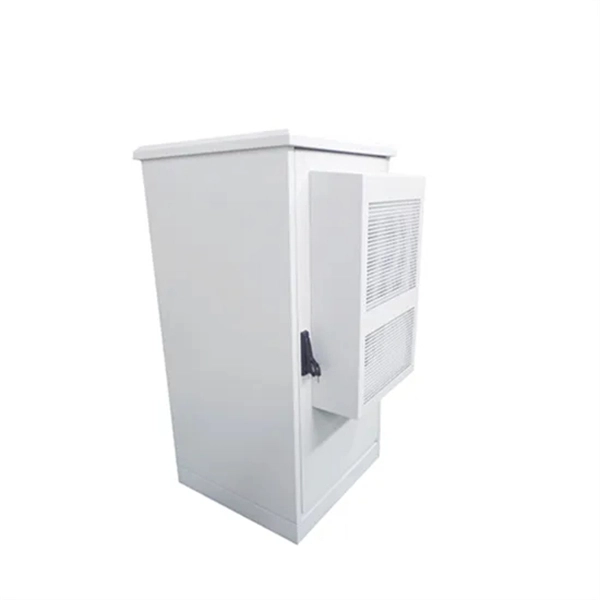
PoE delivers 44-57v of DC power over unshielded twisted-pair wiring for terminals consuming up to 25 watts, depending on the version of the standard in use. Power over Ethernet (PoE) describes any of several standards or ad hoc systems that pass electric power along with data on twisted-pair Ethernet cabling. This allows a single cable to provide both a data connection and enough electricity to power networked devices such as wireless access points. Imagine powering your entire network infrastructure through the same cables that carry your data, eliminating the need for separate power supplies and electrical outlets near every device. This isn't a futuristic concept—it's the reality that power over Ethernet has made possible since 2003. While PoE doesn't add Ethernet data capabilities, it does offer expanded options for how and where Ethernet end devices can be. Power over Ethernet is a technology that allows IP telephones, wireless LAN Access Points, security network cameras and other IP-based terminals to receive power, in parallel to data, over the existing CAT-5 Ethernet infrastructure without the need to make any modifications. The simple nature eliminates the need for multiple power supplies, and allows connectivity to devices where power outlets are not available. Instead of running a separate power line to each device, PoE lets the Ethernet cable (usually a Cat5e or Cat6 cable) carry both the network connection and.
[PDF]