For such cables, we recommend using at least a 1. 5-inch conduit, and sometimes a 2-inch conduit may be necessary. It's important to consider not only the rigidity of the jacket but also the breakout point of the assembly, where the strands exit the jacket and are encased in. For such cables, we recommend using at least a 1. Selecting the appropriate conduit size is crucial and depends on the type of jacket on your cable assembly and the. Premise innerduct is a flexible, non-metallic, corrugated raceway that has long been an essential conduit system for protecting fiber optic cables installed throughout telecommunications spaces and pathways. Conduit also facilitates cable management and ease of maintenance. With these assemblies we mention in this article, the widest point. This calculator will allow you to find the fill ratio using one, two, or three cables within the conduit. If you only have one cable for your conduit, please use only the first cable diameter field. Once the fill ratio calculator is computed, the program tells you if it falls within Corning's. Calculation Method 1 – Calculate the minimum conduit size required for a specific number of cables. This is particularly useful when planning an installation. (Equation 1 below) Calculation Method 2 – Calculate the maximum number of cables that can be installed in a conduit of a known size. Next, select the type of conduit you are specifying. " To determine the size of.
[PDF]
Strong hangers or brackets should be used to ensure that cable trays do not fall or hang. According to the regulations under NEC 392. Perforated cable tray is a kind of cable tray with holes on bottom sheet and side rails for laying power and signal cables for the purpose of distributing electricity, signaling in industrial plants, department stores, gyms, hospitals, airports and other industries. Compared with channel cable. These specialized cable management systems feature strategically placed holes that provide exceptional ventilation while maintaining structural integrity and easy cable access throughout the installation process. The installation of a perforated cable tray system requires careful planning, proper. The design of a perforated cable tray includes holes or slots that allow for easy cable fastening. These design elements make cable management simpler and more efficient. With secure fastening points, you can organize your cables neatly while minimizing any risk of tangling. One of the standout. The primary rulebook used in the safe use of cable trays is NEC Article 392. This is a description of how to select, install, and support these metal or plastic frames, on which electrical wires are installed. Cable Trays are usually used when there is a multiple wire arrangement for power and signal cables. When the load is heavy the wires can overheat, particularly if the cabling system is.
[PDF]
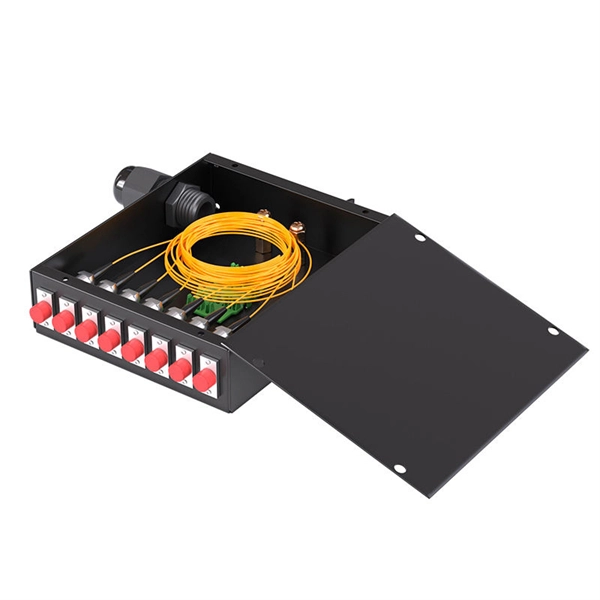
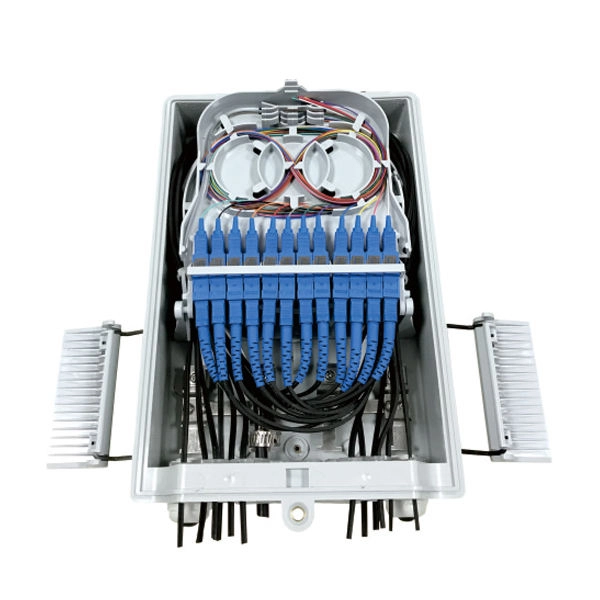
A Fiber Termination Box, also known as a Fiber Distribution Box, is a crucial component in fiber optic networks. Fiber junction boxes play a crucial role in the organization, protection, and distribution of fiber optic cables in various applications, including telecommunications, data centers, and industrial networks. These boxes serve as connection points for fiber optic cables and facilitate efficient cable. A Fiber Terminal Box (FTB) is a customer-side termination and distribution device used at the end of the optical network. ■ What Is a Fiber. To handle a large number of optical fibers with lower cost and higher flexibility, various optical junction boxes are widely used to connect and arrange optical fibers. Sometimes people confuse the Terminal box and the junction box because of their similar appearance and function. If you always. A fiber termination box is the standard instrument used in fiber optic networks to connect, secure, and protect optical fibers at the terminating point. Primary Purpose: Its core function is to provide a secure, protected location. In the dynamic landscape of modern communication, Fiber Termination Boxes (FTBs) play a pivotal role in ensuring the efficiency and reliability of fiber optic networks. From homes to data centers, understanding the basics of FTBs, including their installation and maintenance, is essential for.
[PDF]
Service penetration seals are passive fire protection systems designed to maintain the fire resistance of building element or section - wall or floor - where services such as cables, cable trays, pipes or ventilation ducts pass through them. Scope: Firestopping for busway, cable trays, cables, and trunking passing through walls in enclosed electrical installations. Where cables pass through shafts, walls, slabs, or enter electrical panels or cabinets, openings shall be tightly sealed with firestopping materials in accordance with. Four-component intumescent system is ideal for firestopping larger penetrations such as cable trays and conduit Forms effective intermittent fire-break within horizontal and vertical cable tray runs Hard char material tightly seals penetrations against flame spread, smoke and toxic gases For. These products are engineered to retard the spread of fire, smoke, and toxic gases, ensuring safety and compliance with building codes. These pillows offer a simple and efficient method for firestopping openings around cable trays. They are designed for easy installation and removal, are reusable. FIRSTO firestops are designed to seal multi-cable and cable tray penetrations of fire-rated walls and floors. FIRSTO® utilizes a metal frame that encompasses the entire cable run, cable tray with cable or bus duct at the point of penetration. The vast number of different building materials and.
[PDF]
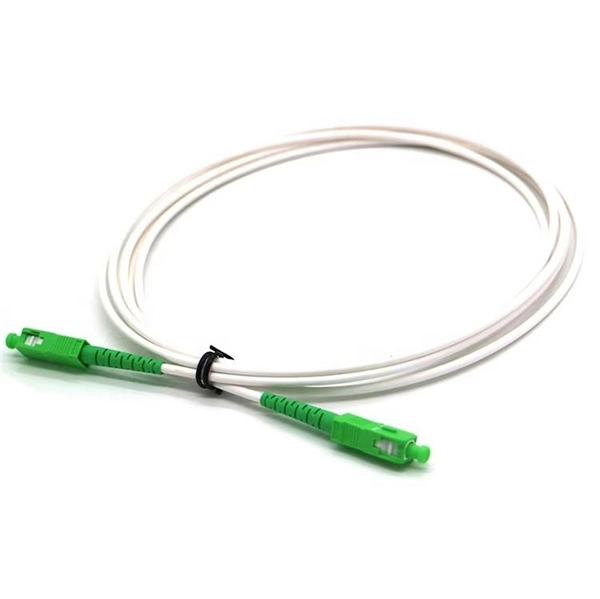
Total number of cores = Number of branches × Number of cores per branch If there are no branches, the number of branches equals one. For example, an MTP®-8 trunk cable with four branches and eight cores per branch has a total of 32 cores (4 × 8 = 32). For example, if you have three optical fiber access switches, you need to have three cores. (actually use a four core optical cable) This is because apart from one-core optical fiber, there are basically no optical cables with an odd number of cores, such as three-core, five-core, etc. It is worth. Fiber cores are the heart of fiber optic cables, transmitting light signals that carry data. Made from either high-quality glass or plastic, the core plays a critical role in determining the cable's performance. The total number of cores for a 1pc fiber patch cable is calculated as the number of. One key factor is the number of cores, which impacts how much data you can transmit. Single-mode: A. Common fiber cores include 1 core, 2 cores, 6 cores, 8 cores, etc., and there are many types. This article will focus on the number of fiber cores, introducing their respective characteristics and usage scenarios. Of course, this is a general situation, and it can be considered as follows: 1.
[PDF]
Ans.The main purpose of the cable tray is to keep the cable and wire safe and secure. These trays keep wires in place and make it easier for maintenance personnel to monitor and find wiring-related components. Ans.The Cable Management Market is predicted to grow at a CAGR of 10.76 percent over the next five years. Ans.Cable trays provide flexibility in wiring system design, simplicity, and lower installation costs. In facilities wherein the gear is added, removed, or transferred, cable trays provide a flexible advantage. Explore More: 1. Fiber Optic Cable Manufacturing Companies In India - 10 Best Manufacturers 2. Cables: Top Manufacturers, Suppliers & Expor.
[PDF]
Prices typically range from about $0. 50 per foot for fiber optic cable and basic installation, depending on indoor vs outdoor routing, distance, and terrain. Commercial building installations with 100-200 network drops generally range from $15,000 to $30,000. Single-mode fiber costs less per foot than multimode fiber, but it requires more. Buyers typically see a wide range in fiber cost per foot depending on cable type, installation method, and terrain. The main cost drivers include cable type (single-mode vs multimode), whether the run is indoors or outdoors, trenching or direct burial requirements, and labor time. This guide presents cost ranges in USD and highlights how per-foot pricing translates to total project costs for typical. The Fiber Broadband Association has partnered with Cartesian to research the cost of deploying fiber and provide insight on how these costs are evolving over time. In preparing this second edition of the Fiber Deployment Cost report, Cartesian gathered inputs from a wide variety of firms building. 1) Proofing and Placement - Per foot pricing for proofing and placement of approximately 1,856,332 ft (351. 864F Prysmian non-armored ribbon cable (24 Fibers per ribbon) into existing empty. conduit (price includes the provision of redline documentation, fiber cable. Buyers typically pay for the cable itself, termination hardware, and professional installation. The following guide outlines typical costs, with practical ranges in USD.
[PDF]
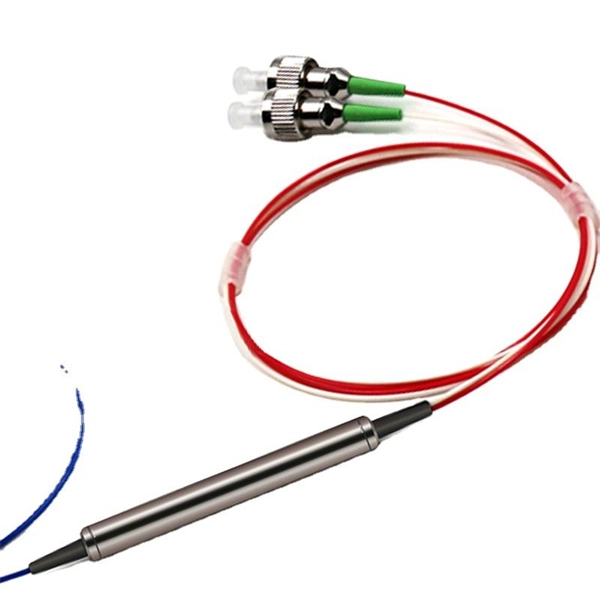
The price per foot includes the fiber itself, connectors, and basic installation factors, with main drivers being cable type, distance, and any required conduit or termination hardware. This article outlines cost expectations, price ranges, and practical savings. Fiber-optic cable materials typically cost $1 to $6 per linear foot, depending on fiber count and cable type. Commercial building installations with 100-200 network drops generally range from $15,000 to $30,000. Single-mode fiber costs less per foot than multimode fiber, but it requires more. Typically, per drop fiber cabling prices range from $250 – $1000 per drop depending on the type of fiber (OM2, OM3, OM4, or OM5), multi or single mode, PVC or plenum, average drop length, and also the number of fibers in each cable. This. Whether you need singlemode, armored, or indoor plenum, this guide gives you the exact cost per foot of fiber optic cable — including installation — so you can budget without guesswork. Data aggregated from Q1 2026 contractor invoices across Texas, Ohio, and North Carolina. The installation type you choose and the layout of your property determine the total labor and materials needed for your project. Cost for fiber cabling projects.
[PDF]
The digital optical audio cable by AmazonBasics is among the best there is in the market. I highly recommend this product to everyone looking for a dependable Toslink cable. You can conveniently connect an.
[PDF]
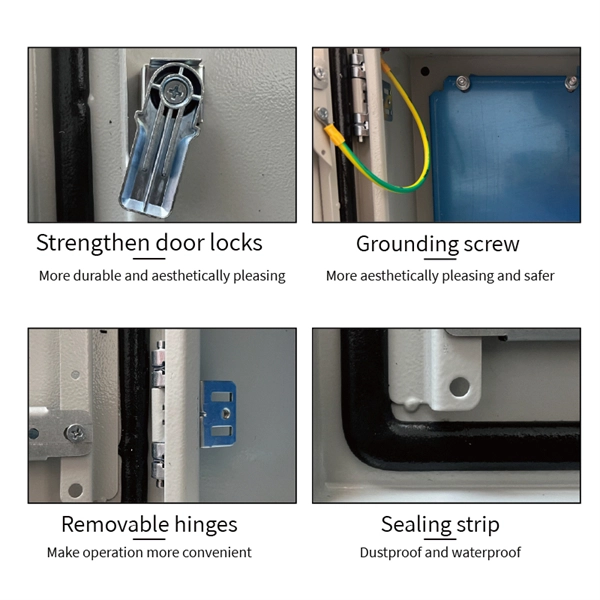
Venezuelan and Iranian authorities announced this weekend the signing of an agreement to build a fiber optic factory in the South American country, more specifically in La Guaira, a State just 30 kilometers north of Caracas and home to the country's gateway Simón Bolívar Airport. Photo: La Guaira EEZ Home La Guaira The first production line for manufacturing cables arrives in La Guaira. The rest of the machinery to put the plant. The Islamic Republic of Iran has extended its export of advanced technology to the heart of Latin America with the establishment of a fiber optic plant in Venezuela. This strategic move is part of Iran's broader objective to expand its technology diplomacy and showcase its advanced technical capabilities on an international scale. The. The new plant, named Venefibra, represents an effort in the pursuit of technological sovereignty and economic diversification. Photograph: Radio Miraflores. Guacamaya, July 10, 2025. Venezuela has received a significant boost to its.
[PDF]
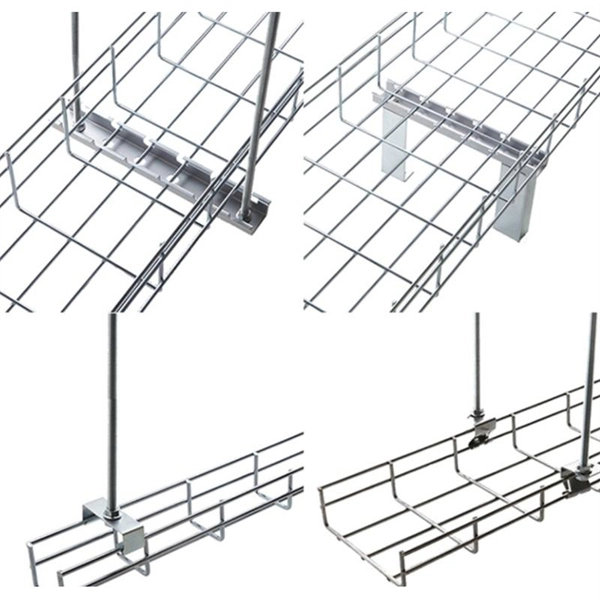
Discover our wide range of High-Quality Cable Trays that are manufactured in Kenya. Our Cable Trays Provide an economical and effective method of protecting, supporting, and transporting cables in commercial & industrial installations. Available in Galvanized . Galvanized cable tray systems support reliable electrical installations across Kenya's growing infrastructure projects. Contractors choose galvanized cable tray products for durability and corrosion resistance. Therefore, developers rely on these systems in commercial and industrial buildings. Available in Galvanized, Powder coated, or both. The main. Buy Galvanized cable trays in Kenya from Hubtechshop in Nairobi, Kenya 25mm x 50mm Galvanized cable trays for Metallic Trunking brings out a stylish finish when it comes to structured cabling either for the power of for data cables as they create a path in a building where these cables pass. Duff Engineering is your trusted provider of premium cable trays in Kenya. We offer competitive Cable trays prices in Kenya to suit various industrial and commercial applications. Cable trays can be mounted onto a wall or suspended from a ceiling to provide a track that allows cables and wires to be routed around a building in an easily maintainable manner. Often made of galvanized or stainless.
[PDF]
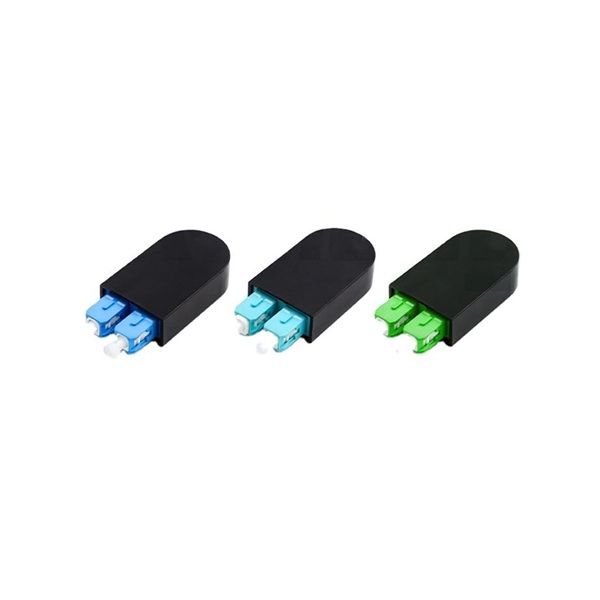
Abstract: Detecting partial discharges in cable joints is critical for timely defect identification and reliable transmission system operation. The electric field distribution of the optical fiber-implanted cable joint was simulated, followed by electrical performance tests, demonstrating that optical fiber implantation had a negligible effect on the electrical properties of the cable joint. A platform utilizing Mach–Zehnder–Sagnac. The results show that the average sensitivity of the sensor in the 10 kHz–80 kHz range is 71. 0 dB higher than that of the piezoelectric transducer, with a maximum signal-to-noise ratio of 65. To improve the long-term reliability and sensitivity of the sensing system, a novel method for cable joint monitoring based on implanting optical fibers. However, there is an industry gap in the literature about the highly sensitive fiber optic-based PD solution based on the acoustic emission principle. This paper aims to fill such an industry gap. In this paper, the fiber optic-based PD sensing (OptiFender) technology is applied to monitor the PD.
[PDF]
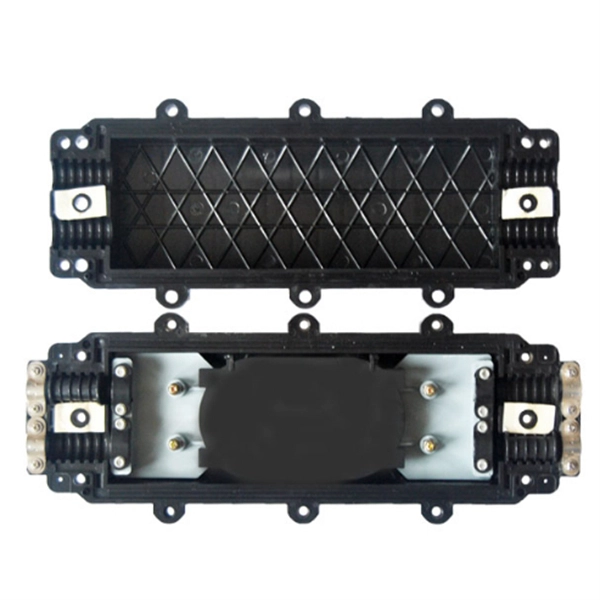
OPGW cable joint box installation involves several key stages: selecting the appropriate location, preparing both the cable and the joint box, splicing fibers, and sealing the joint box properly. Adhering to these steps ensures optimal performance and longevity of the telecommunications system. Optical fiber junction boxes are essential components in outdoor optical fiber cable installations. In this article, we will discuss the necessary steps and best practices. The Indoor/Outdoor Splice Box is a wall-mounted, indoor/outdoor fiber splice enclosure for centralized splice-only applications. These boxes are well suited as optical cable splice collection points for MDU (Multi-Dwelling Unit) residential fiber network applications, MTU (Multi-Tenant Unit). The installation of an optical cable junction box is crucial in ensuring the integrity and performance of optical networks. As we enter 2024, adhering to best practices not only enhances system reliability but also mitigates potential issues that can affect customer experiences. Installing a fiber optic splice closure efficiently and effectively requires attention to detail and. AFL's SB01 splice enclosure provides protection from all types of elements. From weather to bullets, the iron and steel construction requires no additional protective covering. Furnished with four plugged cable ports (2 aluminum and 2 plastic) for either All-Dielectric Self-Supporting (ADSS) or.
[PDF]
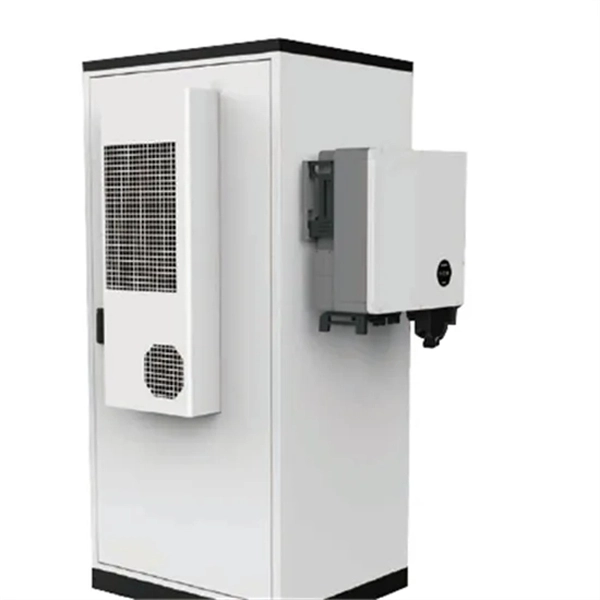
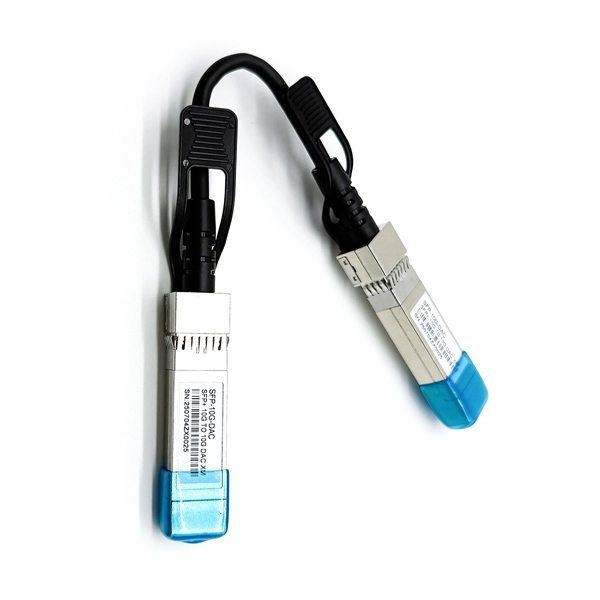
Active Optical Cables simplify high-speed networking by embedding tiny optical transceivers directly into the cable ends. Inside one compact assembly, electrical signals convert to light pulses, travel through the fiber core, then reconvert to electrical form—eliminating separate. When traditional copper cables hit their physical limits, Active Optical Cables (AOCs) emerge as the superior solution for demanding, high-bandwidth applications. These change electrical signals into optical signals and back. This gives. Active optical cable (AOC) is a high-performance communication cable used for short-range multi-lane communication and interconnected applications. Unlike traditional fiber-optic cables, which require external transceivers to send and receive signals, AOC cable have the necessary transceivers integrated. Thanks to the intricate design of Active Optical Cables, which allows for flexibility and gives an extra advantage of unmatched stability. Alt Text: A Group of AOC Cables with Different Connectors In the following paragraphs, you will be broadly enlightened about every aspect of the cutting-edge. Active Optical Cables (AOCs) are an innovative type of data transmission technology that has come forth to fill the gap between the old copper cables and the ever-advancing fiber optics. Unlike the traditional methods, AOCs are explicitly structured to provide long-distance connecting devices to.
[PDF]
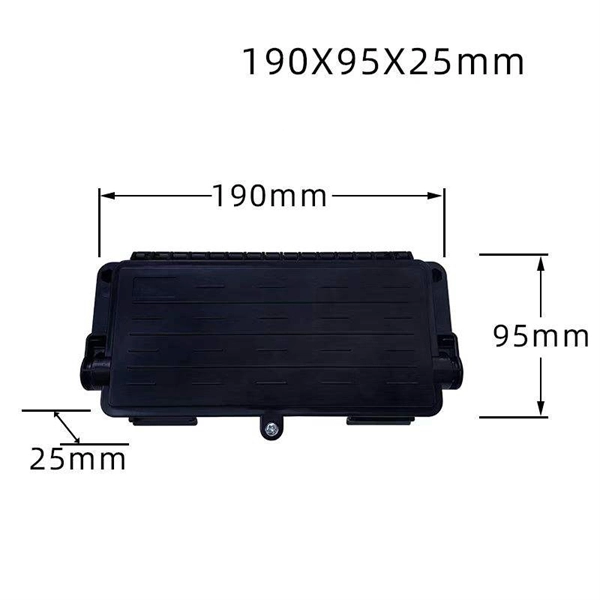
We, the best Perforated Cable Trays Manufacturer and Supplier in Moldova, offer a wide range of perforated cable trays in various sizes and configurations to suit diverse applications. Our Cable Trays in Moldova are designed for quick and easy. Started back in 1983, Cable House is a recognized name engaged in manufacturing and supplying wide range including Hose Clamps, Cable Ties, Crimping Tools, Cable Tray, Industrial Connectors and more, to the national as well as the international market. With our manufacturing expertise, we have even. If you are searching for Cable Tray in Moldova, Brilltech Engineers Pvt. is a trusted brand that you can rely on. We have a well-equipped manufacturing unit with all the advanced resources to cater to your distinct requirements as per your industry preferences. Our cable trays are manufactured from robust materials and rigorously tested to ensure they can withstand even the most demanding environments. brings the Cable Trays in Moldova just for you! We, one of the well-known Cable Trays Manufacturers in Moldova, offer top-notch trays that keep your electrical system organized and protected. We, one of the trusted Mild Steel Cable Tray Manufacturers.
[PDF]