Check the electrical load and ensure that the sensors do not exceed the 10 Amp maximum. Replace any damaged cables. Check the tightness of electrical connections along the. That is why electrical energy distribution troubleshooting is critical in homes, businesses, and industrial sites. It helps identify faults early and prevents costly downtime. A clear troubleshooting process ensures power flows safely and efficiently. In this guide, you will learn how distribution. An electrical panel box, also known as a breaker box or a distribution board, is a crucial component of any electrical system. When devices in your new box don't work, you start by testing the circuit. You will want a voltage tester (doesn't need to be a voltmeter) for this job. The very cheapest one you can find at a local hardware store (or online) will work great. When they start tripping, overheating, or making strange noises, it's more than just an inconvenience - it's your home's cry for help. You need to know how to diagnose the fault in a low voltage distribution box safely.
[PDF]
This video shows real on-site footage of electrical installation, demonstrating safe and standardized wiring methods used by professionals. However, exposure to weather, frequent relocation, rough use and other condi-tions not normally encountered with conventional wiring systems necessitate special consideration not require in other applications or in completed structures. The. A distribution box is the heart of any electrical system. It takes the incoming power and safely distributes it to different circuits throughout your building. Whether in a home or an industrial facility, this box keeps your electrical setup organized, functional, and efficient. However, the key to. Temporary power systems are essential for construction projects, yet they often introduce serious safety risks. Loose wiring, exposed connectors, and unstable electrical connections can cause shocks, equipment failures, or costly downtime. This article examines how modern portable power cabinet. Conductors entering boxes, cabinets, or fittings. Conductors entering boxes, cabinets, or fittings shall be protected from abrasion, and openings through which conductors enter shall be effectively closed. Covers and. Whether you are an electrical contractor or a construction brigade, knowing how to properly and safely install distribution boxes is the basis of ensuring the safe operation of the entire system. This article details the process of installing them, which helps you comprehend distribution boxes.
[PDF]
A neat, well-organized subpanel bundles wires to conserve space and improve access. Ideally, wire groups are installed in layers and wires are bent at right angles to buses or breakers. Label short sheathing sections (slugs) to indicate which circuits wires serve. Choose the right box based on environment (indoor/outdoor), load capacity, and durability. Check for proper IP/NEMA ratings and material quality. Ensure safe placement: install in dry, accessible areas with good ventilation and at appropriate height (typically ~1. Practice good wiring: secure. Box installation: Make sure that Distribution box has been correctly installed and fixed. Material preparation: Prepare the required circuit breakers, wires, wiring ties and other materials, and ensure that they meet the design drawings and installation requirements. And all the switching and protective devices are installed in the. Wiring distribution panels serve as the central hub and nerve center, routing power from the main service feed to multiple circuits. When setting up such a significant component of industrial, commercial, and utility applications, it's essential to get everything right. Labeling cables at outlets is.
[PDF]

All wiring in hoistway and in equipment room shall be of a type identified by CEC 620. Please add appropriate notes. Separate branch circuits are needed for car lights, receptacle outlets, and ventilation. The purpose of this T/C is to clarify wiring that is permitted to be located in an elevator hoistway, machine/control room, or control space/room. Minimizing the need for. These requirements, found in Article 620 (part of Chapter 6, Special Equipment), are in addition to NEC Chapters 1-3, which stipulate general wiring protocols applicable in most residential, commercial and industrial venues. The code exempts some fairly broad areas where compliance is not expected. In Oregon, Raceways and conduits for the connection of elevator devices shall only enter the machine room to the extent necessary to connect the devices attached thereto. 37 covers wiring in hoistways, machine rooms, control rooms, machinery spaces, and control spaces related to the. By General Contractor / Owner Each home elevator requires five (5) items from your Electrician and Telecommunications Contractor(s). They are as follows: One (1) GFI Outlet. One (1) Light Fixture (with protective cover over bulb) with wall switch. One (1) Live Land Based Phone Line with pigtail. Main Power - 10/3 with Ground (min. 6”) pigtail connected to house 30 Amp dedicated circuit. 240VAC for LLH REQUIRES neutral. One (1) GFI Outlet separate from #2 elevator (120VAC) circuit.
[PDF]
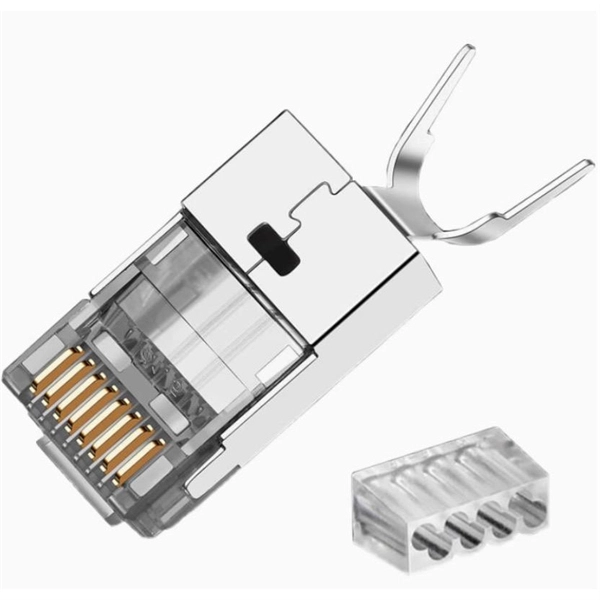
In this comprehensive guide, we'll walk you through the fundamentals of frame wiring and embedding, including the techniques, materials, and best practices you need to know. We'll also cover important safety considerations and troubleshooting methods to help you identify and fix common issues. By. Framing an electrical panel involves constructing a decorative or protective structure around the existing breaker box, typically to improve the aesthetics of an unfinished space. This project transforms a utilitarian component into a visually integrated part of the wall while ensuring the panel. What is the most efficient way to rough in wiring and later install receptacles in the back of cabinetry for built-in appliances? In the past I have just left whips and then come back and cut in the receptacle. But it's a pain because you're hunched into the cabinet opening doing the work. Cut and install a plywood frame using an electric saw, securing it to the wall studs. Paint the frame to match the surrounding wall for a seamless look. The purpose of this presentation is to introduce some practical methods on how to reduce disturbances in order to avoid EMC problems and not how to meet the EMC standards. EMC is the ability of electronic equipment to operate without problems within an electromagnetic environment. Equipment must.
[PDF]
In this video we are showing a complete Construction Site Electrical Distribution Panel setup. This includes MCCB, MCB, DB boxes, cable management, earthing and load distribution for machines. This. Through a real-world project scenario, we explore how structured connectors, IP67 plug systems, and modular distribution cabinets create safer, faster, and more reliable temporary electrical infrastructure. Temporary Power Should Never Mean Temporary Safety Construction sites rely heavily on. Insulation Tools: Ensure that wires and cables are properly insulated to prevent electric shocks. Training and education are key components of safe temporary electrical installations on construction sites. Workers need to be aware of the risks and know how to handle electrical equipment safely. Overhead Cables: Overhead supply from the supply point or metering point to the distribution boards on the site should be of a robust pattern. These regulations place a requirement on every employer to assess every work activity in order to identify any hazard that employees or any other person might encounter as a result of the work being carried out. HSE document INDG 163 gives advice on these regulations. The Provision and Use of work. If it's done poorly, you risk short circuits, fire hazards, or system failure. Done right, it ensures safety, compliance, and long-lasting performance. Choose the right box based on.
[PDF]
Key cost drivers include panel amperage, indoor vs outdoor location, wiring length, and whether a full panel upgrade or rerouting is needed. The article outlines cost ranges, per-unit pricing, and practical budgeting notes for U. Buyers typically pay for a full panel replacement, including labor, materials, and permits. Improper electrical work often leads to fires, shocks, or health problems such as nerve damage. You may face expensive repairs if you skip steps or ignore safety rules. The main drivers are panel capacity, existing wiring condition, permit requirements, and whether anyUpgrade to. An electrical panel box, also known as a breaker box or a distribution board, is a crucial component of any electrical system. It serves as a central hub for distributing electricity throughout a building, ensuring that power is delivered safely and efficiently to all the required locations. In this guide, we'll break down everything you need to know to install a distribution box correctly and confidently. Choose the right box based on environment (indoor/outdoor), load capacity, and durability. Ensure safe placement: install in. Learn how to wire a distribution box step by step! This video shows real on-site footage of electrical installation, demonstrating safe and standardized wiring methods used by professionals.
[PDF]
(1) The admissible load of a complete system depends on the system topography and the application parameters. Factors of influence are ambient temperature, air circulation, busbar load, distribution of busbar loa.
[PDF]
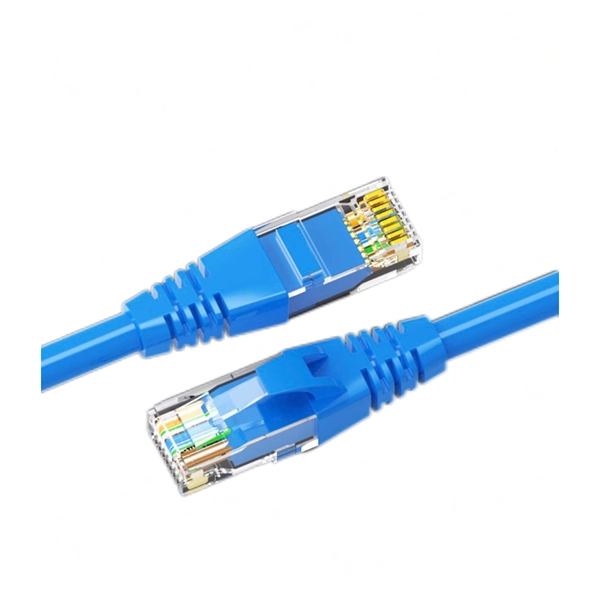
Wire color: The neutral wire is blue, and the color of the phase wire (A phase is yellow, B phase is green, and C phase is red) should meet the standard. Wire specification: Select the appropriate wire specification according to the circuit load. WARNING: Please be aware that the table below is a guide; a wire should never be identified by color alone. Wire color helps identify intent, not actual condition. Before handling any wire, always rely on testing with professional tools, not assumptions. Testing is the only reliable way to confirm. This guide describes wiring color codes, international standards, and main rules to keep in mind to work smarter and safer. The various colored wires that you can see when you look behind a switch or an outlet are not an accident, but rather a safety feature that is built in. For typical building AC circuits (commonly up to 600 volts nominal), the NEC specifies identification rules for grounded conductors (neutral), requirements. Electrical wiring color codes are a standardized system that tells electricians—and you—the specific job of every wire in the circuit. Getting this language right is the difference between a light that works and a dangerous situation involving short circuits, electrical shocks, or even fires. These color codes are used for electrical distribution systems, and while some are mandatory, others are optional. The lighting and socket circuits generally use.
[PDF]
Rack Elevation or Server Rack Layout Software are simple tools to plan and document the cabling of your server cabinet. To make it even easier for you, we launched the free online Rack Planner. It helps you create a helpful rack diagram and keep your network tidy. Network cabinet cabling describes the structured connection and arrangement of all IT components in a server rack. The aim is a secure, maintainable and scalable operation of the network environment. Step-by-step guide: In this way, patch panels, switches, cable routing and documentation are. Creating a rack diagram is an important step to having sustainable good cable management in the network cabinet. Let's take a look at the essential components, selection criteria, and best practices for efficiency, order and protection of the network. Use cabinet screws to fix the network patch panel to the network cabinet. Note the wiring sequence on the patch panel when wiring, as T568A and T568B have different sequences. Wiring a server or network rack feels simple at first. Cables plug in, and devices turn on. Then problems appear. Slow speeds and tangled wires with card troubleshooting. Clean wiring prevents those issues before they start.
[PDF]

In this guide, we will explore the significance of connecting PVC conduit to electrical boxes and provide you with a step-by-step process to accomplish this task effectively. Whether you're dealing with rigid metal conduit (RMC), PVC, or flexible conduit that's already in place, it can be removed or replaced, but there's no magic wand. You'll need to consider the type of conduit, the installation method, and. Electrical conduit fittings form the outer covering for most electrical wiring from one point to the next. They shield the wires from the external environment so as to make the wire last longer and also to keep humans and pets safe from electric shocks or other such vulnerabilities. The breaker box, or service panel, serves as the central distribution point, housing the circuit breakers that protect individual circuits from overcurrent conditions. Connecting made easy: How to effortlessly connect PVC conduit to electrical boxes! Installing electrical systems just got simpler with Ledes' seamless conduit connections! 💡. Firstly, it. Why Publish? How to Repair and Remove Conduit for Electric Wires: Let me teach you how to easily repair and remove conduit for electric wires. For the full guide and more tips read the post in 123 Do It Yourself blog: com/2014/01/22/22/.
[PDF]
The standard requirement for wire is 1. 5 to 2 feet for each square foot of the home; however, it may change depending on the project scope, needs, and demands. Whether you're quoting a panel upgrade for a new build or wiring a multi-unit commercial space, the numbers on your estimate aren't just guesses—they're the difference between staying profitable and bleeding hours on change orders. This guide lays out what it really takes to build accurate. In May 2026 the estimated national average cost to Install Electrical Wiring starts at $302 - $365 per wiring run. Use our Cost Calculator for cost estimate examples customized to the location, size and options of your project. Set Project Zip Code Enter the. It's natural to wonder about the bottom line, and understanding the electrical wiring cost per foot is the perfect place to start. When installed by a professional, this cost typically lands somewhere between $3 and $12. Here are the five steps to create a competitive electrical estimate. Early preparation. In electrical projects, preparing a professional electrical quote is an essential yet often time-consuming task. Calculating material costs, labor fees, and profit margins for electrical projects can be challenging, especially when meeting client expectations or managing revisions. The kitchen and the laundry area are the most power-consuming parts of the house.
[PDF]
This list is the official General Lists of Approved Products / Manufacturers for Mechanical and Electrical Installations in Brunei Darussalam. We were primarily a registered Mechanical & Electrical contractor that has now expanded our services into Construction, IT & Healthcare equipment providers in Brunei Darussalam. Quality of work and on-time completion are our strong virtues. Our company motto is “WE CARE”, and we do care about. Copyright © 2026 SEC Mashibah Sdn Bhd. – A leading manufacturer of low voltage switchboards. – Operating in Brunei Darussalam since 1994 with a modern production facilities spanning 20,000 square foot of floor space with more than 20 highly trained engineers. Prudent – We care about safety and always think ahead to achieve zero downtime. GEYA is focused on delivering Distribution boxes, Miniature circuit breakers, DC surge protectors, and smart electricity meters for the area of the optical energy storage system, adhering to the product idea of “Switch to Safety. ” GEYA now has two key business divisions, the smart electrical. (formerly known as Beaver Company) founded in 1978, is a Brunei registered and ISO certified, Mechanical and Electrical Specialist Company with years of experience of being a service provider and supplier to the Government, Oil and Gas Industries and Private sectors. Since our first inception. Visit Us.
[PDF]
This video illustrates the step-by-step connection from the energy meter (KWH Meter) to the main Double-Pole MCB, the Neutral Link terminal block, and finally to the four individual Single-Pole Miniature Circuit Breakers (MCBs) for distribution to different circuits. In this guide, we will break down the key elements involved in connecting the main power supply to your home, providing a clear path for a successful setup. We will focus on the critical parts of the system, from basic components to step-by-step assembly procedures. Whether you are looking to. Always begin with disconnecting the main supply before accessing any enclosure containing distribution components. This prevents arc faults and ensures safety when modifying or inspecting current paths. Inside the service housing, line conductors from the utility feed typically enter through the. When it comes to electrical wiring, the connection between the meter and breaker box is crucial. This connection ensures that electricity is properly distributed throughout the building, allowing appliances, lights, and other devices to function. It shows the hot wire entering the meter lugs, the neutral wire connecting to the neutral bus bar, and the essential ground wire linkage to ensure system safety. Watch a simple and clear demonstration of how to wire a basic residential electrical setup. The diagram provides a clear and concise overview of how the meter is connected to the electrical.
[PDF]
This section explains aspects of digital input and output, from applications and types to interface circuit characteristics, in an easy-to-understand way. What is a digital I/O board? 2. Bidirectional I/O circuit 6. The Ace PLC can interface any DC voltage signal between 3 and 30 VDC. Typical system designs utilize 5 V, 12 V or 24 VDC. Any connection to DC voltage between 1. 5 and 30 VDC is sensed as a '1'. The ground. WARNING: Identifies information about practices or circumstances that can cause an explosion in a hazardous environment, which may lead to personal injury or death, property damage, or economic loss. In this article, we are sharing the basic concepts of PLC and DCS control systems Wiring Diagrams for Digital Input (DI), Digital Output (DO), Analog Input. In the introduction section, you'll find a history of Arrow Hart products dating back 130 years, instructions on how to use the buyer's guide, a detailed NEMA configuration chart for straight blade & locking devices and a pin & sleeve and mechanical interlock configuration chart. Eaton's extensive. Digital inputs are activated by making a connection from the input channel to system ground (0V DC): In practice, several inputs are integrated into one module. The 24V DC supply is used for the internal electronics, and may also be used to power input devices. An active signal from an Input device.
[PDF]