Fiber optic cables are perfect for long-distance applications. They can carry information over very long distances with very little signal loss. Additionally, fiber optic cables are not affected by electromagnetic i.
[PDF]
Attenuation in fiber optics is the gradual loss of light signal strength as it travels through a fiber cable. It's measured in decibels per kilometer (dB/km), and it determines how far a signal can travel before it becomes too weak to read. A standard single-mode fiber operating at 1550 nm loses. Optical Signal Attenuation is the single greatest factor limiting the distance and performance of your network. Understanding it is crucial for anyone involved in data centers, telecommunications, or enterprise networking. This guide will demystify signal loss, explore its causes, and show you how. As the distance light travels through an optical fiber increases, the light's strength decreases; this phenomenon is known as “fiber attenuation. ” It is also known as fiber loss or signal loss. This is a rather advanced discussion concerning the field of optical fiber. Optical fiber is our first. The attenuation is a telecommunication word which refers to reduction within signal strength. This can occur while transmitting signals over lengthy distances. It can be calculated in dB (decibels) in terms of voltage. In this blog, we'll explore what attenuation is, what. Optical fiber technology enables rapid data transmission over vast distances by guiding light signals through thin strands of glass.
[PDF]
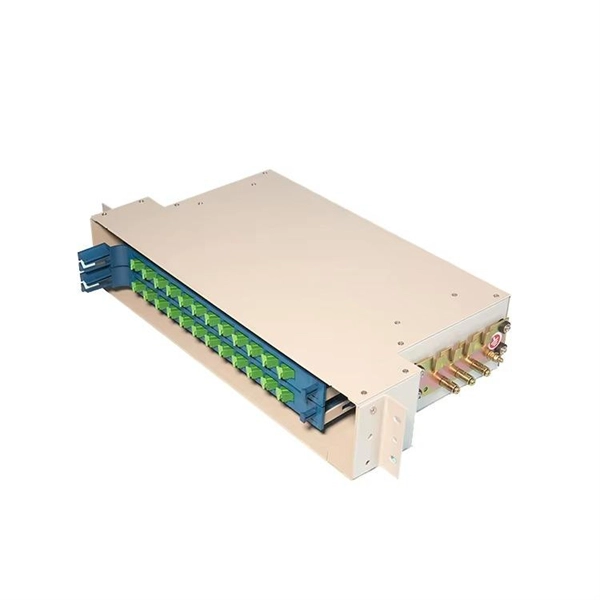
Find reliable optical fiber distribution frame prices for various needs. Shop high-quality, durable ODFs and patch panels for efficient communication networks. Optical Distribution Frame (ODF) is integrated components in any fiber management system to handle termination and cross-connection of cables. Pre-terminated ODFs with cables are pre-installed with connectors and cable for quick and easy installation. It is a device that splices, distributes, and splits optical fibers and provides protection and management of optical fibers. Its box body is made of high quality cold-rolled steel material, and the surface of the product uses smooth electrostatic praying processing. optical fiber distribution frame ODF rack mount 12 24 48 96 144 core port ODF Rack-mount Fiber Optic Distribution Frame is. Streamline your fiber connectivity with our premium Fiber Optic Patch Panels and ODF systems. Designed for reliability and ease of use, our rack-mount and wall-mount solutions provide the perfect environment for splicing, terminating, and managing your critical fiber optic connections.
[PDF]
For such cables, we recommend using at least a 1. 5-inch conduit, and sometimes a 2-inch conduit may be necessary. It's important to consider not only the rigidity of the jacket but also the breakout point of the assembly, where the strands exit the jacket and are encased in. For such cables, we recommend using at least a 1. Selecting the appropriate conduit size is crucial and depends on the type of jacket on your cable assembly and the. Premise innerduct is a flexible, non-metallic, corrugated raceway that has long been an essential conduit system for protecting fiber optic cables installed throughout telecommunications spaces and pathways. Conduit also facilitates cable management and ease of maintenance. With these assemblies we mention in this article, the widest point. This calculator will allow you to find the fill ratio using one, two, or three cables within the conduit. If you only have one cable for your conduit, please use only the first cable diameter field. Once the fill ratio calculator is computed, the program tells you if it falls within Corning's. Calculation Method 1 – Calculate the minimum conduit size required for a specific number of cables. This is particularly useful when planning an installation. (Equation 1 below) Calculation Method 2 – Calculate the maximum number of cables that can be installed in a conduit of a known size. Next, select the type of conduit you are specifying. " To determine the size of.
[PDF]
This article provides a comprehensive exploration of the technology, including its advantages, working principles, application range, and system parameters. Distributed Temperature Sensing (DTS) systems provide temperature information for accurate thermal monitoring, fire detection, and condition assessment by utilizing standard fiber optic cables. These fiber optic systems precisely measure the temperature profile of an asset by interpreting the. Fiber sensing technology has emerged as a game-changer in this domain, offering unparalleled capabilities for real-time monitoring and early detection of potential issues. It's become so useful that in many cases it has become mandatory to include fiber-sensing-based monitoring for new pipelines. A fiber optic temperature sensor is a temperature measurement device that uses optical fibers as the sensing medium. Unlike traditional electrical temperature sensors (e., thermocouples, RTDs), fiber optic sensors offer significant advantages such as immunity to electromagnetic interference. As the name suggests these sensors employs fiber optics technology to function. Advances in optoelectronics and associated signal processing have enabled the development of optical fibre distributed sensors with maximum ranges of several tens of kilometres. The DTS system's ability to offer continuous temperature measurements over tens of kilometers with high spatial and temperature resolution has.
[PDF]
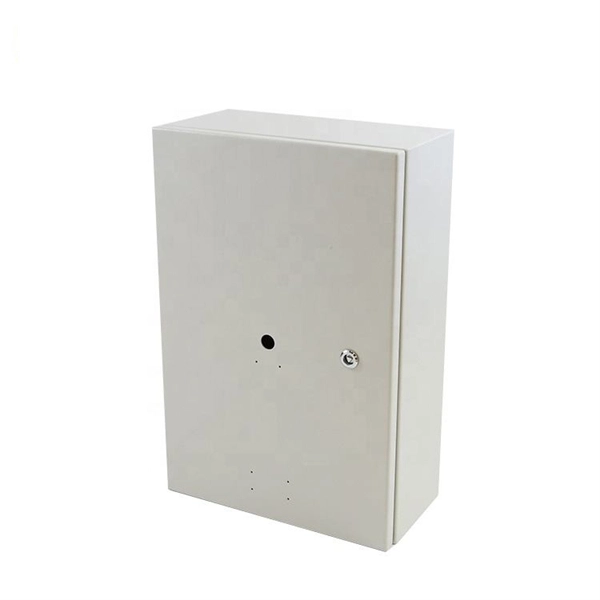
This Recommendation covers the geometrical and transmissive properties of single-mode optical fibres and cables whose dispersion and cut-off are not shifted from the 1310 nm wavelength region. Definitions and test methods are contained in a separate Recommendation G. There are 19 different single mode optical fiber specifications defined by the ITU-T, among which G. 652 fiber is the most commonly used. 652 Fiber? Among all the single mode fiber types, G. So this fiber. G. ITU-T Recommendation G. 652. TRANSPORT A S ACCESS NE dispersion wavelength around 1310 nm. 652 fibre was originally optimized for use in the 1310 nm wavelength region but c n also be used in the 1550 nm region. This is the latest revision of a Recommendation that was first created in 1984 and deals wit. See why G. 652D optical fiber prices are rising in 2025–2026, how FTTH cable budgets are affected, and what procurement teams in Europe, Latin America, Africa and the Middle East can do to manage risk. With innovative products for the full range of applications, spanning long haul, metropolitan, access, FTTx, and premises applications. Our modeling and design expertise, together with our technology.
[PDF]
All efforts have been made to incorporate all relevant up to date information available, any discrepancies or need for addition or deletion is felt necessarily may please be intimated to this office for further i.
[PDF]
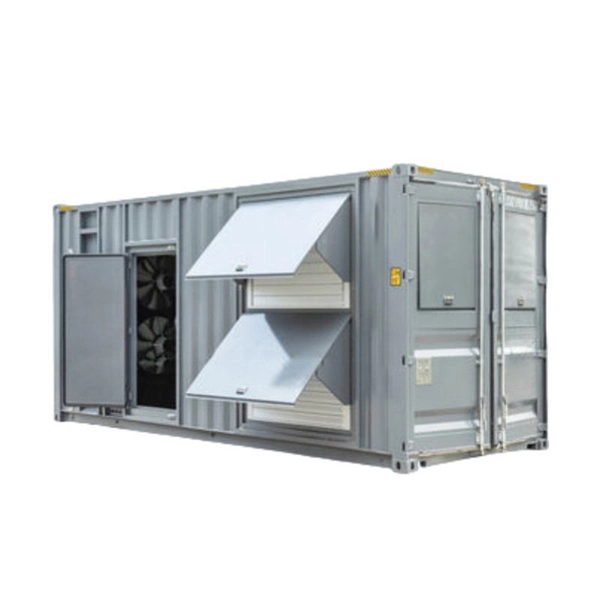
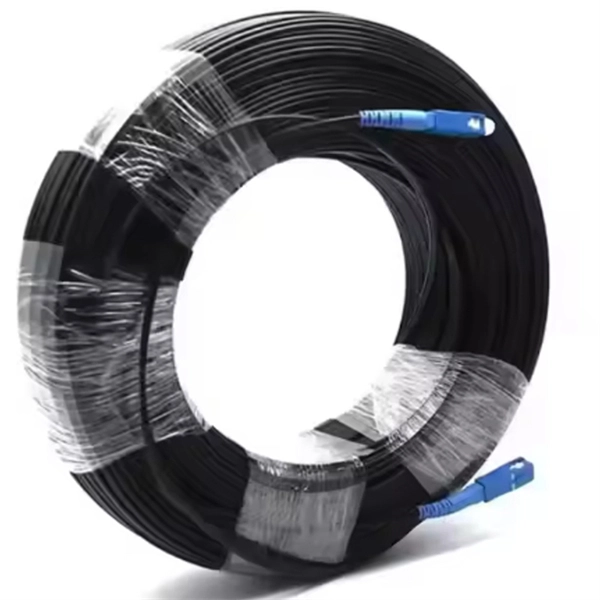
High-quality 8 Core ADSS Fibre Optic Cable (4KM) designed for FTTH, backbone, and outdoor aerial installations. Durable, lightweight, and weather-resistant – ideal for long-distance communication networks in Kenya. Buy Now!. Armored fiber optic cables are built for strength and reliability, making them the preferred choice for outdoor, underground, and industrial fiber installations in Kenya and East Africa. Buy Now! The Fibre FTTH ADSS 8Core Cable (4KM) is built to deliver high-speed. A 8-core multimode outdoor fiber optic cable is designed for use in outdoor environments to transmit data over short to medium distances with multiple fiber strands. This fiber optic cable has low dispersion and attenuation. Each core is. 8 Core Multi-mode Fiber Out Door Cable – Ksh/ 130 Per Metre | 8 Core Single Mode Outdoor Fiber Cable- 120. 8 core Multimode | Singlemode Armored Fibre Cable per Metre is effective for building backbone applications, the duct grade unitube cable range has been designed to be lightweight and compact. Looking, for Fiber Optic ADSS Cables in Kenya, or in Eastern African countries. We are the number one company selling and distributing fiber optic cables from 12F, 24F, 48F, 96F, 144F. We are located in Mombasa Road next to Panari hotel. Designed for outdoor applications, it offers excellent reliability and is ideal for installations where aerial.
[PDF]
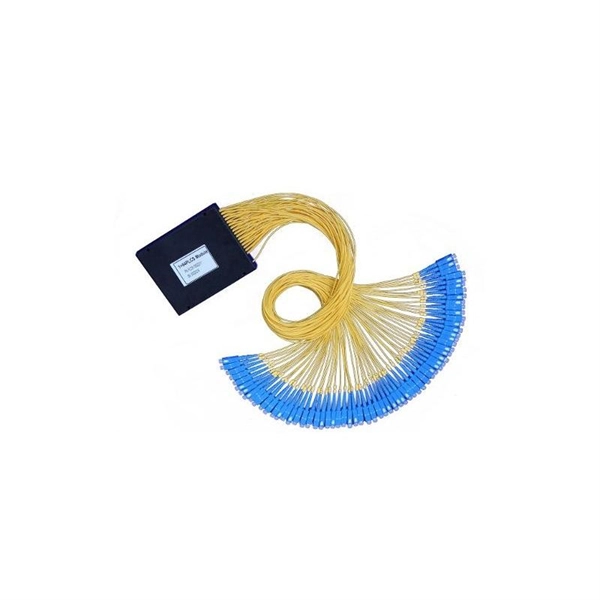
OFC 2020 returns to San Diego Convention Center, San Diego, California, 8-12 March 2020 for another groundbreaking program as the world's largest conference and exhibition for optical communications and networking. SAN DIEGO — Explore the latest in optical communications innovation, data-center connectivity, machine learning/artificial intelligence (AI), applications of optical networks in 5G and cloud computing at The Optical Networking and Communication Conference & Exhibition (OFC), the single-most. This program contains the latest information up to 21 January 2020. Considered the hub of the industry, OFC represents the entire ecosystem—from. OFC 2020 - Optical Networking and Communication Conference & Exhibition, co-sponsored by OSA (Optical Society of America) and the IEEE Photonics Society. The OFC audience spans the entire industry, from scientists and engineers to manufacturers and service providers. It provides the industry's most. *** This is a print representation of what appears in the IEEE Digital Library. Some format issues inherent in the e-media version may also appear in this print version. Chen. The printed show guide for the exhibition contains a list of 181 booth cancellations, which the event organizers indicate was accurate as of March 2. A corner of the OFC 2020 show floor at 2:15 PM PDT on March 10. The exhibit floor at OFC 2020 in San Diego opened today. Reports from sources in.
[PDF]
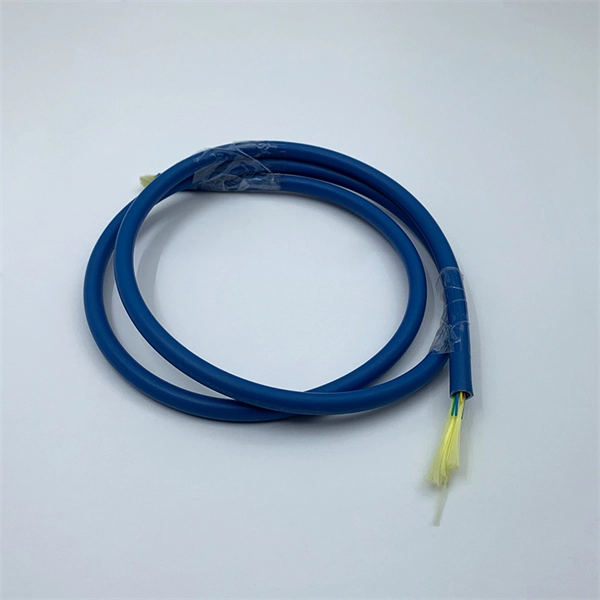
Instead of fusing one fiber at a time, mass fusion splicing can fuse up to all 12 fibers in one ribbon at once. Many of today's cables with high fiber count involve subunits of 12 fibers each that can be quickly ribbonized. Fiber optic joints or terminations are made two ways: 1) splices which create a permanent joint between the two fibers or 2) connectors that mate two fibers to create a temporary joint and/or connect the fiber to a piece of network gear. Either joining method must have three primary characteristics. Fiber optic splicing is the process of seamlessly joining two single Splicing has a lower optical loss and back-reflection than other terminations, making it the ideal choice for maintaining signal integrity and reliability in fiber optic networks. There are numerous use cases for fiber optic splicing. Through splicing, fiber optic technicians can extend the length of the fiber to make it long enough for use in a required cable run. As. To begin, the standard definition of splicing in optical fiber is joining two fiber optic cables together. The other, more common, method of joining fibers is called termination or connectorization. Splicing is most commonly used in the field but has application in cable assembly houses.
[PDF]
Optical fibers require special care during installation to ensure reliable operation. Installation guidelines regarding minimum bend radius, tensile loads, twisting, squeezing, or pinching of cable must be followed.
[PDF]
Modern fiber-optic communication systems generally include optical transmitters that convert electrical signals into optical signals, optical fiber cables to carry the signal, optical amplifiers, and optical receivers to convert the signal back into an electrical signal. The information transmitted is typically digital information generated by computers or telephone systems. Transmitters The most commo. OverviewFiber-optic communication is a form of for from one place to another by sending pulses of or through an. The light is a form of. First developed in the 1970s, fiber-optics have revolutionized the industry and have played a major role in the advent of the. Because of its advantages over electrical transmission, optical fiber. is used by telecommunications companies to transmit telephone signals, Internet communication and cable television signals. It is also used in other industries, including medical, defense, governmen.
[PDF]
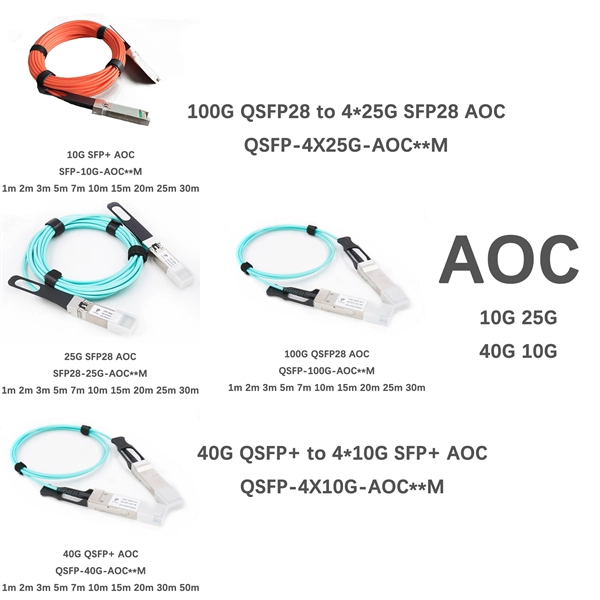
In the first edition of this annual Insight, CRU takes a step back and reviews the key changes and developments in the optical fibre and cable industry in 2018, highlighting the lows and highs, alongside key moments and advances in technology. Furthermore, we shine a spotlight on the key market. ReportsnReports. com published "Global Fiber Optic Cable Market Report 2018" from its database. The report covers the market landscape and its growth prospects over the coming years. The new report, ACTIVE OPTICAL CABLING MARKETS: 2013 AND BEYOND, says that by 2018, AOC sales for. Optical fiber technologies are not new, but it is an industry which has encountered numerous challenges to its development over the past two decades. A combination of device support and infrastructure issues made fiber optics an expensive delivery option for most households. New ideas in the.
[PDF]
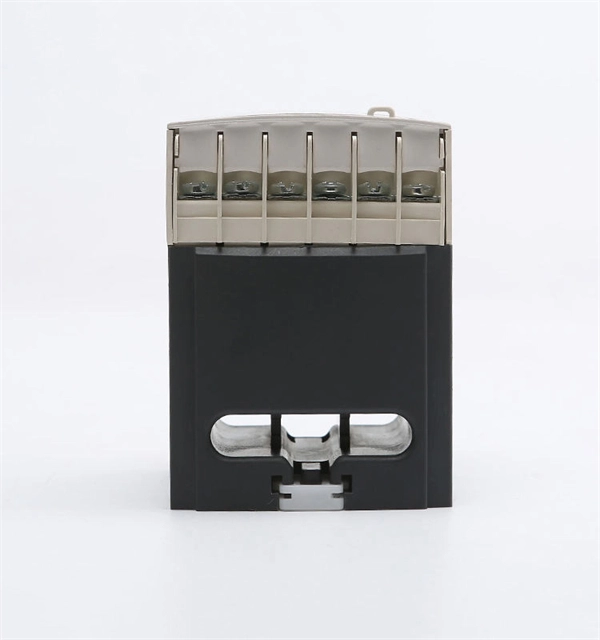
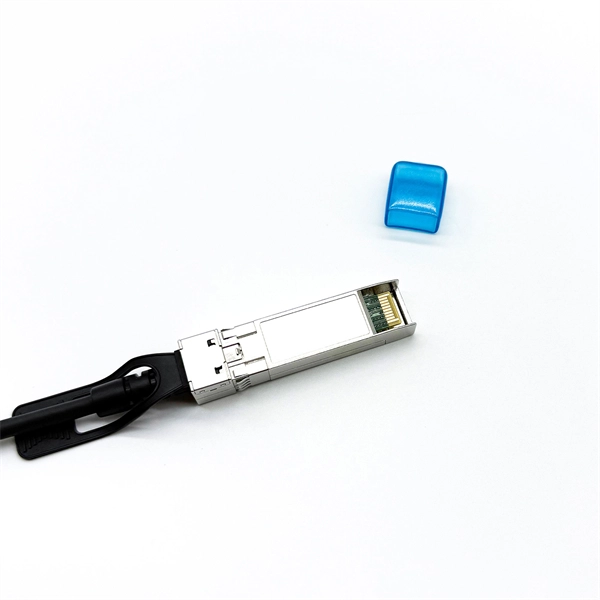
Optical modules convert electrical signals into light to move data quickly and reliably in AI systems, enabling fast and smooth data processing. Using advanced optical modules boosts AI system speed and bandwidth, helping handle large data loads with low delay and high efficiency. The optical module serves as a crucial component in optical fiber communication systems, operating at the physical layer, which is the lowest layer in the OSI model. Its primary function is to achieve optoelectronic conversion by converting electrical signals into optical signals and vice versa. Operating at the physical layer of the OSI model, optical modules are core devices in optical. That is, metal medium communication represented by coaxial cables and network cables is gradually being replaced by optical fiber media. Among various optical module form factors, SFP (Small Form-Factor Pluggable). These compact modules are the high-speed, high-bandwidth lifelines connecting the massive compute and storage resources AI demands. Understanding their role is key to building efficient, scalable AI systems.
[PDF]
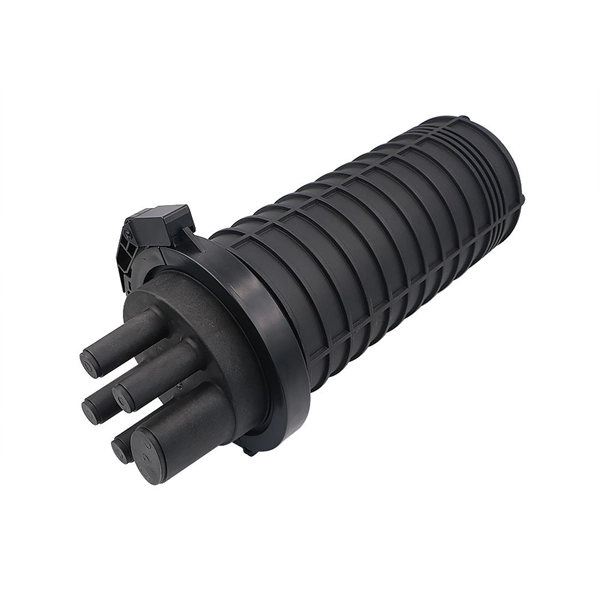
The Telecommunications Regulatory Agency (ART) announces that it has received directives from the government to conduct an operational audit of the national fiber optic network. MTN GlobalConnect and CAMTEL have joined forces to establish a strategic partnership that will see the commercialisation of four submarine cables in the West and Central sub-region of Africa. The partnership will improve connectivity in Cameroon and support the increasing demand for internet. CAMTEL gets big gov't support to boost optical fibre network. This decision follows a “continuous deterioration in the quality of mobile electronic communication services provided by. Cameroon has long been presented as a hub in terms of telecom infrastructure in the Central African sub-region. The country is connected to five optical fiber submarine cables (SAT3, WACS, ACE, SAIL, and NCSCS). Yet it makes very little use of this equipment to develop its telecoms sector, as well. National and international connectivity, secure data centres, and reliable interconnections for operators, businesses, and institutions. 24/7 performance, availability, and resilience.
[PDF]